Georgia’s $40 Billion Mistake: How Bad Science and Federal Bribes Created a Constitutional Crisis
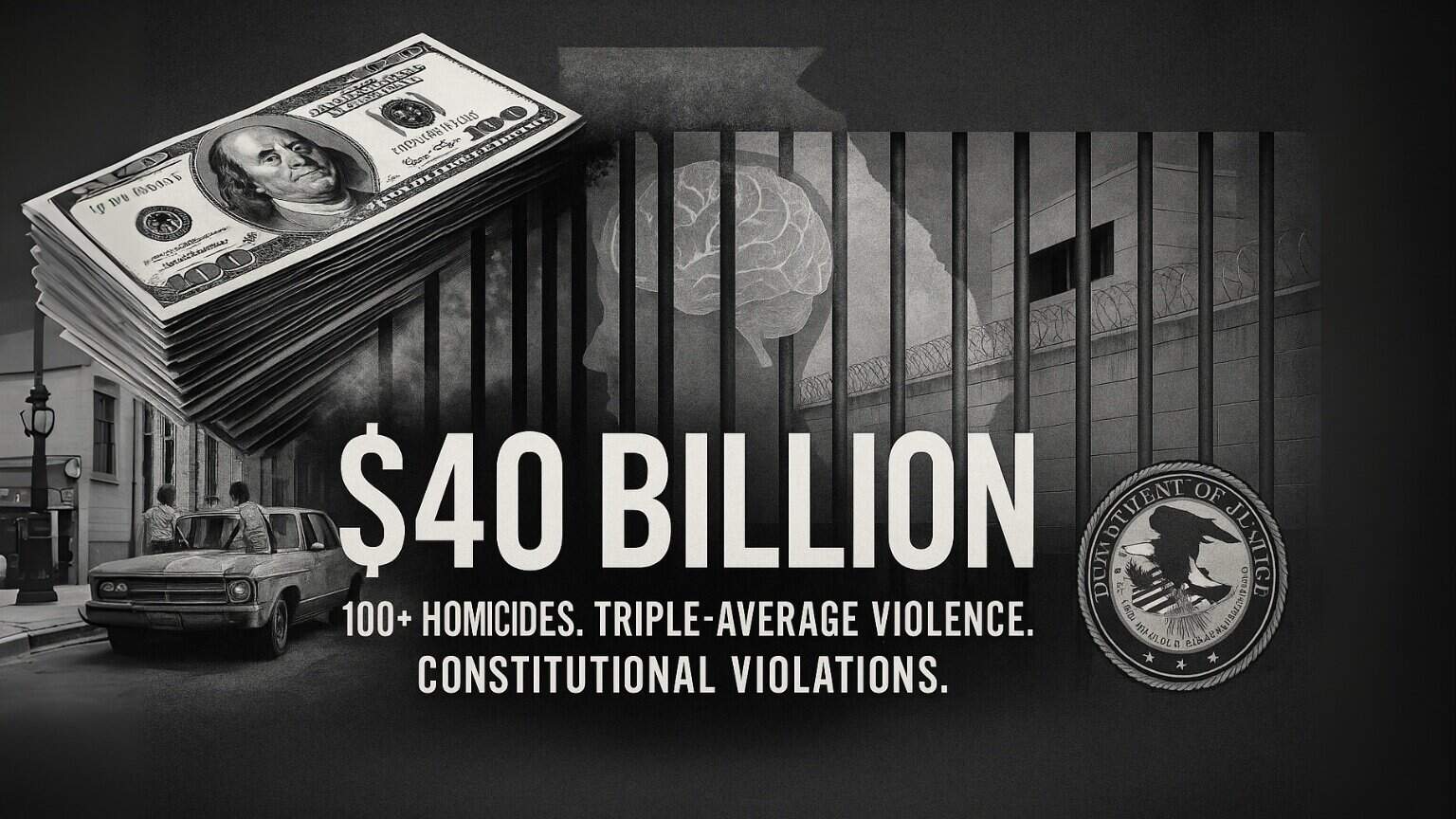
Georgia prison facility with statistics overlay showing 100 homicides and $40 billion spent

Georgia spent $40 billion on Truth in Sentencing laws that academic research proves make prisons deadlier and increase crime. The policies—rooted in the discredited “superpredator” myth and response to lead poisoning the government allowed for 70 years—created what the DOJ calls “among the most severe constitutional violations” nationwide. One hundred homicides occurred in Georgia prisons in 2024 alone. California and Mississippi reformed similar laws and achieved better safety outcomes at lower cost. The evidence for reform is overwhelming. The question is whether Georgia will act.
America’s Hidden Crime: How the Government Poisoned a Generation, Then Imprisoned Them for It

INVESTIGATIVE REPORT
They called them “superpredators.” Remorseless. Without conscience. Politicians predicted 30,000 new teenage killers by 2000 and passed laws imprisoning millions.
They were catastrophically wrong. Crime collapsed instead.

But there’s a darker truth: The “crime epidemic” was caused by something the government knowingly allowed for 70 years—lead poisoning from gasoline.
Between 1923-1996, 8 million tons of lead were pumped into the environment, systematically poisoning children’s developing brains. By 1980, 88% of American children had neurotoxic lead levels.
Twenty years later, those brain-damaged children became the “crime wave.”

Instead of addressing the environmental poisoning, the government:
• Blamed “moral poverty”
• Imprisoned 2.2 million people
• Spent $40+ billion on corrections
• Targeted Black communities disproportionately affected by lead exposure

Our investigation reveals:
✓ 9 countries show identical lead-crime patterns
✓ Brain scans prove lead causes exact damage linked to violent behavior
✓ Academic studies show “tough on crime” policies made things WORSE
✓ Crime declined because we stopped poisoning kids—not because of mass incarceration
This is the story of America’s greatest environmental crime—and the catastrophic misdiagnosis that followed.

Read the full investigation

Lead poisoning drove America’s crime epidemic

In 1995, Princeton professor John DiIulio warned America of coming “superpredators”—30,000 new “young juvenile criminals so impulsive, so remorseless that they can kill, rape, maim without giving it a second thought.” His predictions, amplified by influential criminologists and adopted by policymakers including Hillary Clinton, drove a mass incarceration frenzy. Three strikes laws, juvenile transfers to adult courts, and draconian sentencing policies imprisoned millions.

Every prediction proved catastrophically wrong. Crime declined dramatically—but not because of tough-on-crime policies. Multiple lines of scientific evidence reveal the real cause: between 1923 and 1996, the U.S. government allowed 8 million tons of lead from gasoline to poison children’s developing brains. Lead damages the prefrontal cortex, permanently impairing impulse control and increasing aggression. When lead-poisoned cohorts reached their twenties, violent crime surged. As lead-free generations matured, crime plummeted. We didn’t have a moral crisis—we had an environmental poisoning crisis. And we responded by imprisoning the victims.

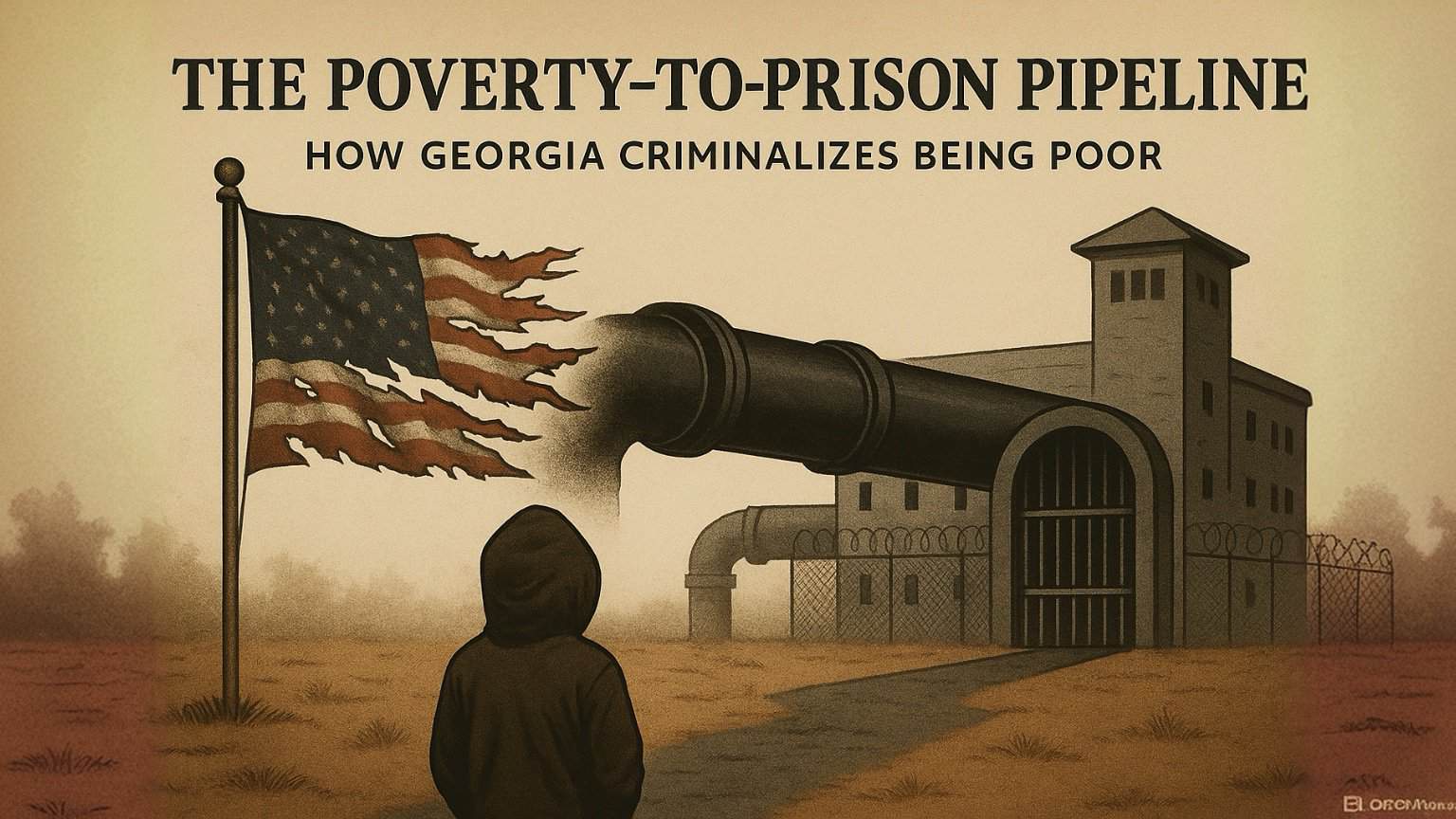
The Poverty-to-Prison Pipeline: How Georgia Criminalizes Being Poor

Georgia has the world’s highest incarceration rate – achieved by systematically criminalizing poverty through cash bail, court fines, and predatory fees.

Boys from Georgia’s poorest families face 20x higher incarceration rates than those from middle and upper-class households.

Normalization: The Principle That Changes Everything

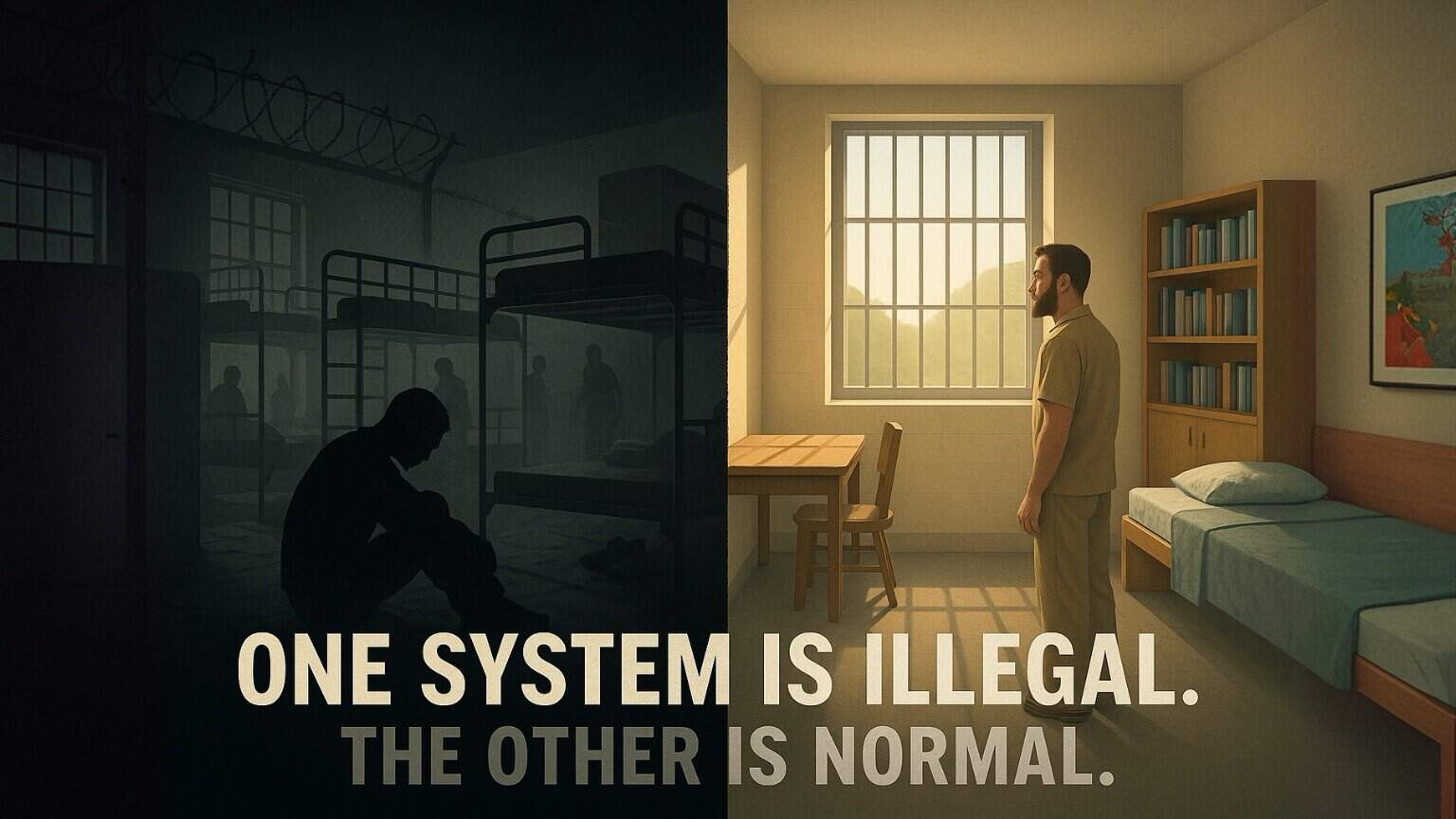
Georgia’s prisons aren’t broken—they’re illegal. Learn how the normalization model can end unconstitutional punishment and rebuild safety, dignity, and justice.

Georgia’s prisons aren’t “broken” — they’re illegal.

The Constitution says the punishment is the loss of liberty, not starvation, violence, neglect, or death.
Yet every day, Georgia piles on punishments no judge ever ordered.

Every other developed nation treats prison as a place for rehabilitation.
Georgia treats it as a dumping ground for suffering.

Normalization is how we realign Georgia with the law, with humanity, and with public safety.

Georgia now faces a choice:
continue running prisons that violate the Constitution, or adopt the normalization model that every safe, sane society already follows.

One path breeds violence.
The other creates redemption.
Only one is legal.

Why Georgia Must Create a Liberty Interest in Parole

Georgia’s parole system is broken because people have no enforceable right to release — even when they do everything asked of them. Creating a liberty interest in parole would finally bring fairness, transparency, and real hope to thousands of families across our state.

Georgia Prison Security Levels

The Georgia Department of Corrections’ own numbers show how medium-security prisons are now functioning like high-security facilities. This table—based on October 27, 2025 data—exposes systemic classification drift that’s fueling Georgia’s deadly prison crisis.

Georgia’s 2026 Legislative Session: A Second Chance for Real Parole Reform

Georgia’s 2026 legislative session could finally bring transparency and fairness to parole. With SB 25 and the new *Second Chance Parole Reform Act of 2026*, advocates are demanding written explanations, video hearings, and real opportunities for release. Learn how families can act now and use Impact Justice AI to push lawmakers for change.

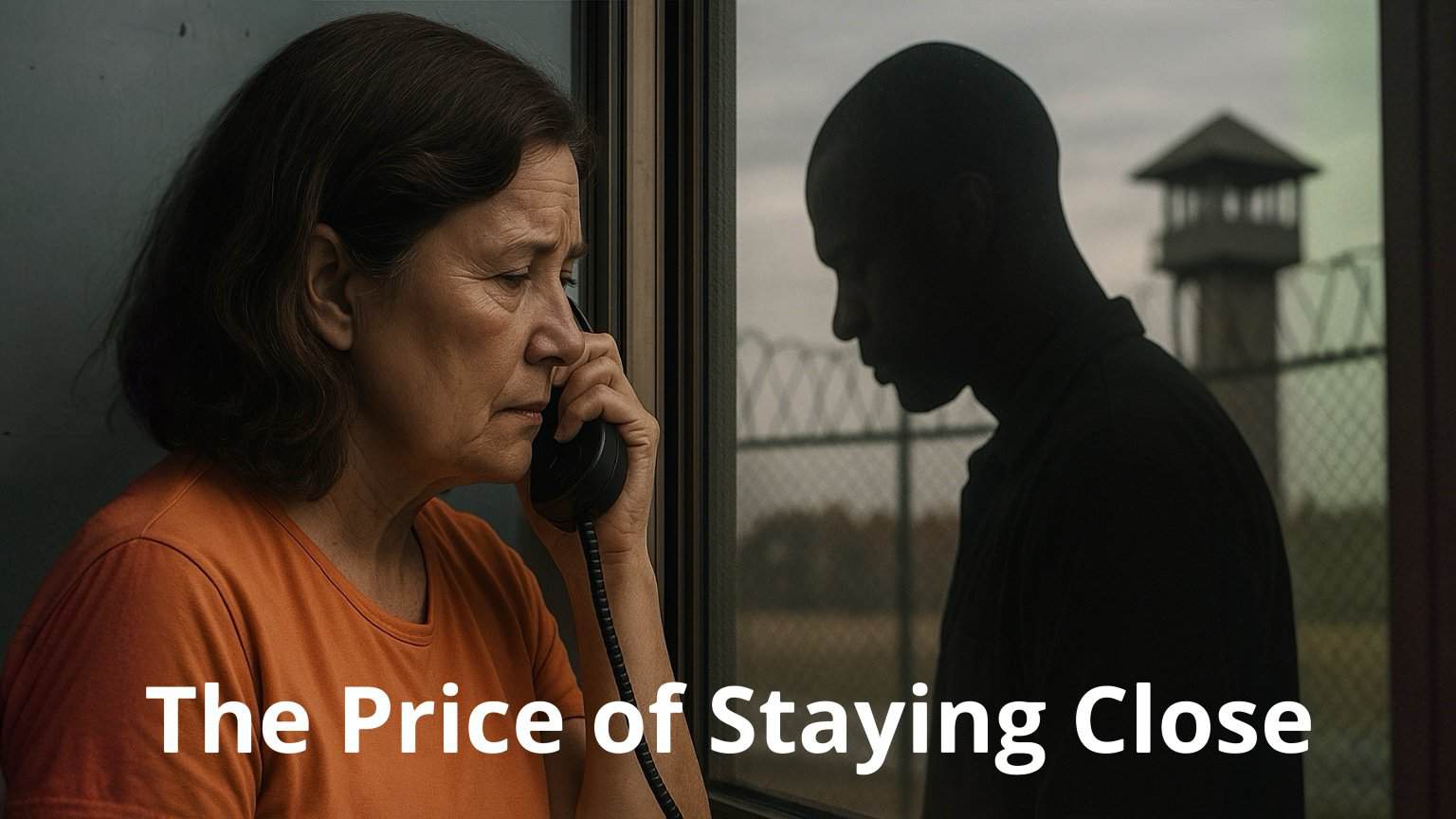
The Price of Staying Close: Families Pay the Cost of a Broken System

Across Georgia, families are going broke just to keep their loved ones alive and connected behind bars. From elderly grandparents skipping meals to mothers living on disability, the human cost of Georgia’s prison economy runs far deeper than commissary prices or phone bills. These are the voices of those paying The Price of Staying Close.

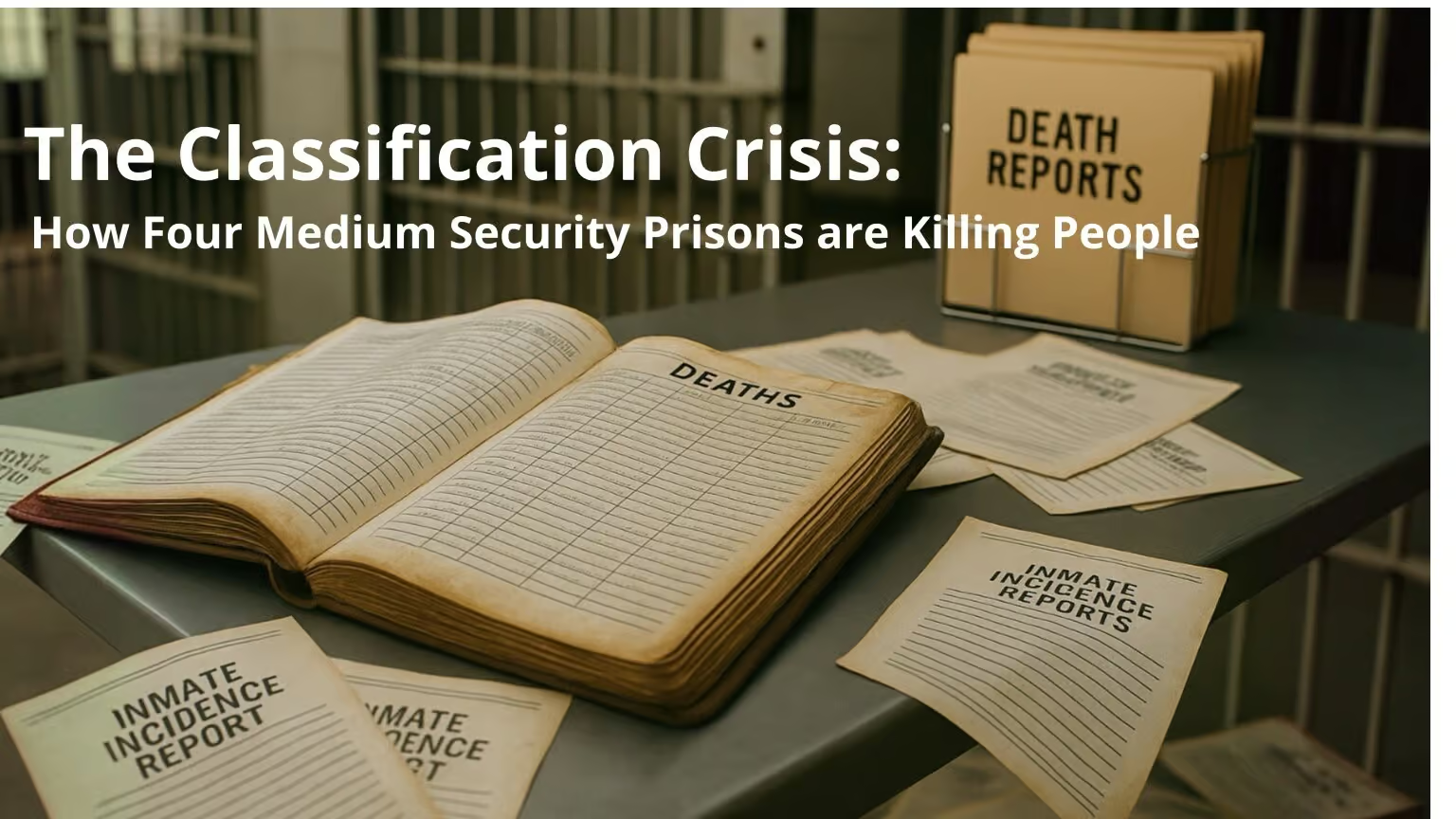
The Classification Crisis: How Four Medium Security Prisons are Killing People

Georgia has secretly packed four medium security prisons with close security inmates at rates up to 10 times higher than other facilities—creating a deadly mismatch that’s killing people. GPS obtained data showing Dooly, Wilcox, Calhoun, and Washington State Prisons now house 28-30% close security populations. The result? Homicide rates 4-5 times higher than properly classified prisons, with 33 deaths in 2024 alone—over half under age 50. The DOJ found all four facilities in violation of the Eighth Amendment. GDC’s response? Stop reporting causes of death. On November 7, 58-year-old Darrow Brown was stabbed to death at Dooly after accidentally bumping into a gang member. He was under officer escort during restricted movement. It didn’t matter. When you operate medium security prisons as close security facilities without proper safeguards, violence becomes inevitable. And GDC knows it.