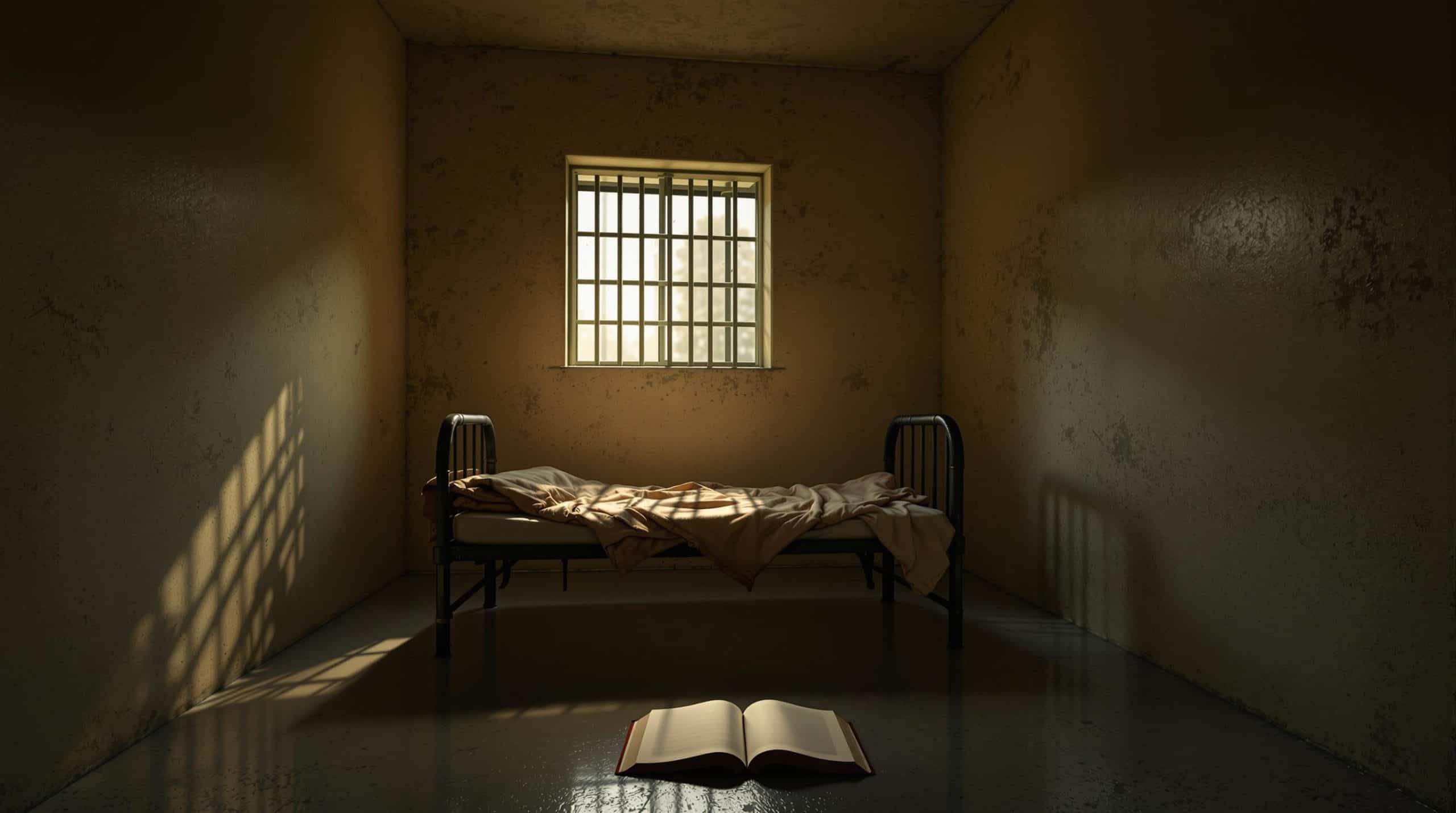
Meals delivered through “chuck holes” used for dirty laundry. Inmates confined in cells with overflowing toilets and human waste. No education, no therapy, no hope. Georgia’s Special Management Unit operates as a torture facility. A federal judge held GDC officials in contempt for violating court-ordered reforms. Solitary confinement increases suicide risk by 26%. 75% of former inmates report retaliation after filing grievances. The SMU doesn’t rehabilitate—it destroys. 1
Conditions That Break People
The SMU subjects inmates to:
- Extended solitary confinement—23+ hours daily in isolation
- Strip cells—broken toilets, human waste, no sanitation
- Food through chuck holes—same openings used for dirty laundry
- No human contact—profound psychological deprivation
“This is a plea and cry for help,” inmates wrote. “We are constantly and daily subjected to cruel and unusual punishment.”
Psychological Destruction
Solitary confinement produces documented harm:
- 26% higher mortality risk—from suicide and health deterioration
- Depression and anxiety—immediate onset
- Psychosis and hallucinations—prolonged isolation
- Cognitive decline—permanent damage
“Solitary confinement restricts meaningful social contact, a psychological stimulus humans need to remain healthy,” notes research from NYU. Georgia uses it as standard practice. 2
No Path to Rehabilitation
The SMU offers nothing constructive:
- No education programs—despite proven recidivism reduction
- No vocational training—no job skills for release
- No mental health treatment—conditions worsen
- No spiritual programs—complete deprivation
Research shows solitary doesn’t improve behavior or safety. It causes lasting psychological harm while undermining rehabilitation. Georgia ignores the evidence.
Contempt of Court
A federal judge found Georgia in violation:
- Contempt ruling—for violating settlement terms
- Falsified records—by prison officials
- Physical abuse—by staff
- Blocked grievances—tampered mail, blocked calls
U.S. District Judge Marc Treadwell found Georgia prison officials in “flagrant violation” of court-ordered reforms. The state responds with more obstruction.
Take Action
Use Impact Justice AI to send advocacy emails demanding reform of solitary confinement in Georgia. The free tool crafts personalized messages to Georgia lawmakers—no experience required.
Demand:
- Strict limits on solitary confinement duration
- Access to rehabilitation programs
- Mental health treatment in restrictive housing
- Independent oversight of SMU conditions
Further Reading
- Solitary Confinement in Georgia Prisons: Key Facts
- Inside the War Zone: The Reality of Georgia Prisons
- GPS Informational Resources
- Pathways to Success
About Georgia Prisoners’ Speak (GPS)
Georgia Prisoners’ Speak (GPS) is a nonprofit investigative newsroom built in partnership with incarcerated reporters, families, advocates, and data analysts. Operating independently from the Georgia Department of Corrections, GPS documents the truth the state refuses to acknowledge: extreme violence, fatal medical neglect, gang-controlled dorms, collapsed staffing, fraudulent reporting practices, and unconstitutional conditions across Georgia’s prisons.
Through confidential reporting channels, secure communication, evidence verification, public-records requests, legislative research, and professional investigative standards, GPS provides the transparency the system lacks. Our mission is to expose abuses, protect incarcerated people, support families, and push Georgia toward meaningful reform based on human rights, evidence, and public accountability.
Every article is part of a larger fight — to end the silence, reveal the truth, and demand justice.