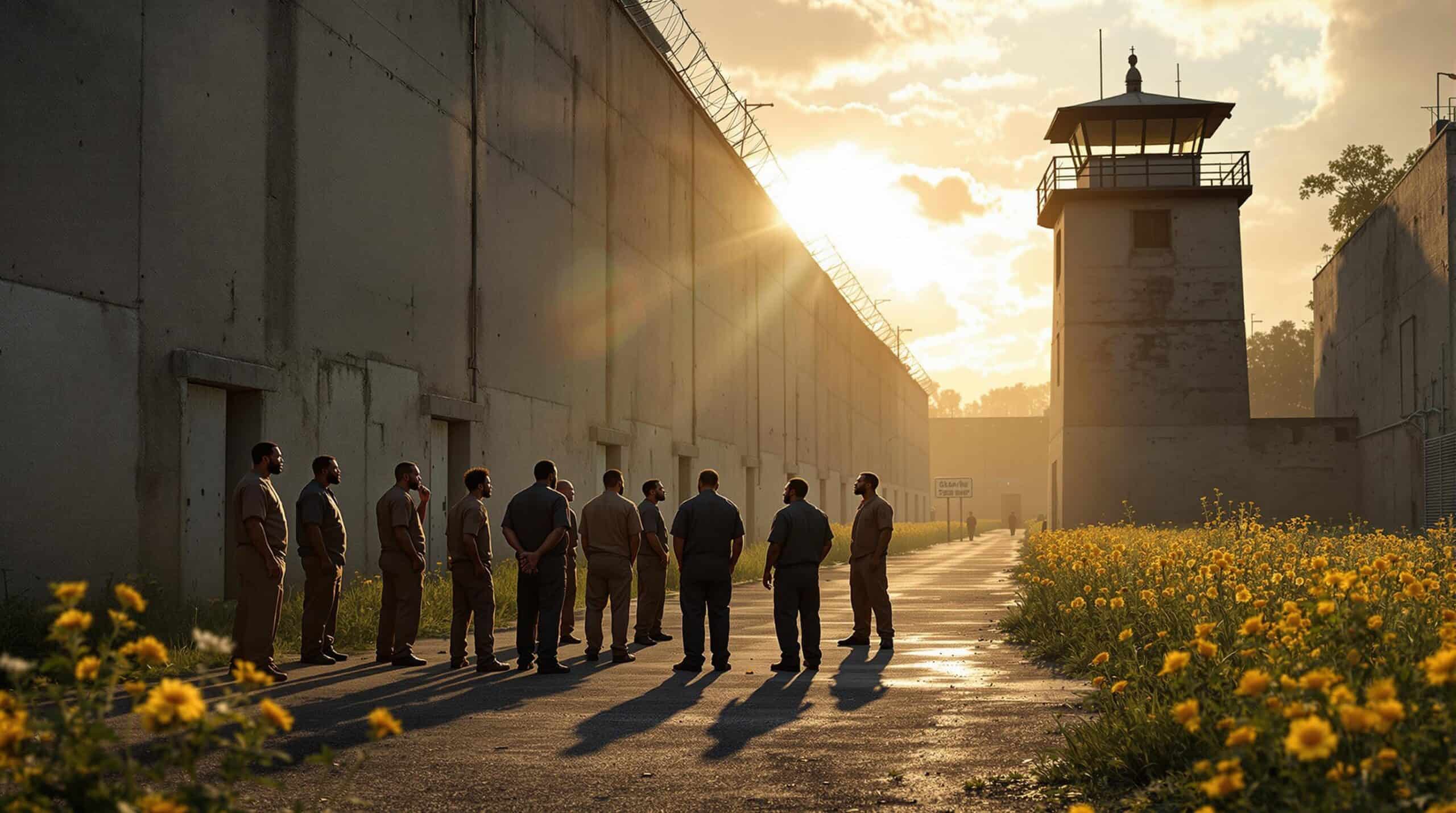
53 homicides in Georgia prisons between 2020 and 2021. The Department of Corrections withheld records on all of them. The DOJ had to go to court to force Georgia to produce 19,000 documents about prison conditions. Families learn about deaths through rumors, not official notification. Georgia’s prison system operates in deliberate darkness—because transparency would expose unconstitutional conditions the state refuses to fix. 1
Systematic Obstruction
Georgia blocks oversight at every turn:
- Incomplete document production—forcing court intervention
- Facility access restrictions—limiting evaluations
- Withheld records—hiding violence trends
- Staff interview restrictions—preventing thorough investigations
The GDC demanded protective orders and non-disclosure agreements during DOJ inspections. They’re not hiding nothing—they’re hiding everything.
What They’re Hiding
The DOJ investigation uncovered what Georgia tried to conceal:
- Constitutional violations—Eighth Amendment failures throughout the system
- Abuse of vulnerable populations—LGBTI inmates targeted
- Staff involvement—guards participating in abuse
- No accountability—perpetrators face no consequences
A transgender woman reported being forced into sexual favors for basic necessities. The staff involved faced no accountability. This is what transparency would reveal.
The Cost to Families
Families suffer from Georgia’s secrecy:
- No death notification—families find out through rumors
- No incident information—can’t find out what happened
- No burial location—can’t even find the grave
- Wrongful death settlements—$2.2 million paid without accountability
Families describe a “persistent and maddening wall” blocking access to information about their incarcerated relatives.
What Transparency Requires
The DOJ recommended specific reforms:
- Public reporting—disclose prison conditions, policies, and incidents
- Incident tracking—standardize reporting on violence, deaths, and abuse
- Staff accountability—release disciplinary actions and staffing levels
- Independent oversight—external audits with enforcement power
Georgia knows what transparency requires. It chooses secrecy because transparency would require accountability.
Take Action
Use Impact Justice AI to send advocacy emails demanding transparency in Georgia prisons. The free tool crafts personalized messages to Georgia lawmakers—no experience required.
Demand:
- Public reporting on prison deaths and incidents
- Family notification within 24 hours of deaths
- Independent oversight with enforcement authority
- Compliance with DOJ transparency recommendations
Further Reading
- The Forgotten Dead: Unmarked Graves in Georgia’s Prison Cemeteries
- Prison Data Gaps in Georgia
- GPS Informational Resources
- Pathways to Success
About Georgia Prisoners’ Speak (GPS)
Georgia Prisoners’ Speak (GPS) is a nonprofit investigative newsroom built in partnership with incarcerated reporters, families, advocates, and data analysts. Operating independently from the Georgia Department of Corrections, GPS documents the truth the state refuses to acknowledge: extreme violence, fatal medical neglect, gang-controlled dorms, collapsed staffing, fraudulent reporting practices, and unconstitutional conditions across Georgia’s prisons.
Through confidential reporting channels, secure communication, evidence verification, public-records requests, legislative research, and professional investigative standards, GPS provides the transparency the system lacks. Our mission is to expose abuses, protect incarcerated people, support families, and push Georgia toward meaningful reform based on human rights, evidence, and public accountability.
Every article is part of a larger fight — to end the silence, reveal the truth, and demand justice.
- DOJ Report, https://www.justice.gov/d9/2024-09/findings_report_-_investigation_of_georgia_prisons.pdf[↩]
1 thought on “The Cost of Silence: Why Transparency is Georgia Prisons’ Biggest Problem”