Georgia’s prisons are falling apart. Mold covers the walls. Floors are missing. Weapons are everywhere. The images and videos on this page come directly from inside Georgia’s correctional facilities—documentation the state doesn’t want you to see. The DOJ found Georgia’s prisons violate the Eighth Amendment’s ban on cruel and unusual punishment. These photos show why. 1
What the State Hides
Georgia bans media from prisons. Families can’t bring cameras during visits. The state controls every image that reaches the public. But incarcerated people document what they live through—and GPS publishes what they share.
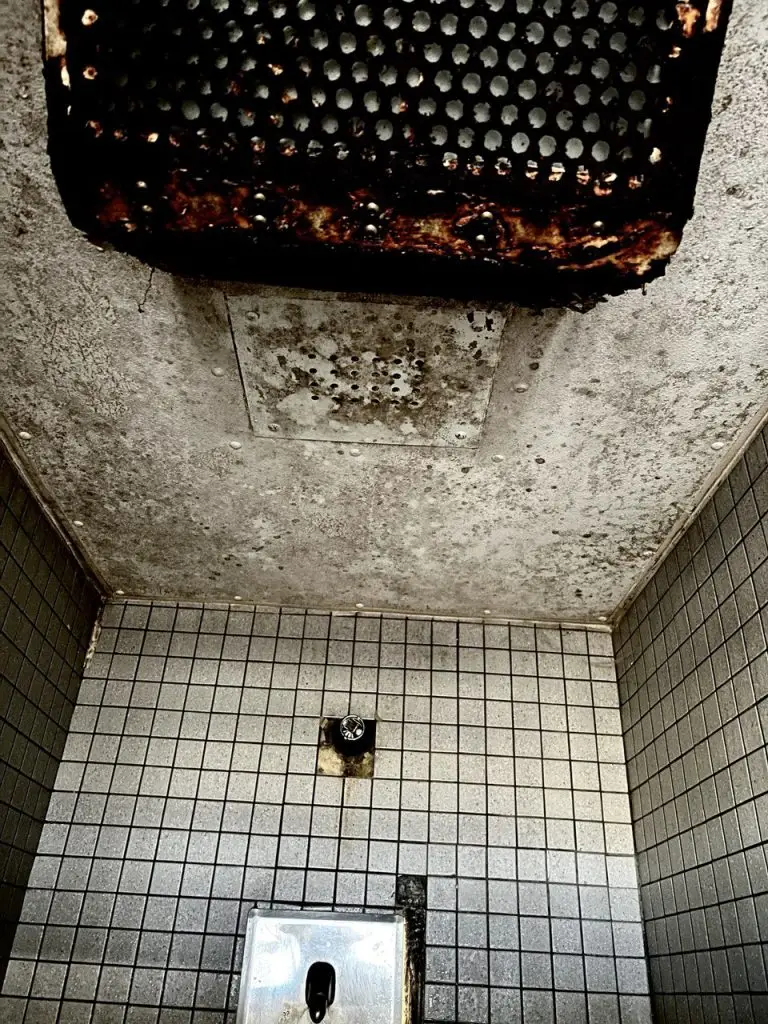
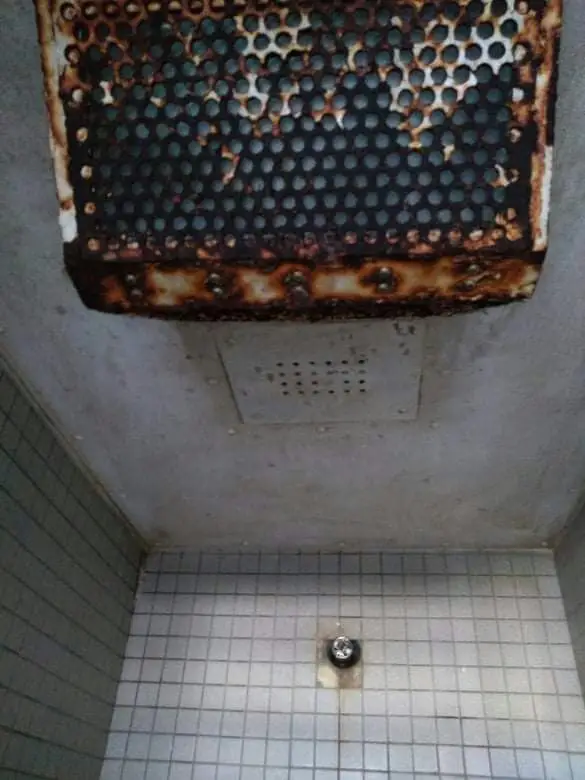
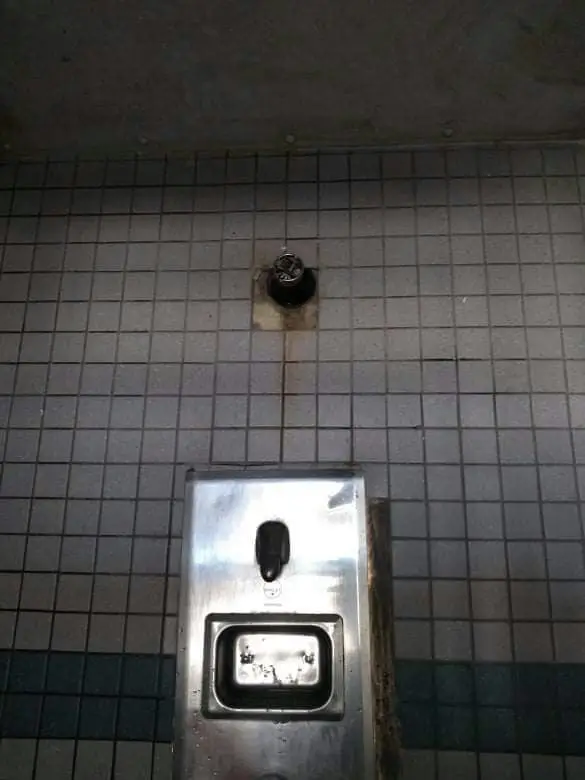
The evidence below shows:
- Black mold covering walls, ceilings, and living areas
- Structural decay including missing floors and crumbling infrastructure
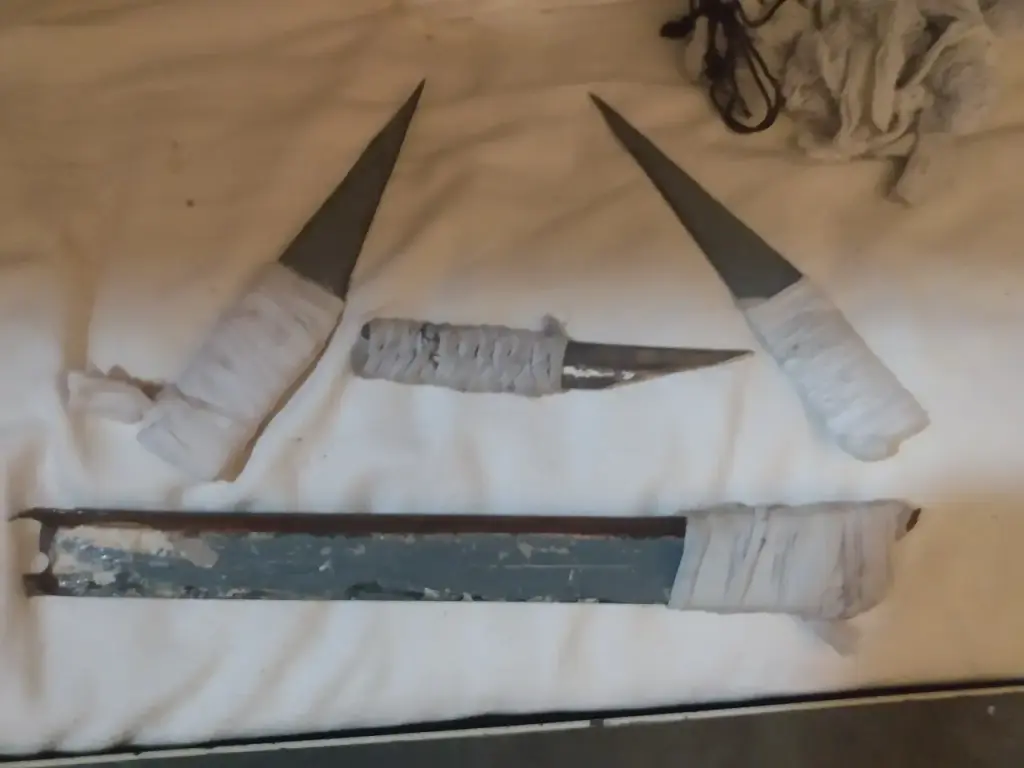
- Homemade weapons readily available due to collapsed security
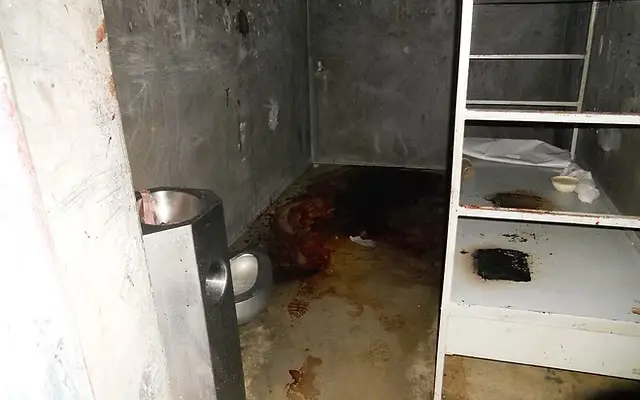
- Unsanitary conditions that breed disease and illness
These aren’t isolated incidents. They’re standard conditions across Georgia’s prison system.
Documented Evidence


The Health Crisis
Black mold causes serious health problems:
- Respiratory illness — Chronic coughing, difficulty breathing, asthma attacks
- Allergic reactions — Skin rashes, eye irritation, sinus infections
- Immune system damage — Weakened defenses against other diseases
- Neurological effects — Headaches, memory problems, fatigue
Inmates report chronic respiratory problems that started after incarceration. The state provides no treatment and denies the conditions exist.
Infrastructure Collapse
70% of Georgia’s prisons were built in the 1970s. The infrastructure is failing:
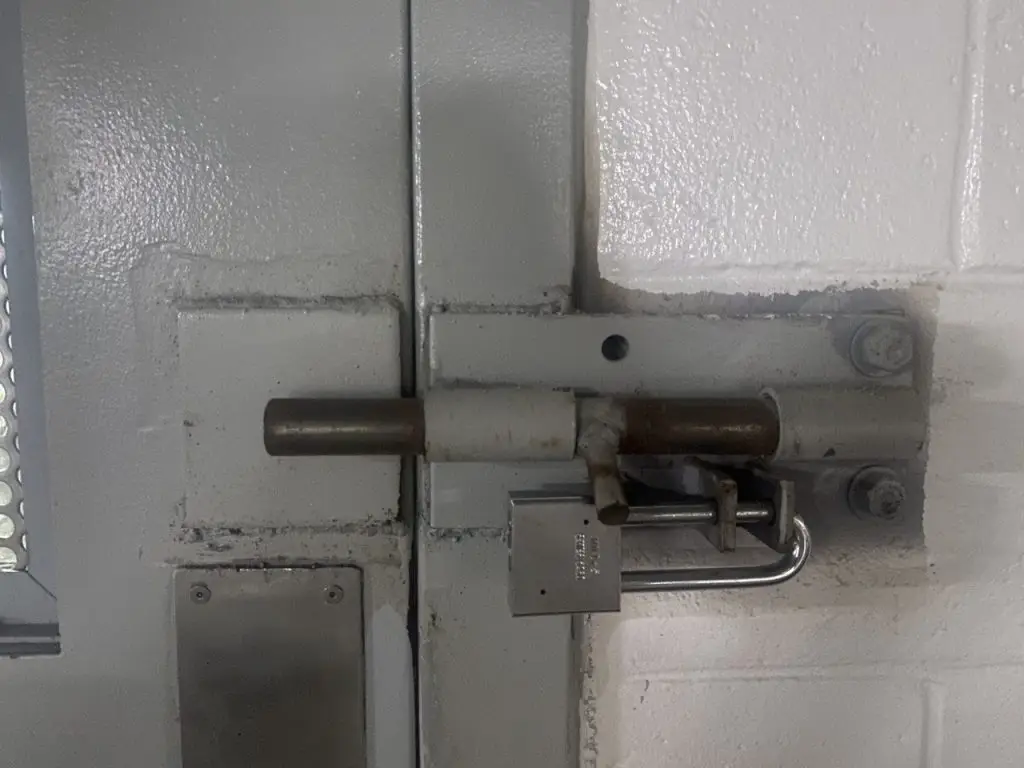
- 78% of facilities need emergency lock repairs
- 32 prisons face daily closures due to plumbing failures
- 68% of safety complaints involve broken radio systems
- Crumbling walls and missing floors create injury hazards
Georgia allocated $600 million for corrections. Most goes to temporary fixes rather than addressing the structural decay. 2
Weapons Everywhere
The homemade weapons documented here exist because security has collapsed:
- 49% staffing vacancy at the worst facilities
- Gangs control housing units where no officers are present
- Only 8 prisons have full-body scanners
- 100+ homicides in 2024 — weapons are the means
When no one is watching, violence becomes the governing force. These weapons aren’t hidden. They’re openly available because no one is there to confiscate them.
Take Action
Use Impact Justice AI to send advocacy emails demanding humane living conditions in Georgia prisons. The free tool crafts personalized messages to Georgia lawmakers—no experience required.
Demand:
- Immediate remediation of mold and hazardous conditions
- Infrastructure investment in aging facilities
- Adequate staffing to maintain security
- Independent inspections of all facilities
Share What You’ve Seen
If you have photos or videos from inside Georgia prisons, GPS will publish them. Use our secure submission form to share evidence safely. Your documentation helps expose conditions the state hides.
Further Reading
- Sanitation Standards vs. Reality in Georgia Prisons
- Inside the War Zone: The Reality of Georgia Prisons
- GPS Informational Resources
- Pathways to Success
About Georgia Prisoners’ Speak (GPS)
Georgia Prisoners’ Speak (GPS) is a nonprofit investigative newsroom built in partnership with incarcerated reporters, families, advocates, and data analysts. Operating independently from the Georgia Department of Corrections, GPS documents the truth the state refuses to acknowledge: extreme violence, fatal medical neglect, gang-controlled dorms, collapsed staffing, fraudulent reporting practices, and unconstitutional conditions across Georgia’s prisons.
Through confidential reporting channels, secure communication, evidence verification, public-records requests, legislative research, and professional investigative standards, GPS provides the transparency the system lacks. Our mission is to expose abuses, protect incarcerated people, support families, and push Georgia toward meaningful reform based on human rights, evidence, and public accountability.
Every article is part of a larger fight — to end the silence, reveal the truth, and demand justice.