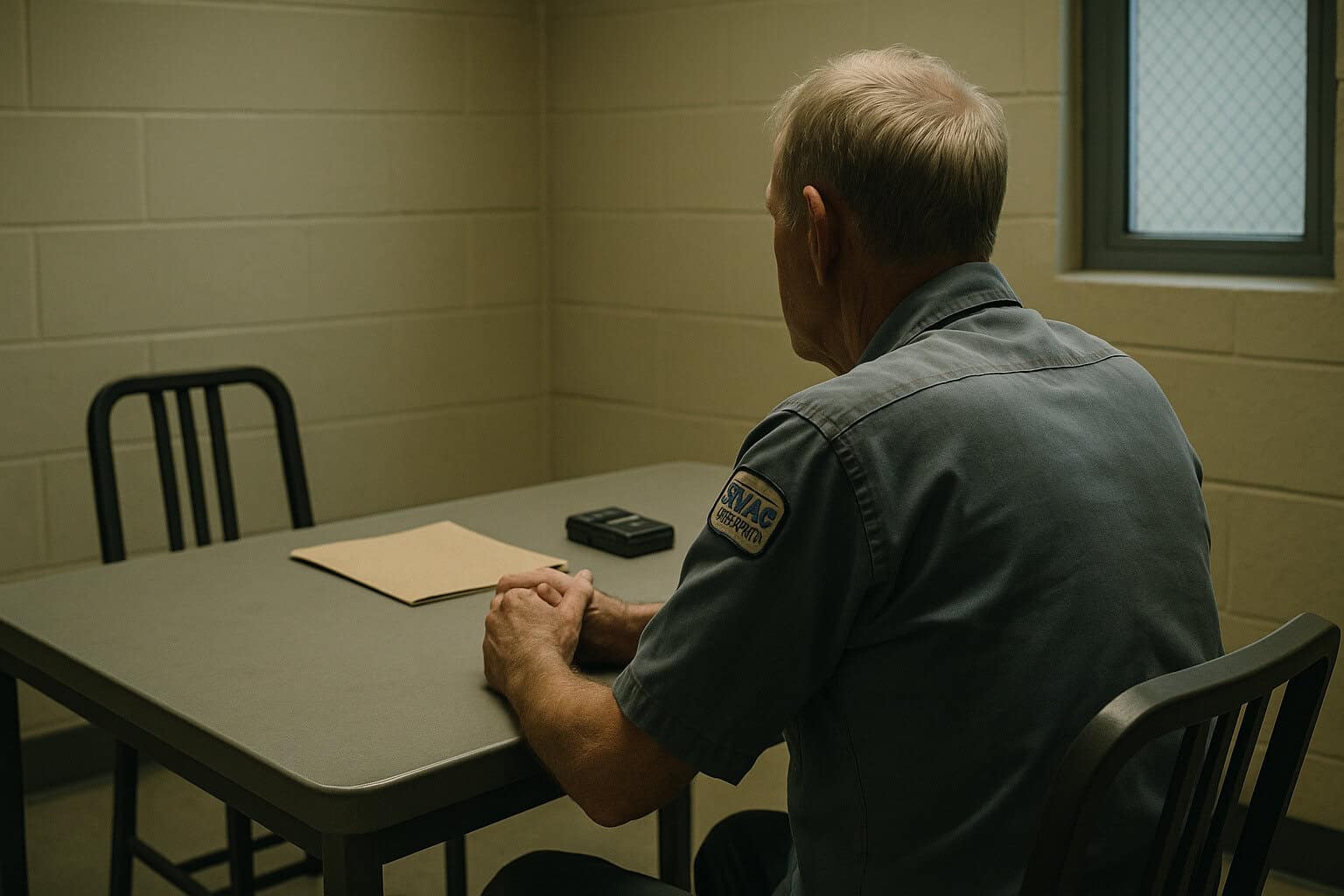
Author: Naive 00
Next month will be 26 years. I’m a Lifer under the 14-year guidelines, and this will be my fifth time up for parole.
I was 39 when my case began. I’d never been arrested before in my life. Now I’m 67, still working, getting old. I’ve gotten one disciplinary report in here — for a cell phone, 10 years ago. That’s it in 26 years.
I don’t have much hope. But it would be the best news I could ever receive.
***
The first two times I went up for parole, they didn’t give me an interview at all. They just denied me. No conversation, no explanation. Just no.
The third time, I finally got an interview — but not with the actual parole board members who decide. It was with a parole investigator who reports back to them. I wasn’t expecting it, so I went in unaware and unprepared.
I don’t think anyone here in Georgia ever sits face-to-face with the people making the decision about their life. The board decides without ever meeting you, just reading reports.
That first investigator was asking general questions, then out of nowhere asked me why I killed my wife. She was intentionally trying to catch me off guard. I told her I didn’t, and who I think did. I’ve claimed innocence the whole time.
I had my second interview last September with a different investigator. That lady was a bit more subtle about it, but I still think they don’t care about that. I now realize they don’t want to hear about innocence — they only want you to admit to the crime and have remorse.
I’m in an impossible position. I maintain my innocence, but they want me to admit guilt and show remorse for something I didn’t do.
***
My whole time in here, I’ve worked. I’ve learned a few new skills — Industrial Maintenance and HVAC. I have the EPA universal certification and the certification for vehicles. I can get a job. I’ve worked all my adult life, never getting fired. I have a good work history. I’m still that way.
Does the parole board look at that at all? I have no clue, but it doesn’t seem to affect their decision.
The truth is, no one knows what they base their decisions on. They don’t base their decision on anything that we know of.
Every time I’ve been denied, they give the same response to everyone: “Insufficient amount of time served to date given the nature and circumstances of your offenses.” That’s why I say it’s a generic response. It is.
How do you prepare for the next hearing when they won’t tell you what “sufficient time” even means? What are you supposed to do differently?
I don’t know. Nobody knows.
***
In fact, if you are a troublemaker, you’re more likely to make parole. It’s like they want to keep good people in here.
In 2006, I took the Lifer’s program. One of the guys taking it with me got kicked out because he failed a drug test. He failed two more times within a year, then made parole within months of the last dirty urine. He had about 23 years in.
Meanwhile I’m at 26 years with a clean record and still waiting.
That’s what the parole board does. I would be better off to cause trouble, but I’m just not going to do that. That’s not who I am.
***
I’ve seen that people can change in here. We don’t talk about our crimes much, but I know a lot were committed when someone was under the influence of alcohol or drugs. They would never have committed their crime without that. Others commit crimes because they are young and want to make money fast, but after many years in here, they realize it’s not worth it.
The parole board should base everyone’s parole eligibility on their incarcerated history, not the crime. No one can change the circumstances of the crime, but people can change. I’ve seen that in here.
I’m not a criminal. I was 39 when my case began. I’ve never been arrested before. I’ve never lived a life of crime and I won’t now, not ever.
***
If they let me out next month, my dad is still living. I plan to go there. I lost what I had. I have a brother and two sisters. I can get on Social Security. I’ll have no bills and won’t need much, but I’ll try and work as long as I can.
Simply going home, eating a nice home-cooked meal and being with family. The simple things most people take for granted.
I’ve got the certifications, the skills, the plan, the family support. Everything they’re supposed to want to see.
***
I’m in a situation where I have about a 5 percent chance to get out. I’m getting old and losing hope.
Despair. Mainly because it’s what I see — many people doing 30, 40 years. Unless the Parole Board has to change, I feel I’ll likely die in prison.
I’ve been writing letters to state politicians hoping for change. That’s the best hope I have and the only thing that keeps me going.
SB 25 is being debated now. It’s a bill that will bring reform to the parole board. They will not be able to give a generic denial, but have to give a written reason why we are denied. It makes a few other positive changes, but I like that the best.
I believe most people should get a second chance, especially if their incarcerated history shows a positive change.
I would love to stand before the Parole Board and tell them about the circumstances of my case and who I am. I want to tell them I’m a person, not just a number.
Twenty-six years and I’ve never had that chance.
You Have Options
Free tools to take action — the law is on your side.
Demand records from the prison system. Reach the officials who set policy. File a grievance or a complaint the right way. And for families who’ve lost someone in custody, get the records that tell the truth. Plain-language, step-by-step, and free.
Explore the GPS Toolkits →