TL;DR
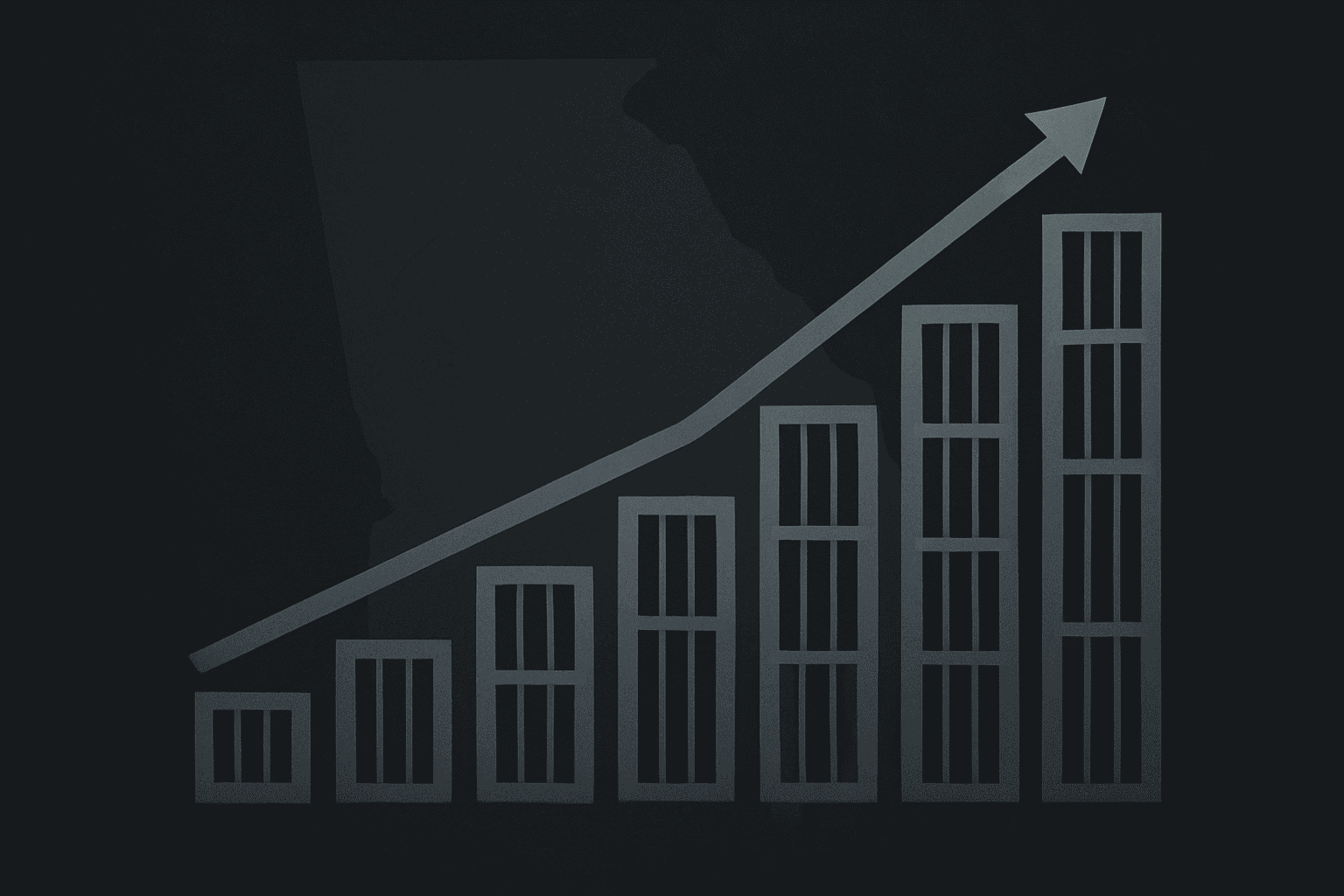
Georgia’s prison spending jumped 44% in just four years. The state went from about $1.1 billion to nearly $1.78 billion. Most of the new money goes to health care contracts, staff pay, and more beds. But the state still charges people in prison $5 for a doctor visit. And families still pay millions in phone and mail fees every year.
Why This Matters
If your loved one is in a Georgia prison, this budget shapes their daily life. It decides if there are enough guards to keep them safe. It decides if they can see a doctor when they’re sick. It decides how much you pay to talk to them on the phone.
The state is spending nearly $500 million more than it did four years ago. But people in prison still face $5 co-pays for health care. They still work without pay. And families still pay over $10 million a year in fees just to stay in touch.
Black Georgians make up 58% of the prison population. But they are only 33% of the state’s people. So these budget choices hit Black families the hardest.
Key Takeaway: The state spends billions more each year, but people in prison and their families still carry heavy costs.
The Big Picture: Where the Money Goes
Georgia’s prison budget has grown fast:
- FY2024 to FY2025: Up $153 million
- FY2025 to FY2026: Up another $125 million
- FY2022 to FY2026: Up nearly $500 million total — a 44% jump
The changed FY2026 budget reached $1,782,435,308 in state funds. The FY2027 plan calls for $1,762,069,964.
It costs about $86.61 per day to lock up one person. That’s $31,612 per year. With about 50,000 people in Georgia’s prisons, the costs add up fast.
Key Takeaway: Prison spending rose 44% in four years — nearly $500 million more — with no sign of slowing down.
Health Care Costs Are Exploding
Health care is the fastest-growing part of the budget. Spending on prison health went up about 40% since FY2022.
Here’s what the state added just for health care:
- Changed FY2026: $39,777,721 more for health programs
- FY2027: $54,769,710 more for health programs
- Physical health alone in FY2027: $47,880,895 more
The FY2027 budget also adds:
- $1,917,644 for mental health staff
- $1,498,347 for dental health staff
- $3,681,328 for pharmacy costs
Health spending in FY2025 hit $389,939,841. By FY2027, it will reach $432,247,728.
Despite all this spending, people in prison are still charged a $5 co-pay every time they ask to see a doctor or get medicine. If they can’t pay, the state puts them in debt. This stops many people from seeking care when they need it.
Key Takeaway: Health spending grew 40% since FY2022, but people in prison still face $5 co-pays that can stop them from getting care.
More Beds, More Private Prisons
The number of people in Georgia’s prisons grew from 42,795 in early 2021 to 49,828 by January 31, 2025. That’s a 16% jump.
To deal with this, the state is:
- Adding 263 private prison beds — 160 at Coffee prison and 103 at Wheeler prison — for $4,227,620
- Paying local jails $6,242,030 more to hold state prisoners
- Spending $1,054,637 to fill all beds at Jenkins and Riverbend private prisons
- Spending $1,760,207 to run five temporary housing units
Private prison spending hit $152,648,138 in FY2025. By FY2027, it will reach $177,767,784.
Instead of finding ways to reduce the prison population, the state keeps building more beds and paying private companies to lock up more people.
Key Takeaway: The state is paying millions more for private prison beds and local jails instead of reducing the number of people locked up.
Staff Pay and Security Tech
The state is spending big on staff and security tools:
Staff pay:
– $12,050,341 for one-time $2,000 bonuses to prison staff in FY2026
– $4,982,902 for more guard positions in FY2026
– $26,824,134 for more guard positions in FY2027
Security tools:
– $13,387,475 for cell phone blocking and drone detection systems in FY2026
– $5,521,230 for the Over Watch and Logistics (OWL) Unit tech in FY2027
The state also added $1,542,179 for Lee Arrendale State Prison. That is Georgia’s main women’s prison.
These costs keep rising each year. The state says it needs more guards and more tech to keep prisons safe. But it spends far less on programs that help people get ready to leave prison.
Key Takeaway: Billions go to guards and tech, but much less goes to programs that help people return to their communities.
Families Pay While the State Spends Billions
Even as the budget grows by hundreds of millions, the state still squeezes money from people in prison and their families:
- $5 medical co-pays for each doctor visit or medicine request
- Over $10 million a year in fees from people in prison — for three years in a row
- Higher prices on basic items like soap and hygiene products since a spending cut in FY2021
- Phone and mail fees that cost families just to stay in touch
People in prison are also forced to work without pay. They cook meals, do laundry, farm crops, and build things. This unpaid labor helps pay for the prison system. Some of the goods they make end up on store shelves.
Families who are not guilty of any crime pay these costs. They often face money struggles of their own. These fees fall hardest on Black families, who make up the largest share of people affected.
Key Takeaway: The state collects over $10 million a year from people in prison while forcing them to work without pay.
Racial Harm Built Into the System
Black Georgians make up 58% of the prison population. But they are only 33% of the state’s people.
This gap is rooted in the state’s history of slavery, Jim Crow laws, and over-policing in Black communities. The budget and policy choices the state makes today keep this harm going.
When the state raises fees, grows the prison population, and spends on more beds instead of fewer arrests, Black communities bear the heaviest burden.
Key Takeaway: Black Georgians are locked up at nearly twice their share of the population — and budget choices make this worse.
What’s Missing From This Budget
Almost all of the new spending goes to keeping people locked up. Very little goes to:
- Reducing the number of people in prison
- Ending co-pays that block people from getting health care
- Paying people for their labor
- Lowering phone and mail costs for families
- Meeting the needs of women and birthing people in prison — like pumping rooms, lactation programs, and child-friendly visit spaces
The state could invest in sentencing reform, diversion programs, and community health. Instead, it keeps pouring money into a system that grows bigger every year.
Key Takeaway: The budget focuses on locking people up — not on reducing harm or helping people come home.
Glossary
- GDC: Georgia Department of Corrections — the state agency that runs Georgia’s prisons
- Fiscal Year (FY): The state’s budget year, which runs from July 1 to June 30. “FY2026” means July 2025 to June 2026.
- Amended Budget: A changed version of the budget, updated during the year to add or cut money
- Per Diem: The daily rate paid for something — like the daily cost per person in prison
- Co-pay: A fee charged when someone asks for medical care. In Georgia prisons, it’s $5.
- Private Prisons: Prisons run by companies (like CoreCivic or GEO Group) instead of the state
- Jail Subsidy: Money the state pays to local county jails to hold state prisoners
- POST: Peace Officer Standards and Training — the rules and training required for prison guards and police
- Managed Access System: Technology that blocks cell phone signals inside prisons
- Modular Units: Temporary buildings used to add more beds without building a new prison
- OWL Unit: Over Watch and Logistics Unit — a GDC team focused on safety and security technology
- Transition Centers: Places where people near the end of their sentence can work in the community while still supervised
- State General Funds: Money from state taxes used to pay for government services
Read the Source Document
Download the full research compilation (PDF) — Includes the Governor’s FY2026–FY2027 budget for the Department of Corrections and budget analyses by the Georgia Budget & Policy Institute.
Other Versions
- Version for Legislators — Policy-focused analysis with budget line items and recommendations
- Version for Media — Press-ready summary with key data points and context