TL;DR
Georgia’s prisons are in crisis. Cell locks are broken. Cameras don’t work. Buildings have black mold and raw sewage. Some prisons hold more than twice the people they were built for. At some prisons, 8 out of 10 guard jobs sit empty. Governor Kemp asked for over $600 million to fix things. But even state leaders say repairs will take years.
Why This Matters
If your loved one is in a Georgia prison, this is about their safety. Broken locks mean people can enter any cell at any time. That puts your family member at risk of harm.
With so few guards on duty, there may be no one to help if something goes wrong. Mold, sewage, and broken heating make people sick. These are not small problems. They are dangers that your loved one faces every day.
The state caused these problems by not fixing things for decades. Now the cost — in money and in human life — is much higher.
Key Takeaway: Broken locks, too few guards, and crumbling buildings put your loved one in danger every day.
Broken Locks: The Most Urgent Danger
The U.S. Department of Justice (DOJ) found that broken cell locks are one of the most critical safety issues. When locks don’t work, people can leave their cells at any time. This allows:
- Violence between people in prison
- Drug deals inside the units
- Sexual assault with no way to stop it
Guards cannot lock down housing units in a crisis. This means that during fights or other dangers, staff cannot keep people safe.
Governor Kemp’s plan includes a team to fix locks across the state. But repairs will take years.
Key Takeaway: Broken cell locks let people move freely, making violence and assault much more likely.
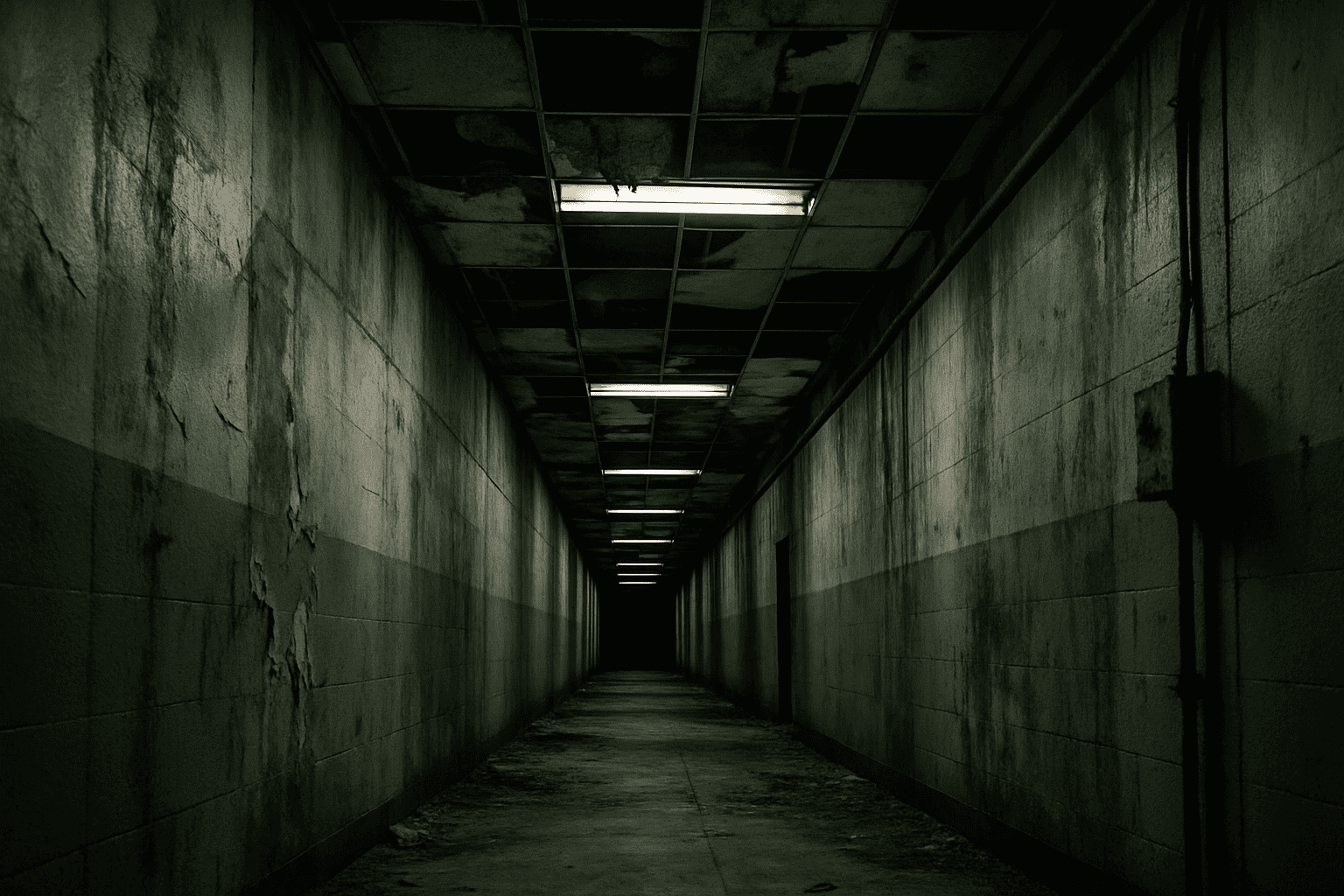
Buildings That Are Falling Apart
Many Georgia prisons were built over 50 years ago. The state did very little upkeep. Now these old buildings are failing in every way:
- Black mold grows in housing units
- Rats and mice infest the buildings
- Plumbing breaks cause raw sewage to flood living areas
- Broken windows leave people exposed to cold and heat
- Cameras don’t work in key areas
- Heating and cooling systems often fail
- Fire safety systems don’t work or aren’t enough
A Georgia Senate study group said many buildings need help right away. Kitchens fail health checks. Medical areas can’t meet the need.
One prison, Coastal State Prison, was described as “looking like a homeless encampment.” Workers and people held there call it a “human rights crisis.”
Key Takeaway: Decades of neglect left people living with mold, sewage, rats, and broken safety systems.
Too Many People, Not Enough Space
Georgia’s prisons hold far more people than they were built for. Some prisons built for about 750 people now hold 1,700 or more. That is more than double the safe limit.
Smith State Prison was built for far fewer people. It now holds about 1,500 men.
Packing this many people into old buildings makes every problem worse:
- More fights and harm
- Sickness spreads faster
- Pipes, locks, and walls break down faster
Key Takeaway: Some prisons hold more than double the people they were built for, making danger and sickness worse.
Where Are the Guards?
Georgia cannot keep enough prison guards. The numbers are alarming:
- 8 prisons have guard job openings of 70% or more
- 18 prisons have openings above 60%
- Valdosta State Prison has an 80% opening rate — only 2 out of every 10 guard jobs are filled
Valdosta also holds the highest share of people with mental health needs and gang ties. It is called one of the most dangerous prisons in the state.
At Smith State Prison, each shift needs 30 guards for about 1,500 men. Most days, only half show up. The guards who do come work 16-hour days, 5 days a week.
Tired, overworked guards cannot keep people safe. This puts both staff and people in prison at serious risk.
Key Takeaway: At some prisons, only 2 out of 10 guard jobs are filled, leaving everyone at risk.
The Governor’s $600 Million Plan
In January 2025, Governor Kemp asked for over $600 million to fix Georgia’s prisons. The plan covers 18 months:
- $458 million for the first year (FY 2025)
- $144 million for the second year (FY 2026)
- $40 million for planning new prisons
The plan would also:
- Fix cell locks across every prison
- Update cameras and alarm systems
- Hire 330 more workers
- Give guards a 4% pay raise
- Add 446 prison beds
- Build short-term housing for people during repairs
But here’s the truth: the state’s own prison chief says this work will take years past the 18-month plan. The review called these problems so bad they need “immediate help.” Years of neglect cannot be undone quickly.
Key Takeaway: The $600 million plan is a start, but the state admits repairs will take years beyond the funding period.
The Cost of Doing Nothing
Georgia spends $86.61 per person per day in prison. That adds up to $31,612 per person per year. The total prison budget for FY2026 is $1.62 billion.
But the state wasted money by not fixing things on time. Waiting to make repairs costs 3 to 5 times more than fixing things as they break. Decades of skipped upkeep created the crisis we see today.
The state chose to put off repairs. People in prison paid the price with their health and safety.
Key Takeaway: Skipping repairs for decades made the crisis worse and cost taxpayers 3 to 5 times more.
What Needs to Happen
A Georgia Senate study group made clear steps the state should take:
- Put money into fixing buildings now — not later
- Create a multi-year plan to improve all prisons
- Close the worst prisons and build new ones
- Bring in outside groups to check on prisons often
- Hire a real repair workforce — don’t rely on prison labor
These steps are a start. But more is needed. The state must also:
- Reduce how many people it locks up
- Pay guards enough to stay on the job
- Be open with families about what is happening inside
People in prison have rights. The state has a duty to keep them safe. Right now, Georgia is failing that duty.
Key Takeaway: The state must fix buildings, hire more staff, close the worst prisons, and be open with families.
Glossary
- GDC — Georgia Department of Corrections. The state agency that runs Georgia’s prisons.
- DOJ — U.S. Department of Justice. The federal agency that looked into Georgia prison conditions.
- Vacancy rate — The share of guard jobs that are empty. An 80% vacancy rate means only 2 out of 10 jobs are filled.
- Cell lock — The lock on a prison cell door. When broken, people can leave their cells at any time.
- HVAC — Heating, cooling, and air flow systems in buildings.
- ADA — Americans with Disabilities Act. A law that says buildings must be usable by people with disabilities.
- Deferred maintenance — Putting off repairs. This makes problems worse and costs more over time.
- Designed capacity — The number of people a prison was built to safely hold.
- FY — Fiscal Year. The state’s budget year.
- Modular housing — Quick-build units used as short-term housing during repairs.
Read the Source Document
Read the full research document (PDF)
This post is based on a GPS research summary. It pulls from DOJ findings, state reviews, and Georgia Senate study group reports.
Other Versions
- Version for Lawmakers — Includes policy details and budget data
- Version for Media — Includes source notes and context for reporting