Executive Summary
Georgia’s prison system is in a state of infrastructure collapse driven by decades of deferred maintenance, severe overcrowding, and critical staffing shortages. The state now faces a $600+ million emergency repair bill — a direct consequence of its failure to maintain facilities built 50+ years ago. Key findings:
- $600+ million in emergency funding requested by Governor Kemp over 18 months, with GDC Commissioner Oliver acknowledging the work will take years beyond that timeline.
- Broken cell locks throughout the system leave people unable to be secured in their cells, directly enabling violence, drug transactions, and sexual assault — a failure the DOJ identified as one of the most critical safety issues.
- 8 facilities operate with correctional officer vacancy rates of 70% or higher, including Valdosta State Prison at 80% vacancy, leaving remaining staff working 16-hour days, 5 days a week.
- Prisons designed for ~750 people now hold 1,700+, forcing the state to operate facilities at more than double their designed capacity.
- Deferred maintenance costs taxpayers 3-5x more than preventive maintenance would have cost, meaning decades of legislative inaction have multiplied the fiscal burden on Georgia taxpayers.
Key Takeaway: The state’s failure to maintain its prison infrastructure over decades has produced a $600+ million emergency crisis that endangers the lives of incarcerated people and correctional staff alike.
Fiscal Impact
Current Cost to Taxpayers
The proposed FY2026 GDC budget stands at $1.62 billion. Georgia spends $86.61 per person per day — or $31,612 annually — to incarcerate each individual. These figures do not reflect the additional emergency spending now required.
The $600M Emergency Price Tag
Governor Kemp’s infrastructure plan requests $600+ million over 18 months:
| Fiscal Year | Allocation |
|---|---|
| FY 2025 | $458 million |
| FY 2026 | $144 million |
| Prison planning/design | $40 million |
This emergency spending is a direct result of the state’s decades-long failure to invest in preventive maintenance. Deferred maintenance is estimated to cost 3-5x more than preventive maintenance — meaning Georgia taxpayers are now paying a steep premium for past legislative inaction.
Staffing Costs Within the Plan
The infrastructure plan includes a staffing component: hiring 330 additional workers and providing a 4% salary increase for correctional officers. The plan also calls for adding 446 prison beds to existing contracts and deploying modular housing units during renovations.
The Compounding Fiscal Risk
Insurance and liability costs increase as facility conditions deteriorate. Non-functional fire suppression systems, ADA compliance failures, and hazardous living conditions (raw sewage, black mold) expose the state to significant legal liability. Every year of continued inaction increases the eventual cost to taxpayers.
Key Takeaway: Decades of deferred maintenance — costing 3-5x more than prevention — have produced a $600+ million emergency bill on top of a $1.62 billion annual corrections budget.
Key Findings
Infrastructure Collapse
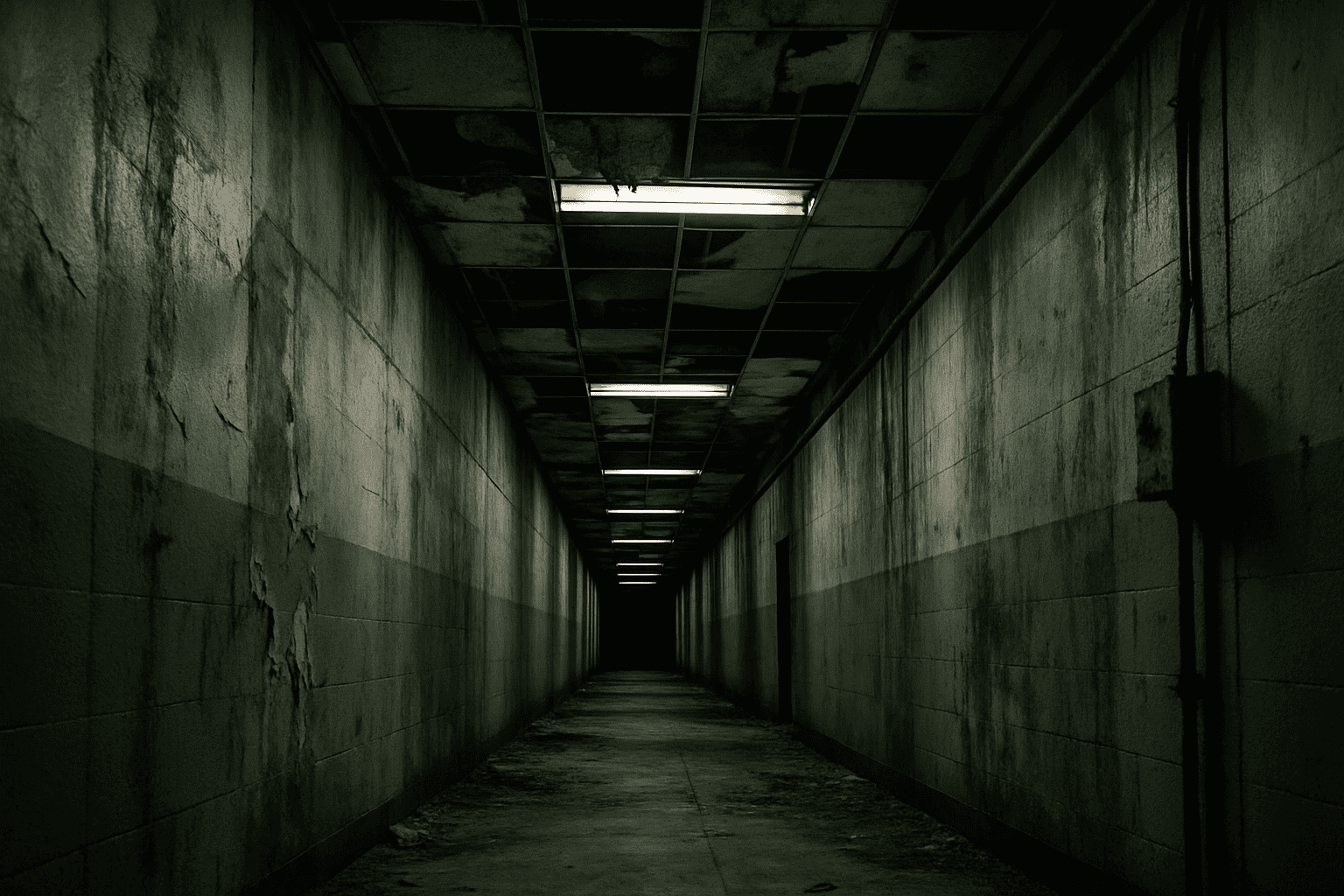
The U.S. Department of Justice found that GDC prisons are unsafe due to aging and inadequately maintained facilities. Many Georgia prisons were built 50+ years ago with minimal maintenance, resulting in cascading failures:
- Cell locks are broken throughout the system, meaning people can exit cells at will. The DOJ identified this as one of the most critical safety issues: people can move freely between cells, enabling violence, drug transactions, and sexual assault. Officers cannot secure housing units during emergencies.
- Security cameras are broken or non-functional in critical areas.
- Black mold throughout housing units.
- Plumbing failures leading to raw sewage in living areas.
- Broken windows exposing people to the elements with no repair.
- Rat and mice infestations reported across facilities.
- HVAC system failures creating health hazards.
- Fire suppression systems inadequate or non-functional.
- Kitchen and food service areas failing health standards.
Overcrowding
Facilities designed for ~750 people now hold 1,700+ individuals — more than double their designed capacity. Smith State Prison, designed for far fewer, houses approximately ~1,500 men. The state’s decision to operate facilities far beyond safe capacity exacerbates violence, disease spread, and infrastructure strain.
Staffing Crisis
The staffing crisis compounds every infrastructure failure:
- 8 facilities have correctional officer vacancy rates of 70% or higher.
- 18 prisons have vacancy rates exceeding 60%.
- Valdosta State Prison operates at an 80% correctional officer vacancy rate (April 2024) while housing the highest percentages of both gang members and mental health patients — described as one of the most dangerous facilities in the state.
- At Smith State Prison, each shift should have 30 officers for ~1,500 men. Most days, only half that number are actually present. The remaining officers are working 16-hour days, 5 days a week.
Senate Study Committee Findings (December 2024)
The committee documented buildings in severe disrepair requiring immediate attention, deferred maintenance compounding into structural failures, ADA compliance issues across most facilities, and medical facilities inadequate for growing healthcare demands. The committee recommended closing the most obsolete facilities and building modern replacements.
Human Cost
Workers and people incarcerated at Coastal State Prison describe a “human rights crisis,” with the facility described as “looking like a homeless encampment” due to crumbling infrastructure and unsanitary conditions. Broken locks leave people vulnerable to assault with no ability to secure themselves. Broken cameras ensure that violence goes unrecorded and unaccountable.
Key Takeaway: The DOJ, the Georgia Senate, and facility-level reports all document the same reality: the state has failed to maintain safe, habitable conditions for the people in its custody.
Comparable States
Data not available in source document. GPS recommends the General Assembly commission a comparative analysis of infrastructure investment and correctional officer staffing ratios across southeastern states to benchmark Georgia’s performance and identify effective models.
Policy Recommendations
Based on the evidence compiled from DOJ findings, the Governor’s emergency plan, Senate Study Committee recommendations, and facility-level data, GPS recommends the General Assembly consider the following:
Mandate Independent Facility Inspections. Implement regular third-party facility inspections — as recommended by the Senate Study Committee — with public reporting of findings. The legislature should not rely solely on GDC self-reporting to assess conditions.
Establish Binding Maintenance Standards and Funding. Create a dedicated, recurring capital maintenance fund for GDC facilities with statutory minimum investment levels, preventing future legislatures from deferring maintenance. Deferred maintenance costs 3-5x more than prevention.
Require Overcrowding Reduction. Enact legislation capping facility populations at or near designed capacity. Facilities designed for ~750 people should not hold 1,700+. The legislature should examine sentencing reform, expanded parole eligibility, and diversion programs as mechanisms to reduce the incarcerated population to sustainable levels.
Create a Dedicated Maintenance Workforce. As recommended by the Senate Study Committee, establish a professional, dedicated maintenance workforce that is not reliant on incarcerated labor. This ensures maintenance quality and continuity.
Impose Accountability for the $600M Investment. Require GDC to report quarterly to the General Assembly on infrastructure spending milestones, with specific metrics for cell lock repairs, camera functionality, HVAC restoration, and staffing levels. The Governor’s plan acknowledges the work will take years — the legislature must ensure sustained oversight.
Address the Staffing Crisis Beyond 4% Raises. With 8 facilities at 70%+ vacancy and officers working 16-hour days, 5 days a week, a 4% salary increase is insufficient. The legislature should commission a comprehensive compensation study and consider competitive pay structures, hazard pay, and improved working conditions.
Close Obsolete Facilities. Act on the Senate Study Committee recommendation to close the most obsolete facilities and build modern replacements rather than continuing to invest in structures that are 50+ years old and beyond rehabilitation.
Prioritize Life Safety Repairs. Ensure that the $600+ million allocation prioritizes fire suppression systems, cell locks, and structural integrity — the failures most likely to result in loss of life.
Key Takeaway: The legislature must move beyond emergency spending to establish structural accountability, binding maintenance standards, and population reduction strategies that prevent this crisis from recurring.
Read the Source Document
Download the full research compilation (PDF) — Link to original document will be added upon publication.
Other Versions
- Public Version — Written for the general public and directly affected families.
- Media Version — Summary with quotable findings for journalists and newsrooms.