The Price of Love: How Georgia’s Prisons Bleed Families Dry

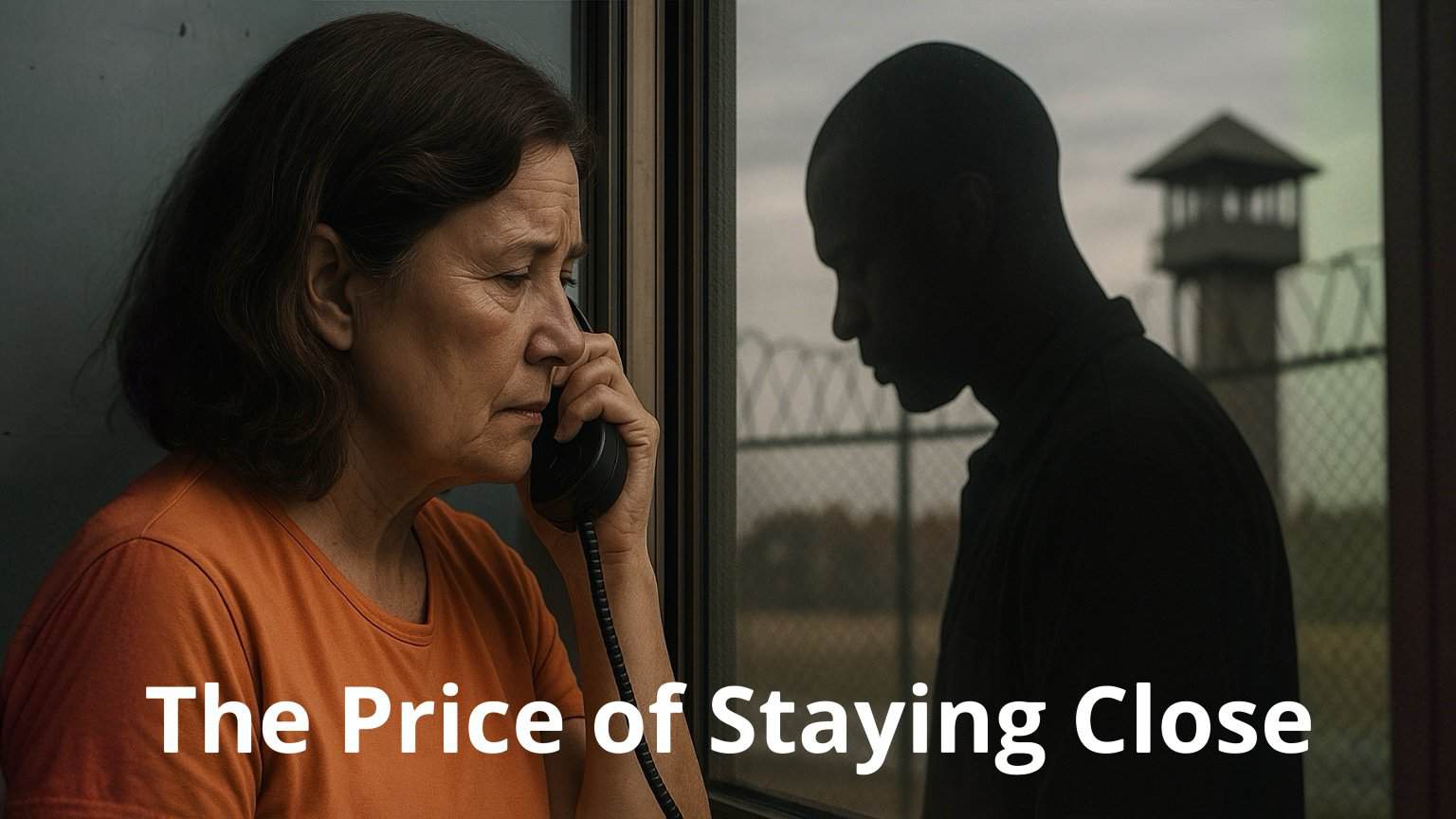
For many families in Georgia, having a loved one behind bars doesn’t mean only missing birthdays and phone calls—it means chronic financial strain. A new national study finds that families who provide direct support to incarcerated relatives spend on average 6 % of their household income each month just to cover direct costs like commissary items, hygiene products and phone calls. 
When that national figure meets the realities inside Georgia’s prison system—sky-high commissary mark‐ups, inadequate meals that force reliance on overpriced snacks—the results are devastating.

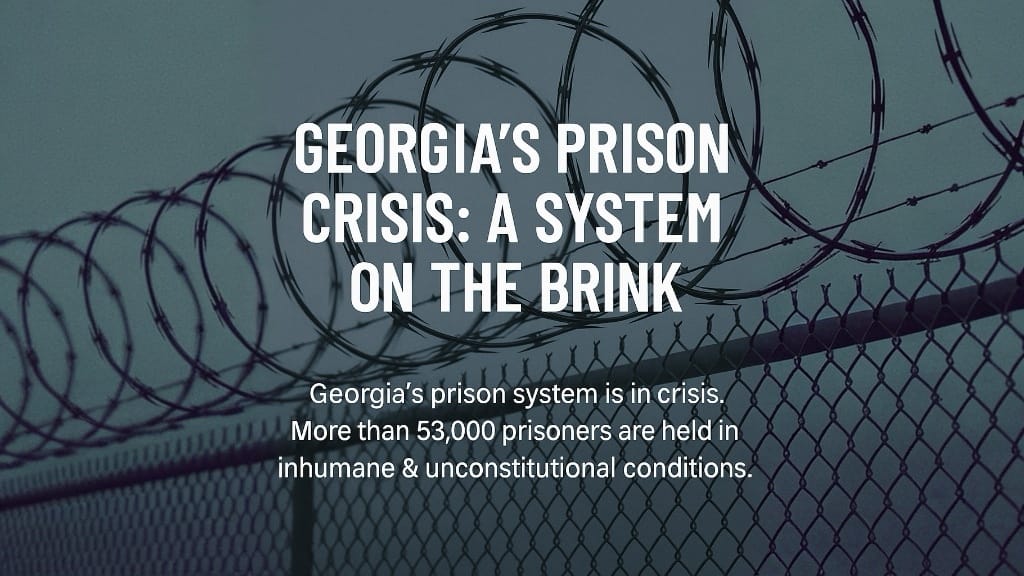
Georgia’s Prison Crisis: A System on the Brink

Georgia’s prison system is collapsing under its own weight.
More than 53,000 people are held in conditions the U.S. Department of Justice calls unconstitutional — where gangs rule, officers vanish, and human life has lost its value.

Why Families Must Fight FCC Prison Jammers Now

📢 The FCC wants to allow prison cell phone jammers. In Georgia’s understaffed prisons, phones aren’t just contraband—they’re lifelines that save lives. Families must speak NOW.

Read why and how to contact the FCC to voice your opinion

Record Every Call: How to Expose Contempt and Abuse

When Georgia families call the GDC, they’re often ignored, belittled, or cursed at — and left in the dark about whether their loved one was stabbed, hospitalized, or even died. Georgia is a one-party consent state. Record every call. Show the world how GDC treats families.

A Constitutional Betrayal: Georgia’s Deadline on Freedom

Georgia prisoners' speak about the four-year Habeas Corpus deadline in Georgia being a constitutional disaster, highlighting the hurdles in accessing law libraries and the delays that trap inmates in a maze of legal challenges.

Georgia’s habeas law is unconstitutional. It gives prisoners just 4 years to prove their innocence—while the state blocks law library access, removes books, and forces them to teach themselves legal research. Wrongful convictions often take decades to uncover. Georgia’s deadline isn’t justice—it’s a trap.

Georgia’s New Drug Crisis: The Strip Epidemic Inside State Prisons

Lighter with a burning matchstick, symbolizing the crisis of toxic prison strips in Georgia.

Inside Georgia’s prisons, inmates are inhaling toxic smoke from drug-laced paper strips soaked in synthetic chemicals and mailed in through legal documents. The Georgia Department of Corrections knows how it’s getting in—but refuses to stop it. What’s happening isn’t just a drug crisis. It’s a slow-motion mass poisoning, and GDC is complicit.

Justice at Last: Georgia Enacts Landmark Compensation Law for Wrongfully Convicted

Seeking freedom or new opportunities after incarceration, a man approaches an open prison gate at sunset, symbolizing hope and the path to reintegration.

After years of advocacy and bipartisan collaboration, Georgia takes a historic step forward with the signing of the Wrongful Conviction and Incarceration Compensation Act into law. This groundbreaking legislation offers new hope and financial justice to individuals wrongfully convicted, marking a major victory for fairness, accountability, and human dignity in Georgia’s criminal justice system.