TellMyStory
What You’re Really Paying For
The Georgia Department of Corrections isn’t interested in rehabilitation—it’s creating a cycle that guarantees more crime and more victims. Taxpayers fund a system that returns people to communities more damaged and dangerous than when they entered, ultimately victimizing the public that pays for it.
They Have Hope, So I Play My Part
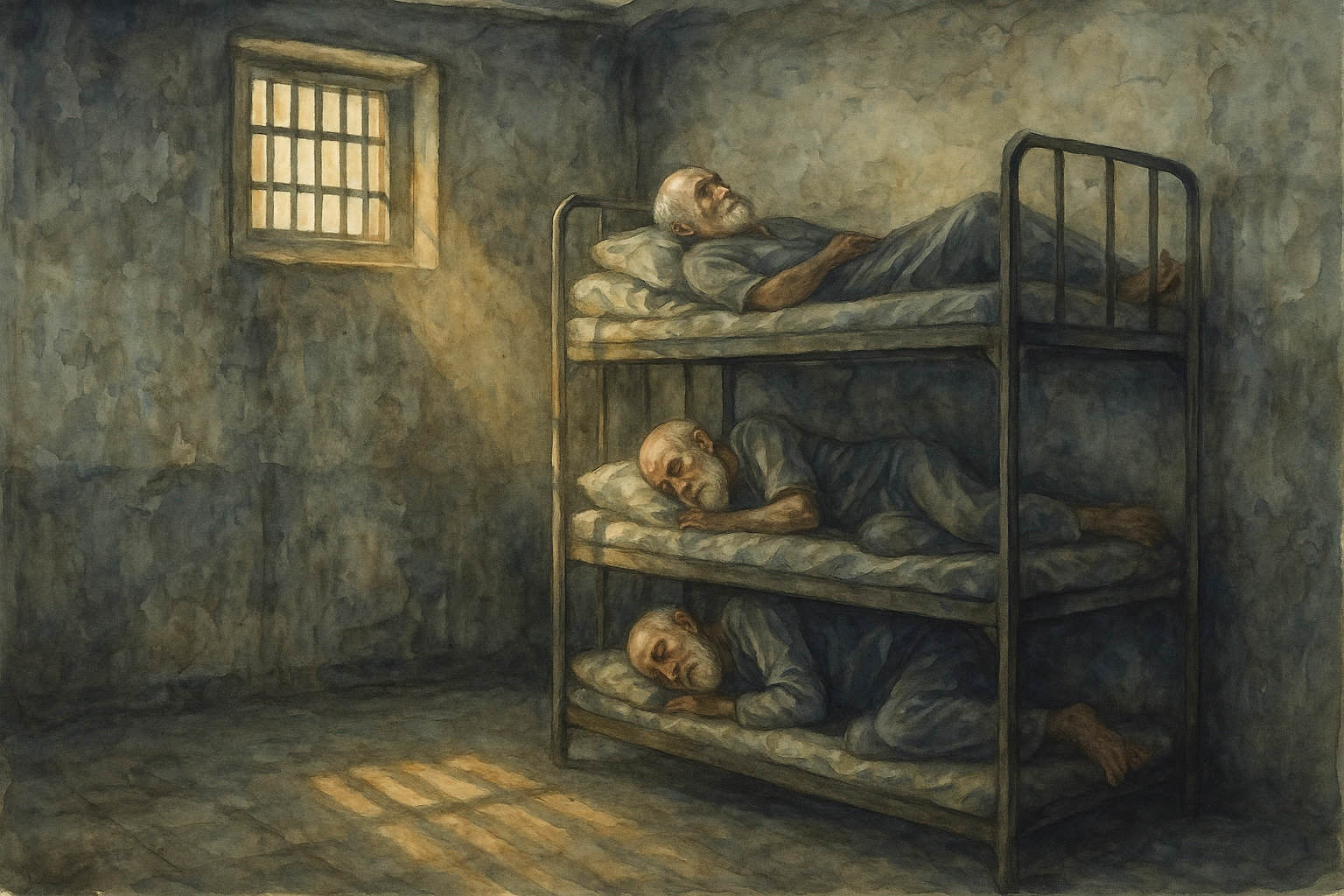
Sentenced to life in 1996, this narrator has witnessed Georgia’s prison system transform from a structured, program-rich environment to a dangerous, gang-dominated warehouse. Through budget cuts, short-staffing, and mass punishment policies, he explains why the system has become more violent—and why it’s not lifers causing the problems.
The Nature and Circumstances
Eligible for parole after seven years on a life sentence, he thought the system worked simply: serve your time, show you’ve changed, go home. Forty-one years later, he’s still waiting. This is his account of navigating Georgia’s parole system—a cycle of denials, broken promises, and punishments that feel like re-sentencing.
Time Is the Most Valuable Thing You Have
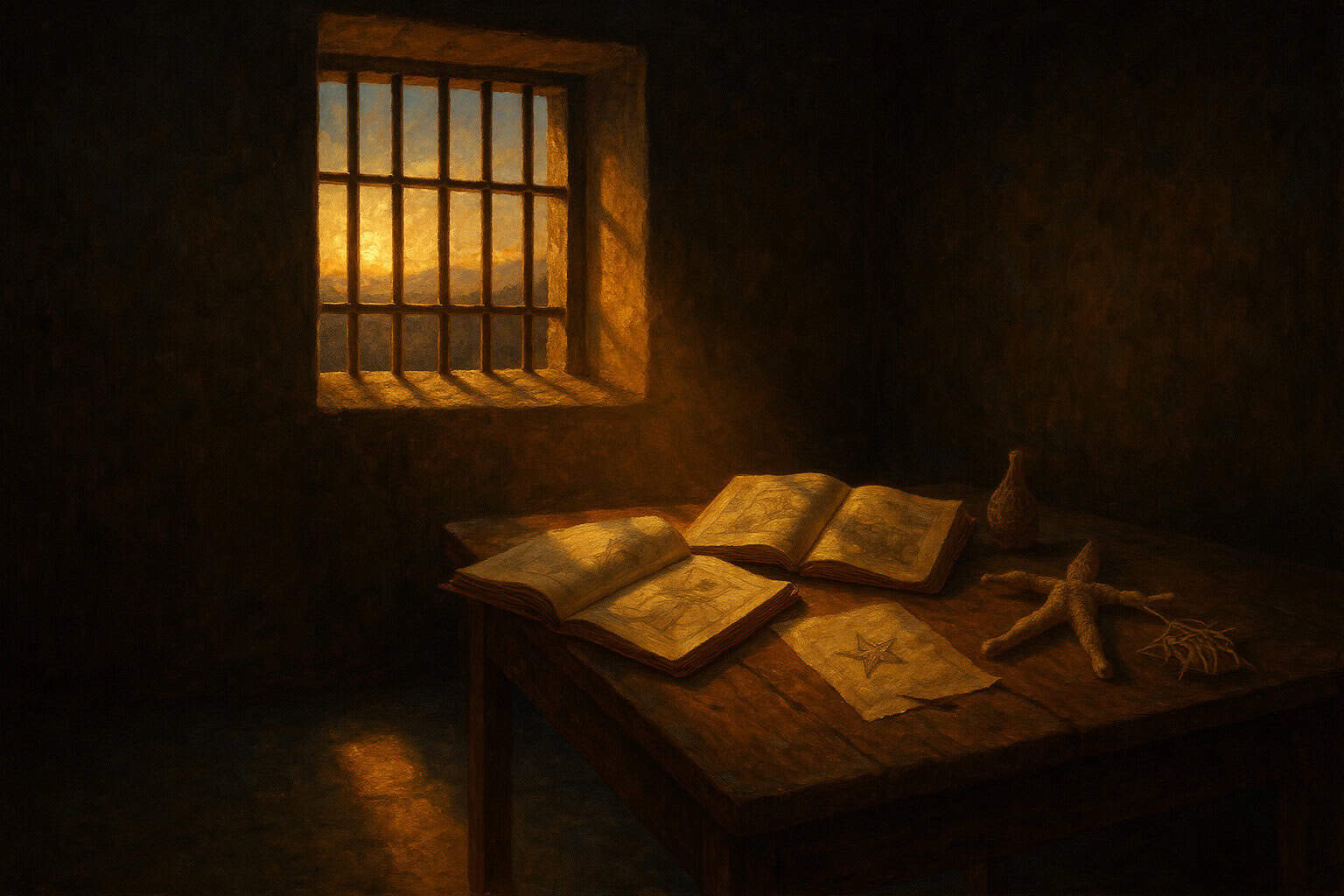
After a suicide attempt and arrest in the early 2000s, I entered Georgia’s prison system carrying self-hatred and confusion. Four years in solitary confinement became the turning point where I found faith, sobriety, and purpose—transforming isolation into a space for growth, creativity, and reconciliation.
Three Weeks with a Broken Hand
When Marcus broke his hand at Georgia State Prison, he filed sick call requests immediately. Three weeks and seven requests later, he finally saw a doctor—but by then, the bones had already set wrong. Now 34 years old with a permanently damaged hand, Marcus shares his story of medical neglect and the solidarity that keeps incarcerated people human in a system that treats them otherwise.