
A System Designed to Convict
Imagine serving a life sentence for a crime you didn’t commit. Not because you were falsely identified or because of mistaken evidence—simply because you were there. This is the story of Mario Navarrete, a U.S. Army veteran whose life was derailed by Georgia’s broken justice system.
Mario was not the killer, yet he received the same life sentence as the man who was. He was prosecuted under Georgia’s Party to a Crime law, a vague statute that allows prosecutors to charge anyone present at the scene of a crime as if they committed it themselves. The state agreed Mario did not personally commit the killing, but convicted him as a party to the crime — citing acts it said he took part in — while his defenders maintain he had no intent to harm anyone; he was sentenced to die in prison.
Mario’s story is not unique. Georgia has the highest felony conviction rate in the nation, not because its people commit more crimes, but because its system is designed to manufacture felons rather than deliver justice.

This is his story—of injustice, of transformation, and of a fight for freedom that has lasted over two decades.
The Night That Changed Everything
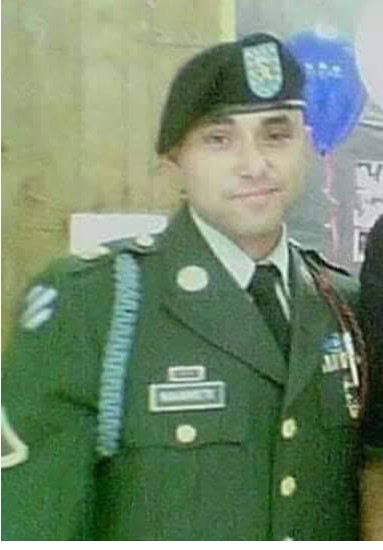
Mario was 24 years old and had served two years in the U.S. Army when his life took a devastating turn. That night, he was with a group of fellow soldiers, including Specialist Richard Davis (the victim), PFC Martinez (the killer), Sergeant Burgoyne, and Corporal Woodcoff.
At some point, an argument escalated into violence. Martinez killed Davis. In the aftermath, Burgoyne went into a store, bought lighter fluid and a lighter, and helped burn the body to cover up the crime.
Mario was present, but he did not commit the murder.
Yet, when the state prosecuted the case, it played out like this:
- Martinez, the actual killer, received life in prison.
- Burgoyne, who helped dispose of the body, served 20 years and was released in 2023.
- Woodcoff, a ranking officer, received only 5 years of probation and never spent a day in prison.
- Mario was convicted as a party to the crime — his defenders say he had no intent to kill — and sentenced to life in prison.
His conviction? Being held responsible as a party to the crime.

The Trial: How the System Buried Mario Alive
When Mario refused a plea deal—believing that his innocence would protect him—the state made an example of him.
- His attorney failed to fight against the Party to a Crime charge, leaving Mario legally defenseless.
- The prosecution admitted Mario wasn’t the killer but argued that simply being present and not reporting the crime warranted a life sentence.
- His lawyer told him he wouldn’t serve time, leading Mario to trust the system—a mistake that cost him his freedom.
The district attorney tore Mario apart on the stand, painting him as a criminal, despite there being no evidence connecting him to the murder. Mario was just a young soldier caught in a nightmare, but in Georgia, that was enough to send him away for life.
And even after conviction, the system continued to fail him. A legal team was hired to appeal his case, paid for by friends who have since passed away. But that lawyer took the money and accomplished nothing, leaving Mario with no real defense. For years, his case sat untouched, buried under legal inaction while he remained behind bars.
Years later, when no one else would fight for him, Stephanie had to file for a sentence reduction herself—because in Georgia, even justice has a price tag, and if you can’t afford it, you don’t get it.
Mario’s conviction wasn’t just unjust—it ignored fundamental legal principles that should have protected him from the start. Under basic criminal law, mens rea (Latin for “guilty mind”) is required to convict someone of a crime. In other words, a person must have knowledge or intent to participate in a crime to be held responsible for it. But in Georgia, that principle was thrown out the window.
When Mario was convicted, there was no evidence that he knew Martinez was going to kill Richard Davis. He did not participate in the murder, did not assist in covering it up, and was only prosecuted because he was present and did not report the crime. Even though mens rea should have protected him from being convicted of murder, Georgia’s overbroad Party to a Crime law allowed the state to treat him as equally guilty as the actual killer.
A decade later, in 2014, the U.S. Supreme Court issued a landmark ruling in Rosemond v. United States that further proves Mario’s conviction was wrongful. In that decision, the Court ruled that a person cannot be convicted as an accomplice unless they had advance knowledge that a crime was going to take place. This means that simply being present at the scene is not enough to justify a murder conviction.[1]
If Georgia’s courts followed the law, Mario would be eligible for relief. But despite the highest court in the country making it clear that a person must knowingly and intentionally participate in a crime to be convicted, Georgia’s Supreme Court has refused to apply this precedent. Instead, the state continues to uphold convictions like Mario’s—punishing people simply for being there, regardless of intent.
Mario wasn’t the killer. The courts knew that. The prosecutor admitted that. And yet, Georgia’s legal system decided that being in the wrong place at the wrong time was enough to send him to prison for life.
Mario’s Message: His Remorse, His Transformation
Mario has spent the past 22 years behind bars, reflecting not just on his own suffering, but on the pain of Richard Davis’s family.
To the victim’s mother, he says:
“I don’t want her to forgive me, because I wouldn’t forgive myself if I were in her shoes. If I could go back in time, I would rather have died with Richard than live knowing I couldn’t save him. If my death in prison would lessen her pain, I would accept it.”
But the night of Richard’s death wasn’t the only trauma Mario endured. His incarceration became another kind of battle—one that left scars of its own.
“When I first entered the prison system, I was diagnosed with PTSD. The trauma of that night, combined with the isolation of incarceration, forced me to become stronger. I had to learn to survive, to fight for my own sanity in a system that had already decided I was disposable.”
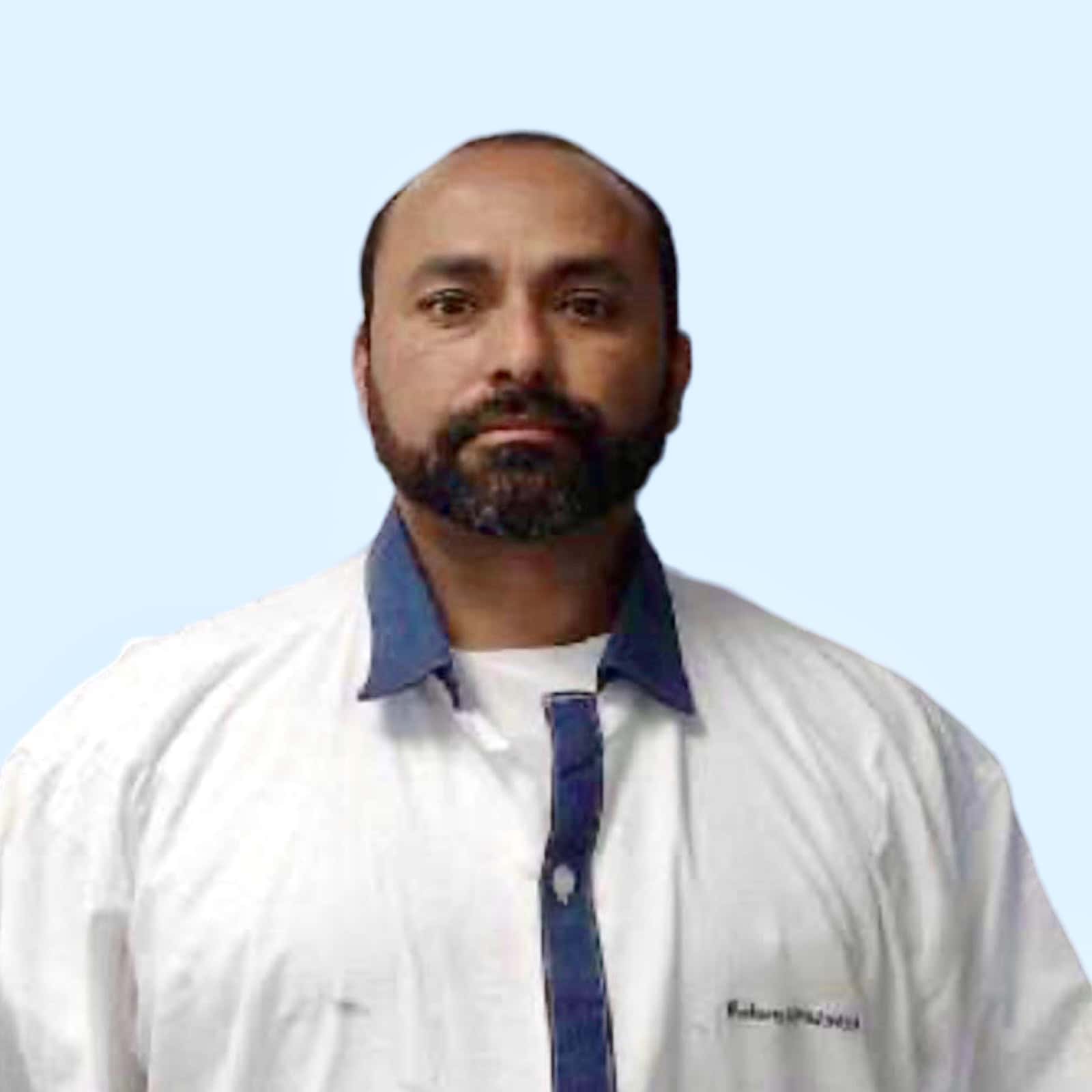
Mario has changed. The 24-year-old soldier who entered prison with no understanding of the legal system is not the man who exists today.
“I’m no longer scared or weak. I have become stronger, more disciplined, and more determined to fight for what’s right. If I ever walk free, I will dedicate my life to advocating for those who are too scared to fight back.”
Stephanie’s Fight: A Battle Against an Unjust System

Mario’s fiancée, Stephanie, has spent years fighting for his freedom.
She has endured:
- Emotional trauma, navigating life while the man she loves is trapped behind bars.
- Financial hardship, as every legal effort drains what little resources they have.
- A broken parole system, knowing Georgia rarely grants parole for murder cases, even when the conviction was unjust.
“People tell me he’s a lifer, that he’ll never come home. But I refuse to believe that. My God will bring my husband home, and until then, I will keep fighting.”
Her faith is what keeps her moving forward. Even when the legal system feels impenetrable and the odds seem stacked against them, she refuses to give in to despair.
“Even when everything feels impossible, I remind myself that God has a plan. I refuse to believe that my husband will spend his life in prison for a crime he did not commit. Until the day he walks free, I will keep fighting, because faith demands action.”
Stephanie knows the truth: Mario is not a murderer. He never should have been convicted, let alone sentenced to die in prison.
The Soldier Georgia Left Behind
Mario’s story is a case study in how Georgia’s justice system values convictions over truth.
- He was not the killer.
- He had no evidence against him.
- His lawyer failed him.
- The justice system buried him alive.
A Justice System Built to Convict, Not to Protect the Innocent
Mario is just one of thousands of people sentenced under Georgia’s overbroad, unconstitutional laws. Georgia has:
- The highest felony conviction rate in the nation—not because crime is higher, but because the system is designed to manufacture felons.
- A parole board that rarely grants release, even to those who have served decades and proven their rehabilitation.
- A justice system that punishes those who fight their charges, ensuring that the innocent often suffer the most.
Mario’s conviction is not a tragic mistake—it is the result of a deliberate, broken system that prioritizes convictions over justice.
If Mario’s story ended here, it would just be another tragic case of Georgia’s obsession with felony convictions.
But it doesn’t have to end here.
A Call to Action: Mario Deserves Freedom
You just read about people suffering in state custody. The least you can do is make sure other people read it too. Share this story.
Spread the Word — It Takes One Click
Georgia’s justice system failed Mario Navarrete, but the fight isn’t over.
- His case deserves a second look.
- His conviction deserves to be challenged.
- His sentence deserves to be overturned.
Mario is not asking for pity—he is asking for justice. His case must be heard, and Georgia’s legal system must be held accountable for its wrongful convictions.
But Mario is not the only one. Georgia’s criminal justice system and parole board continue to deny justice to thousands of people—people like Mario, who were convicted under unfair laws, and others who have served their time but remain trapped behind bars. If you find Georgia’s justice system broken and its parole system unappealing, you have the power to demand change.
How You Can Help Right Now
Step 1: Learn More
Visit GPS.press to stay informed about Georgia’s broken justice and parole systems. Knowledge is power, and we must expose these injustices to drive reform.
Step 2: Advocate with Impact Justice AI
The easiest and most effective way to demand reform is by using Impact Justice AI. This free tool helps you craft and send professional, persuasive messages to legislators, the parole board, and media outlets—ensuring your voice is heard.
Here’s how it works:
1. Go to ImpactJustice.AI
2. Choose the topic you want to advocate for:
- Fixing Georgia’s parole system
- Reforming Georgia’s criminal justice system
- Demanding case reviews for wrongful convictions
3. The AI will generate a message for you, which you can also edit. If you want to advocate directly for Mario, edit the message adding this URL: HTTPS://gps.press/buried-alive-innocent-and-sentenced-to-life-in-prison/ and the link will be included in the email.
4. Send your message to legislators, media, and officials.
5. Repeat the process frequently! Legislators need to hear about different issues, multiple times, from as many people as possible to push for real change.
Your Voice Matters
Georgia’s justice system thrives on silence. The only way it changes is if enough people demand it. The more messages lawmakers receive, the more pressure there is for reform. If enough people speak up, we can:
✅ Fix the parole system and ensure rehabilitated individuals get a second chance.
✅ Demand that Georgia follow Supreme Court precedent and stop convicting people like Mario under unconstitutional laws.
✅ Expose the injustice of wrongful convictions and overcharging.
Don’t let Georgia bury another innocent person alive in its prisons. Take action today.
Visit GPS.press to learn more and use ImpactJustice.AI to make your voice heard.
Because if we don’t fight for justice, how many more Marios will Georgia throw away?










Footnotes
[1] ↩ Back to text
Footnotes:
In the 2014 case Rosemond v. United States, the U.S. Supreme Court clarified that to convict someone of aiding and abetting a crime involving a firearm, the government must prove that the defendant had advance knowledge that a firearm would be used during the crime. This means that mere presence at the scene is insufficient for conviction; the individual must have had prior knowledge of the firearm’s involvement to be held liable.
However, the application of this precedent varies across jurisdictions. Some courts have continued to uphold convictions based on the “natural and probable consequences” doctrine, which allows for accomplice liability even without explicit proof of intent for all elements of a crime. This doctrine has been criticized for potentially conflicting with the principles established in Rosemond.
In Georgia, the courts have not uniformly applied the Rosemond decision. As a result, individuals like Mario Navarrete remain incarcerated under convictions that may not align with the Supreme Court’s clarification on accomplice liability.
Mario’s conviction, which occurred before the Rosemond decision, was based on Georgia’s broad “Party to a Crime” statute. This statute allows for individuals to be held criminally responsible for the actions of others if they are found to have intentionally aided or abetted the commission of a crime. However, the statute does not clearly define the level of intent or knowledge required, leading to broad interpretations that can result in convictions based solely on an individual’s presence at the scene of a crime.
The Rosemond decision emphasizes the necessity of proving that a defendant had advance knowledge of a crime’s specific elements, such as the use of a firearm, to establish accomplice liability. This requirement underscores the importance of intent, or “mens rea,” in criminal convictions. Mens rea refers to the mental state of a person while committing a crime, indicating whether they had the intention or knowledge of wrongdoing.
In Mario’s case, there was no evidence that he had prior knowledge of Martinez’s intent to commit murder. He did not participate in the act, nor did he assist in covering it up. His conviction was based solely on his presence at the scene and his failure to report the crime. Under the principles outlined in Rosemond, and considering the concept of mens rea, Mario’s actions do not meet the threshold for accomplice liability.
Despite this, Georgia’s legal system has not revisited Mario’s conviction in light of the Rosemond decision. The state’s reluctance to apply this precedent leaves individuals like Mario serving life sentences for crimes they did not commit, highlighting a critical need for reform in the interpretation and application of accomplice liability laws.
Mario’s ongoing incarceration underscores the importance of ensuring that legal standards, such as those established in Rosemond, are uniformly applied to prevent wrongful convictions based on insufficient evidence of intent.
The Architecture Is the Evidence
Across the 32 state prisons whose original design figures we hold, Georgia built for 15,737. They hold 34,019 — 216% of design capacity.
Dorms tripled. Cells double- and triple-bunked. Medical, kitchens, libraries — unchanged. Every facility, every design figure, every source.
See the receipts →You Have Options
Free tools to take action — the law is on your side.
Demand records from the prison system. Reach the officials who set policy. File a grievance or a complaint the right way. And for families who’ve lost someone in custody, get the records that tell the truth. Plain-language, step-by-step, and free.
Explore the GPS Toolkits →
My son is innocent. He was convicted of a crime he did not comment also. He received 80 years really such a cruel place that George’s system