Author: Juvenile lifer
I was in the worst position of my life. Tier 2. Lost 30 pounds. They put me in a room with freezing temperatures for my parole interview — the one that was supposed to determine my future after 27 years. But that wasn’t even the hardest part. My sister Stankbug had just died, and I couldn’t attend her funeral. Mental stress doesn’t even begin to cover it. I was fighting for freedom, fighting to be removed off tier, and carrying the weight of losing someone I was really close with.
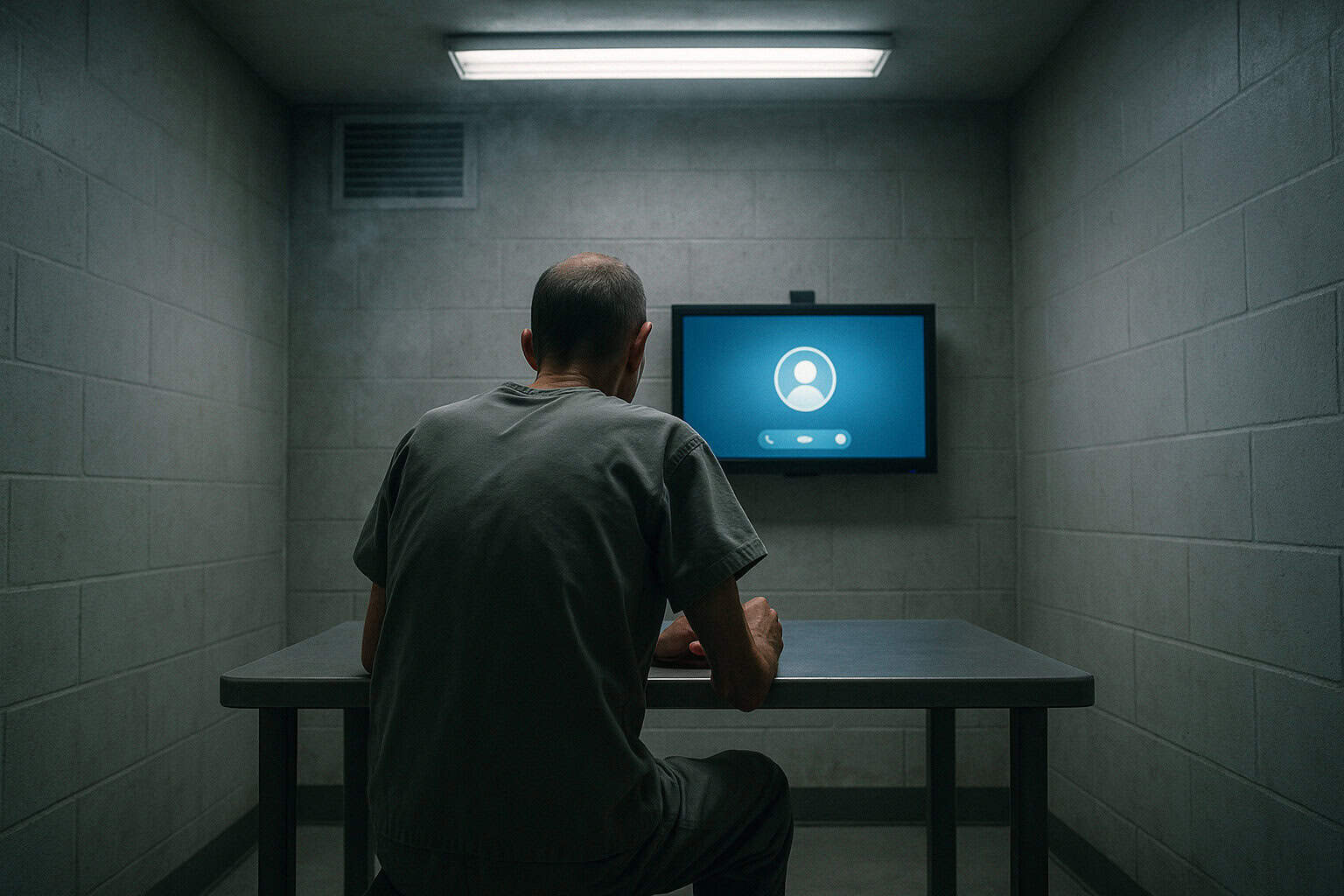
The interview was conducted by telecommunications. Me in one room, the investigator in a different location on a TV screen. They never asked about my well-being or my family members. Just the standard questions: What was I doing on the tier? Did I have a detail? How did I feel about the crime after all these years? Anything else I’d like to comment on?
I can’t even recall some of the things I said. My mental state was that bad.
Three years and five months later, they set me off. Nature of crime, they said. That’s it. Just those words.
The crime happened when I was 15 years old. I’m 42 now. I was a boy at 15, and now I’m a man. At 15, I didn’t understand the dynamics of life. I came from a poor household where you never knew when the next meal would be. After experiencing that struggle coming up, I understand what it’s like not to have or go without the necessities of life. But it’s more than that. I overstand now — for every action there’s a reaction. That’s something I couldn’t have grasped back then, not in the way I do now. It took time and maturity. Development of the mind.
At my parole interview, I don’t know if I was able to express any of that growth. I can’t really say. And then they set me off for three and a half years based on the nature of the crime from when I was 15.
Here’s what gets me: I’ve witnessed guys that are older who committed the same exact crime as a juvenile but make parole quicker. Over and over again. It’s more like a profit scheme to me. You can hold the youth longer than the adult cause the youth can do more years while the average adult can do less. In Georgia, it’s triple bunks in several prisons. When I came to prison in 2000, it was two-man rooms with vocational trades available to all with a high school diploma or GED. Now very few prisons allow vocational classes, and the majority of them are overcrowded and understaffed. Three people assigned to one room that’s originally designated to house two. That’s what I mean by triple bunks. They’re packing more people in to get more money per room.
Very frustrating. No personal time. Violence occurs. I’ve been in a few fights about room conditions, and I see where inmates are put out the room to sleep in the common area. Not all violence is reported, but when it is, they have a system for disciplinary reports. Those reports follow you — they can affect your tier status, your parole chances, all of it.
At the time of my parole meeting, I was five years disciplinary report free with only one in the past 13 years. To me, none of that mattered. They still went straight to the nature of the crime. I really was disappointed. Disappointed at the system for not getting an opportunity to show I’ve rehabilitated and I’m ready for society.
If I walked out tomorrow, I’d kiss the ground, cry, rejoice. And then I’d get to work as a motivational speaker so others don’t end up like me. I been where you trying to go, and it’s not worth it. That’s what I’d tell them — kids who are hanging with the wrong crowd, who’s missing that mentor or just not having someone to support them. I really did what I wanted at 15. Just made the worst decision of my life when I took another human life.
First thing I had to do was stop blaming others and a crooked system. I realized it was my decision that led me here. Now it’s on me to get out of here by doing what the law requires. As I grew, I came to realize it’s my actions that can cause happiness as well as sadness. So I put my actions for the betterment of mankind.
Inside, that looks like stopping unnecessary violence, speaking with gang members, helping with tasks around the prison. When I say speaking with gang members, I’m just trying to keep their mind in the right place. Don’t dwell on the negativity but focus on what you can do to be a better person. I’m certified, so they listen and strive to do better. Certified meaning I’m street — I know what it’s like to walk your shoes. Most definitely they ain’t trying to talk with someone who’s not like them or hasn’t experienced any hardships.
I do have a pathfinder certificate. It’s a mentorship program for those who have completed the lifer program. The lifer program is a class for lifers. We greet and share our personal experience once a week. We also talk about what can be done to better our situation. All of it — people talk about their cases, their growth, the conditions, what they’re struggling with, what they’ve learned. I’m usually the only juvenile lifer in class, so it’s very different for me. But at the end of the day, we’re all incarcerated.
What I’m saying is that when a person serving a life sentence is up for parole, the parole board members should know that the individual they are reviewing was a juvenile when they committed their crime. Because juvenile brains haven’t fully developed as opposed to someone 25 and older. They should be weighing that — looking at who this person has become as their brain finished developing, as they matured into an adult behind bars.
But knowing someone was a juvenile isn’t enough by itself. More interactions with staff and more classes — that’s what needs to change. Counselors, case managers, detail officers, etc. Regular, meaningful contact with people who see you day-to-day, who can speak to your character, your growth, your reliability. Not just a one-time interview on a screen when you’re going through the worst moment of your life.
Right now, I’m not able to stay at one prison long enough to build those types of relationships. Just the way of the system. They move you around, and it doesn’t matter that it prevents you from building the exact relationships that could help your parole case. The vocational programs are mostly gone. You can’t build rapport with staff because you’re getting transferred. And when the board looks at your case, all they see is “nature of crime” from when you were 15.
It feels like the system is set up in a way that makes it almost impossible for a juvenile lifer to actually demonstrate rehabilitation, even when you’re doing the work. The pathfinder certificate, mentoring gang members, staying disciplinary-free for years — none of it seems to matter.
But I keep going. I feel that after someone has spent decades in incarceration, they need time to adjust to society. All juvenile lifers should be placed in a transitional center for at least eight months prior to their release. Give us a chance to show we’ve changed, to prepare for the world we left behind when we were children.
Let the truth shine in even darkness. That’s all I’m asking for.
You just read about people suffering in state custody. The least you can do is make sure other people read it too. Share this story.