Decarceration as a Solution to Georgia’s Prison Crisis
Georgia’s prisons are overcrowded, violent, and costly—but the solution could be simpler than you think. Thousands of elderly and long-term inmates remain behind bars, despite overwhelming evidence they pose little risk. Could releasing these prisoners save taxpayer money, improve safety, and humanize a broken system? Explore how decarceration has successfully transformed other states and countries—and why Georgia should follow their lead.
Help spread the word — here's how:
- Scroll down to Copy a Caption and hit Copy on the one you want
- Scroll back up and click the Share on Facebook button for your favorite quote image
- On Facebook, paste the caption into your post — or write your own


Copy a Caption
Twitter/X
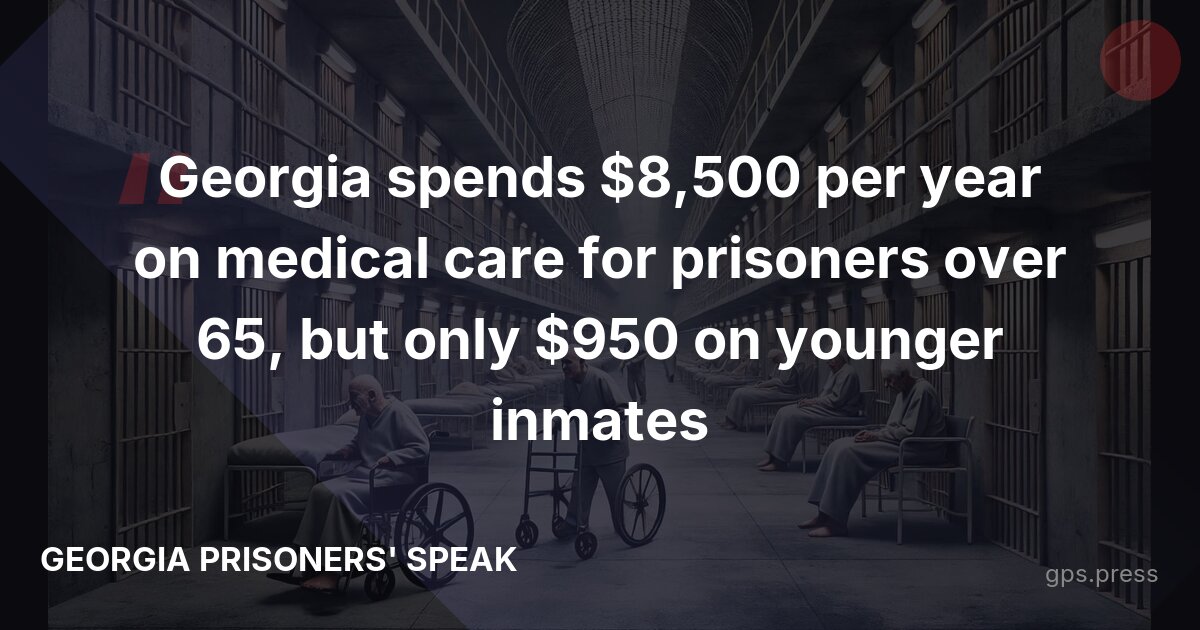
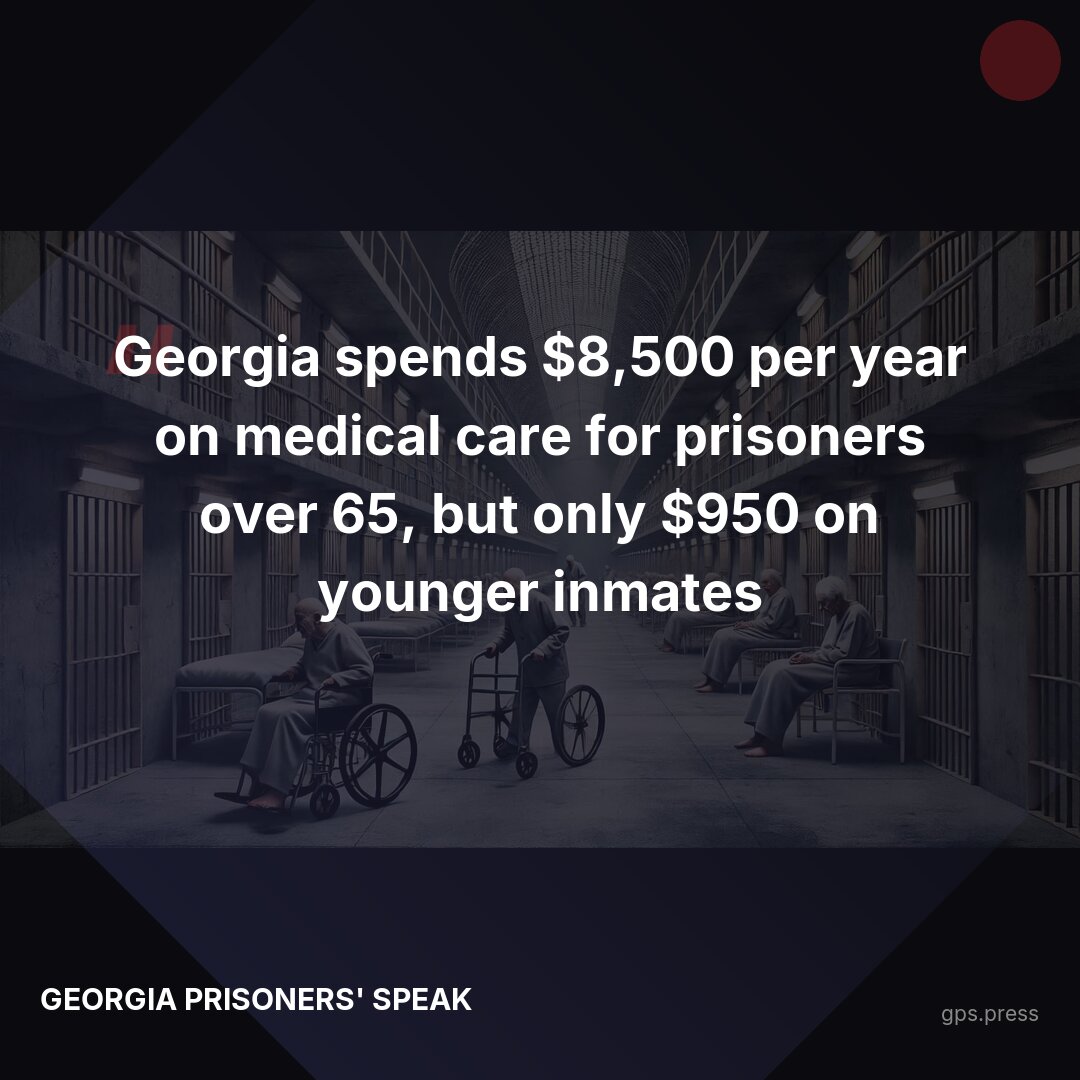
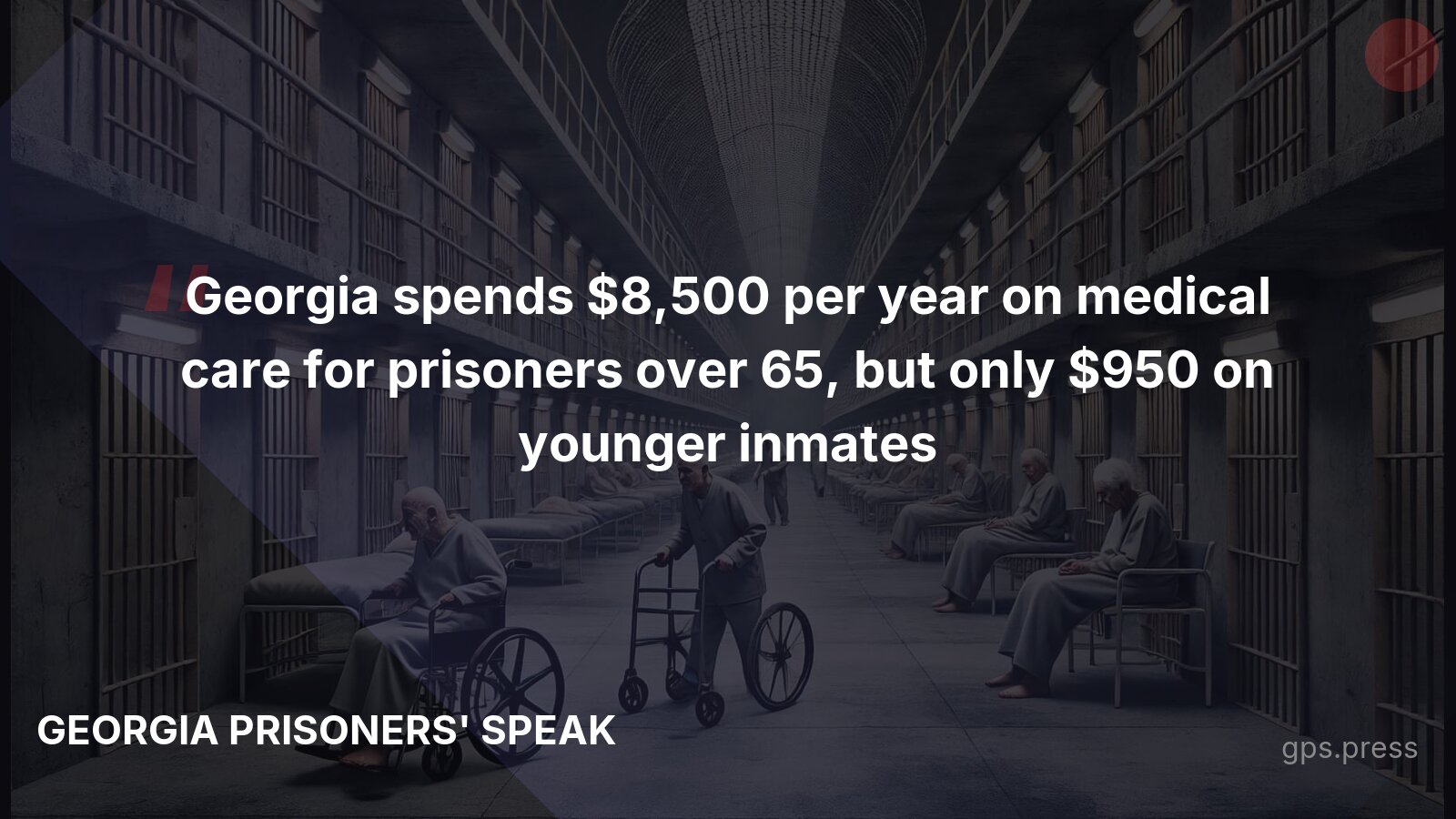
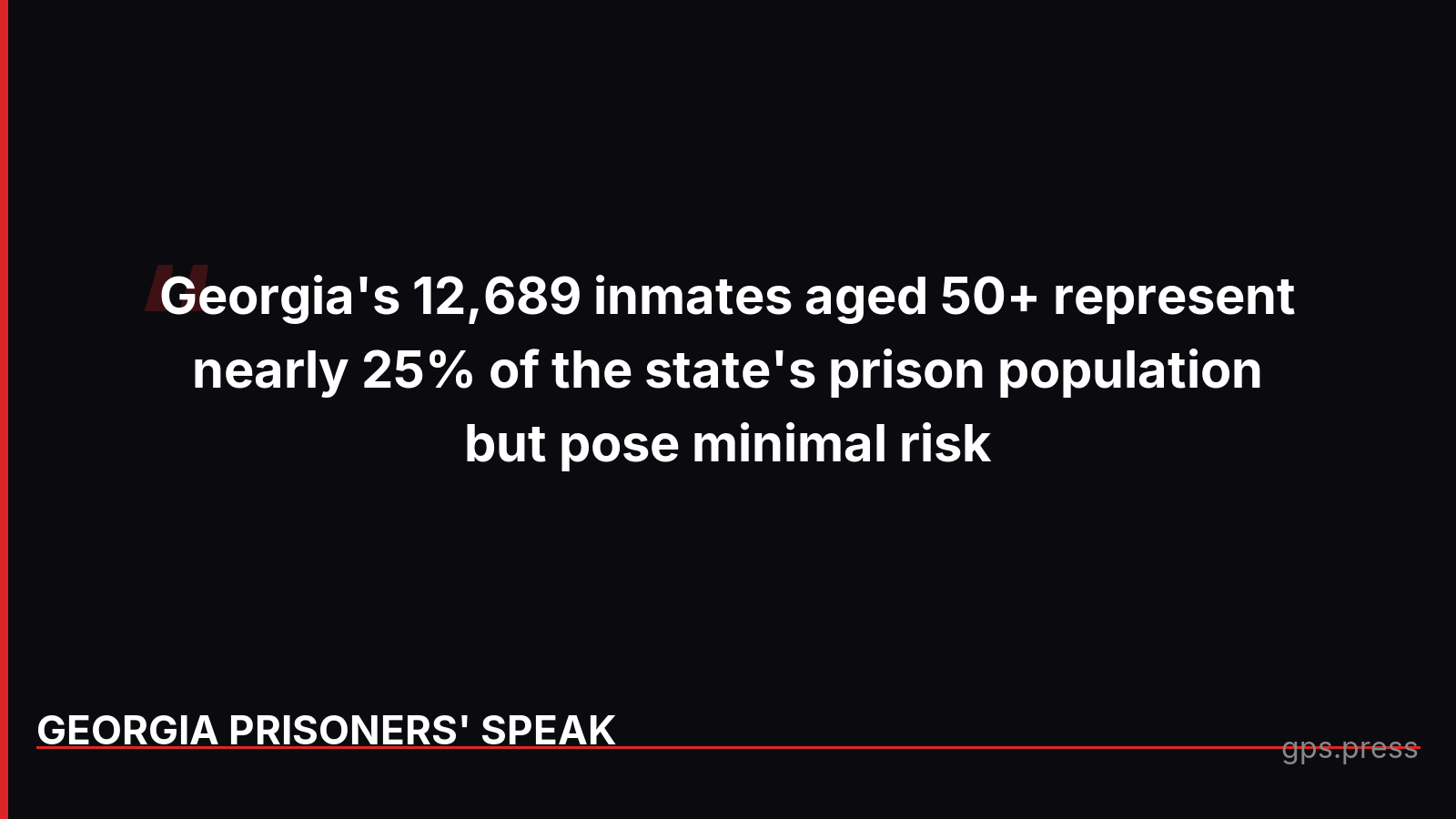
Georgia spends $8,500 per year on medical care for prisoners over 65, but only $950 on younger inmates. These 12,689 inmates aged 50+ represent nearly 25% of the prison population but pose minimal recidivism risk. https://gps.press/decarceration-as-a-solution-to-geor...
Facebook
Georgia is spending nearly nine times more on medical care for elderly prisoners than younger inmates - $8,500 versus $950 annually. With 12,689 inmates aged 50 and older representing nearly 25% of the state's prison population, these costs are ballooning while research shows older inmates rarely reoffend upon release.
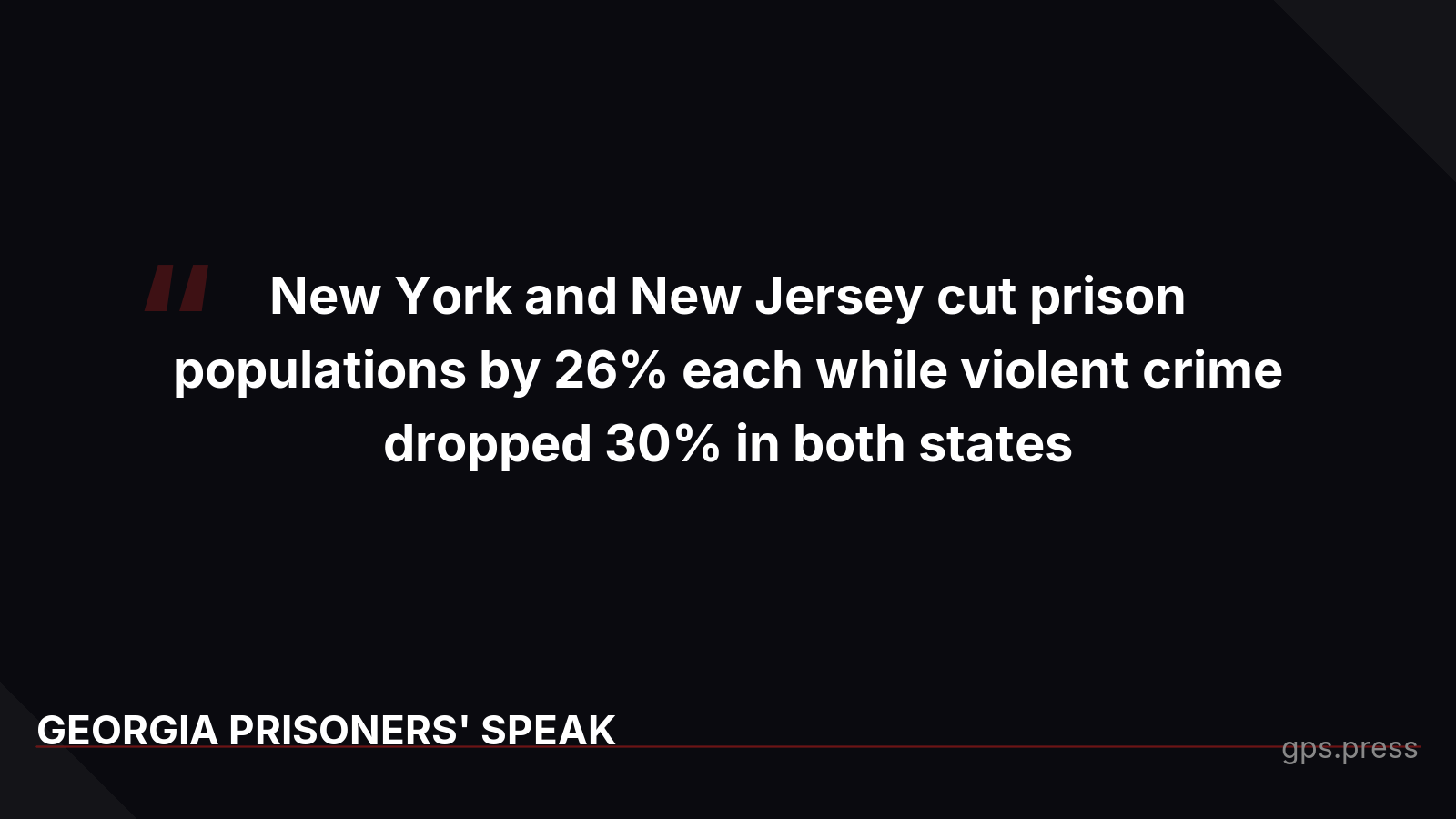
Meanwhile, states like New York and New Jersey cut their prison populations by 26% each while seeing violent crime drop 30% - proving that smart decarceration can improve both public safety and fiscal responsibility. What's preventing Georgia from following their lead?
Instagram
Georgia spends $8,500 per year on medical care for each prisoner over 65, compared to just $950 for younger inmates. With nearly 25% of the state's 50,000 prisoners now aged 50 or older, these costs are exploding while research consistently shows elderly inmates pose minimal risk to public safety upon release. States that have embraced strategic decarceration have seen crime rates drop alongside prison populations.
#GeorgiaPrisons #PrisonReform #CriminalJustice #GPS #MassIncarceration #Georgia
LinkedIn
Georgia faces a critical decision about its aging prison population. The state now spends $8,500 annually on medical care for each prisoner over 65, compared to $950 for younger inmates, while housing 12,689 inmates aged 50 and older - nearly 25% of its total prison population.
The evidence from other states is compelling: New York and New Jersey each reduced prison populations by 26% while violent crime dropped 30% in both states. California's decarceration saved over $800 million that was reinvested in education and community programs. These examples demonstrate that strategic population reduction, focused on elderly and long-serving inmates who pose minimal recidivism risk, can simultaneously improve public safety outcomes and fiscal responsibility.