Every Door Locked: Innocent People Trapped in Georgia Prisons
Explore the troubling story of wrongful convictions in Georgia through Mario Navarrete's case, highlighting legal failures and injustices.
Help spread the word — here's how:
- Scroll down to Copy a Caption and hit Copy on the one you want
- Scroll back up and click the Share on Facebook button for your favorite quote image
- On Facebook, paste the caption into your post — or write your own

Copy a Caption
Twitter/X
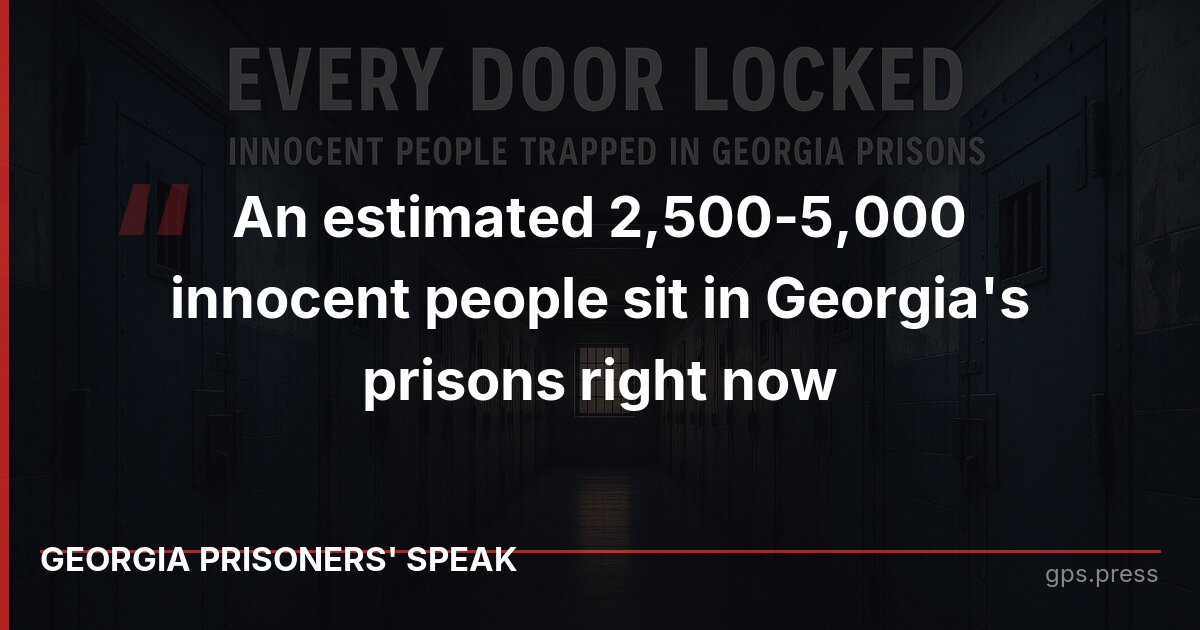
An estimated 2,500-5,000 innocent people sit in Georgia's prisons right now, trapped by a system that eliminated nearly every mechanism for correcting its own mistakes.
https://gps.press/every-door-locked-innocent-people-trapped-in-georgia-prisons/
Facebook
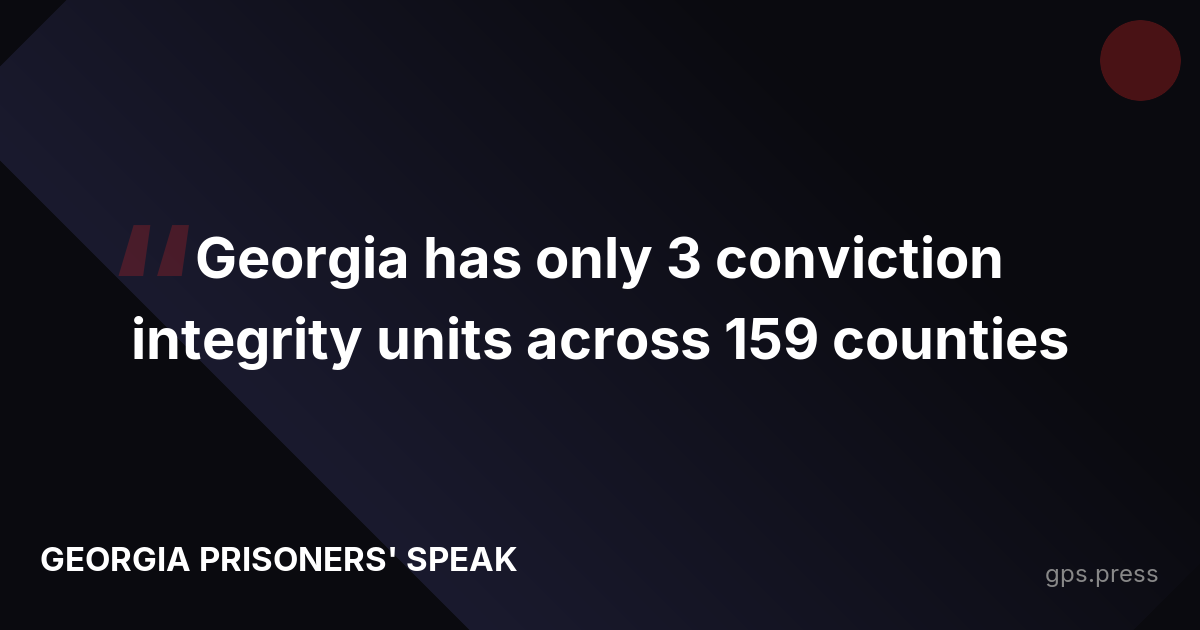
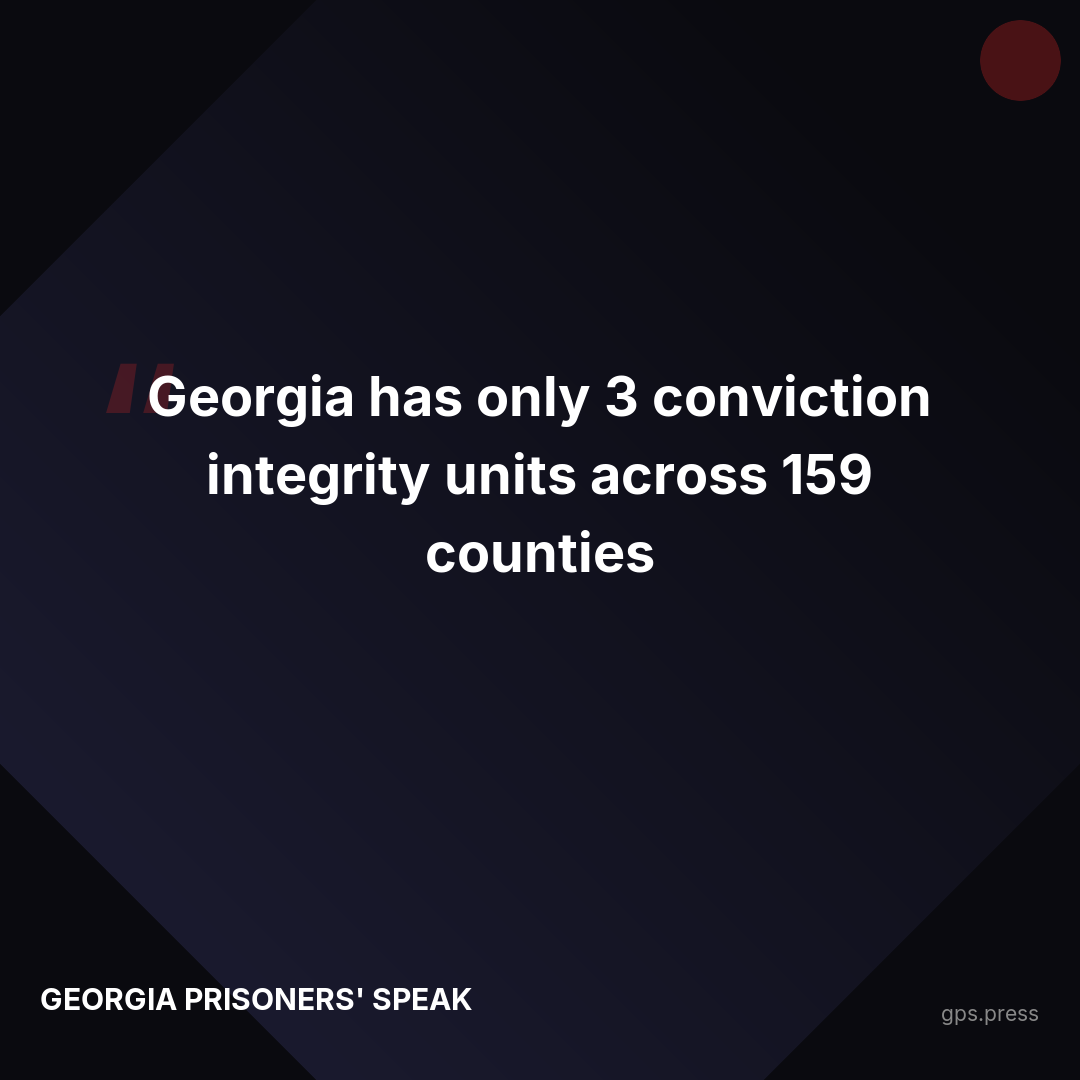
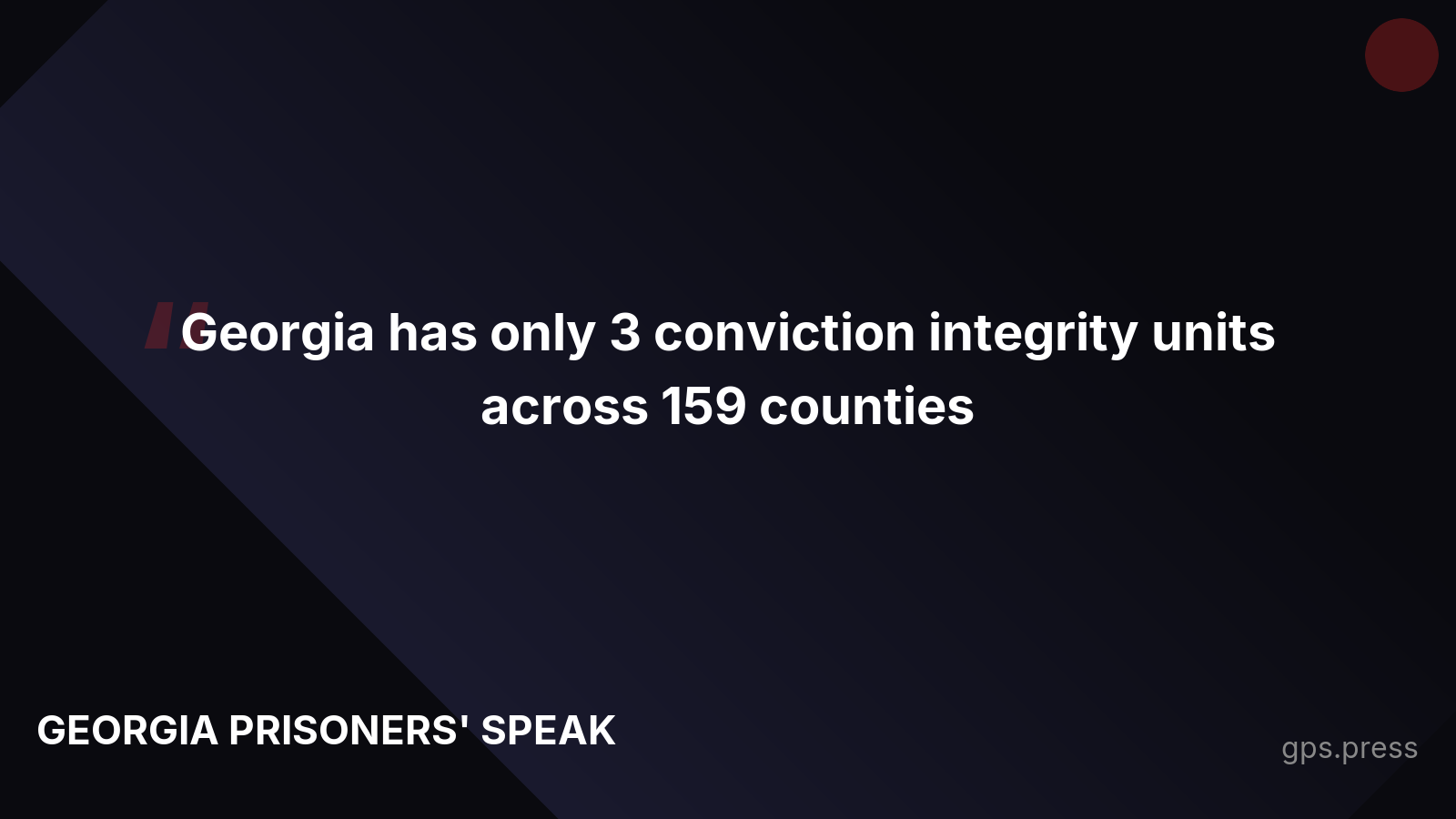
Georgia holds an estimated 2,500-5,000 innocent people in its prisons, but the state has systematically eliminated nearly every mechanism for correcting wrongful convictions. The 2004 legislature imposed a four-year deadline on habeas corpus petitions - ending an 830-year tradition of unlimited review. Only 3 of Georgia's 159 counties have conviction integrity units.
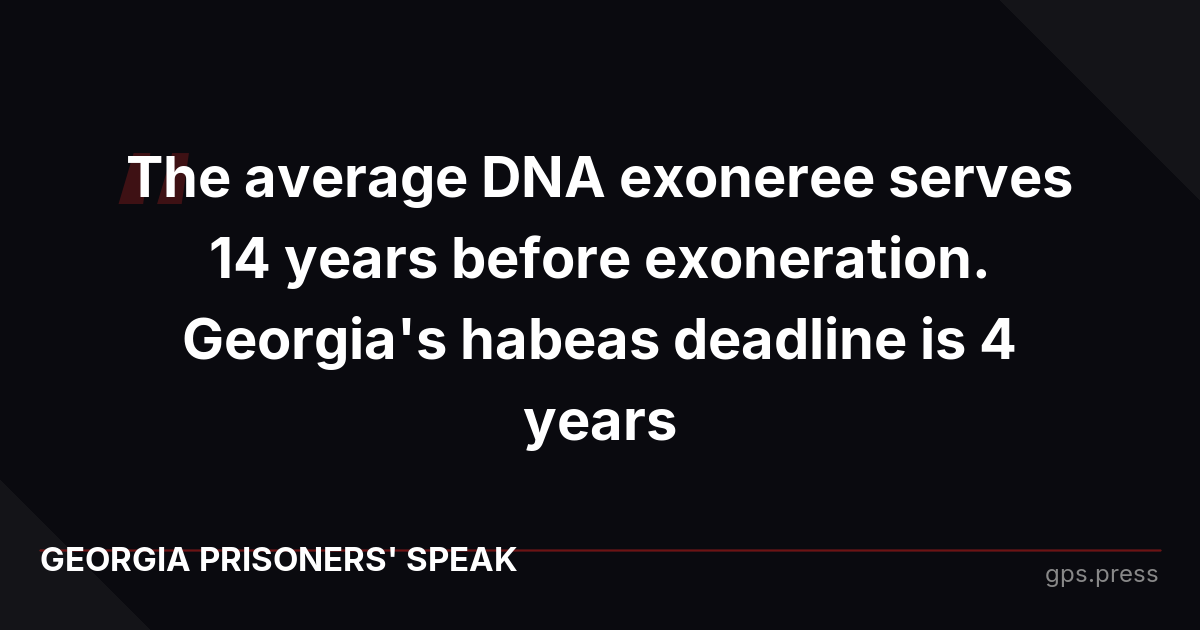
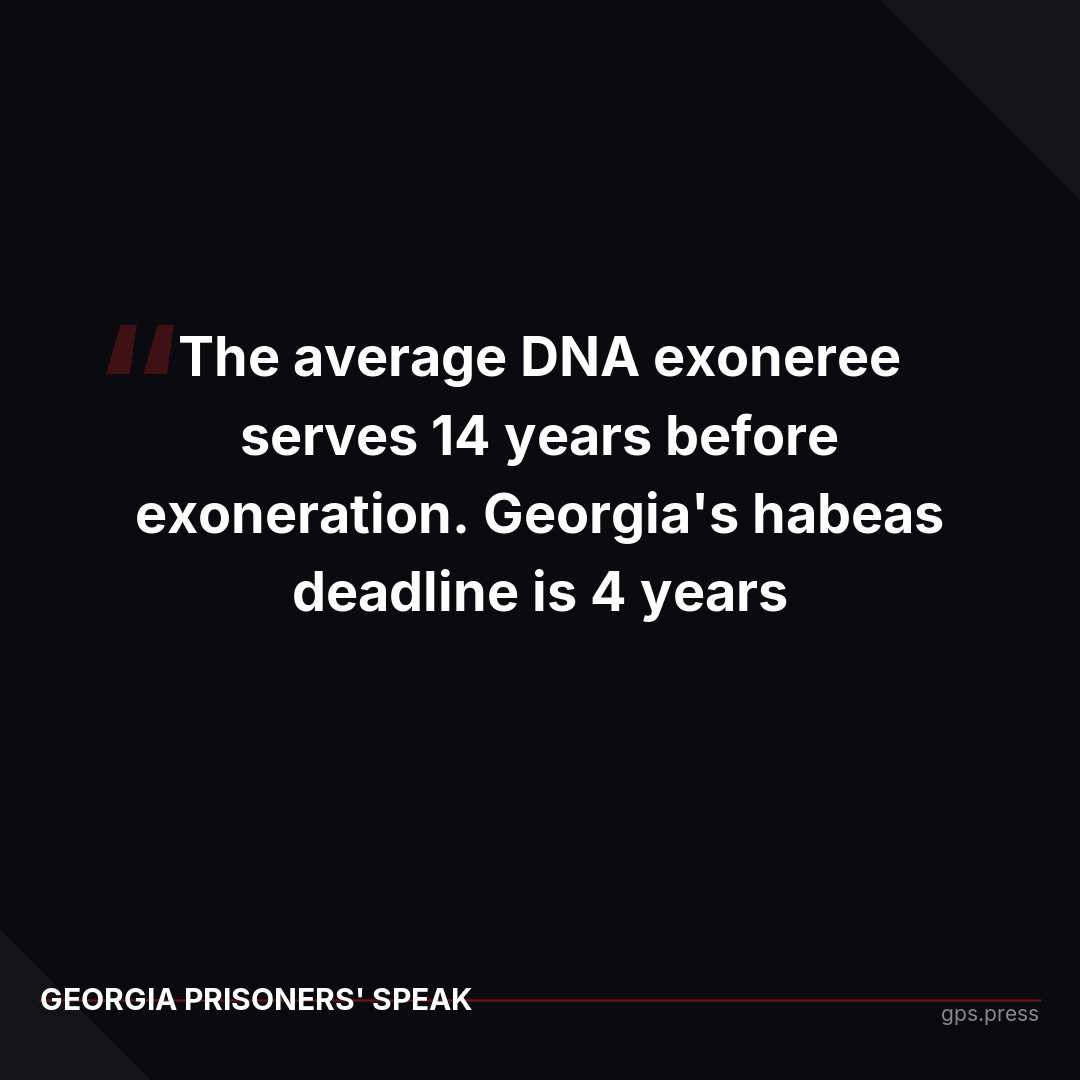
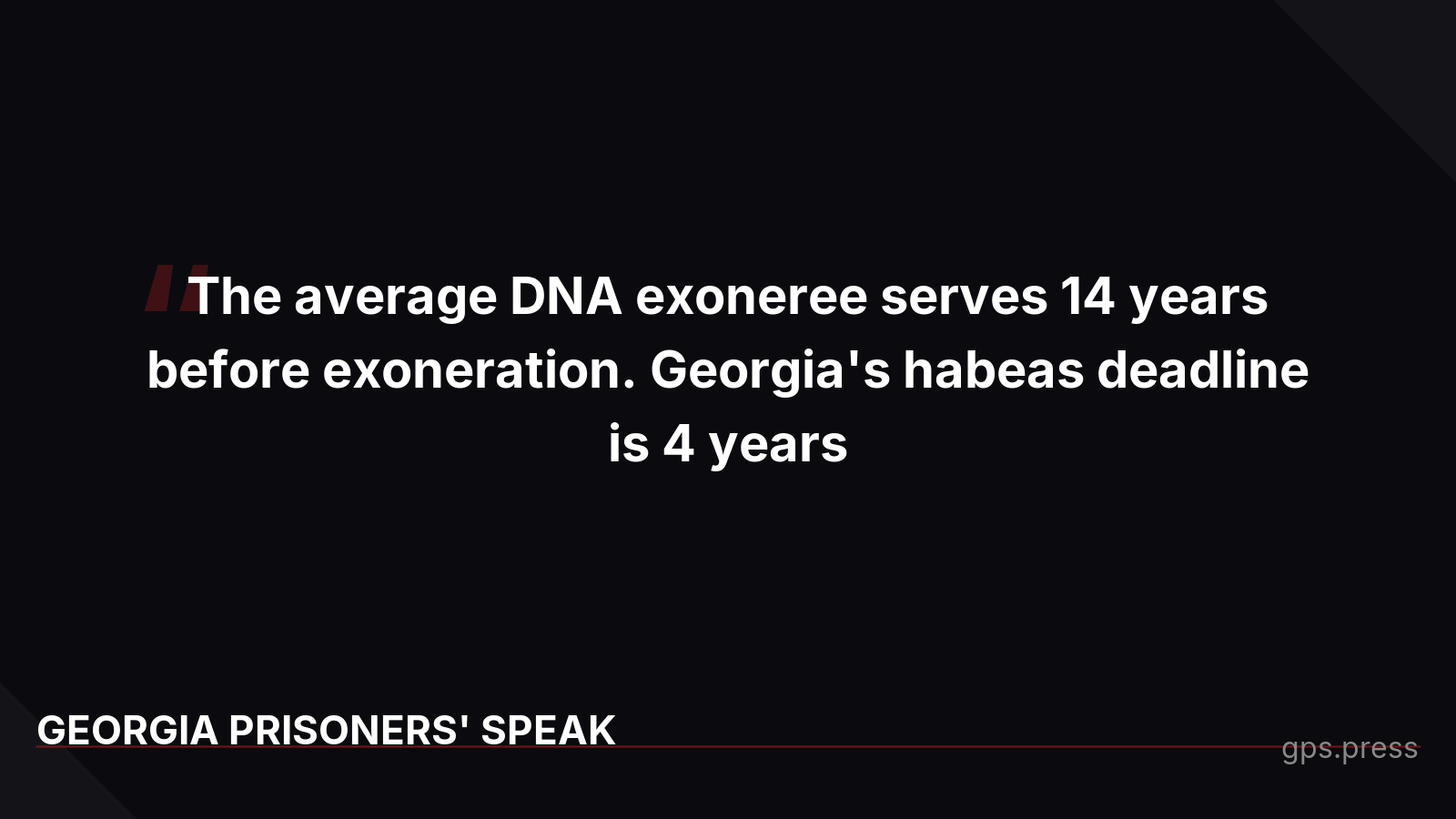
The average DNA exoneree nationally serves 14 years before proving innocence. Georgia's deadline is four years. Most innocence claims are extinguished before the evidence to prove them even exists. When the possibility of justice has an expiration date, how many innocent people will die in prison?
https://gps.press/every-door-locked-innocent-people-trapped-in-georgia-prisons/
Instagram
Georgia holds an estimated 2,500-5,000 innocent people in its prisons right now. The state has systematically eliminated nearly every mechanism for correcting wrongful convictions through a four-year habeas corpus deadline that ends 830 years of unlimited review, only 3 conviction integrity units across 159 counties, and procedural traps that permanently bar even meritorious claims. The average DNA exoneree serves 14 years before proving innocence. Georgia's deadline is four years.
#GeorgiaPrisons #PrisonReform #CriminalJustice #GPS #MassIncarceration #Georgia
LinkedIn
New GPS investigation reveals that Georgia holds an estimated 2,500-5,000 innocent people in its prisons, trapped by legal architecture designed to prevent correction of wrongful convictions. The 2004 Georgia General Assembly imposed a four-year statute of limitations on habeas corpus petitions, ending an 830-year tradition of unlimited post-conviction review. Only 3 of Georgia's 159 counties have conviction integrity units.
The consequences are measurable: the average DNA exoneree nationally serves 14 years before proving innocence, but Georgia's habeas deadline is four years. Most innocence claims are permanently extinguished before the evidence needed to prove them even exists. Georgia can fix this through legislative action, just as it recently passed comprehensive survivor justice legislation with bipartisan support.
https://gps.press/every-door-locked-innocent-people-trapped-in-georgia-prisons/