Georgia Supreme Court Opens Door for Prisoners to Challenge Convictions Based on Outdated Science
Explore Georgia's extraordinary motion for new trial ruling, allowing evolving scientific evidence in legal cases.
Help spread the word — here's how:
- Scroll down to Copy a Caption and hit Copy on the one you want
- Scroll back up and click the Share on Facebook button for your favorite quote image
- On Facebook, paste the caption into your post — or write your own


Copy a Caption
Twitter/X
Georgia Supreme Court corrected trial courts twice in three years on the same case, signaling serious judicial concern about how evolving forensic science claims are being evaluated. https://gps.press/georgia-supreme-court-opens-door-for-prisoners-to-challenge-convic...
Facebook
The Georgia Supreme Court unanimously ruled that expert testimony based on evolving scientific understanding can constitute newly discovered evidence for new trials. This landmark decision corrects trial courts twice in three years on the same case, signaling serious judicial concern about how forensic science claims are evaluated. The ruling opens doors for prisoners convicted on shaken baby syndrome diagnoses, bite mark analysis, outdated arson science, and other discredited methods.
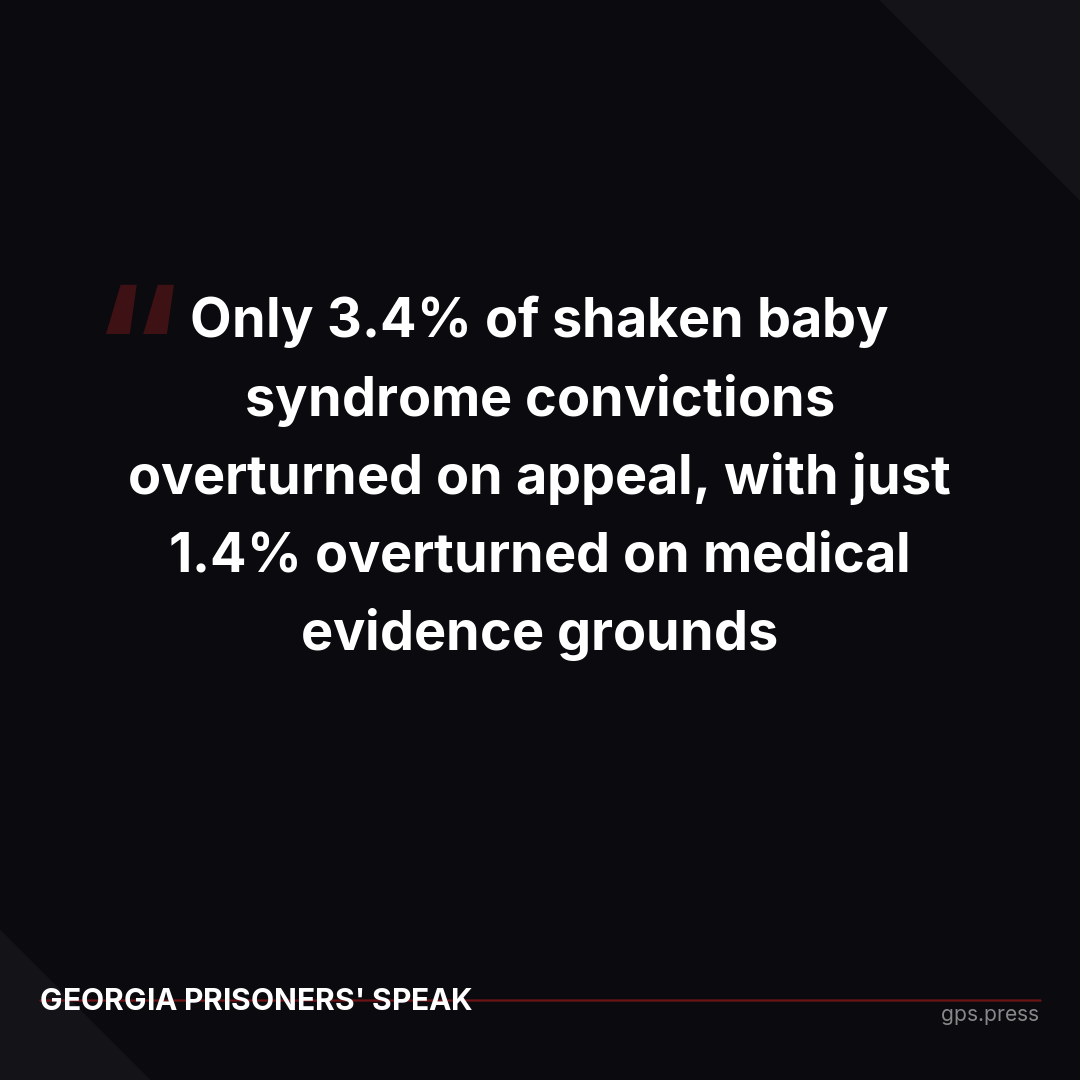
Yet success remains difficult—only 3.4% of shaken baby syndrome convictions are overturned on appeal. Georgia provides no systematic review of potentially affected cases, leaving thousands of prisoners to navigate this complex process alone. How many innocent people remain imprisoned on outdated science? https://gps.press/georgia-supreme-court-opens-door-for-prisoners-to-challenge-convictions-based-on-outdated-science/
Instagram
Georgia's Supreme Court unanimously ruled that evolving scientific understanding can justify new trials—even when analyzing the same evidence from original trials. The decision corrected trial courts twice in three years, signaling serious judicial concern about forensic science evaluation. While this opens doors for prisoners convicted on discredited methods like shaken baby syndrome and bite mark analysis, success remains rare. Only 3.4% of such convictions are overturned on appeal, and Georgia provides no systematic review of potentially affected cases.
#GeorgiaPrisons #PrisonReform #CriminalJustice #GPS #MassIncarceration #Georgia
LinkedIn
Georgia's Supreme Court delivered a unanimous ruling that expert testimony based on evolving scientific understanding can constitute newly discovered evidence justifying new trials. This landmark decision in Smith v. State represents the court correcting trial courts twice in three years on the same case, demonstrating serious judicial concern about forensic science evaluation in criminal proceedings.
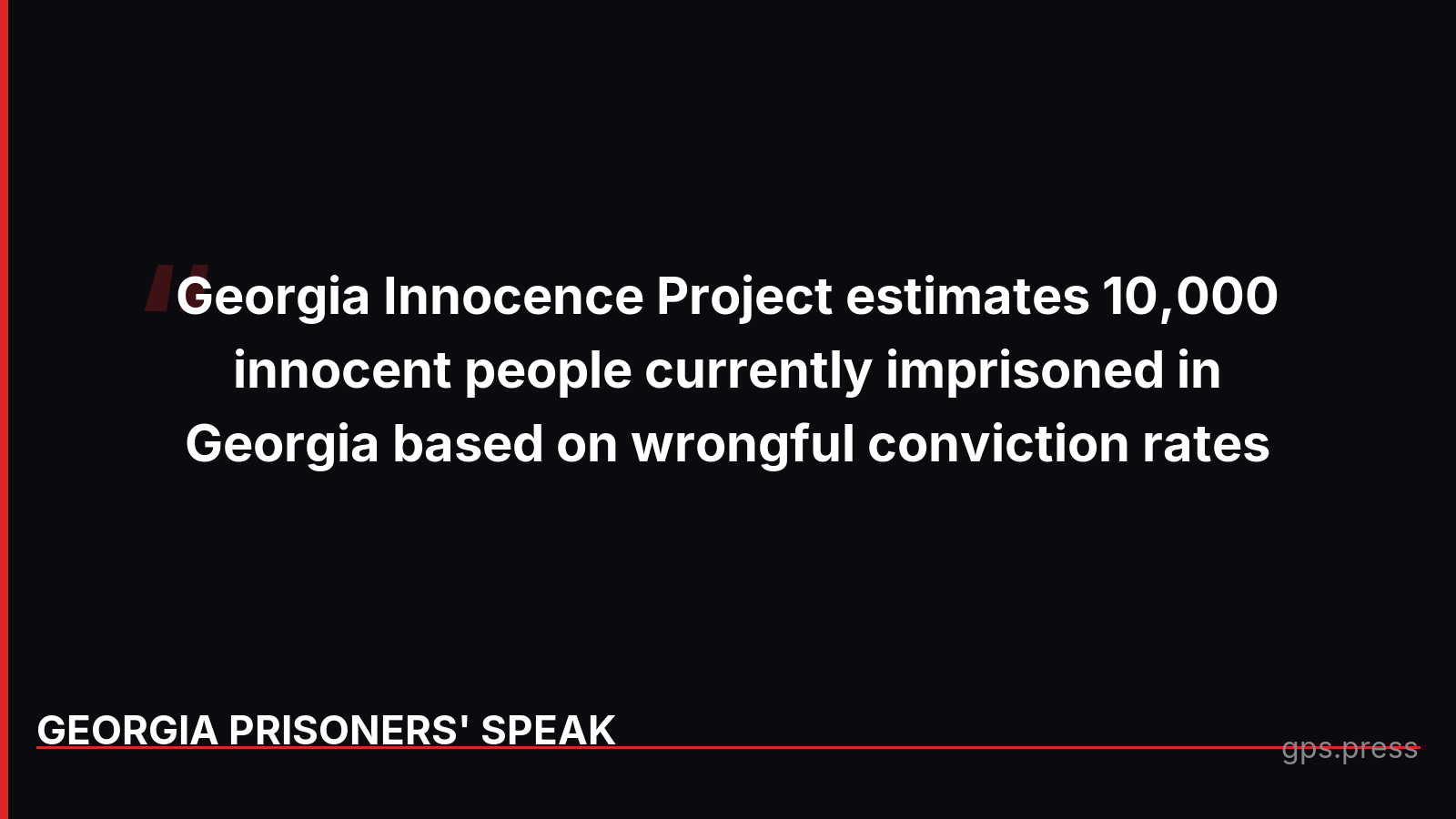
The ruling establishes critical legal precedent for prisoners convicted on subsequently discredited forensic methods—shaken baby syndrome, bite mark analysis, outdated arson science, and hair microscopy. However, systemic gaps remain problematic. Georgia maintains no conviction integrity unit requirements, no systematic review processes when scientific understanding evolves, and no centralized database tracking convictions by forensic science type. With an estimated 10,000 innocent people imprisoned in Georgia, this decision improves legal frameworks but does not address the institutional failures that perpetuate wrongful convictions. https://gps.press/georgia-supreme-court-opens-door-for-prisoners-to-challenge-convictions-based-on-outdated-science/