Guthrie v. Evans: 13 Years of Reform, Erased Overnight
Uncover the history of Guthrie v. Evans Georgia State Prison and its role in addressing brutal conditions and inmate safety.
Help spread the word — download a graphic or share directly to your social media in one click.

Platform Captions
Twitter/X
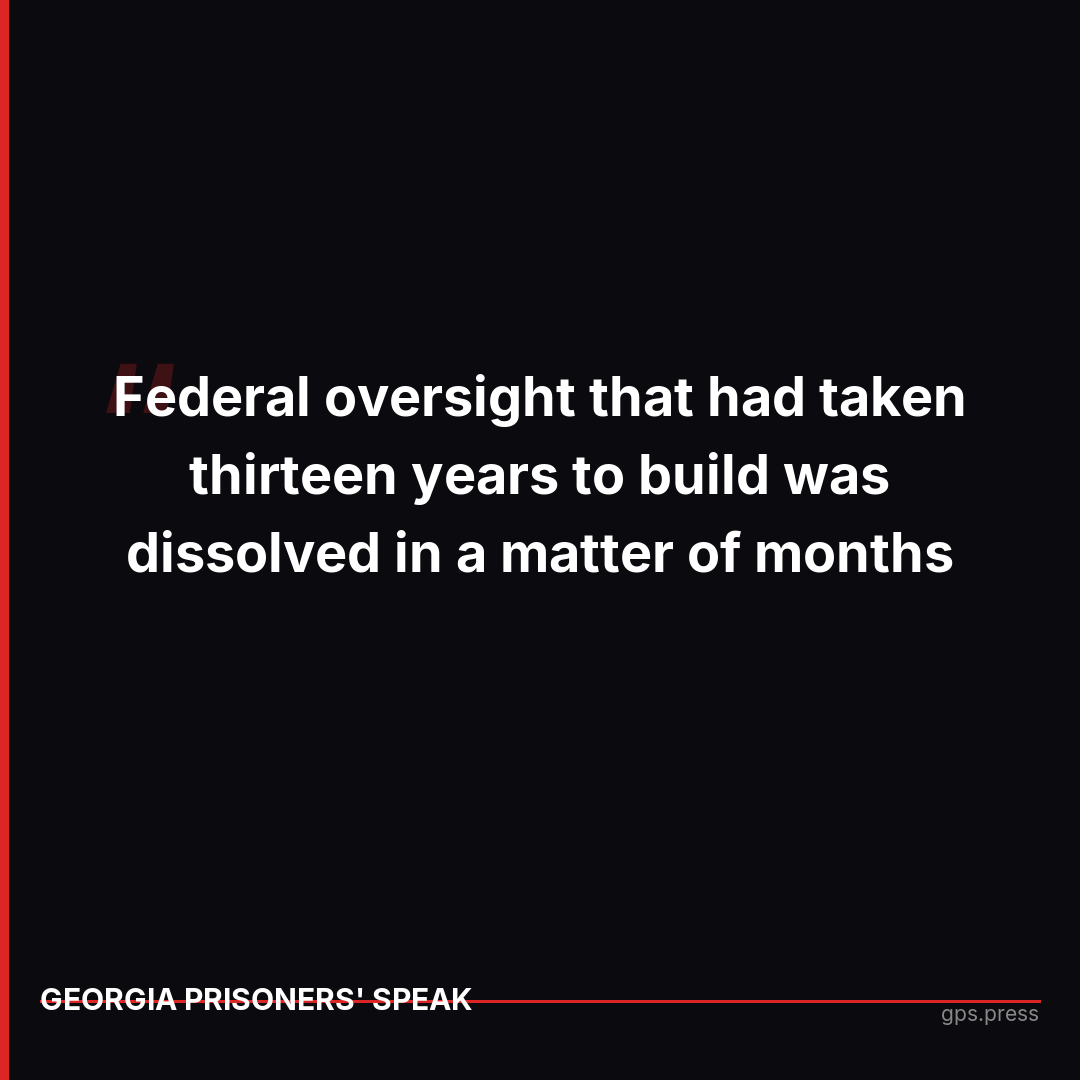
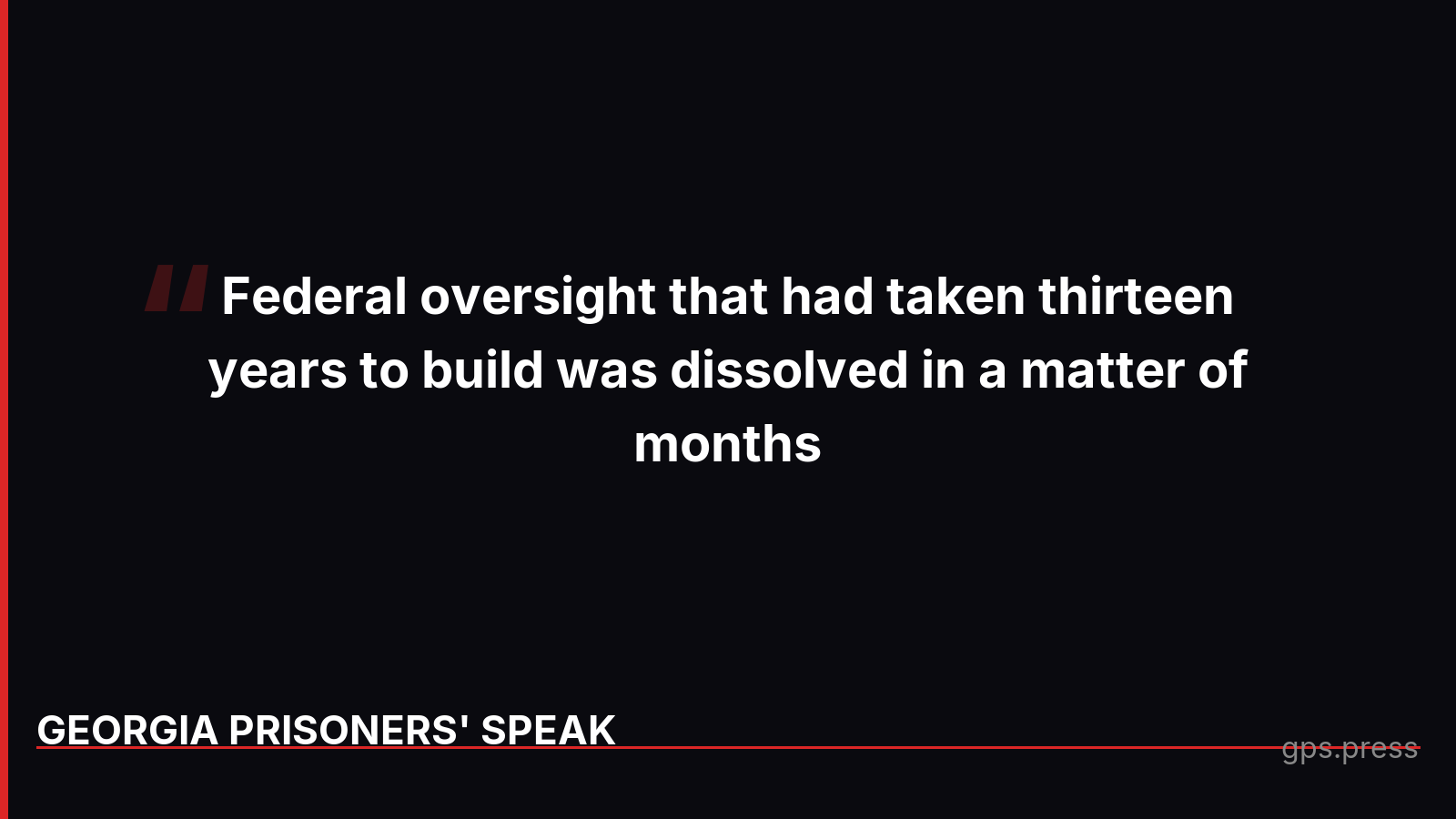
Georgia's homicide rate in state prisons escalated from 8 in 2017 to 38 in 2023. Federal oversight that took 13 years to build was dissolved in months. Same violations, 50 years later. https://gps.press/guthrie-v-evans-13-years-of-reform-erased-overnight/
Facebook
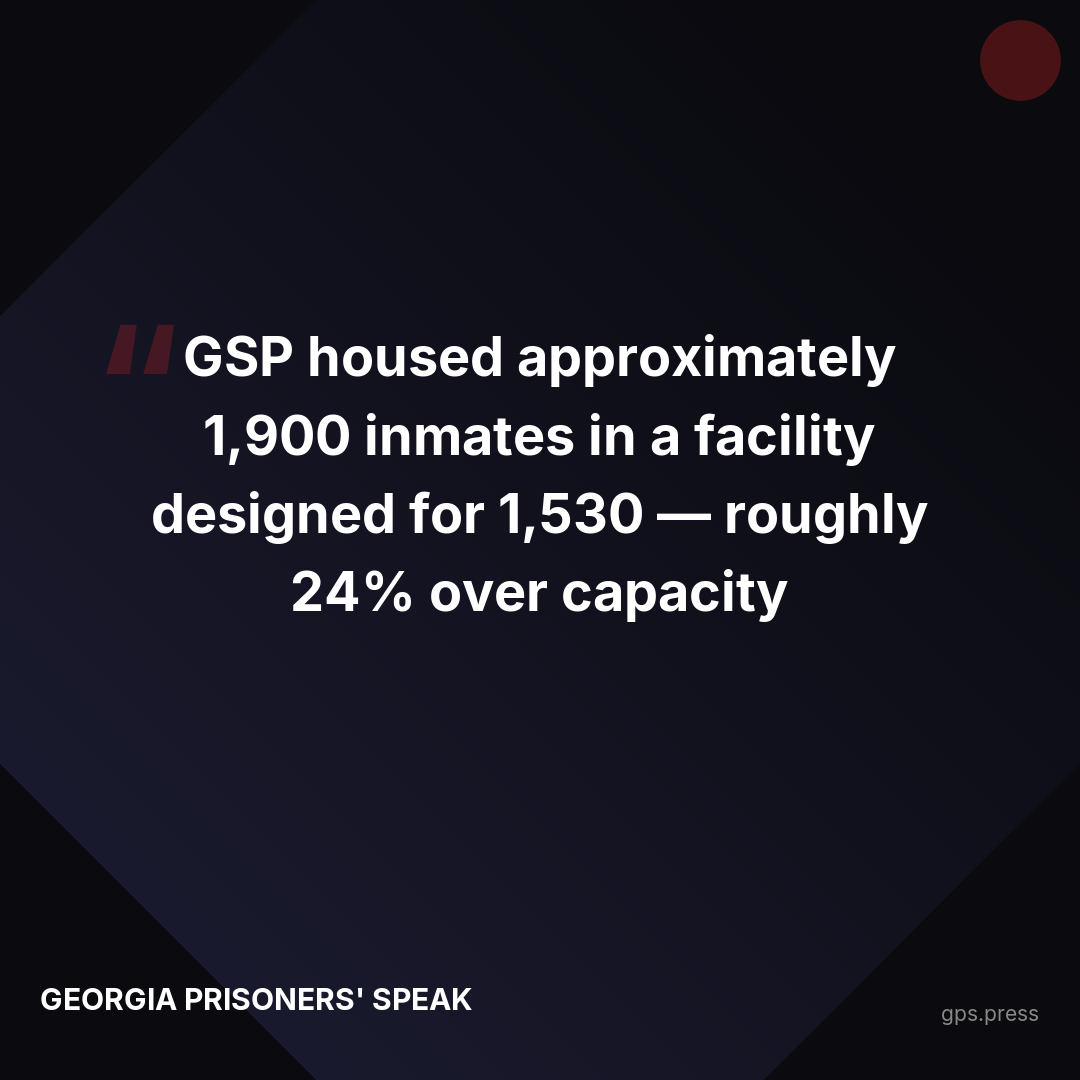
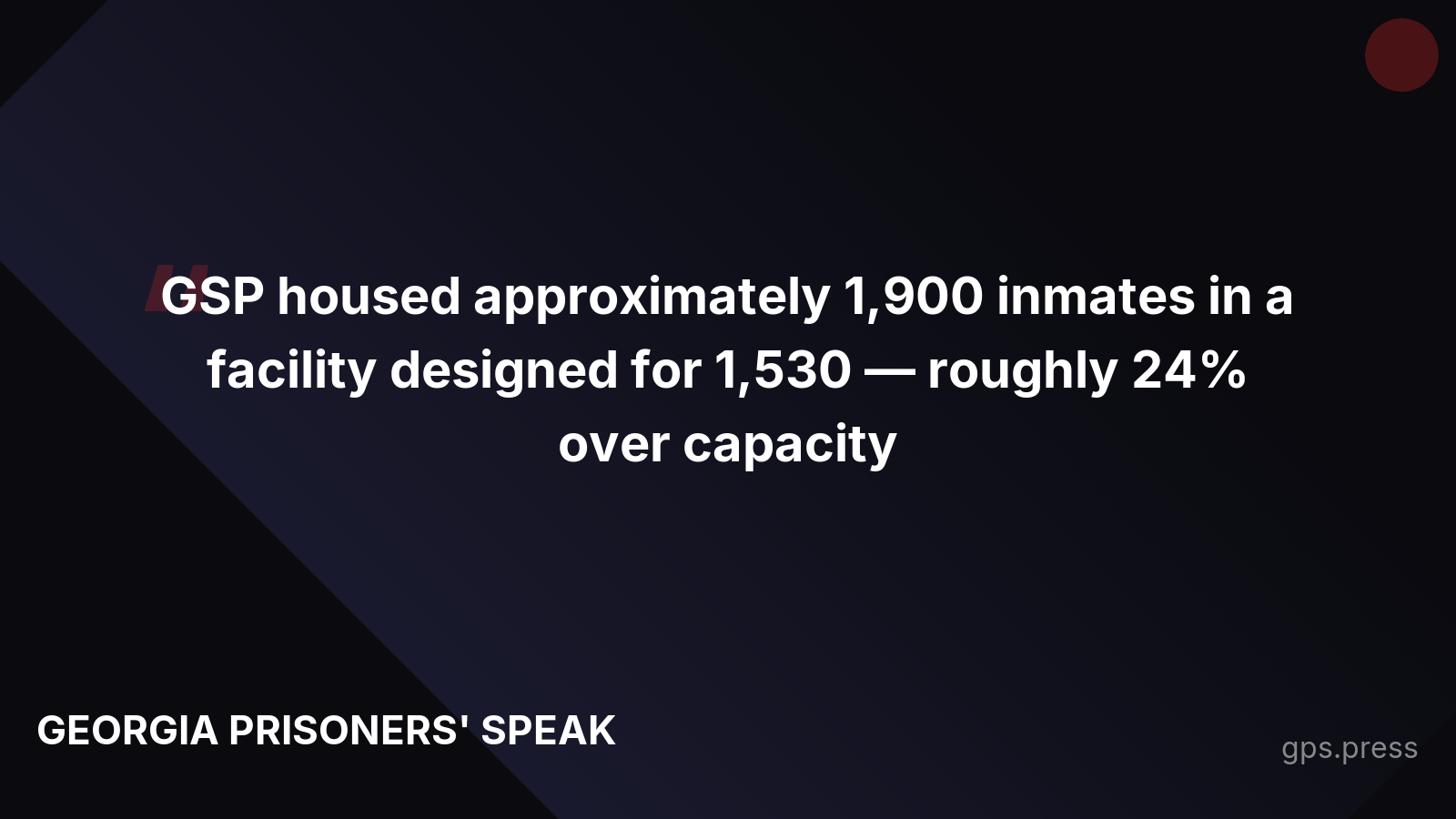
In 1996, Congress handed Georgia the tool to walk away from every constitutional prison reform it had agreed to. The Prison Litigation Reform Act terminated federal oversight that took 13 years to build. The state immediately reclassified Georgia State Prison to circumvent court-ordered capacity limits, cramming 1,900 inmates into a facility designed for 1,530. The result: Georgia's prison homicide rate jumped from 8 in 2017 to 38 in 2023. How do we break this cycle of reform and regression?
Instagram
Georgia State Prison was rebuilt under federal court order with single cells, law libraries, and constitutional protections. It took 13 years of litigation to achieve. In 1996, Congress passed a law that let the state walk away from those reforms in months. The same constitutional violations documented in 2024 are identical to those identified 50 years earlier. This is the cycle of American prison reform: progress erased, violations repeated.
#GeorgiaPrisons #PrisonReform #CriminalJustice #GPS #MassIncarceration #Georgia
LinkedIn
The Guthrie v. Evans case represents both the promise and failure of prison reform litigation. Federal oversight transformed Georgia State Prison from a facility where racial violence killed five inmates in two years into one with constitutional conditions, single cells, and functioning grievance procedures. The Prison Litigation Reform Act of 1996 terminated that oversight, and Georgia immediately began circumventing court-ordered reforms through reclassification maneuvers and capacity manipulation. The Department of Justice's 2024 investigation documented the same constitutional violations that Judge Alaimo spent 13 years addressing. This pattern reveals the structural limitations of litigation-based reform when legislative action can erase judicial progress overnight.