Let Them Go Home: Georgia Spends Its Most Expensive Dollars on the People Least Likely to Reoffend
Understand the financial implications of Georgia elderly prisoners release and the potential benefits for society and individuals.
Help spread the word — here's how:
- Scroll down to Copy a Caption and hit Copy on the one you want
- Scroll back up and click the Share on Facebook button for your favorite quote image
- On Facebook, paste the caption into your post — or write your own
Copy a Caption
Twitter/X
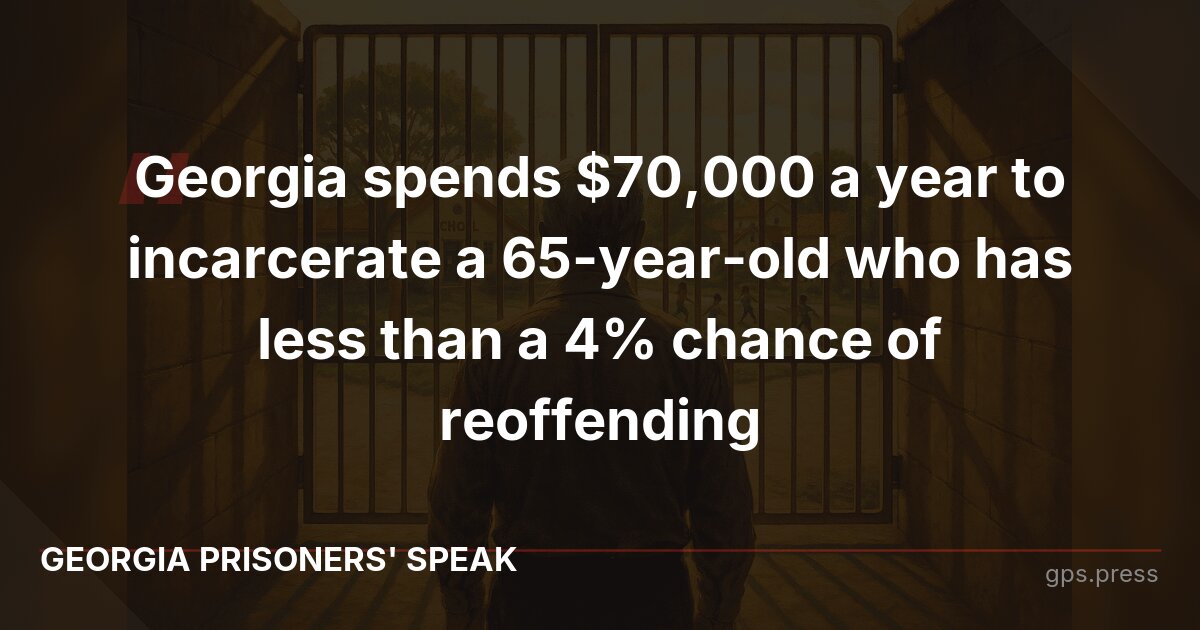
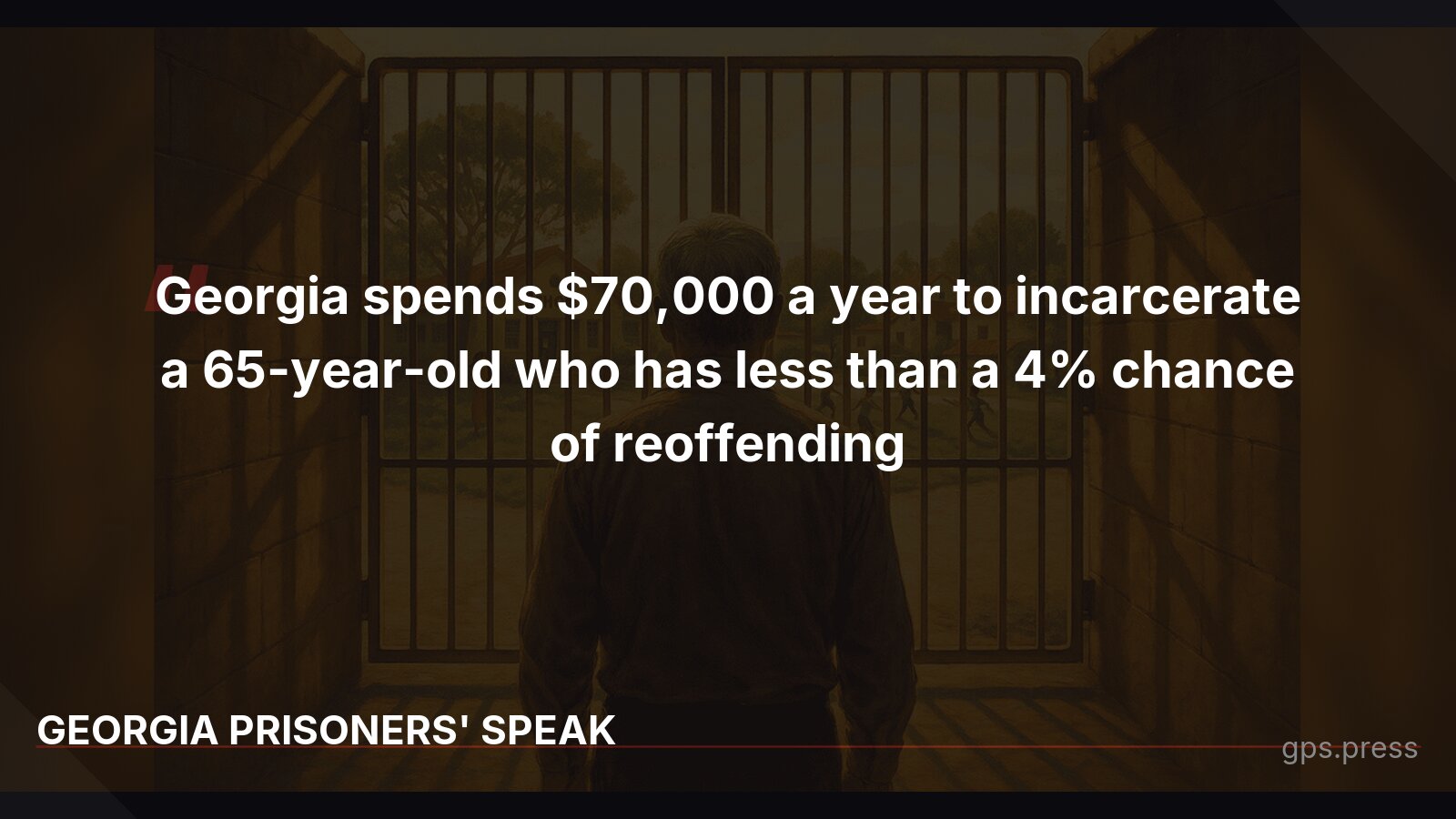
Georgia spends $70,000 a year to incarcerate a 65-year-old who has less than a 4% chance of reoffending. That same money could fund a teacher's salary or house a returning citizen for 3 years. https://gps.press/let-them-go-home/
Facebook
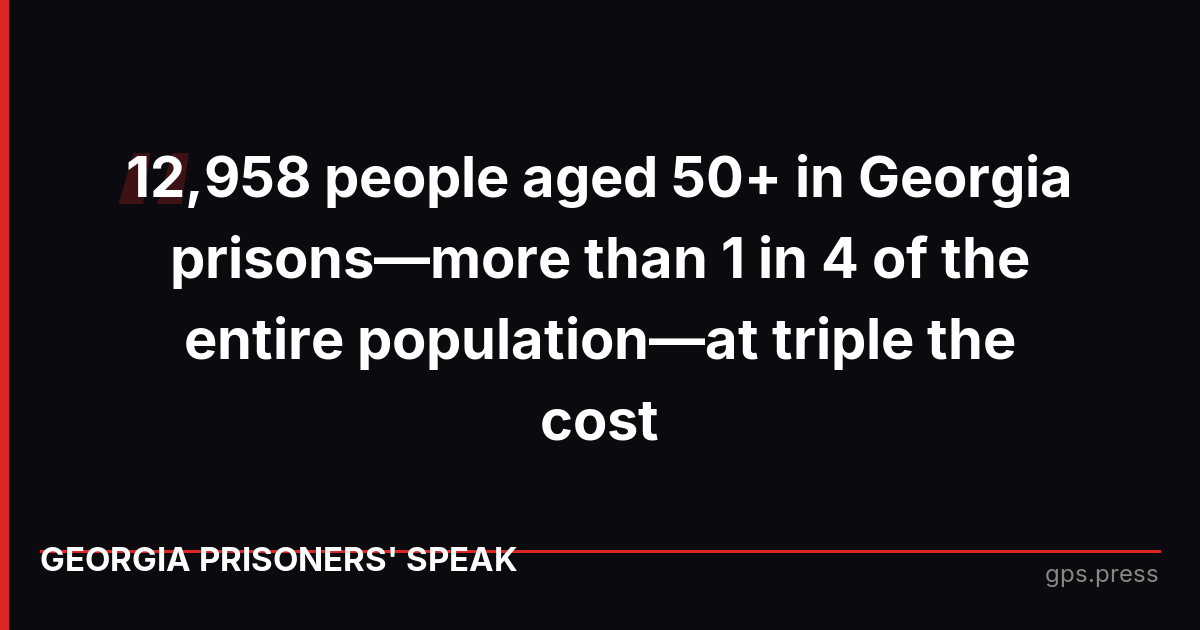
Georgia holds 12,958 people aged 50 and older in its prisons—more than one in four of the entire population. These are the most expensive prisoners to house and, by every measure, the least dangerous. While the state poured $700 million in new corrections spending into prisons since 2022, homicides surged and staffing collapsed. Meanwhile, parole supervision costs just $3.13 per day compared to $68.51 for incarceration. Should Georgia continue spending its most expensive dollars on people who pose virtually no threat to public safety?
Instagram
Georgia taxpayers are paying $70,000 a year to incarcerate elderly prisoners who have less than a 4% chance of reoffending. The state holds over 12,000 people aged 50 and older—costing triple the amount of younger prisoners while posing minimal risk. That money could fund teachers, mental health services, or transitional housing instead. The science is clear: people age out of crime. Georgia's policy choices ignore the evidence.
#GeorgiaPrisons #PrisonReform #CriminalJustice #GPS #MassIncarceration #Georgia
LinkedIn
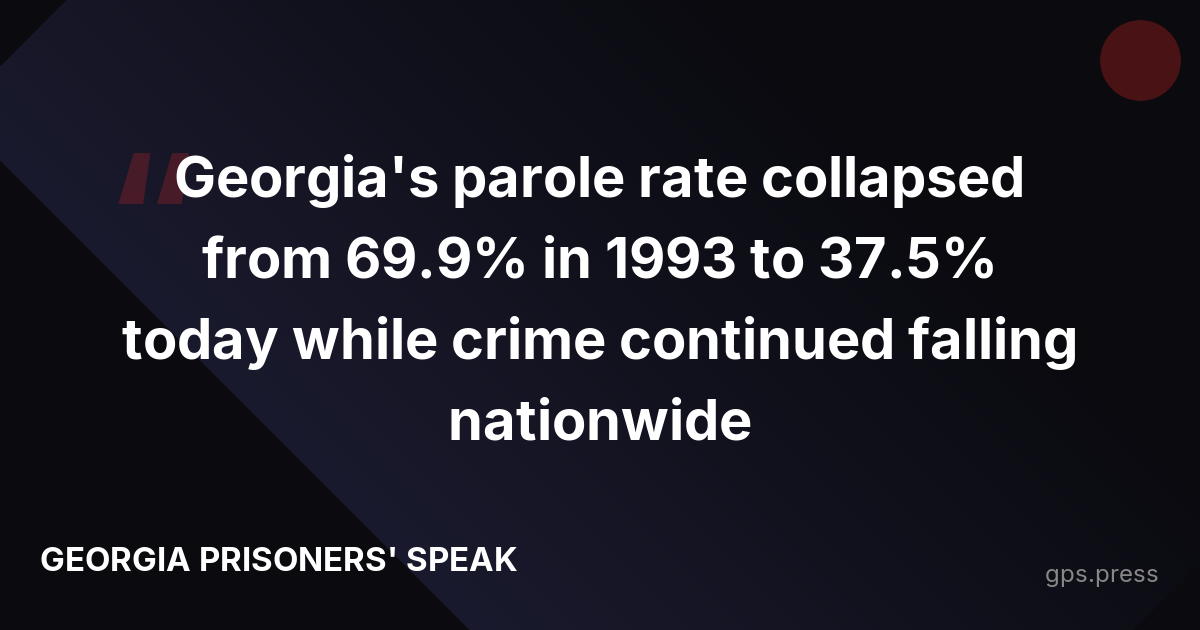
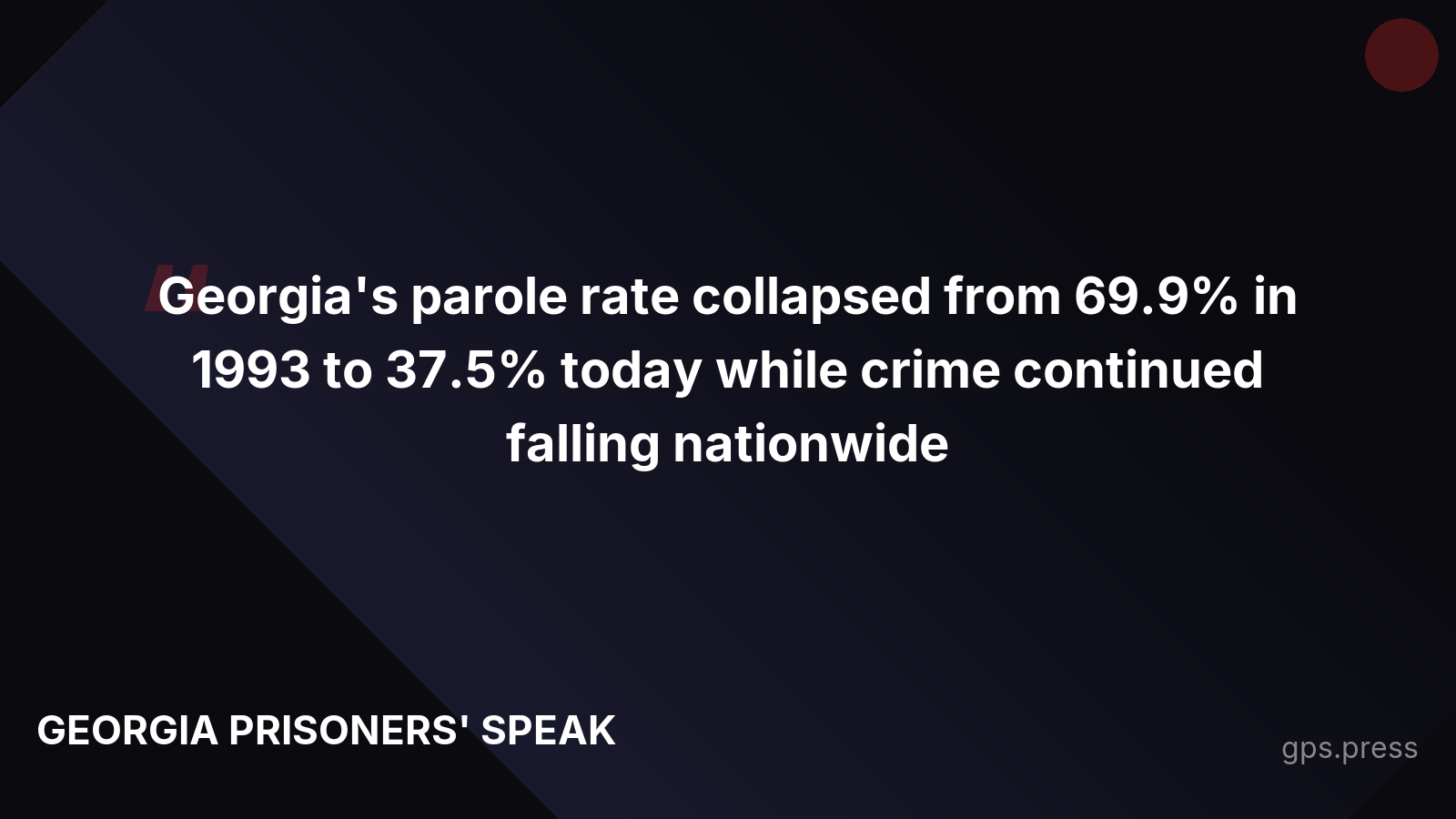
Georgia's prison system exemplifies fiscally irresponsible policy that ignores decades of criminological research. The state spends $70,000 annually per elderly prisoner while holding 12,958 people aged 50 and older—more than 25% of its prison population. These individuals have less than a 4% recidivism rate, yet Georgia's parole rate has collapsed from 69.9% in 1993 to 37.5% today. States across the political spectrum have reduced prison populations without adverse public safety effects while reinvesting savings in evidence-based crime prevention. Georgia's continued warehousing of elderly, low-risk prisoners represents a massive opportunity cost that diverts resources from education, mental health services, and community programs that actually reduce crime.