Parole: A Promise Broken — and How Georgia Can Make It Right
Explore Georgia parole reform and its impact on families waiting for loved ones. Understand the need for trust and accountability.
Help spread the word — here's how:
- Scroll down to Copy a Caption and hit Copy on the one you want
- Scroll back up and click the Share on Facebook button for your favorite quote image
- On Facebook, paste the caption into your post — or write your own

Copy a Caption
Twitter/X
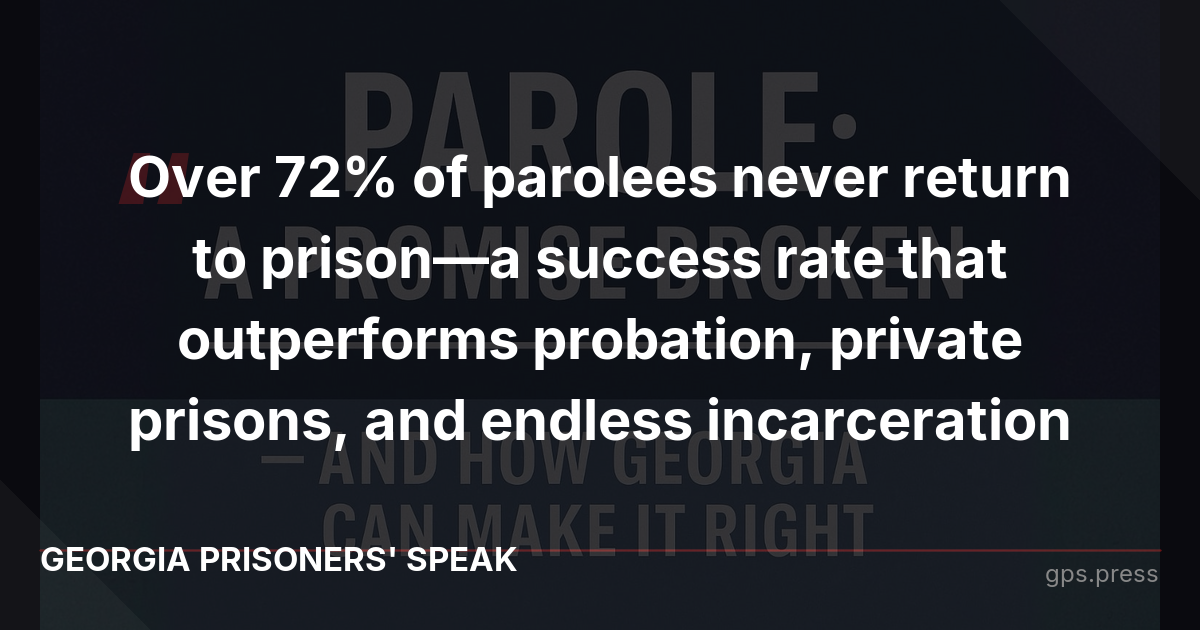
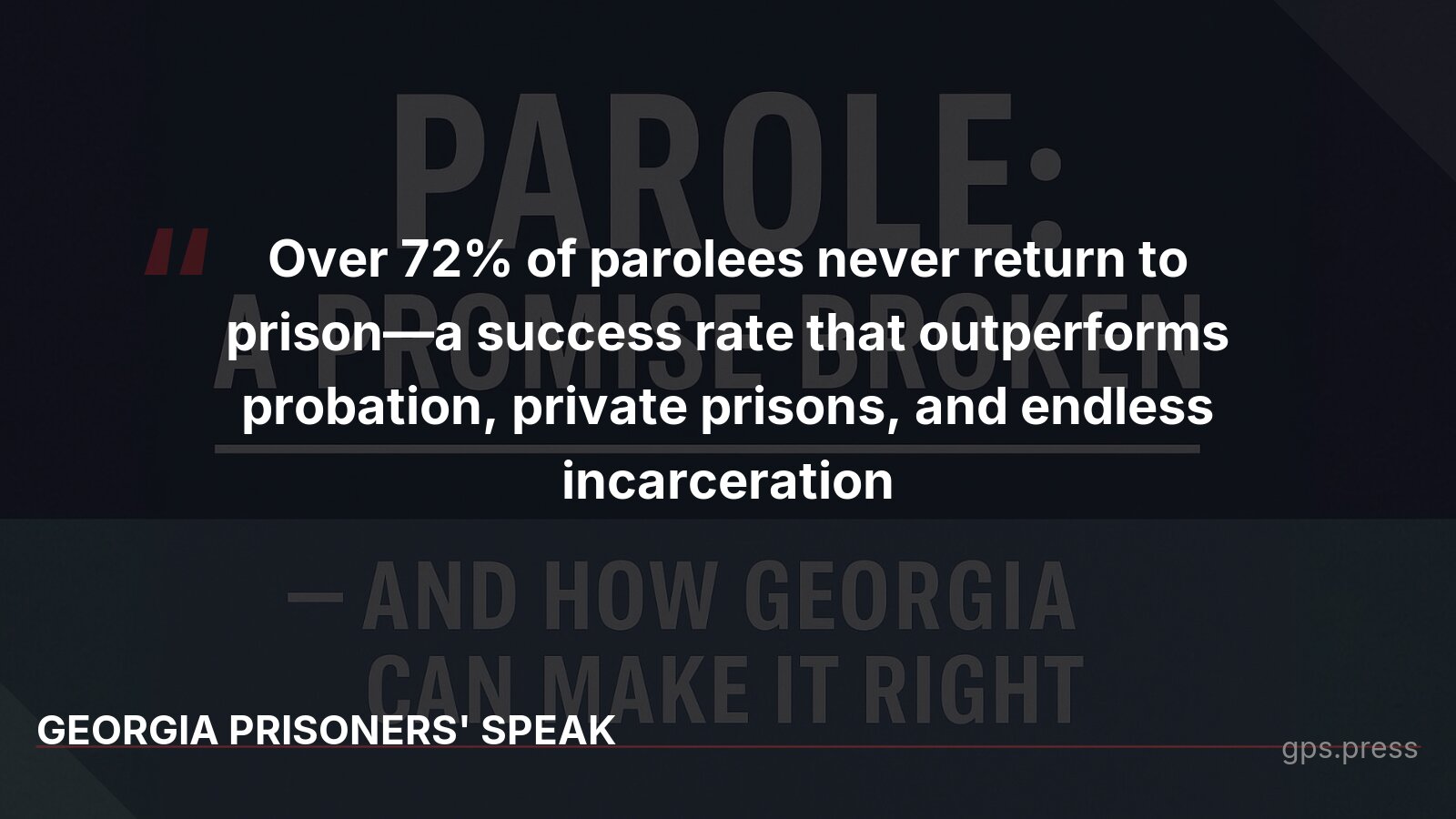
Over 72% of parolees never return to prison—yet thousands wait years past eligibility in overcrowded facilities the DOJ calls 'lethally negligent.' Georgia's parole promise is broken. https://gps.press/parole-a-promise-broken-and-how-georgia-can-make-it-right/
Facebook
Georgia's parole system has become a broken promise to thousands of families. Despite a 72% success rate that outperforms other correctional approaches, eligible individuals wait years beyond their dates while families save for bus tickets that never get used. Hearings are delayed without explanation, decisions arrive without reasoning, and the state ignores its own data proving parole works. What does it mean for public safety when we keep people locked up who have already proven they're ready to return home successfully?
Instagram
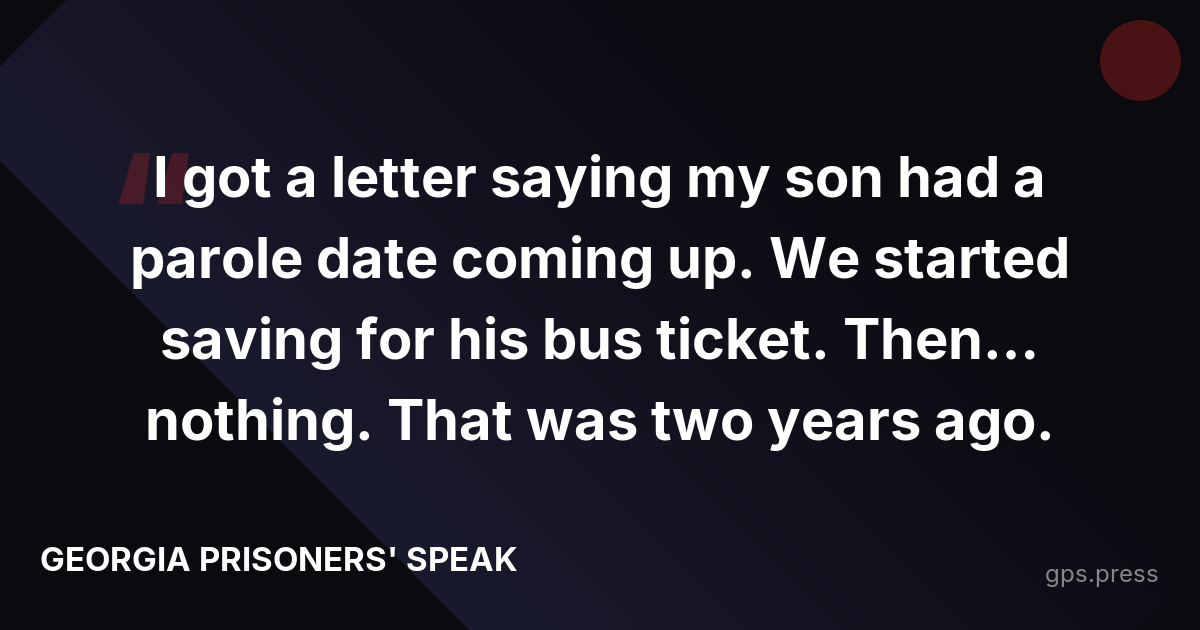
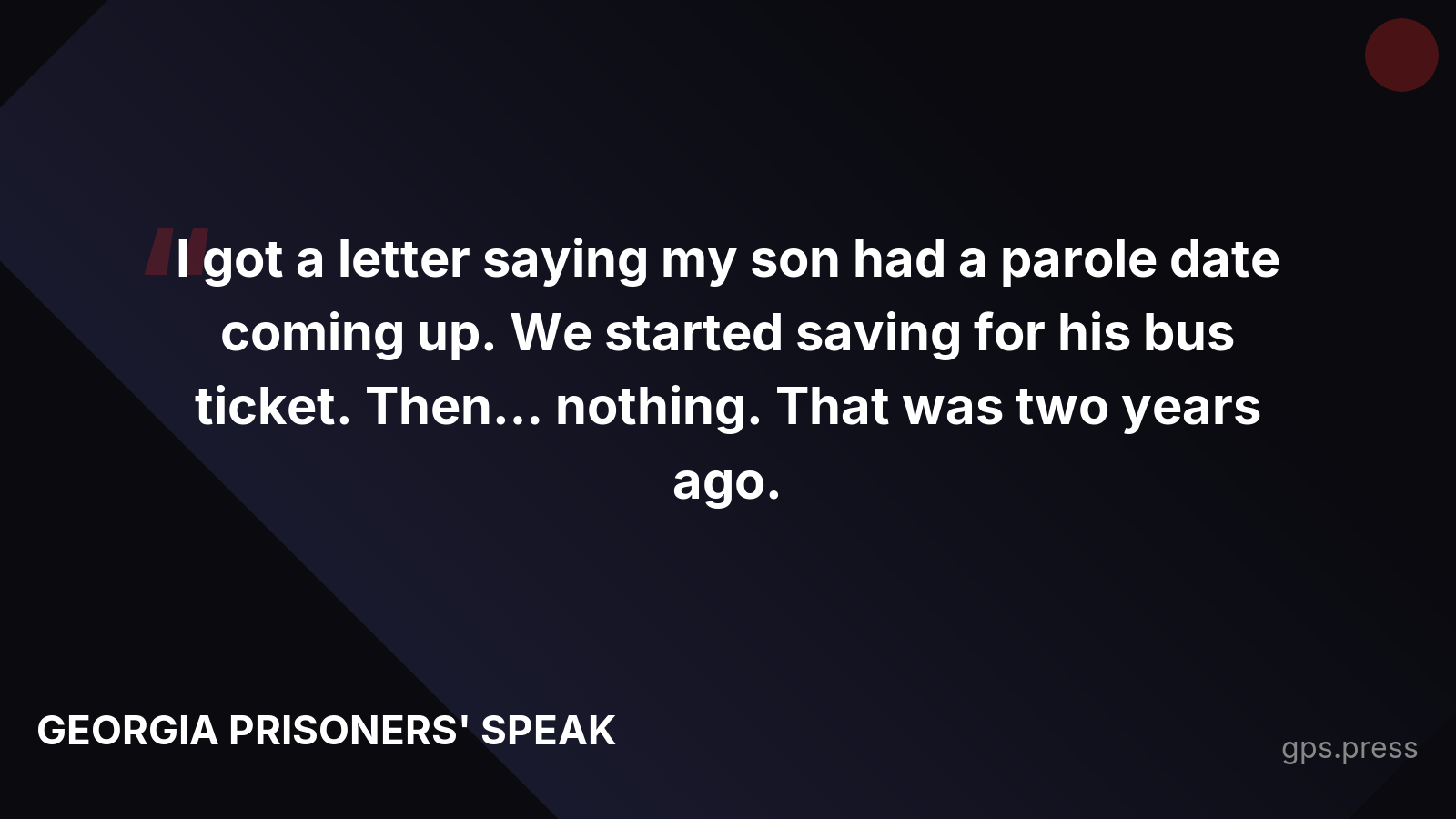
A Savannah mother saved for her son's bus ticket home after getting notice of his parole date. That was two years ago—she's still waiting. Georgia's parole system breaks its promise to families daily, keeping people locked up years beyond eligibility despite data showing 72% of parolees never return to prison. When the state won't honor redemption, it tells every family that change doesn't matter.
#GeorgiaPrisons #PrisonReform #CriminalJustice #GPS #MassIncarceration #Georgia
LinkedIn
Georgia's parole system presents a critical policy failure with measurable human and economic costs. Despite state data showing 72% of parolees successfully complete supervision without returning to prison—outperforming other correctional approaches—thousands of eligible individuals remain incarcerated years beyond their eligibility dates. The current system operates without consistent timelines, written decision standards, or transparent review processes, creating inefficiencies that burden taxpayers and undermine public safety objectives. Evidence-based parole reform could reduce recidivism, lower correctional costs, and restore accountability to a system that currently operates without meaningful oversight or performance metrics.