Truth in Sentencing Broke Parole. Georgia Is Paying the Price.
Georgia’s 85% truth-in-sentencing law crippled parole, fueled prison violence, and triggered a constitutional crisis. Here’s how to fix it.
Help spread the word — here's how:
- Scroll down to Copy a Caption and hit Copy on the one you want
- Scroll back up and click the Share on Facebook button for your favorite quote image
- On Facebook, paste the caption into your post — or write your own
Copy a Caption
Twitter/X
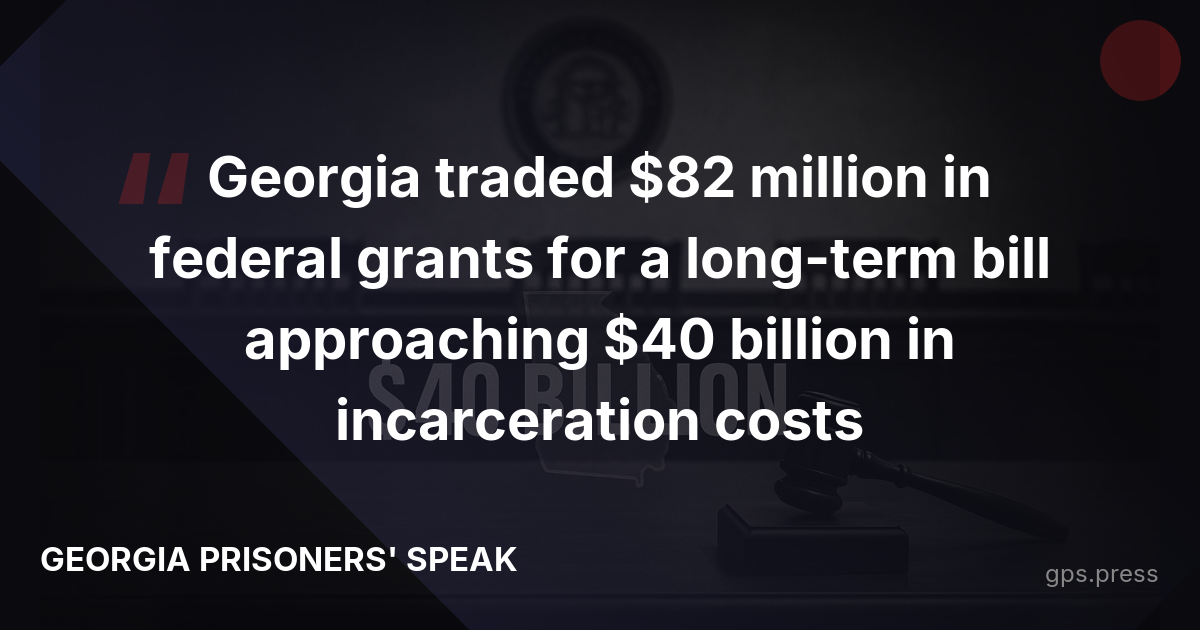
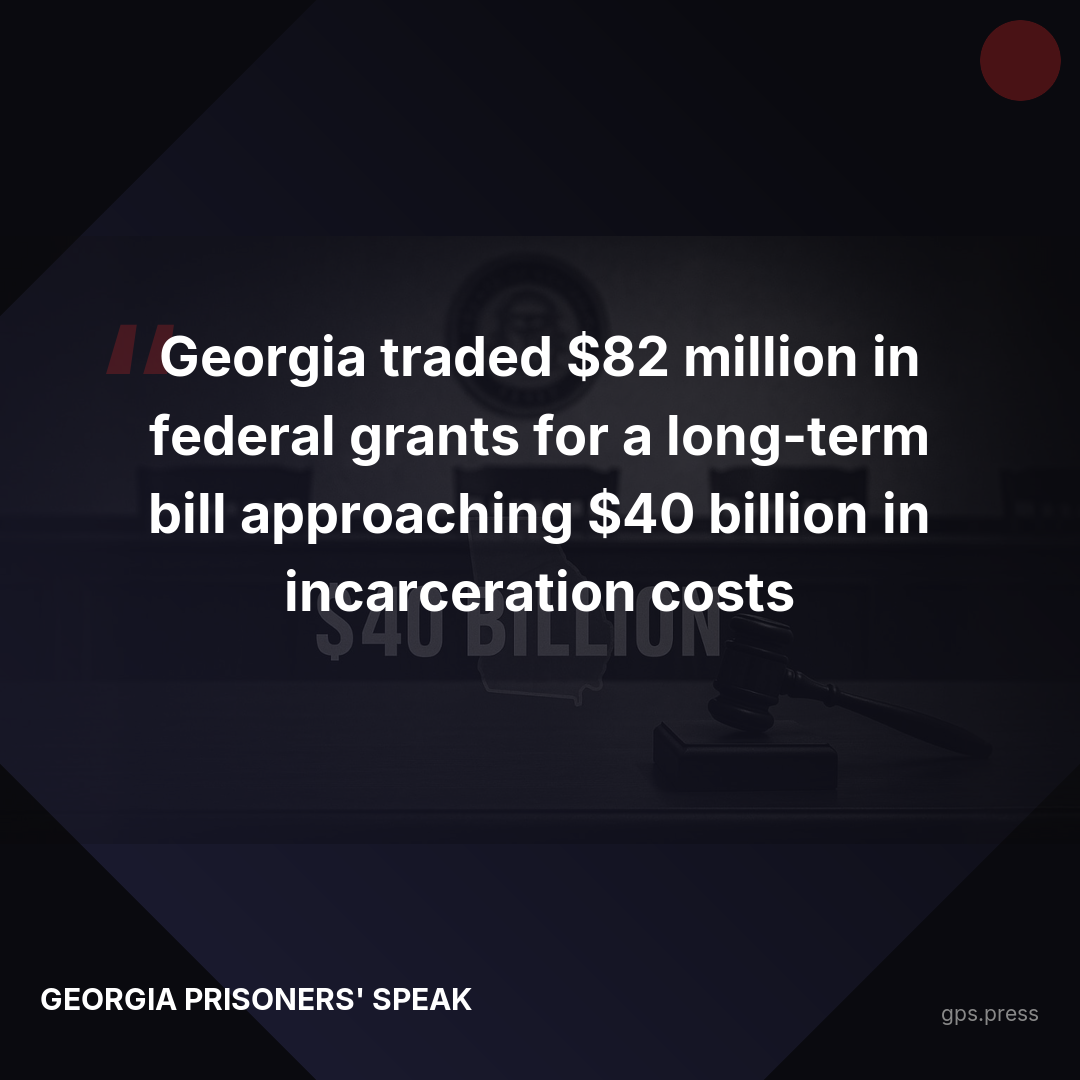
Georgia traded $82 million in federal grants for a long-term bill approaching $40 billion in incarceration costs. Truth in Sentencing broke parole and made Georgia less safe. https://gps.press/truth-in-sentencing-broke-parole/
Facebook
In 1994, Georgia adopted Truth in Sentencing policies that politicians claimed would deter crime and improve public safety. The reality: Georgia traded $82 million in federal grants for a prison crisis now costing taxpayers nearly $40 billion. The policy dismantled parole as a public safety tool, created massive overcrowding, and increased violence so severely that the DOJ declared Georgia among the worst prison systems in America.
How did a policy sold as 'smart and tough' create such devastation for Georgia families and taxpayers?
Instagram
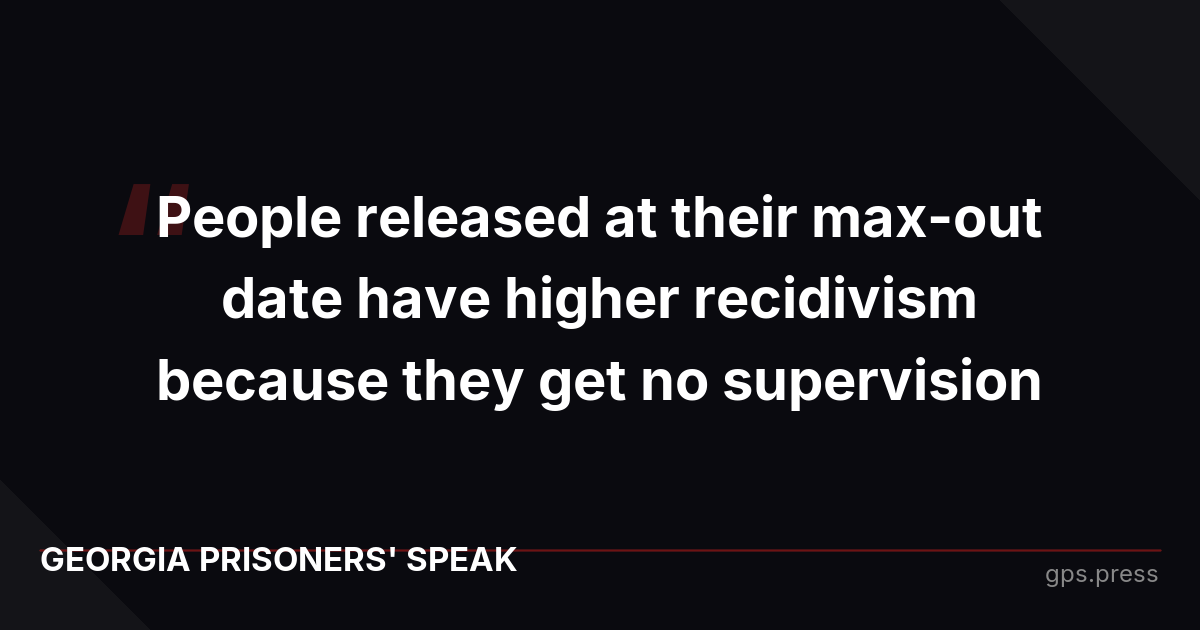
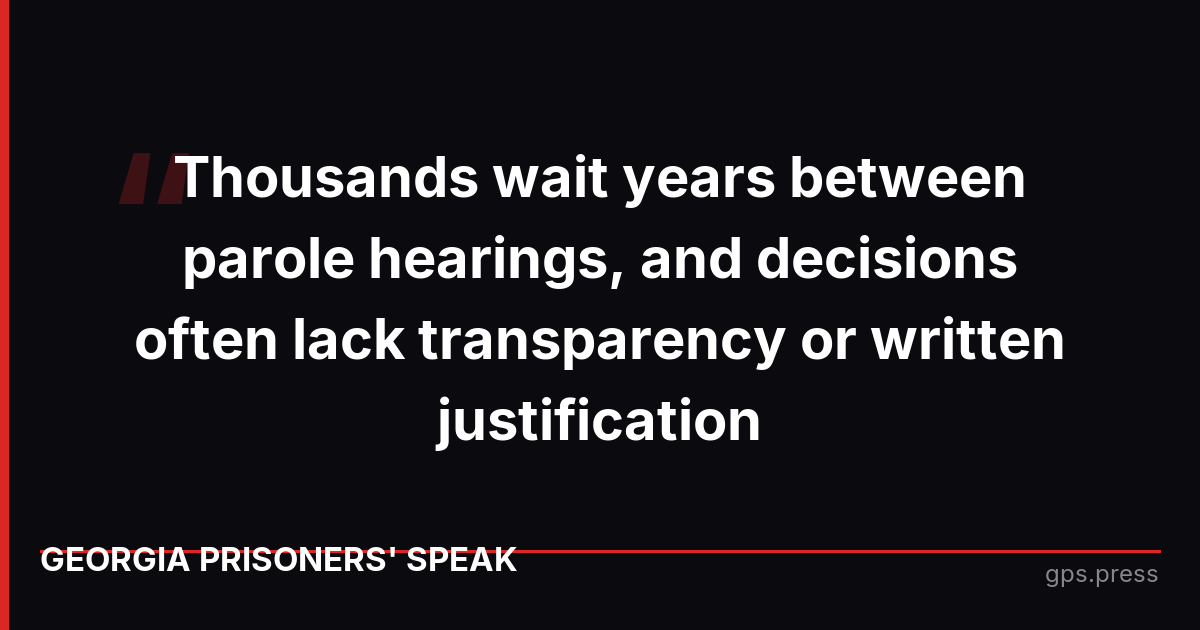
Georgia's Truth in Sentencing policies promised public safety but delivered a $40 billion disaster. By gutting parole, the state created overcrowded, violent prisons where thousands wait years between hearings with no transparency. People released without parole supervision have higher recidivism rates, making communities less safe while costing taxpayers billions.
#GeorgiaPrisons #PrisonReform #CriminalJustice #GPS #MassIncarceration #Georgia
LinkedIn
Georgia's 1994 adoption of Truth in Sentencing represents one of the most costly policy failures in state history. By requiring 85% of sentences to be served and effectively dismantling parole, Georgia transformed a public safety tool into a bottleneck that now costs taxpayers approaching $40 billion. The policy eliminated incentives for rehabilitation, increased prison violence, and created an aging population that drives medical costs through the roof. Research shows people released without parole supervision have higher recidivism rates, undermining the very public safety goals the policy claimed to achieve. The 2026 legislative session presents an opportunity for evidence-based parole reform that prioritizes both fiscal responsibility and community safety.