Georgia’s 2026 Candidates on Prison and Parole Reform

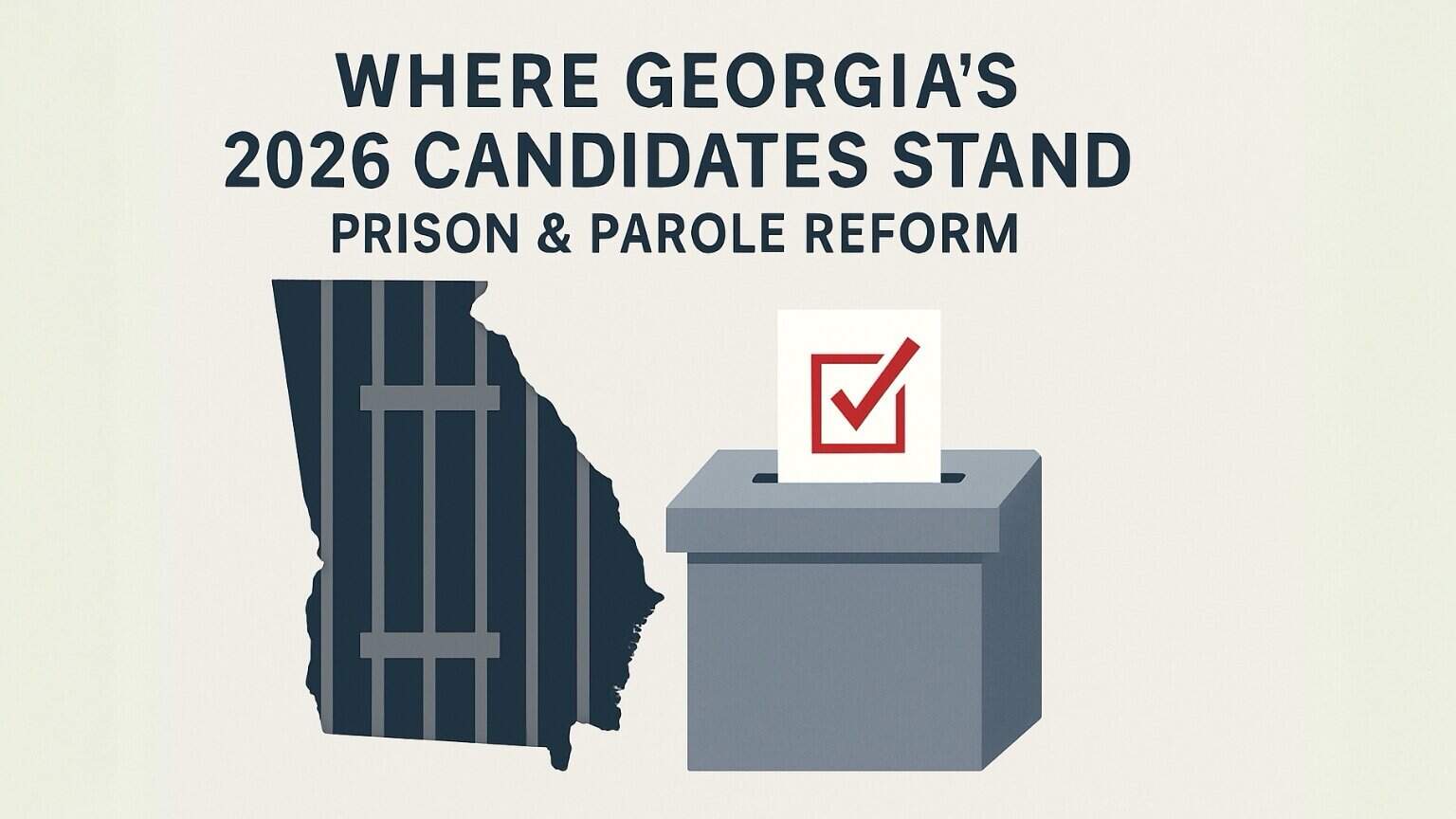
Georgia voters will choose a new Governor and Lieutenant Governor in 2026 amid a prison crisis. GPS surveyed candidates on parole reform, prison conditions, and sentencing policy. Only two candidates—Jake Olinger and Josh McLaurin—have detailed positions. Here’s what we found.

When Warnings Go Ignored: How Georgia’s Prison Deaths Became Predictable—and Preventable

GEORGIA’S PRISON DEATHS AREN’T ACCIDENTS—THEY’RE POLICY CHOICES
By September 2025, Georgia’s prisons had already outpaced last year’s homicide total. The DOJ called it “deliberate indifference.” We call it what it is: preventable.
Georgia pours $1.6 billion into new walls while people inside starve. California spent $239 million on rehabilitation last year with a single death. Georgia spent seven times more on concrete and recorded 333 deaths—over 100 homicides.
The fix is simple and cheap:
✓ Single-cell segregation (no more murders in “the hole”)
✓ Separate gangs from civilians (like California does)
✓ Feed people adequate nutrition
✓ Expand education & work programs
✓ Restore parole for low-risk prisoners
The solutions exist. The evidence is overwhelming. What’s missing is the courage to choose lives over walls.

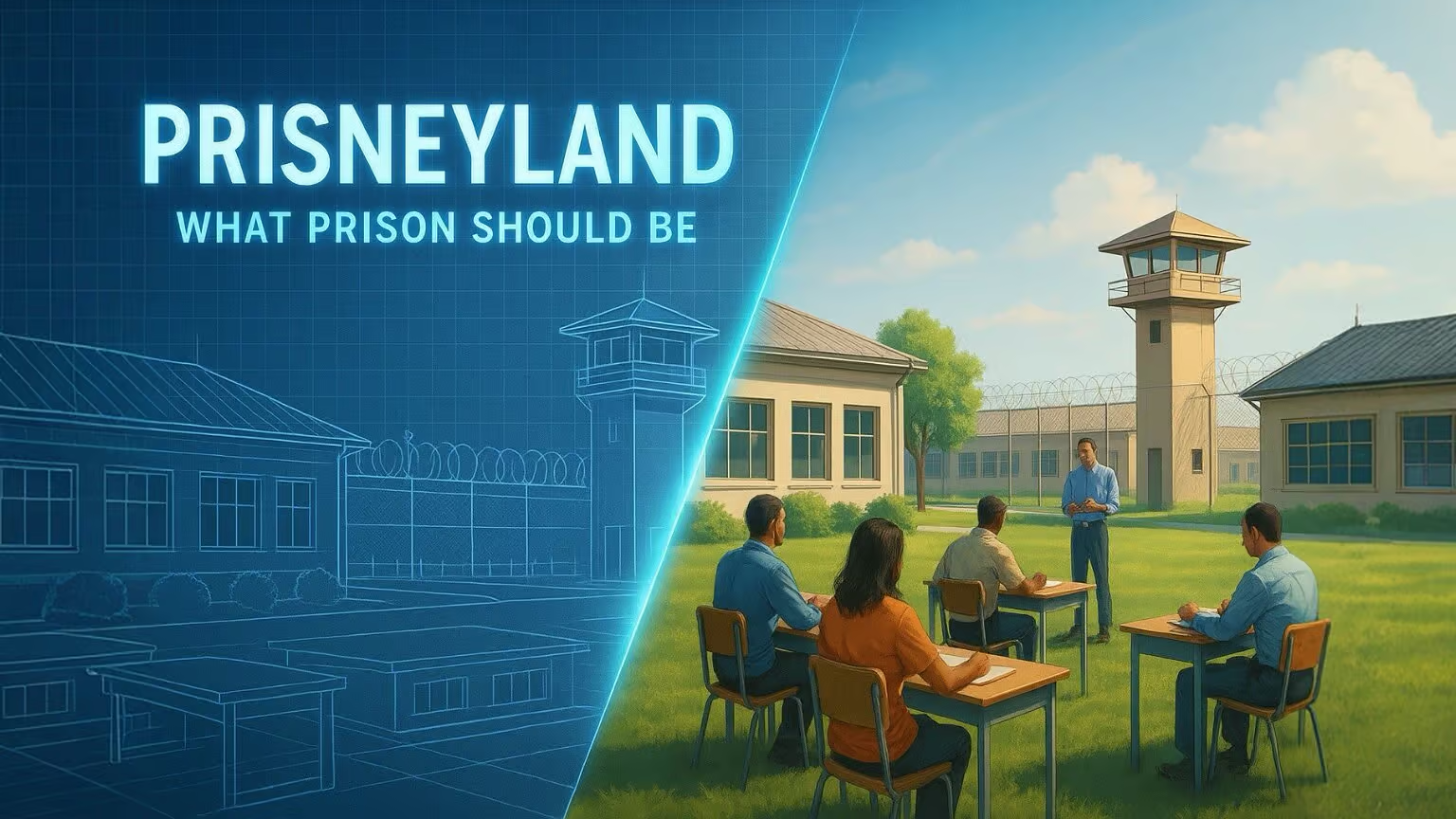
Prisneyland: What Prison Should Be

California is proving what real reform looks like.
At Valley State Prison, there were zero homicides and only one serious violent incident last year.
In Georgia, there were 333 deaths and more than 100 murders.
The difference? California invests in education and rehabilitation, not concrete and isolation.

“Prisneyland” isn’t soft — it’s smart. It’s what prison should be.

Georgia’s Prison Crisis: A System on the Brink

Georgia’s prison system is collapsing under its own weight.
More than 53,000 people are held in conditions the U.S. Department of Justice calls unconstitutional — where gangs rule, officers vanish, and human life has lost its value.

Georgia’s “Hardened” Solution: Another Fortress Instead of Reform

Georgia is spending hundreds of millions on new “hardened” prisons while people inside are starving, dying, and losing hope.

The state calls it reform, but it’s really just repackaged repression — concrete solutions to moral failures. The Department of Justice has already declared Georgia’s prisons unconstitutional, yet instead of addressing the root causes — chronic understaffing, violence, medical neglect, and starvation — the state keeps doubling down on construction contracts and calling it progress.

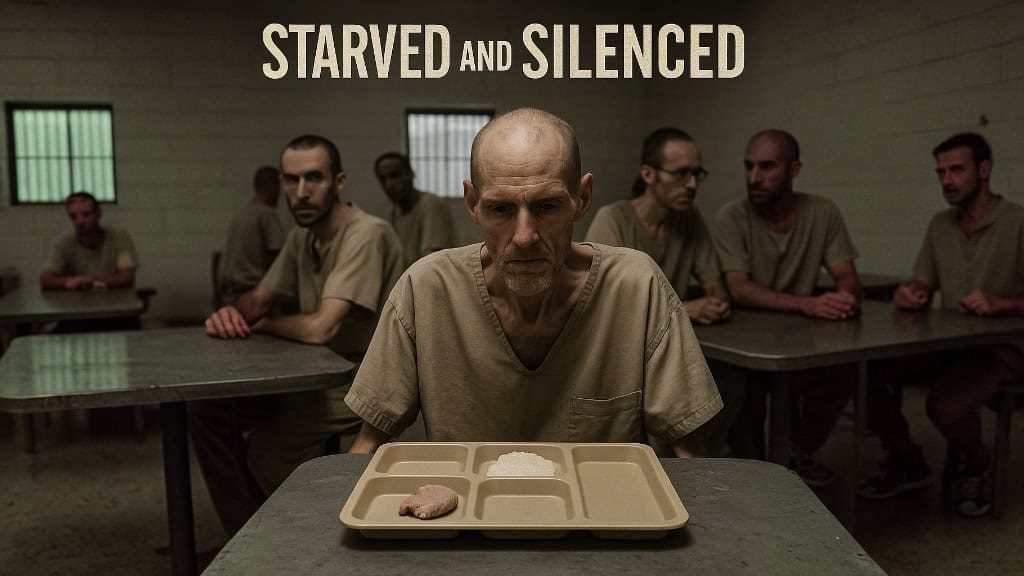
Prisoners are wasting away on trays of cold grits and two slices of bologna while $600 million is poured into walls, gates, and locks. If Georgia redirected even a fraction of that money to food, healthcare, and staffing, violence would drop, lives would be saved, and rehabilitation might finally mean something again.

Until Georgia chooses reform over repression, its new walls will stand as monuments to failure, not justice.

Starved and Silenced: The Hidden Crisis Inside Georgia Prisons

“My son went in weighing 180 pounds. Now he looks like he belongs in a concentration camp.”

Across Georgia’s prisons, men and women are wasting away — surviving on a few spoonfuls of grits, bologna, and moldy air. The Department of Corrections calls it efficiency. We call it **cruelty by design.**

Starvation, disease, and violence are the price of Georgia’s broken prison food system — a system that profits from suffering and punishes the hungry.

Why Families Must Fight FCC Prison Jammers Now

📢 The FCC wants to allow prison cell phone jammers. In Georgia’s understaffed prisons, phones aren’t just contraband—they’re lifelines that save lives. Families must speak NOW.

Read why and how to contact the FCC to voice your opinion

Record Every Call: How to Expose Contempt and Abuse

When Georgia families call the GDC, they’re often ignored, belittled, or cursed at — and left in the dark about whether their loved one was stabbed, hospitalized, or even died. Georgia is a one-party consent state. Record every call. Show the world how GDC treats families.