What You Need to Know About Solitary Confinement in Georgia’s Prisons

Georgia locks people in tiny cells for years. A federal judge caught the state faking its records. Here’s what families need to know.
Georgia locks people in tiny cells for years. A federal judge caught the state faking its records. Here’s what families need to know.

DNA evidence proves 11.6% to 15% of sexual assault convictions are wrongful. This advocacy toolkit provides talking points, key statistics, and strategies for reform.
Research estimates 11.6%–15% of rape convictions are wrongful. Black prisoners face 3.5x the risk. Georgia’s Chief Justice calls the post-conviction system “broken.”
Research shows 11.6%–15% of sexual assault convictions are wrongful. Georgia’s broken post-conviction system compounds the human and fiscal cost.
DNA evidence shows about 1 in 8 rape convictions may be wrong. Black people face 3.5x higher risk. Georgia’s Chief Justice calls the review system “broken.”

Georgia forces 80% of its 47,000 incarcerated people to work for $0 or pennies per hour, generating $164M+ annually — a system scholars trace directly to the convict leasing era.
Georgia extracts $164+ million annually from unpaid prison labor. A 160-year research document traces direct continuity from convict leasing to modern forced labor.

GPS research documents a hidden drug crisis in Georgia prisons: overdose deaths surged 2,350%, GDC misclassified 44 deaths, and the state’s own employees fuel the pipeline.

An estimated 2,500 innocent people are imprisoned in Georgia. This advocacy toolkit provides data-backed talking points, key quotes, and strategic guidance for using wrongful conviction research in legislative testimony, media, and coalition building.
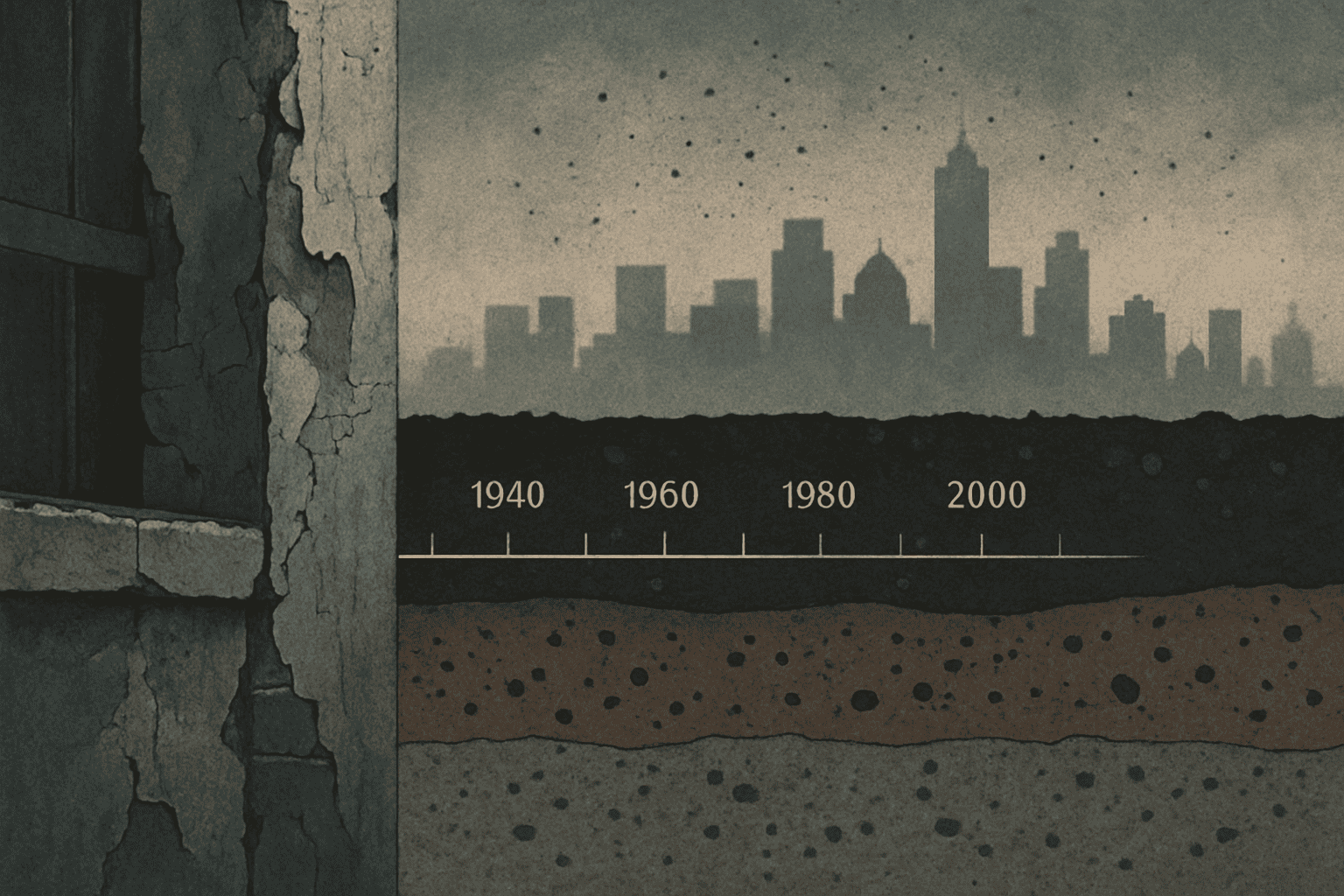
The government poisoned children with lead for decades, then imprisoned them for the neurological consequences. This advocacy guide turns the lead-crime evidence into tools for reform.