Georgia’s 2026 Candidates on Prison and Parole Reform

Georgia voters will choose a new Governor and Lieutenant Governor in 2026 amid a prison crisis. GPS surveyed candidates on parole reform, prison conditions, and sentencing policy. Only two candidates—Jake Olinger and Josh McLaurin—have detailed positions. Here’s what we found.

Georgia’s $40 Billion Mistake: How Bad Science and Federal Bribes Created a Constitutional Crisis

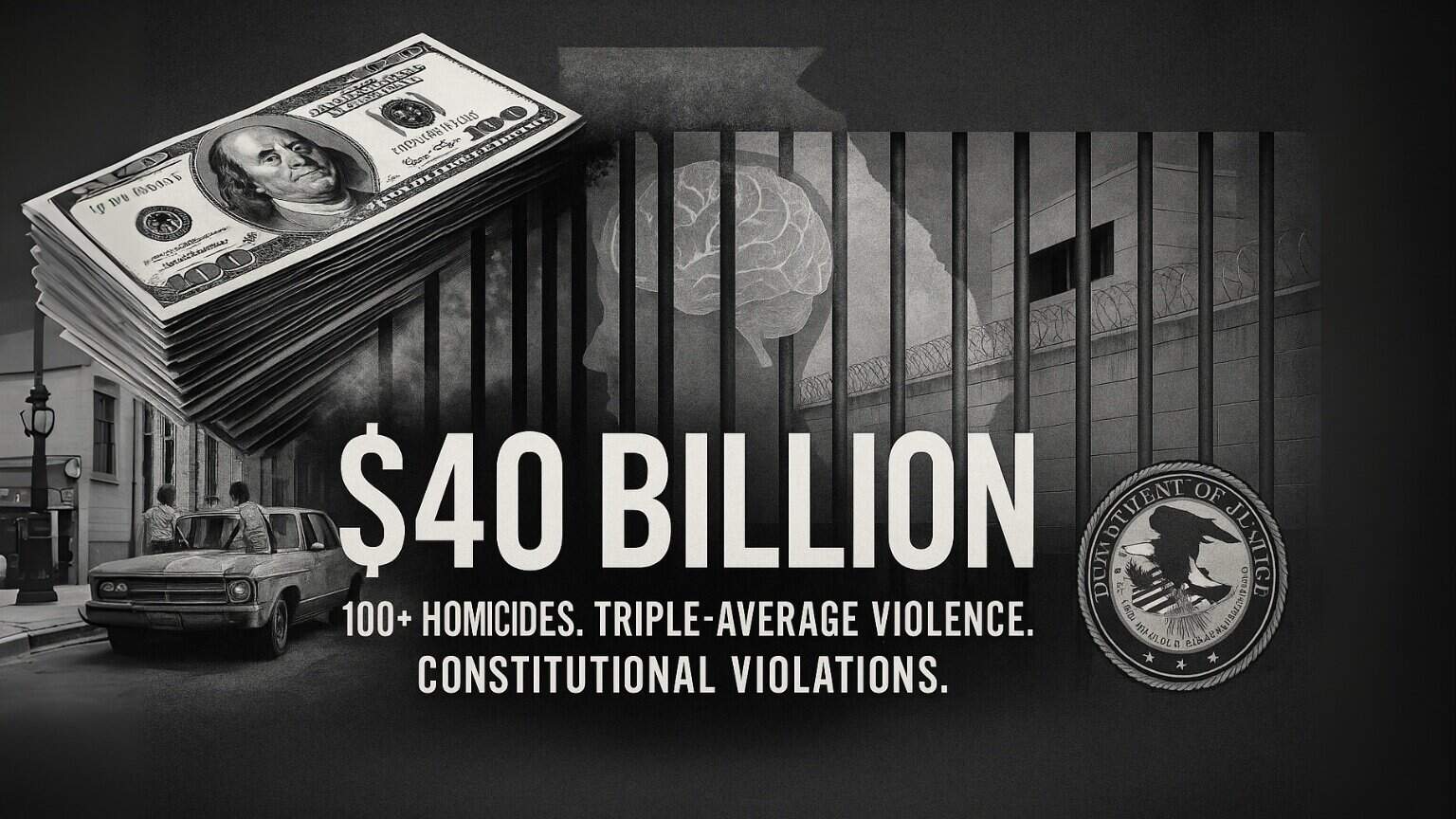
Georgia prison facility with statistics overlay showing 100 homicides and $40 billion spent

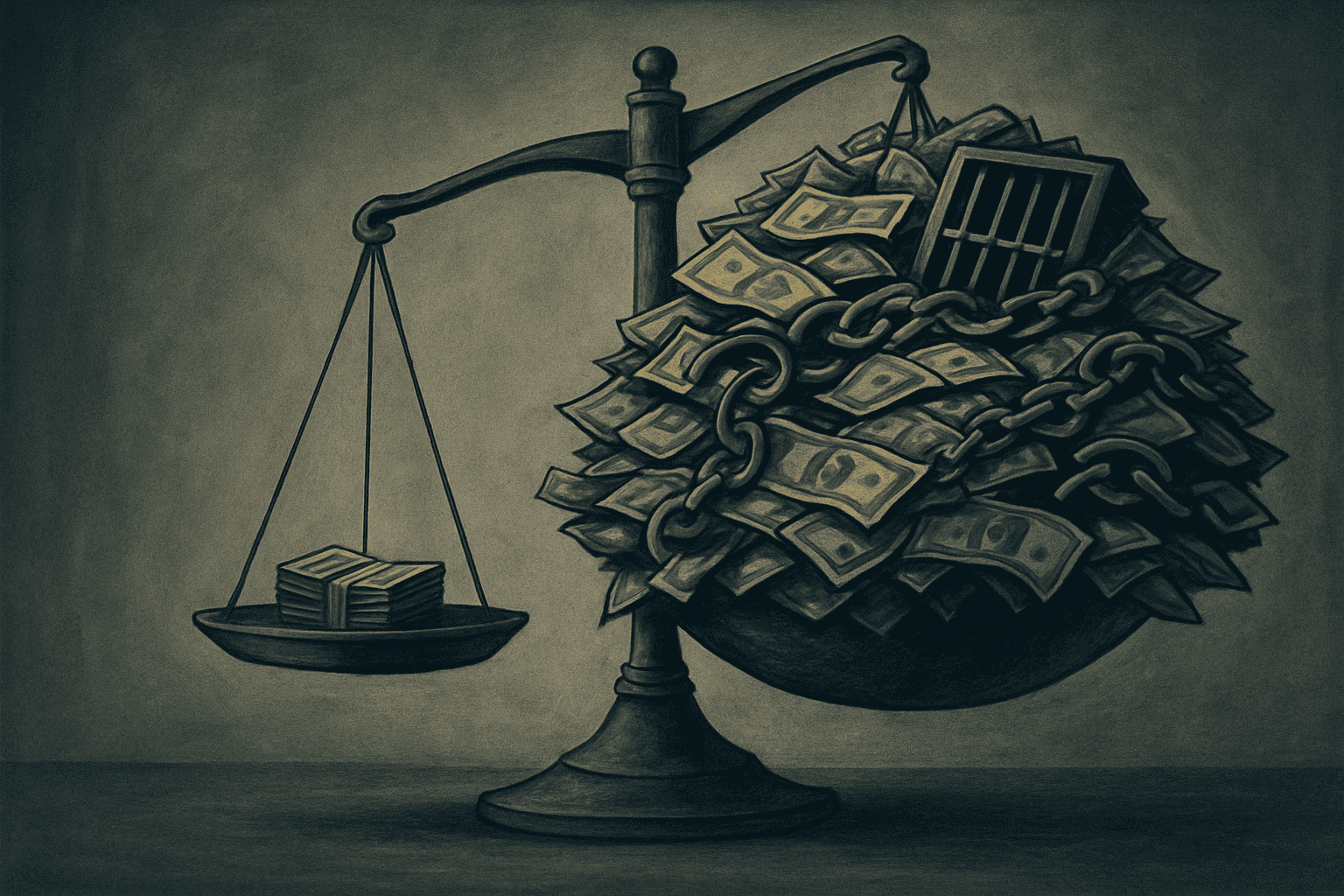
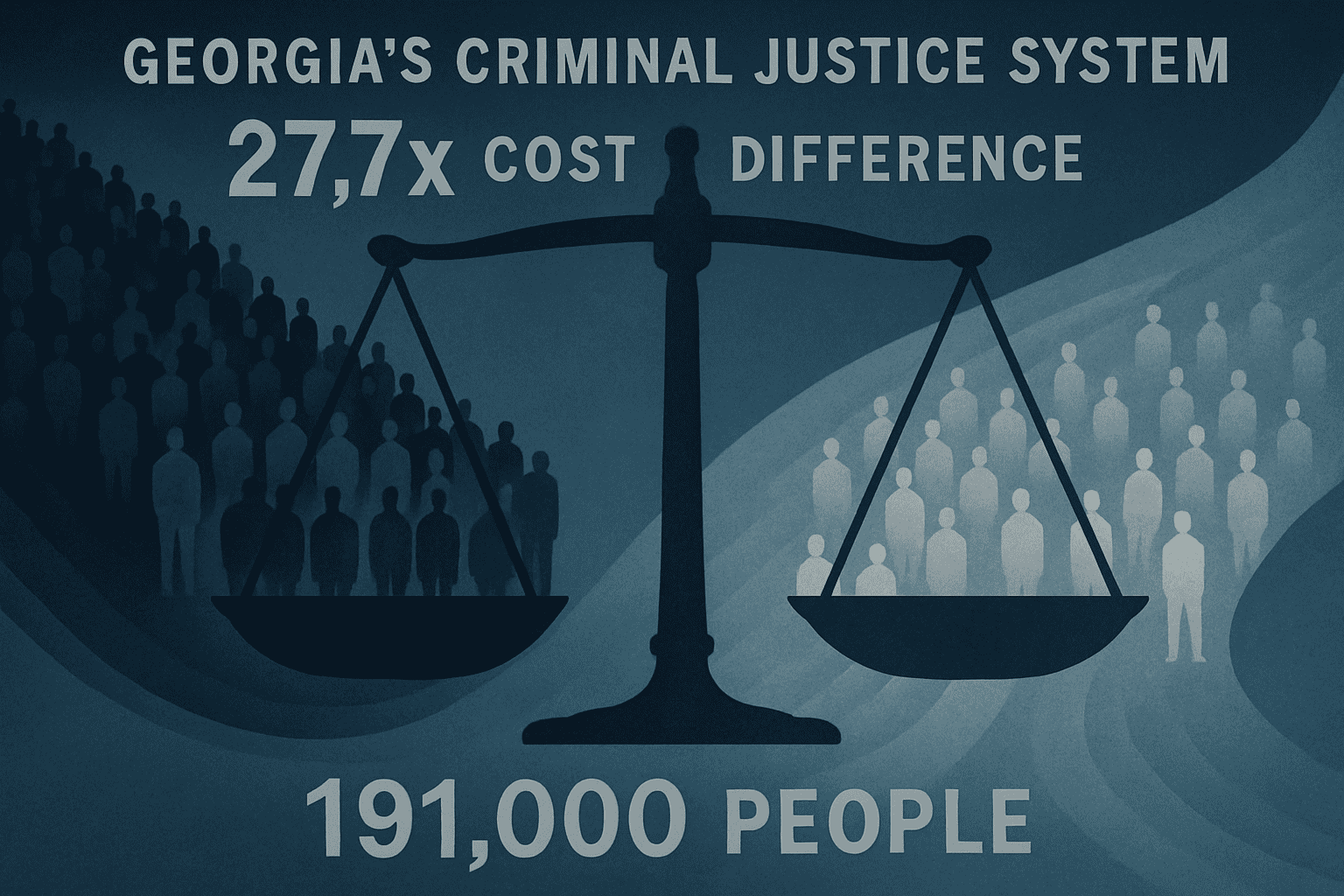
Georgia spent $40 billion on Truth in Sentencing laws that academic research proves make prisons deadlier and increase crime. The policies—rooted in the discredited “superpredator” myth and response to lead poisoning the government allowed for 70 years—created what the DOJ calls “among the most severe constitutional violations” nationwide. One hundred homicides occurred in Georgia prisons in 2024 alone. California and Mississippi reformed similar laws and achieved better safety outcomes at lower cost. The evidence for reform is overwhelming. The question is whether Georgia will act.

Lead poisoning drove America’s crime epidemic

In 1995, Princeton professor John DiIulio warned America of coming “superpredators”—30,000 new “young juvenile criminals so impulsive, so remorseless that they can kill, rape, maim without giving it a second thought.” His predictions, amplified by influential criminologists and adopted by policymakers including Hillary Clinton, drove a mass incarceration frenzy. Three strikes laws, juvenile transfers to adult courts, and draconian sentencing policies imprisoned millions.

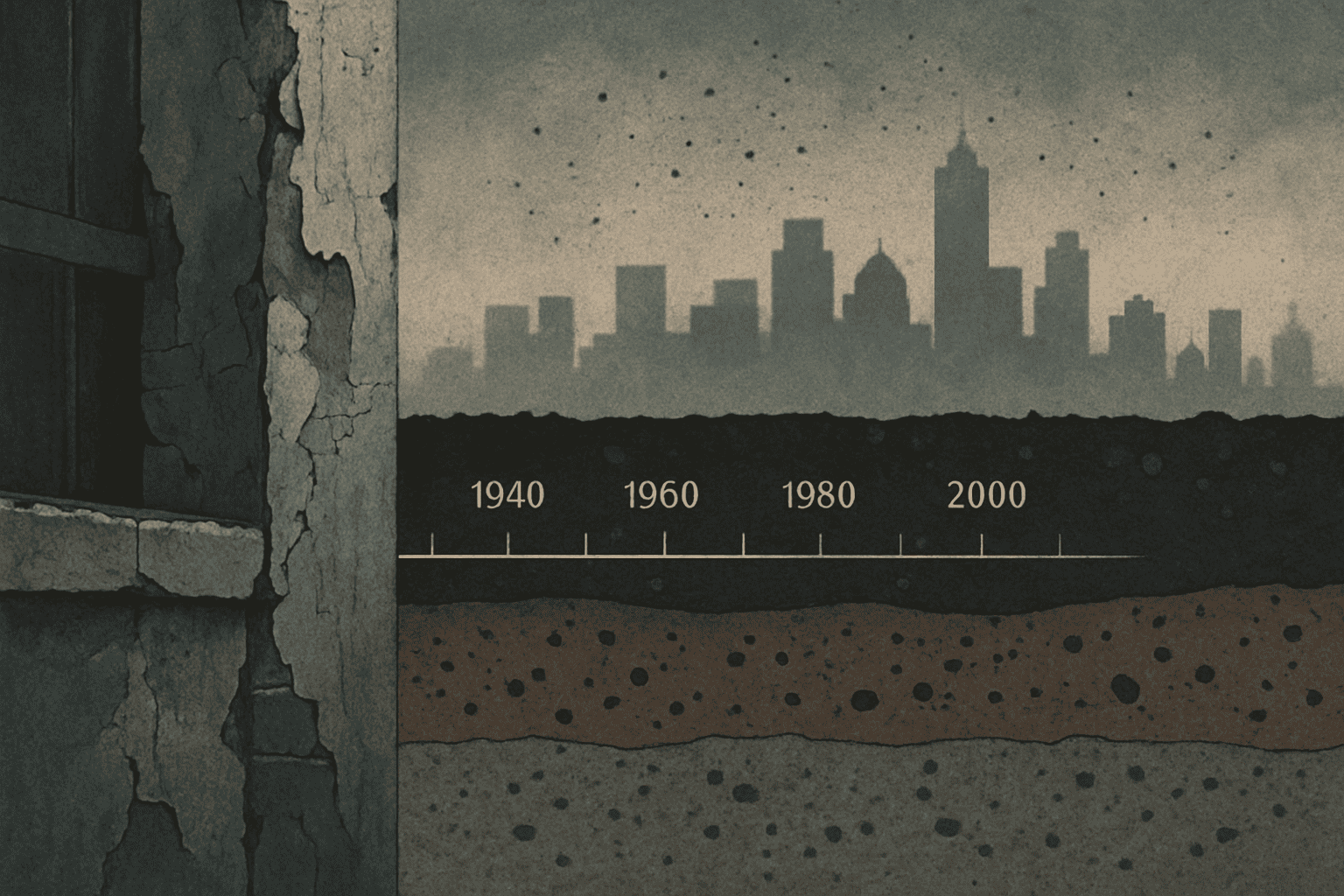
Every prediction proved catastrophically wrong. Crime declined dramatically—but not because of tough-on-crime policies. Multiple lines of scientific evidence reveal the real cause: between 1923 and 1996, the U.S. government allowed 8 million tons of lead from gasoline to poison children’s developing brains. Lead damages the prefrontal cortex, permanently impairing impulse control and increasing aggression. When lead-poisoned cohorts reached their twenties, violent crime surged. As lead-free generations matured, crime plummeted. We didn’t have a moral crisis—we had an environmental poisoning crisis. And we responded by imprisoning the victims.