A Plea for Justice: One Prisoners Story

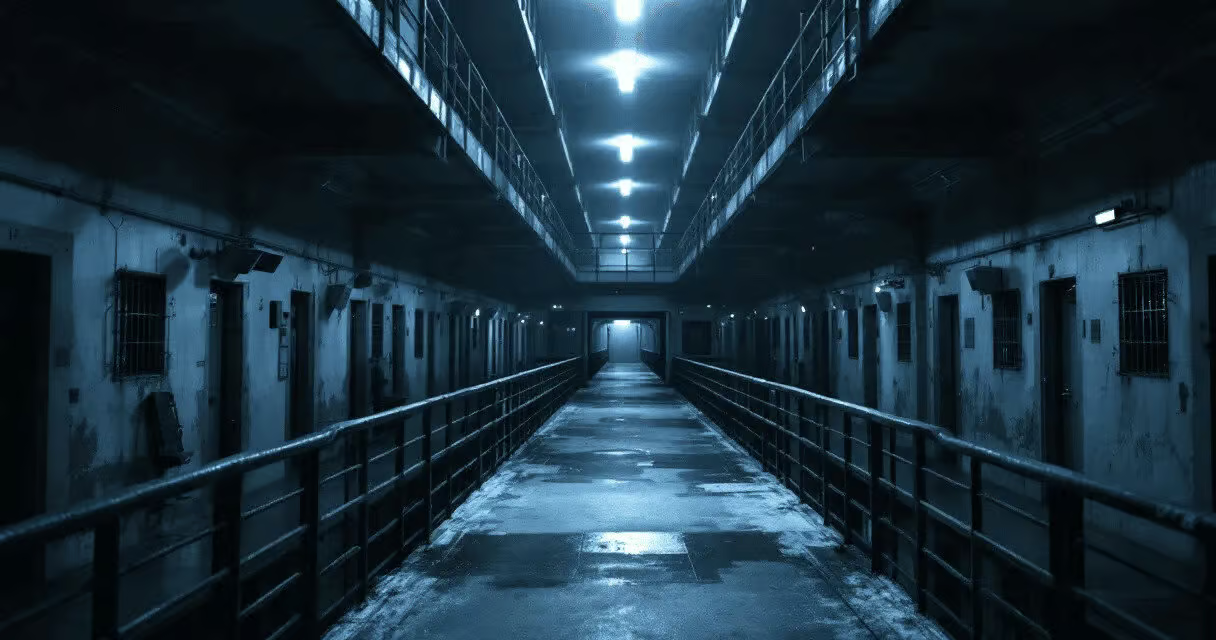
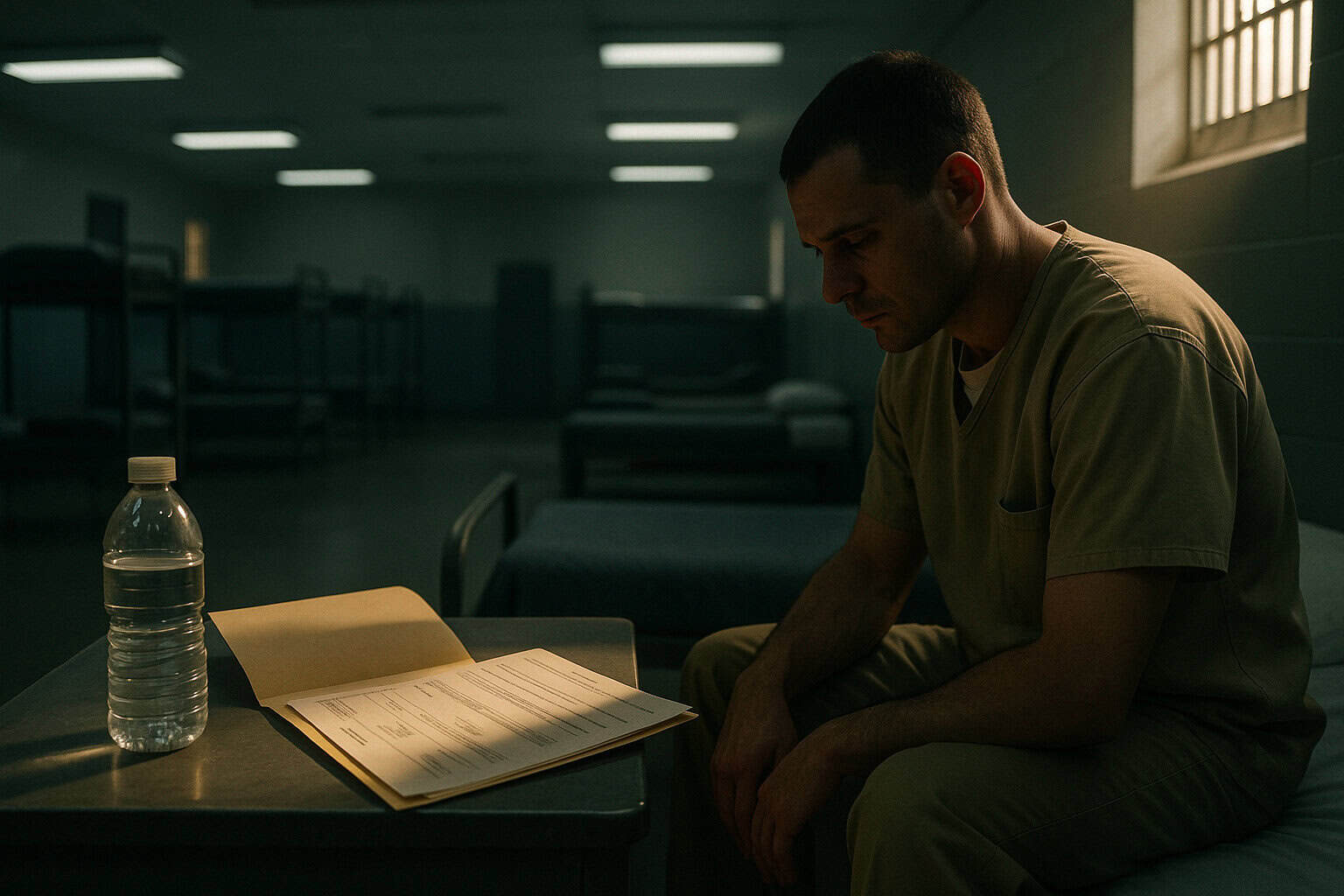
Illustration for the story: A Plea for Justice: One Prisoners Story

Elbert Walker Jr. describes the burden of believing he is held in violation of the law, with evidence of incorrect legal advice and a psychologist’s finding of incompetence, yet receiving no relief. He appeals for justice and reform.

Spiders On The Inside

Illustration for the story: Spiders On The Inside

Bitten twice by brown recluse spiders while incarcerated in Georgia prisons, the author describes the painful reality of venomous spider encounters, medical responses, and the resourcefulness required to survive.

Reopen the Doors — Normalization

Every harm this series documented flows from one choice: Georgia warehouses people instead of preparing them to return. There is a proven alternative — normalization — that is humane, far cheaper, and may be legally required. The finale of End the Warehouse, and the blueprint out.

The Last Thread

Georgia treats family contact — the strongest predictor of going straight — as a privilege to ration and revoke: phone lists capped at twenty, visitation lists changeable only in May and November. An investigation into the connection the state severs by design, and the cheap fix it refuses.

Social Death

Georgia stripped its prisons of work, hope, and a future — and some people answer that emptiness not with drugs or the gang, but by going silent and disappearing while still alive. An investigation into the despair the state manufactures by policy, refuses to treat, and declines to count.

Officer Flowers

Illustration for the story: Officer Flowers

In 1994, I was locked down 24-7 at Georgia State Prison in Reidsville, where men flung feces and boiling baby oil. The federal court fined offenders, but nothing stopped the seriously mentally ill like ‘Cuba,’ released from a Cuban psychiatric institution into a concrete isolation cell.

$150 Million to Watch Them Die: Georgia’s OWL Surveillance Goes Live

On or about June 1, Georgia switches on OWL — the first centralized real-time prison-surveillance hub in American corrections. GPS asks the question the state won’t answer: how does watching reduce a single stabbing, overdose, or suicide, when $150 million bought the eye and $805,000 was left for the classrooms?

The Only Family Left

Georgia stripped its prisons of work, family, and purpose — and left the gangs as the only institution supplying all three. An investigation into how the state manufactured the vacuum its gangs now fill, from Commissioner Wayne Garner’s 1996 purge to today’s TAC-squad raids, and the body count it refuses to publish.

The Existential Vacuum

A person needs a reason to live — Viktor Frankl learned it in the camps. Georgia’s prisons have built an emptiness so total that despair, violence, and addiction are the only things left to fill it. The state cannot hand anyone meaning, but it has bolted shut nearly every door to finding it.

Zombie Dorms

Georgia swears its prisons are drug-free. Inside, a single soup buys hours of oblivion on K2, meth and fentanyl kill, and the state logs overdoses as “natural” — then stops releasing causes of death at all. What idleness manufactures when no one has a reason to stay sober.