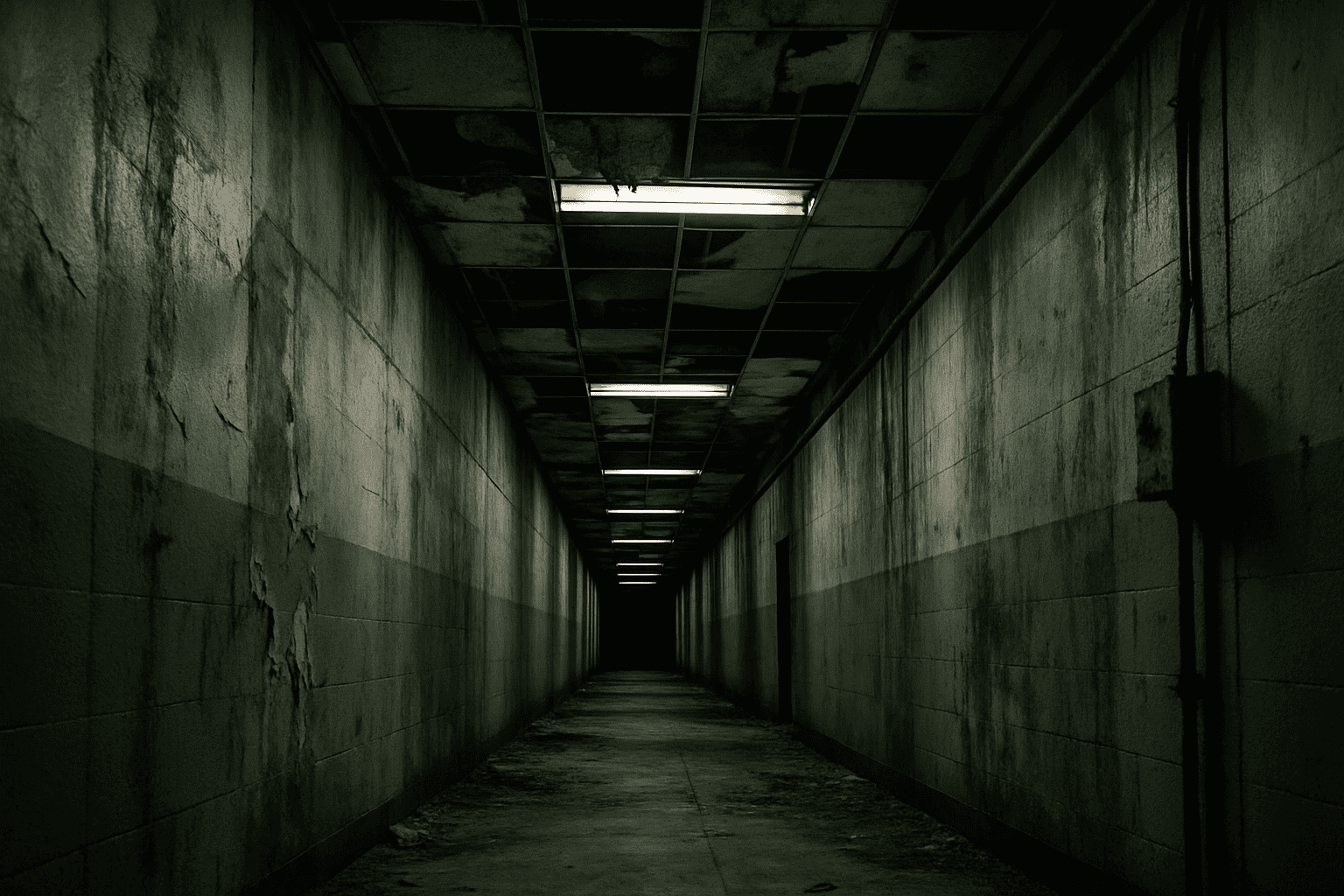
This explainer is based on Georgia Prison Conditions & Infrastructure: Facility Failures and the $600M Plan. All statistics and findings are drawn directly from this source.
Why This Research Matters for Advocacy
This research compilation is one of the most comprehensive snapshots of the infrastructure catastrophe engulfing Georgia’s prison system. It draws from DOJ findings, the Governor’s own $600+ million emergency funding request, Senate Study Committee documentation, and facility-level data to paint an undeniable picture: the State of Georgia has subjected thousands of people to conditions that its own officials describe as requiring “immediate intervention.”
For advocates, this document is a powerful tool because the evidence comes from the state’s own assessments and federal investigators — not from outside critics. When the DOJ finds that broken cell locks allow people to be victimized by violence and sexual assault, when a Senate committee documents fire suppression systems that don’t work, when the Governor himself asks for over $600 million in emergency repairs — the state has already admitted the crisis. Your job is to hold them accountable for fixing it.
This research matters right now because:
- The $600+ million infrastructure plan is moving through the appropriations process. Advocates need to ensure funding is adequate, timely, and accompanied by real oversight.
- The DOJ investigation findings create federal leverage. These documented conditions could support federal enforcement actions, consent decrees, or litigation.
- Staffing vacancies remain catastrophic. Eight facilities have correctional officer vacancy rates of 70% or higher, meaning infrastructure repairs alone will not protect people in these facilities.
- The Senate Study Committee recommended closing obsolete facilities and building replacements — a recommendation that opens the door for advocates to push for decarceration and population reduction as part of the solution.
Every data point in this compilation is ammunition. Use it to demand accountability, drive media coverage, shape legislation, and build coalitions that center the safety and dignity of people behind Georgia’s prison walls.
Key Takeaway: The state’s own officials, investigators, and committees have documented a crisis so severe that it requires over $600 million in emergency funding — advocates must use this self-indictment to demand immediate, accountable action.
Talking Points
Georgia is warehousing people in facilities that its own government admits are unsafe. The DOJ found that GDC prisons are dangerous due to aging, inadequately maintained facilities — many built over 50 years ago with minimal maintenance — where broken cell locks, non-functional cameras, black mold, and raw sewage are the norm, not the exception.
Broken cell locks throughout the system mean Georgia cannot protect people from violence and sexual assault. The DOJ identified broken cell locks as one of the most critical safety issues: people can move freely between cells, and officers cannot secure housing units during emergencies. The state is failing its most basic duty of care.
Georgia is packing people into prisons at more than double their designed capacity. Facilities designed for approximately 750 people are now holding 1,700+ individuals. Smith State Prison, designed for far fewer, now houses approximately 1,500 men. This overcrowding drives violence, disease, and accelerates infrastructure collapse.
Eight Georgia prisons have correctional officer vacancy rates of 70% or higher. Valdosta State Prison operates at an 80% vacancy rate while housing the highest percentages of both gang members and people with mental illness. At Smith State Prison, officers are working 16-hour days, 5 days a week because only half the needed staff show up.
Governor Kemp’s own administration requested $600+ million in emergency funding because conditions require “immediate intervention.” This is not an advocacy organization’s assessment — this is the state’s own Guidehouse assessment concluding that Georgia’s prison infrastructure is in crisis. And even GDC Commissioner Oliver acknowledges the work will take years beyond the 18-month funding period.
Decades of neglect have made this crisis far more expensive than it needed to be. Deferred maintenance costs 3-5 times more than preventive maintenance. Georgia taxpayers are now paying $1.62 billion annually for a system that cannot keep people safe, housed in humane conditions, or in facilities that meet basic health and fire safety standards.
The Senate Study Committee found fire suppression systems that are inadequate or non-functional, kitchens failing health standards, and HVAC failures creating health hazards. These are not inconveniences — they are life-threatening conditions imposed on people who have no ability to leave.
Adding 446 prison beds and a 4% salary increase will not solve a crisis this deep. When facilities are crumbling, locks don’t work, and vacancy rates exceed 70%, the state must pursue population reduction alongside infrastructure investment. The Senate Study Committee itself recommended closing the most obsolete facilities.
Key Takeaway: These eight talking points, each grounded in state and federal findings, give advocates ready-to-use language for any setting — from committee testimony to coalition meetings.
Important Quotes
The following quotes are drawn directly from the research compilation and can be cited in testimony, letters, and media materials:
“Broken cell locks are one of the most critical safety issues. Inmates can move freely between cells, enabling violence, drug transactions, and sexual assault. Officers cannot secure housing units during emergencies.”
— DOJ Findings, Physical Plant Failures section, Lock Failures subsection“Facilities designed for ~750 prisoners now cramming 1,700+ inmates. Prisons operating at more than double their designed capacity.”
— Physical Plant Failures section, Overcrowding subsection“Many Georgia prisons were built 50+ years ago with minimal maintenance. Cell locks are broken throughout the system. Security cameras are broken or non-functional in critical areas. Black mold throughout housing units. Plumbing failures leading to raw sewage in living areas.”
— Physical Plant Failures section, Key Infrastructure Findings“Work expected to take years beyond the 18-month funding period (per GDC Commissioner Oliver). Assessment described conditions as requiring ‘immediate intervention.'”
— Governor Kemp’s $600M Infrastructure Plan section, Timeline“80% correctional officer vacancy rate (April 2024). Highest percentages of both gang members and mental health inmates.”
— Facility-Level Conditions section, Valdosta State Prison subsection“Each shift should have 30 officers for ~1,500 men. Most days only half that number actually present. Officers working 16-hour days, 5 days a week.”
— Facility-Level Conditions section, Smith State Prison subsection“8 facilities with CO vacancy rates of 70%+. 18 prisons with vacancy rates exceeding 60%.”
— Facility-Level Conditions section, System-Wide subsection“Deferred maintenance estimated to cost 3-5x more than preventive maintenance.”
— Economic Context section“Buildings in severe disrepair requiring immediate attention. HVAC system failures creating health hazards. Fire suppression systems inadequate or non-functional. Kitchen and food service areas failing health standards.”
— Senate Study Committee on Facility Conditions, December 2024
Key Takeaway: These direct quotes from state and federal sources carry maximum credibility — use them to let the government’s own words make the case for urgent reform.
How to Use This in Your Advocacy
Legislative Testimony
When testifying before Georgia legislative committees — particularly Appropriations, Public Safety, or any committee reviewing the Governor’s $600+ million infrastructure request — frame your testimony around three pillars:
The state created this crisis through decades of neglect. Emphasize that many facilities were built 50+ years ago with minimal maintenance, and that deferred maintenance now costs 3-5 times more than preventive maintenance would have. This is not an unavoidable disaster — it is the predictable result of policy choices.
The proposed response is insufficient without population reduction and independent oversight. The plan adds only 446 prison beds while facilities operate at more than double their designed capacity. A 4% salary increase will not solve an 80% vacancy rate at Valdosta. Demand that legislators couple infrastructure spending with decarceration measures and require independent facility inspections.
People are being harmed right now. Ground every data point in human impact. Broken cell locks mean people are vulnerable to violence and sexual assault. Raw sewage in living areas means people are exposed to disease. Non-functional fire suppression systems mean people could die in a fire that a working system would contain.
Public Comment
During public comment periods on budget proposals, GDC policies, or related regulatory actions:
- Lead with the DOJ findings — they carry federal authority and are difficult for state officials to dismiss.
- Cite the $600+ million price tag as evidence that the state has quantified the crisis it created. Demand timelines, milestones, and public reporting on how funds are spent.
- Ask specifically: What happens to the people living in these conditions during the “years” Commissioner Oliver says repairs will take? What interim protections will be provided?
Media Pitches
This research supports several compelling story angles:
- “Georgia’s $600 Million Confession” — The Governor’s own funding request is an admission that the state has failed. Pitch this as an accountability story: How did conditions get this bad? Who was responsible for maintenance budgets over the past decades?
- “80% Vacant: Inside Georgia’s Most Dangerous Prison” — Valdosta State Prison’s vacancy rate, combined with its population of people with mental illness, is a crisis within the crisis. Pitch this as an investigative feature.
- “Double Capacity, Half the Staff” — The math is devastating: facilities at 2x capacity with 70%+ staff vacancies. Pitch this as a data-driven explainer with human impact.
- “Workers and inmates report ‘human rights crisis'” — Coastal State Prison, described as “looking like a homeless encampment,” is a story that puts a face on the data.
Coalition Building
This research is a coalition-building tool because it affects multiple constituencies:
- Families of incarcerated people are directly affected by unsafe conditions, violence enabled by broken locks, and health hazards from mold and sewage.
- Correctional officer unions and associations share concerns about staffing — officers working 16-hour days, 5 days a week at Smith State Prison are also victims of the state’s neglect.
- Fiscal conservatives should be alarmed that deferred maintenance costs 3-5 times more than preventive maintenance and that the total GDC budget is $1.62 billion for a system producing these outcomes.
- Disability rights organizations should know that the Senate Study Committee found ADA compliance issues across most facilities.
- Public health advocates should be engaged around black mold, raw sewage, HVAC failures, and kitchens failing health standards.
Use the shared data to bring these groups to the table. Everyone has a reason to demand change.
Written Communications
When writing to legislators, the Governor’s office, GDC leadership, or media:
- Open with the most powerful statistic for your audience. For fiscal hawks: $600+ million in emergency repairs because maintenance was deferred. For human rights advocates: broken locks enabling violence and sexual assault. For public safety voices: 8 facilities with 70%+ vacancy rates.
- Always cite the source: DOJ findings (October 2024), Senate Study Committee (December 2024), Governor’s infrastructure plan (January 2025). These are not advocacy claims — they are government findings.
- Close with a specific ask: fund independent oversight, require public reporting on repair timelines, reduce the prison population to match designed capacity, close obsolete facilities as the Senate committee recommended.
Key Takeaway: Every advocacy context — testimony, public comment, media, coalitions, and written communications — has specific entry points in this research; tailor your approach to your audience but always ground it in the state’s own findings.
Use Impact Justice AI
Need help turning this research into advocacy materials? Impact Justice AI can help you:
- Draft legislative testimony using the statistics and quotes from this compilation
- Write letters to elected officials tailored to specific committees or policy proposals
- Generate media pitches and press releases with the most compelling data points
- Create public comment submissions grounded in DOJ findings and state assessments
- Build coalition outreach emails that connect this research to different stakeholders’ concerns
Impact Justice AI draws on GPS research and data to help you create polished, evidence-based advocacy materials quickly. Whether you’re preparing for a hearing tomorrow or building a long-term campaign, this tool can save you hours of drafting time while ensuring your materials are grounded in verified research.
Visit https://impactjustice.ai to get started.
Key Takeaway: Impact Justice AI at https://impactjustice.ai can help advocates quickly generate testimony, letters, media pitches, and other materials using this research.
Key Statistics
The following statistics are drawn directly from the source compilation and are ready to use in testimony, letters, and media materials.
Infrastructure & Conditions
| Statistic | Context | Source |
|---|---|---|
| 50+ years | Age of many Georgia prison facilities, built with minimal maintenance since construction | Physical Plant Failures section, Key Infrastructure Findings |
| ~750 designed capacity → 1,700+ held | Facilities operating at more than double their designed capacity | Physical Plant Failures section, Overcrowding subsection |
| ~1,500 men | Current population at Smith State Prison, designed for far fewer | Physical Plant Failures / Facility-Level Conditions, Smith State Prison |
Staffing Crisis
| Statistic | Context | Source |
|---|---|---|
| 80% vacancy rate | Correctional officer vacancy rate at Valdosta State Prison (April 2024), described as one of the most dangerous facilities in the state | Facility-Level Conditions, Valdosta State Prison |
| 8 facilities at 70%+ vacancy | Number of Georgia prisons with correctional officer vacancy rates of 70% or higher | Facility-Level Conditions, System-Wide |
| 18 prisons at 60%+ vacancy | Number of Georgia prisons with correctional officer vacancy rates exceeding 60% | Facility-Level Conditions, System-Wide |
| 30 officers needed per shift → ~15 present | Smith State Prison staffing shortfall: most days only half the needed officers are present for ~1,500 men | Facility-Level Conditions, Smith State Prison |
| 16-hour days, 5 days a week | Schedule worked by correctional officers at Smith State Prison due to staffing shortages | Facility-Level Conditions, Smith State Prison |
Funding & Costs
| Statistic | Context | Source |
|---|---|---|
| $600+ million | Governor Kemp’s total emergency infrastructure funding request over 18 months | Governor Kemp’s $600M Infrastructure Plan, Funding |
| $458 million | FY 2025 infrastructure allocation | Governor Kemp’s $600M Infrastructure Plan, Funding |
| $144 million | FY 2026 infrastructure allocation | Governor Kemp’s $600M Infrastructure Plan, Funding |
| $40 million | Allocated for prison planning and design | Governor Kemp’s $600M Infrastructure Plan, Funding |
| $1.62 billion | Total proposed GDC budget for FY2026 | Economic Context, Annual System Costs |
| $86.61 per day | Cost per incarcerated person per day | Economic Context, Annual System Costs |
| $31,612 per year | Annual cost per incarcerated person | Economic Context, Annual System Costs |
| 3-5x more expensive | Cost of deferred maintenance vs. preventive maintenance | Economic Context, Annual System Costs |
Governor’s Plan Components
| Statistic | Context | Source |
|---|---|---|
| 446 beds | Prison beds to be added to existing contracts | Governor Kemp’s $600M Infrastructure Plan, Infrastructure Priorities |
| 330 workers | Additional workers to be hired | Governor Kemp’s $600M Infrastructure Plan, Staffing Component |
| 4% salary increase | Proposed raise for correctional officers | Governor Kemp’s $600M Infrastructure Plan, Staffing Component |
Key Takeaway: These verified statistics — from facility overcrowding to vacancy rates to the $600+ million emergency request — are ready to copy into testimony, letters, and media materials with full source attribution.
Read the Source Document
📄 Read the full research compilation (PDF)
We encourage advocates to review the complete source document, which includes additional facility-level detail, the full Senate Study Committee recommendations, and economic analysis supporting the findings summarized here.
Other Versions
This analysis is available in versions tailored for different audiences:
- 📋 Public Version — Accessible overview for community members, families, and the general public
- 🏛️ Legislator Version — Policy-focused briefing for elected officials and their staff
- 📰 Media Version — Story angles, key data, and background for journalists and editors
Sources & References
- Coastal State Prison Conditions Reports (2026) (2026-01-01) Official Report
- GDC Commissioner Oliver Statements on Infrastructure Timeline — GDC Commissioner Oliver. Georgia Department of Corrections (2025-01-01) Official Report
- GDC FY2026 Proposed Budget. Georgia Department of Corrections / State of Georgia (2025-01-01) Official Report
- Governor Kemp’s $600M Infrastructure Plan. Office of the Governor of Georgia (2025-01-01) Official Report
- Governor Kemp’s $600M Infrastructure Plan (January 2025). Office of the Governor of Georgia (2025-01-01) Official Report
- Guidehouse Assessment (The Moss Group + Carter Goble Lee) — The Moss Group, Carter Goble Lee. Guidehouse (2025-01-01) Official Report
- Senate Study Committee on Facility Conditions (December 2024). Georgia State Senate (2024-12-01) Official Report
- Senate Study Committee on Facility Conditions Report (December 2024). Georgia State Senate (2024-12-01) Official Report
- DOJ Findings on GDC Prison Conditions (October 2024). U.S. Department of Justice (2024-10-01) Official Report
- DOJ Findings on Georgia Prison Conditions (October 2024). U.S. Department of Justice (2024-10-01) Official Report
- Valdosta State Prison Staffing and Conditions Data (April 2024). Georgia Department of Corrections (2024-04-01) Official Report
- GDC System-Wide Vacancy Rate Data. Georgia Department of Corrections Official Report
Source Document
You just read about people suffering in state custody. The least you can do is make sure other people read it too. Share this story.