Who Is Responsible for Georgia Prison Violence?

Empty correctional officer guard station with abandoned clipboard and radio in a brightly lit Georgia prison hallway, symbolizing the staffing crisis

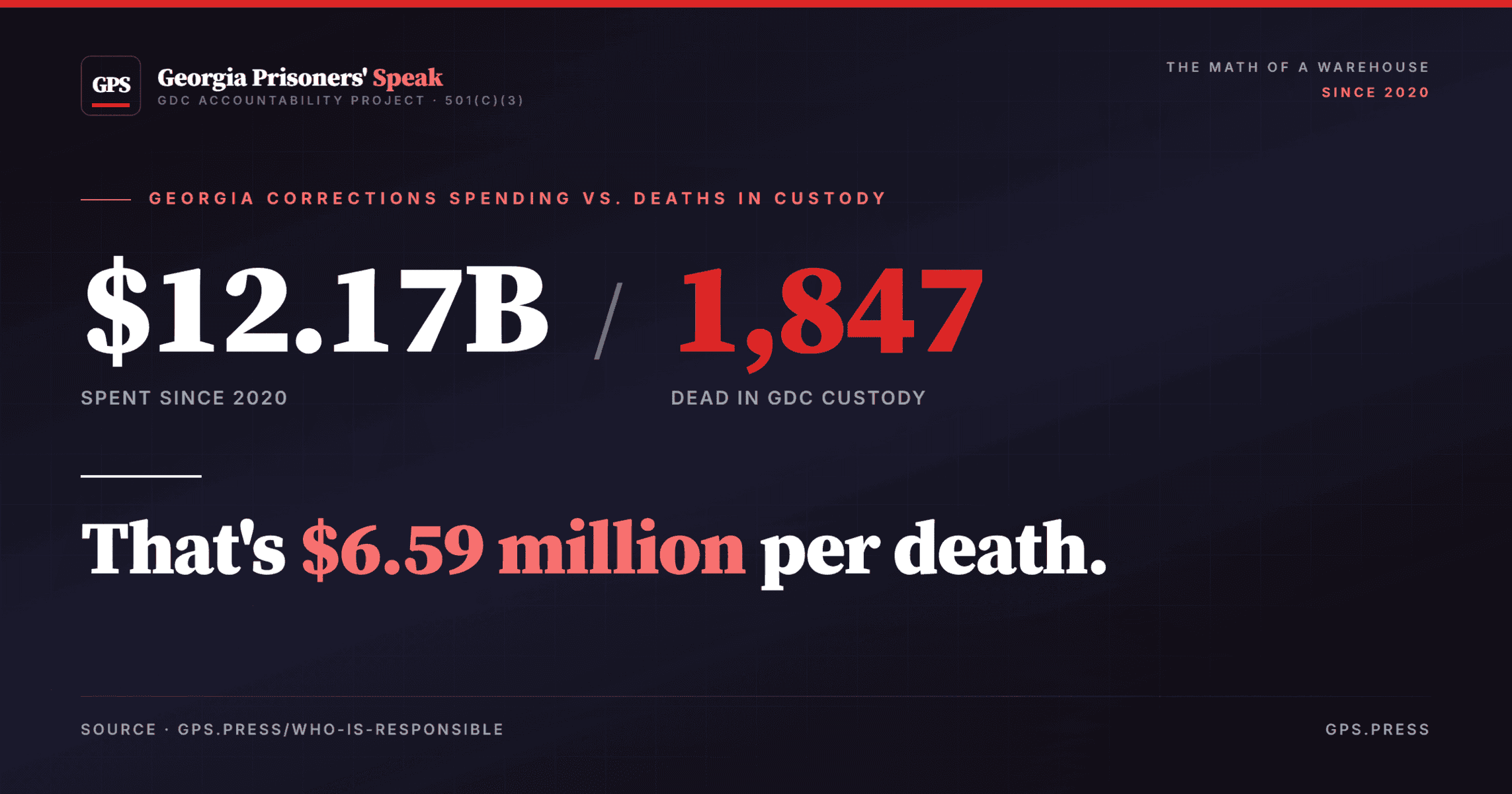
Georgia corrections officials blame younger, more violent inmates for the prison violence crisis. The evidence — from the DOJ, academic research, and Georgia’s own data — tells a very different story. Five systemic failures explain the violence. The inmates didn’t create any of them.

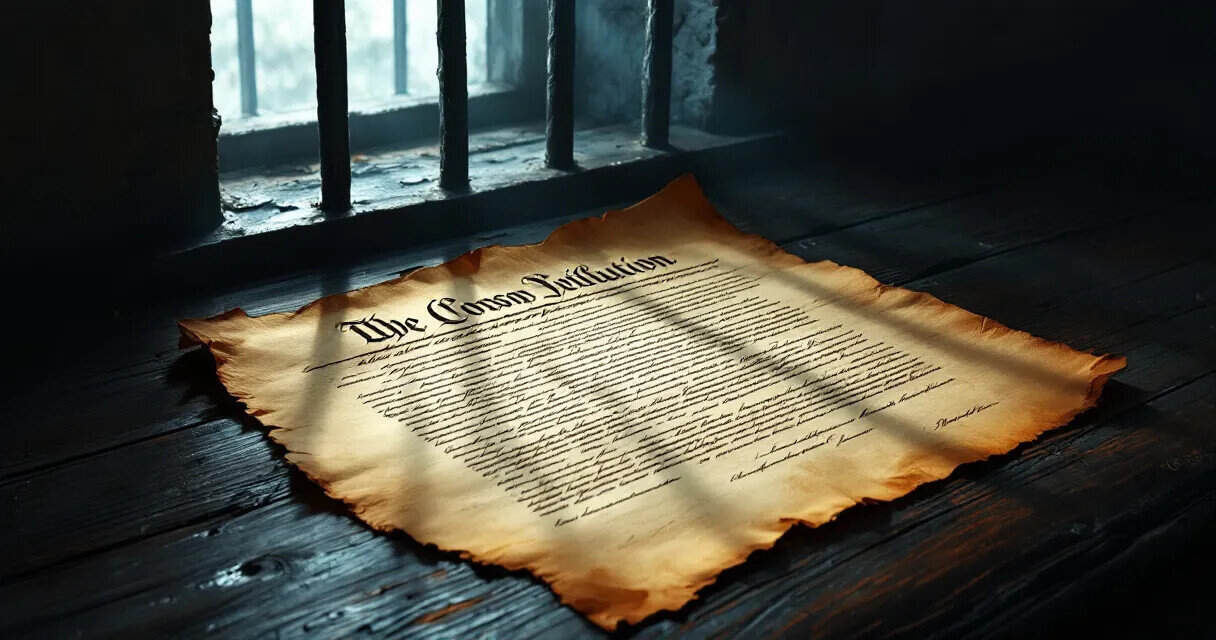
Guthrie v. Evans: 13 Years of Reform, Erased Overnight

In 1972, inmates at Georgia State Prison filed a federal lawsuit that produced the most comprehensive court-ordered reforms ever imposed on a single American prison. Thirteen years of federal oversight transformed the facility. Then Congress handed Georgia the tool to walk away — and the state used it immediately. The same constitutional violations identified fifty years ago were found again in the DOJ’s 2024 investigation.

The Reform That Worked — and the Governor Who Killed It

Georgia already solved its prison crisis once. Governor Deal’s reforms cut the prison population 6%, saved $264 million, and didn’t increase crime. Then Governor Kemp reversed course, adding $700 million in spending while every outcome worsened. The math is on legislators’ desks. Will they choose what works?

Pulaski State Prison Crisis: Untested Warden, Deadly History

Pulaski State Prison - Georgia - Crisis

GPS investigates Pulaski State Prison under Warden Wendy Jackson, tracing how an untested leader inherited a facility scarred by decades of lethal medical neglect, gang violence, sexual assault, and federal findings of unconstitutional conditions — and what families are reporting now.

Three Weeks Under a Bunk: Torture at Macon State Prison

Tortured at Macon SP

Christian Krauch was tortured for three weeks at Macon State Prison in June 2024 — bound, stabbed, burned, and left under a bunk while GDC submitted 168 phantom inmate counts. He lost his right hand and leg to amputation. The state said nothing. No arrests were made.

The Death of Habeas Corpus Is Killing Innocent People

Georgia's restriction on Habeas Corpus electively kills the 830 year writ

For 830 years, habeas corpus protected the innocent from unlawful imprisonment—until Georgia destroyed it. The 2004 four-year deadline traps wrongfully convicted people in a prison system that killed 100+ by homicide in 2024. The Great Writ is dead. The innocent are dying with it.

Separate the Gangs or Keep Burying the Dead

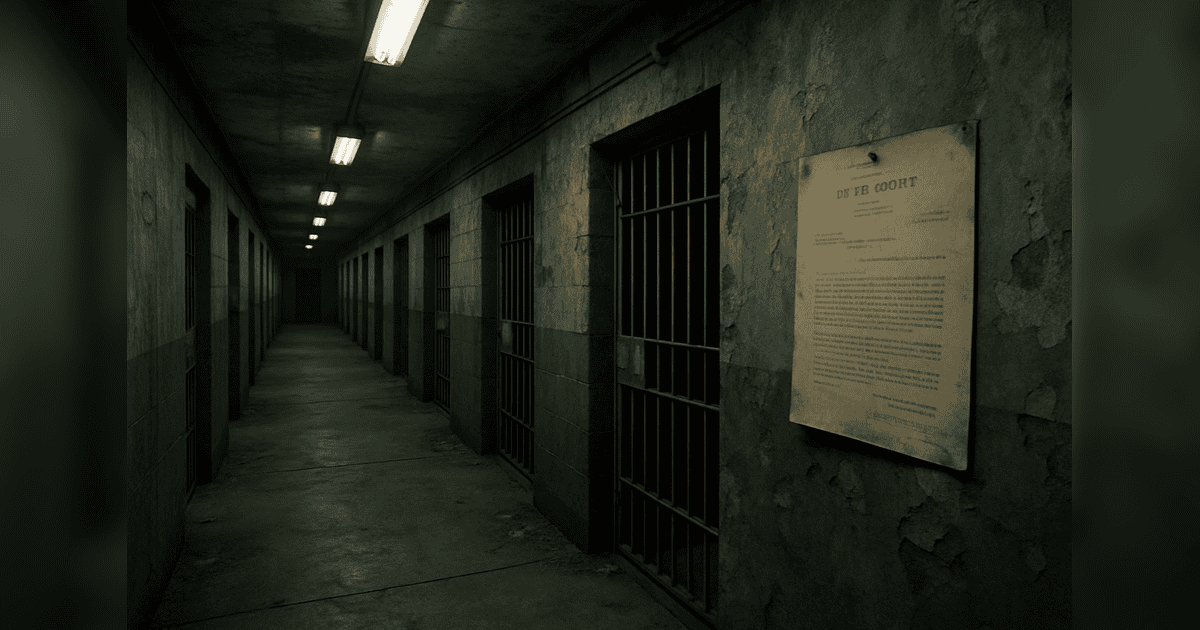
Empty corridor during extended lockdown

The DOJ told Georgia to separate gang members. Georgia refused. Now 100+ die annually. Arizona cut violence 50% with gang segregation. After the January 2026 Washington SP massacre killed 4, Georgia’s prisons remain on lockdown—but lockdowns don’t stop gang wars. They postpone them. Separate the gangs or keep burying the dead.

Does Georgia Profit from Inmate Deaths Through Insurance?

A social media claim suggests GDC profits from inmate deaths through insurance policies. While the “dead peasant insurance” scandal was real for corporations, no evidence supports this theory for prisons. The documented abuses are damning enough.

Report a Problem