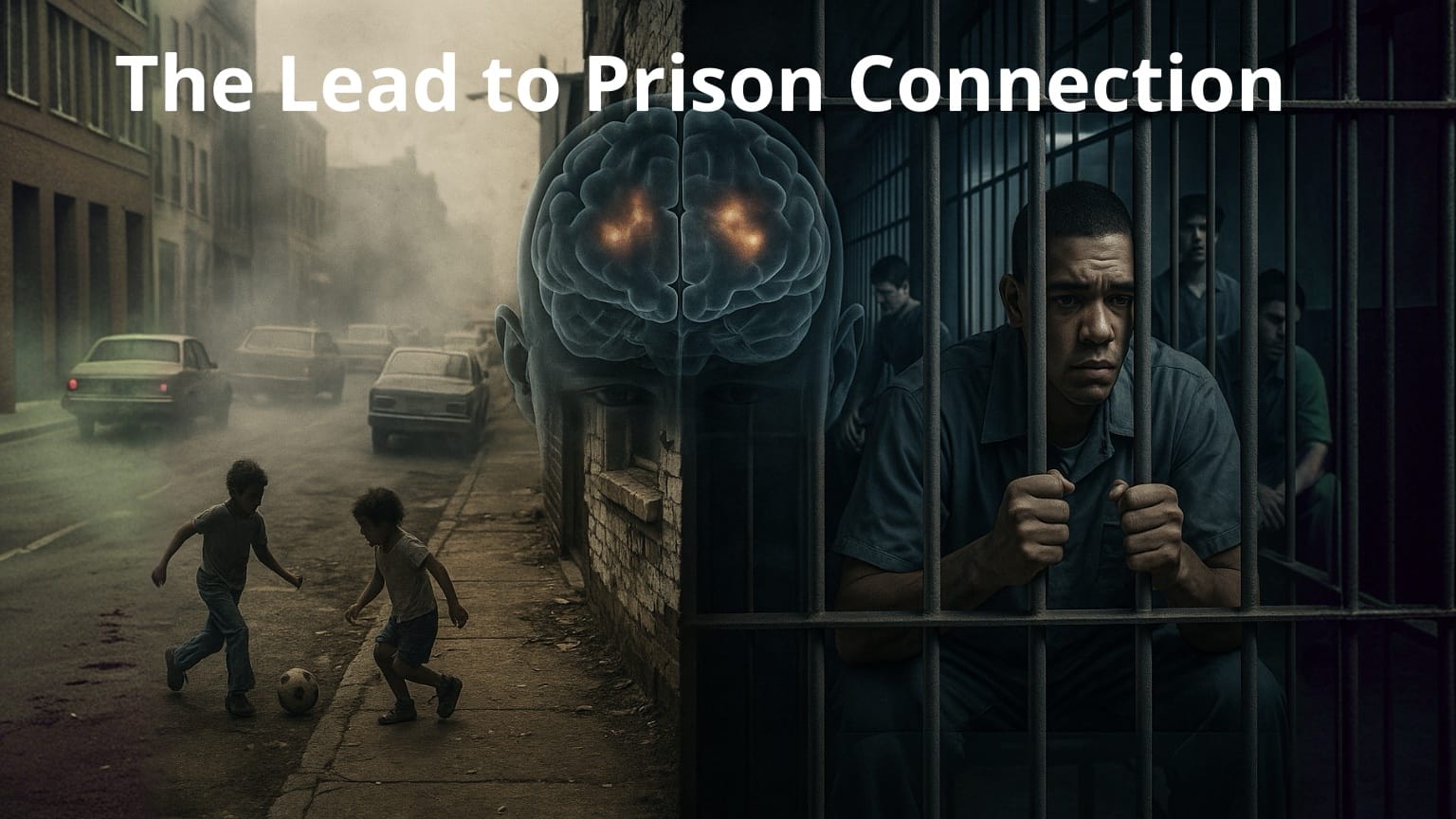
In 1995, Princeton professor John DiIulio warned America of coming “superpredators”—30,000 new “young juvenile criminals so impulsive, so remorseless that they can kill, rape, maim without giving it a second thought.” His predictions, amplified by influential criminologists and adopted by policymakers including Hillary Clinton, drove a mass incarceration frenzy. Three strikes laws, juvenile transfers to adult courts, and draconian sentencing policies imprisoned millions.
Every prediction proved catastrophically wrong. Crime declined dramatically—but not because of tough-on-crime policies. Multiple lines of scientific evidence reveal the real cause: between 1923 and 1996, the U.S. government allowed 8 million tons of lead from gasoline to poison children’s developing brains. Lead damages the prefrontal cortex, permanently impairing impulse control and increasing aggression. When lead-poisoned cohorts reached their twenties, violent crime surged. As lead-free generations matured, crime plummeted. We didn’t have a moral crisis—we had an environmental poisoning crisis. And we responded by imprisoning the victims.