The Crime Lab: How Georgia Built Convictions on Junk Science — and Who Paid for It
Georgia built decades of convictions on discredited forensic science — and unlike 17 other states, never went back to check who was wrongly imprisoned.
Help spread the word — here's how:
- Scroll down to Copy a Caption and hit Copy on the one you want
- Scroll back up and click the Share on Facebook button for your favorite quote image
- On Facebook, paste the caption into your post — or write your own
Copy a Caption
Twitter/X
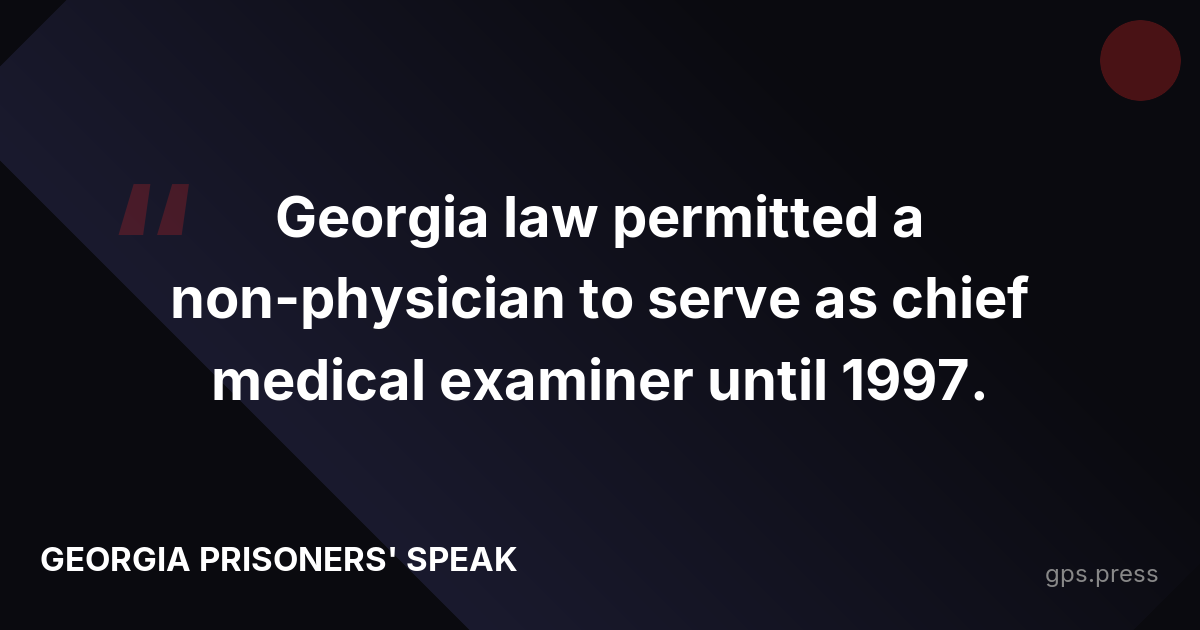
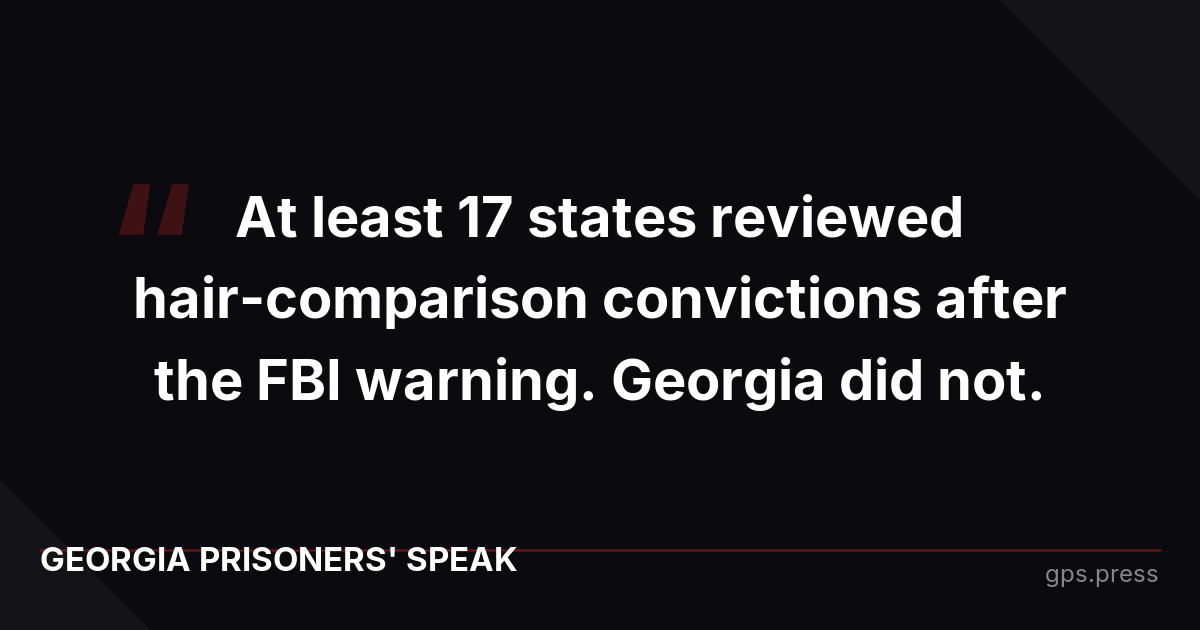
Georgia's top forensic official for 20 years was not a doctor. He was not a pathologist. The state wrote the law so no medical degree was required. At least 17 other states reviewed the convictions built on this junk science. Georgia has not. https://gps.press/the-cr...
Facebook
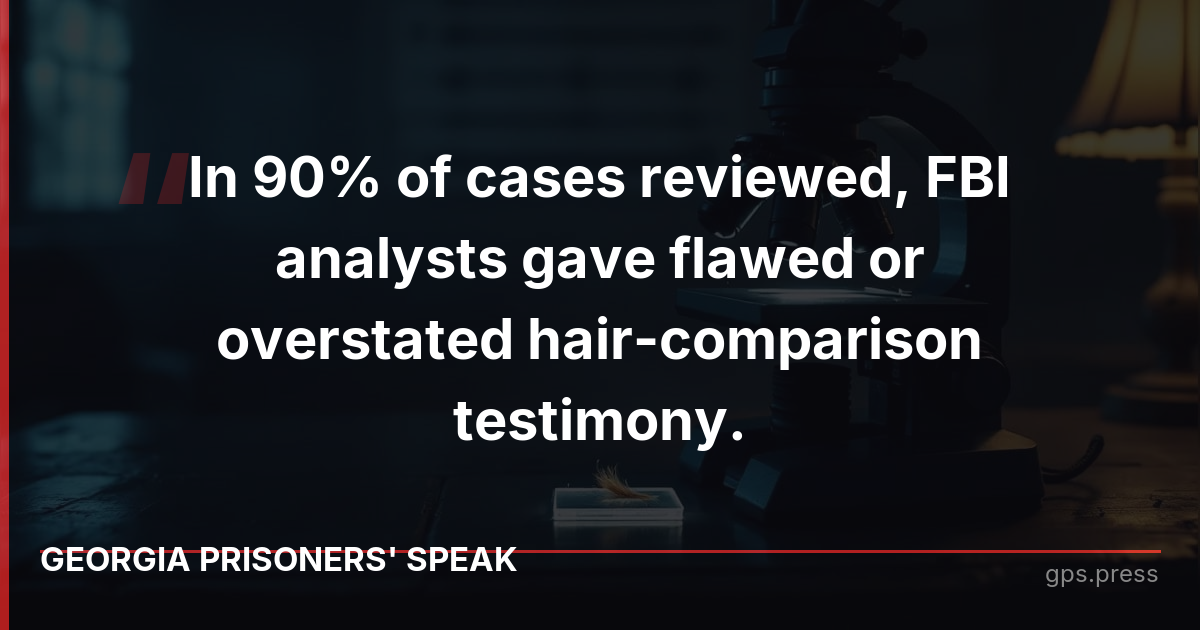
For two decades, one man—not a physician, not a board-certified forensic pathologist—ran Georgia's crime lab and medical examiner system. Larry Howard, known in courtrooms as "Doc," flew his own plane to crime scenes and autopsies. His testimony sent people to death row. The science he relied on—microscopic hair comparison, fiber matching, soil analysis—has since been discredited. The FBI found its own analysts gave flawed testimony in at least 90% of cases reviewed. At least 17 states launched reviews of these convictions after the FBI's warning. Georgia, on the available record, did not. The Georgia Supreme Court just opened the door for challenges based on outdated science. But the state has never counted how many people it convicted using methods it now knows were unreliable. How many people are still in prison—or died there—because Georgia trusted science that wasn't?
Instagram
Georgia's chief forensic authority for nearly 20 years was not a medical doctor. He was not a pathologist. He told juries so under oath. But the state had written the law so no physician was required—a loophole not closed until 1997. The disciplines his lab relied on, including microscopic hair comparison, have since been discredited. A national review found FBI analysts gave flawed testimony in at least 90% of cases. At least 17 states reviewed these convictions. Georgia did not. The cost is measured in decades stolen from innocent people—and guilty ones left free to offend again.
#GAPrisons #ForensicReform #WrongfulConviction #GeorgiaJustice #PrisonReform #JunkScience #GeorgiaPrisonersSpeak
LinkedIn
Georgia's forensic governance structure for nearly two decades presents a case study in institutional failure. From 1969 to 1988, the state's crime laboratory and medical examiner system operated under a single director who was neither a physician nor a board-certified forensic pathologist—a structural arrangement explicitly permitted by a 1953 state law. The disciplines his laboratory employed, including microscopic hair comparison and fiber matching, were later found by the National Academy of Sciences to lack rigorous scientific validation. When the FBI confirmed in 2015 that its own hair-comparison testimony was systematically flawed, it urged states to review convictions their analysts had helped secure. At least 17 states launched such reviews. Georgia, on the available record, did not. The Georgia Supreme Court's 2025 decision in Smith v. State now provides a legal mechanism to revisit convictions built on discredited science. But the state has never conducted the systematic audit necessary to identify the cases that merit review. The question for policymakers is not whether errors occurred—the scientific record confirms they did—but whether Georgia will finally count the cost.