The Punishment for Speaking Up in Georgia's Prisons
Explore the alarming issue of prison retaliation in Georgia. Learn how inmates face repercussions for voicing grievances.
Help spread the word — here's how:
- Scroll down to Copy a Caption and hit Copy on the one you want
- Scroll back up and click the Share on Facebook button for your favorite quote image
- On Facebook, paste the caption into your post — or write your own

Copy a Caption
Twitter/X
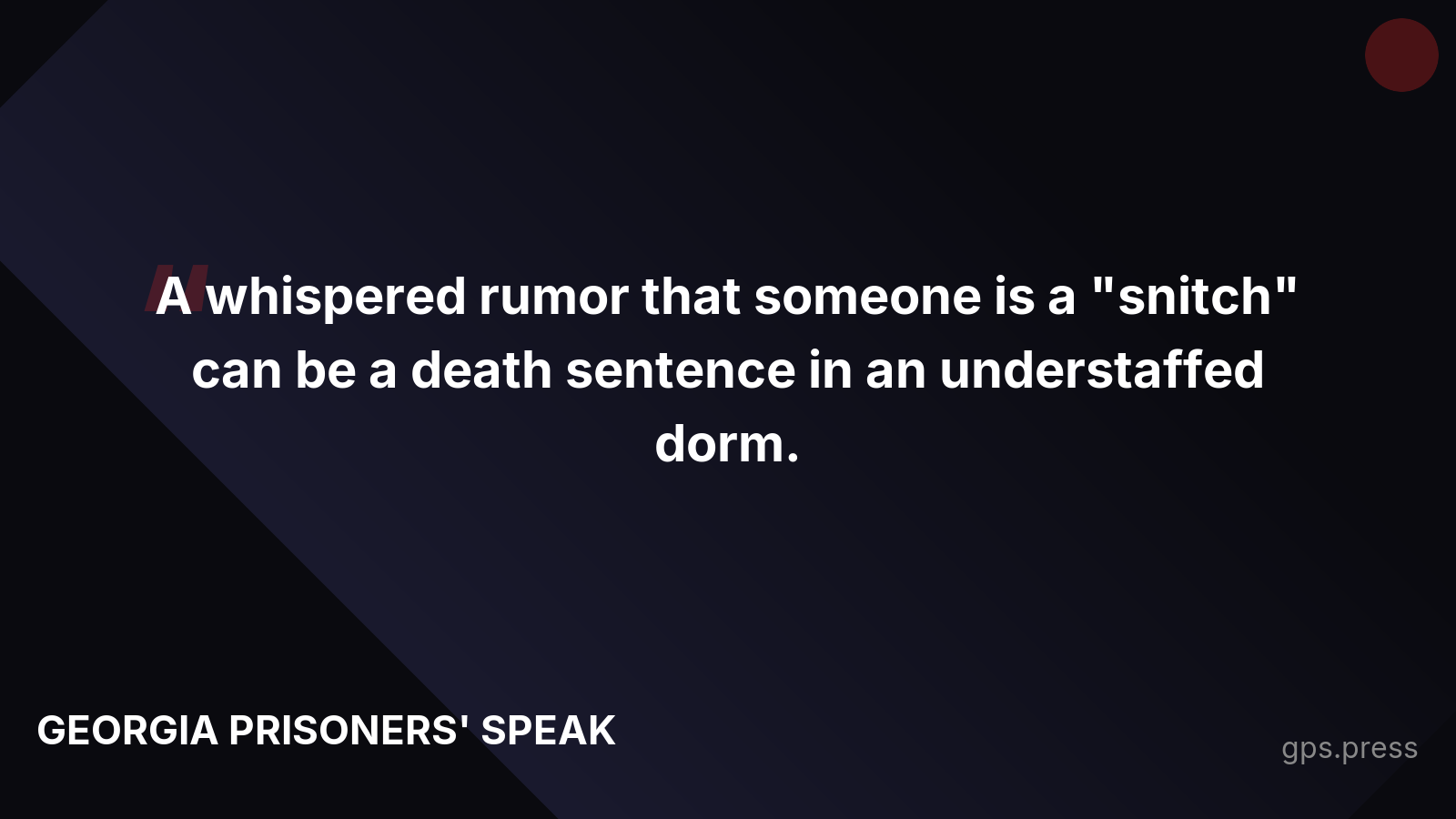
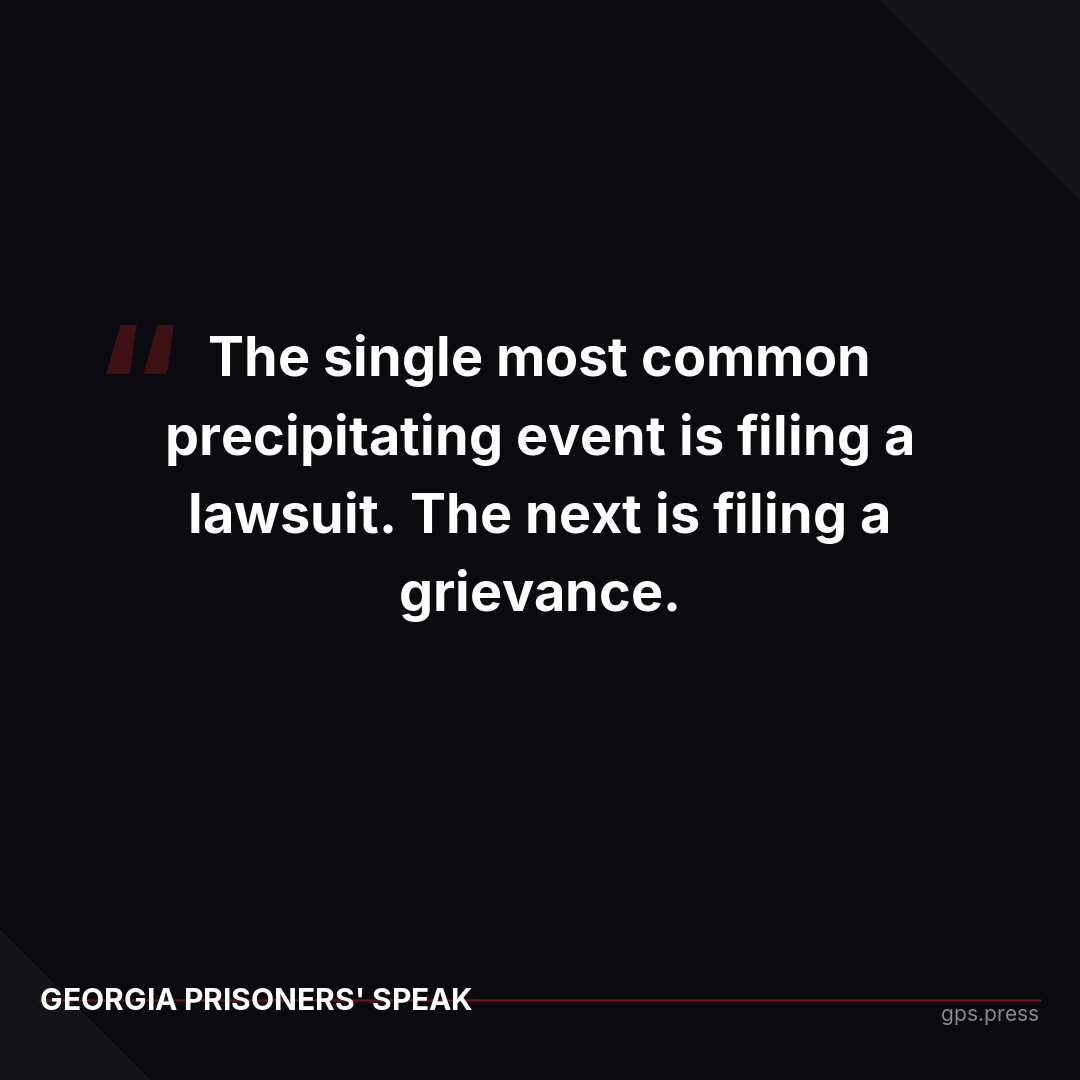
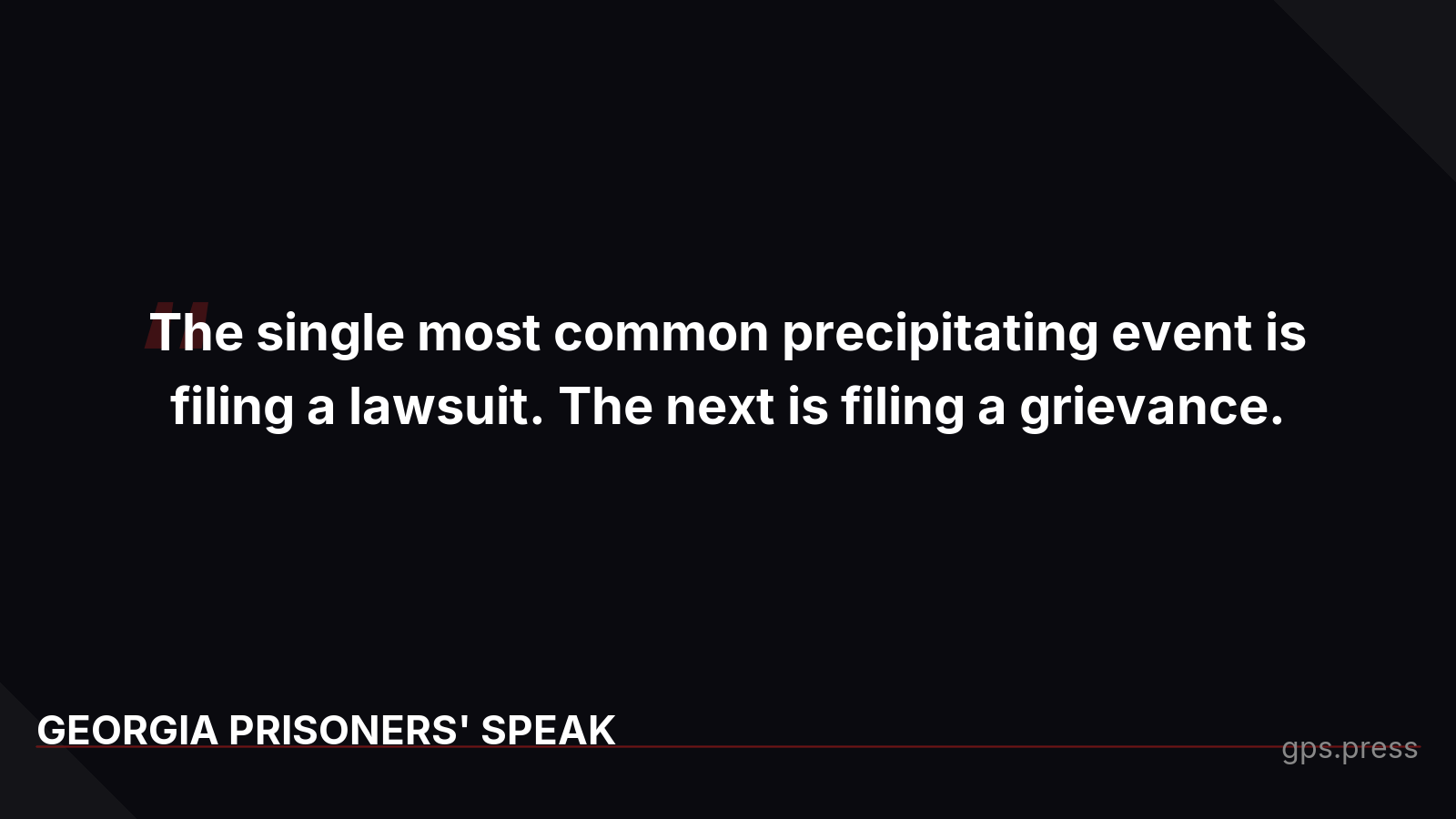
In Georgia's prisons, filing a grievance or lawsuit is the most common trigger for retaliation—transfers to dangerous units, fabricated write-ups, and labels that can be a death sentence. The system punishes accountability. https://gps.press/the-punishment-for-spea...
Facebook
Georgia Prisoners' Speak reviewed hundreds of first-hand accounts from incarcerated people and their families. A pattern emerged that is almost too clean: the most common trigger for retaliation is not misbehavior—it is filing a lawsuit, followed by filing a grievance. The methods that follow repeat, too. Transfers into gang-controlled dorms. Fabricated disciplinary reports. The quiet, deadly work of marking someone as an informant. These are not side effects of a broken system. They are how the system stays broken.
When the Department of Justice found Georgia's prisons unconstitutional in 2024, it described the same empty guard posts and gang-run dorms that make retaliation lethal. The retaliation itself is a choice the department makes every day—and one that violates its own written policy. How many people have to pay for speaking up before Georgia stops punishing accountability?
Instagram
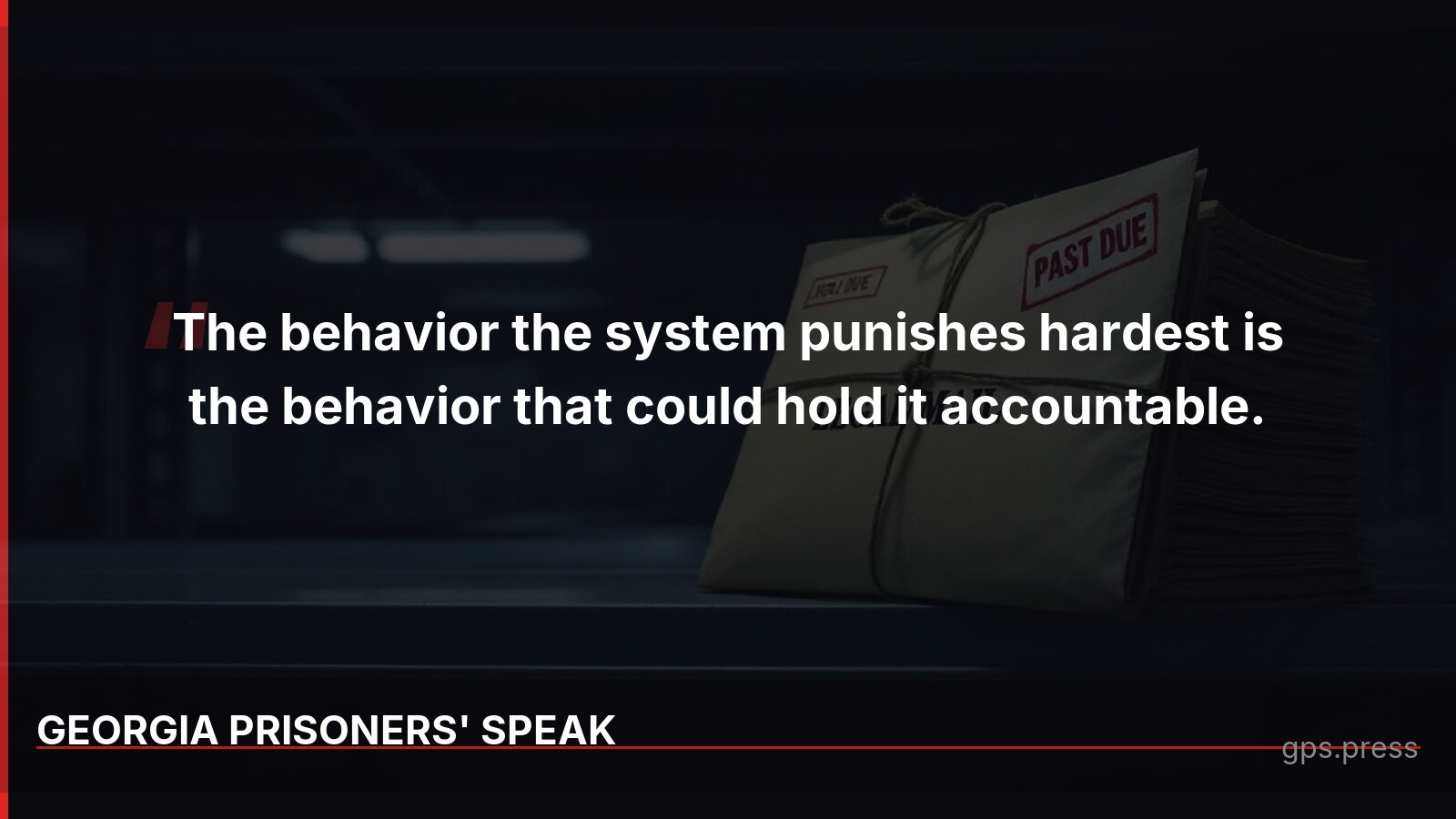
In Georgia's prisons, the people best positioned to document the failure are the ones living inside it. But when they file a grievance, sign a civil-rights complaint, or report a sexual assault, something happens within weeks. A transfer to a more dangerous unit. A disciplinary report for an infraction no one witnessed. A rumor that gets someone killed. GPS reviewed hundreds of accounts and found a pattern that is almost too clean: the behavior the system punishes hardest is the behavior that could hold it accountable. The system is counting on silence. Read the full investigation at the link in our bio.
#GAPrisons #PrisonReform #GeorgiaPrisonerSpeak #CriminalJusticeReform #Accountability #HumanRights
LinkedIn
Georgia Prisoners' Speak reviewed hundreds of first-hand accounts from incarcerated people and their families and found a documented pattern of retaliation against those who use legally protected channels—filing lawsuits, submitting grievances, reporting sexual assault, or contacting the press. The methods are systematic: retaliatory transfers into higher-security or gang-controlled units, fabricated disciplinary write-ups, destruction of legal mail, and the deliberate labeling of individuals as informants—a tactic that can carry lethal consequences in understaffed facilities.
This pattern operates within conditions the U.S. Department of Justice already deemed unconstitutional in 2024, citing chronic understaffing and broken housing practices. The retaliation itself, however, is a separate failure—one that violates the First Amendment, the right of access to courts, and the department's own written policies. Addressing it does not require new funding. It requires institutional will. For policymakers and oversight bodies, the question is not whether retaliation occurs, but whether Georgia will continue to permit it as a cost of transparency.