Truth in Sentencing Broke Parole. Georgia Is Paying the Price.

Parole was built to manage risk and restore lives. In Georgia, “85% truth in sentencing” turned that safety valve into a death sentence.
Parole was built to manage risk and restore lives. In Georgia, “85% truth in sentencing” turned that safety valve into a death sentence.
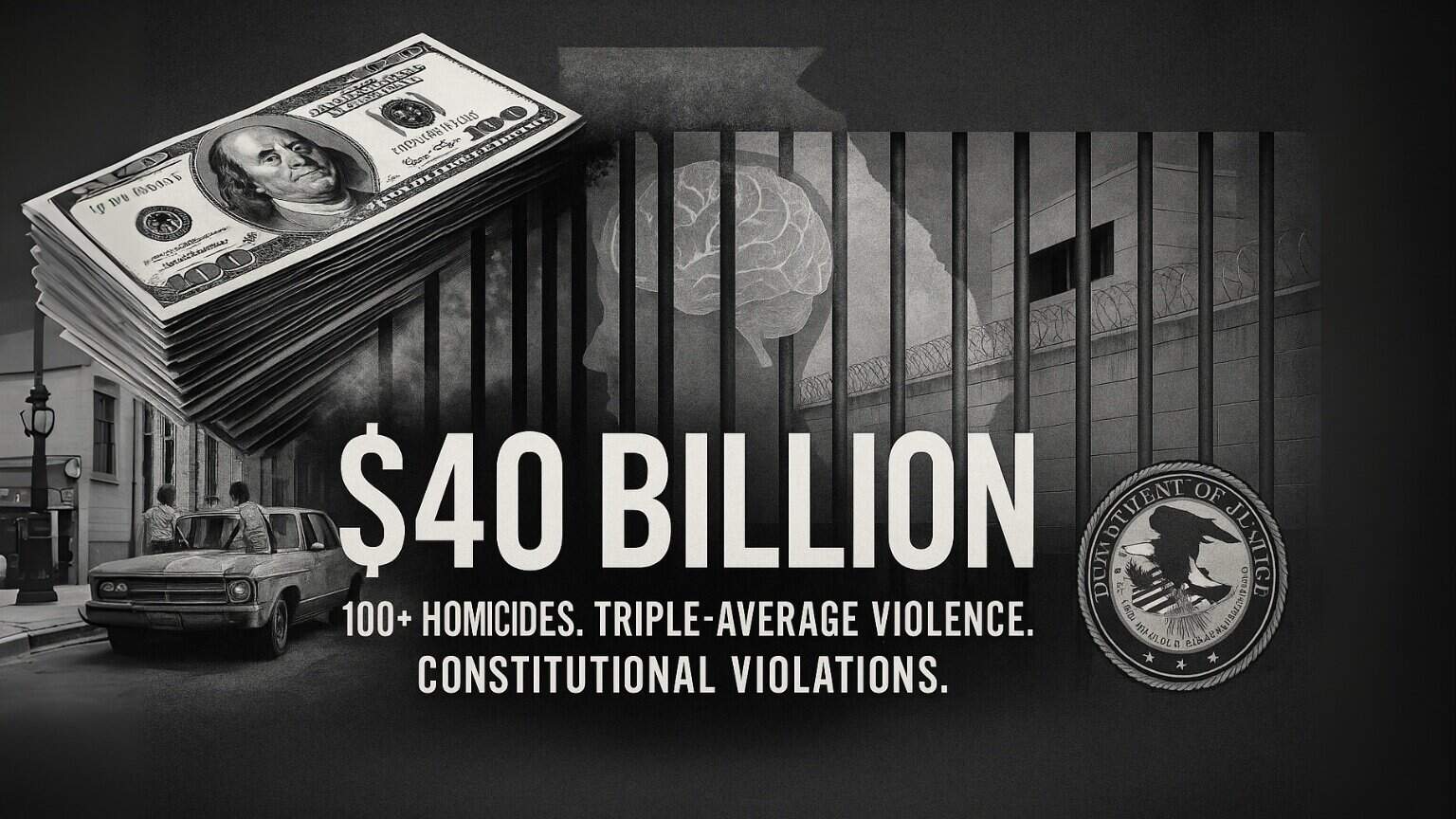
Georgia spent $40 billion on Truth in Sentencing laws that academic research proves make prisons deadlier and increase crime. The policies—rooted in the discredited “superpredator” myth and response to lead poisoning the government allowed for 70 years—created what the DOJ calls “among the most severe constitutional violations” nationwide. One hundred homicides occurred in Georgia prisons in 2024 alone. California and Mississippi reformed similar laws and achieved better safety outcomes at lower cost. The evidence for reform is overwhelming. The question is whether Georgia will act.
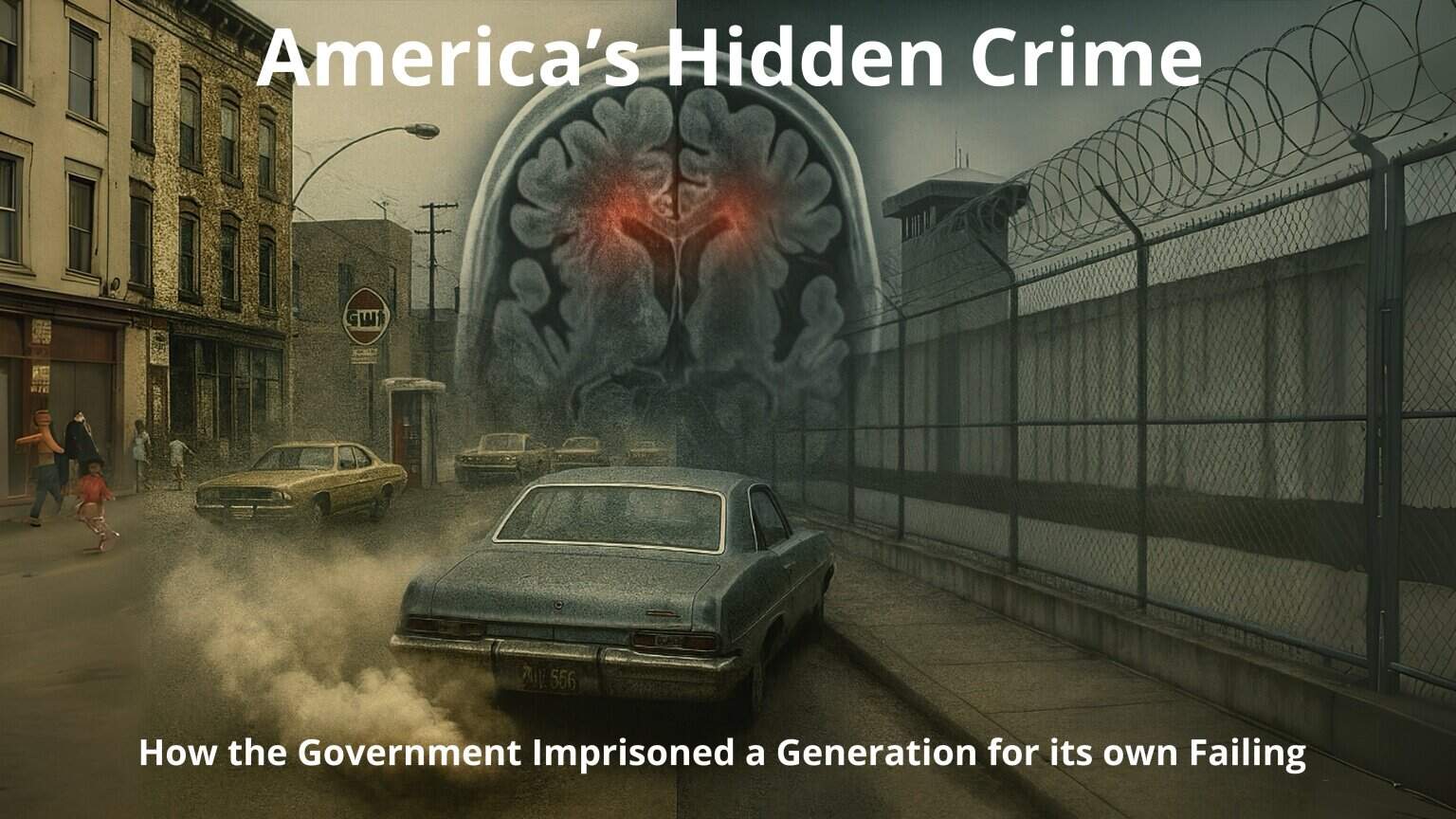
INVESTIGATIVE REPORT
They called them “superpredators.” Remorseless. Without conscience. Politicians predicted 30,000 new teenage killers by 2000 and passed laws imprisoning millions.
They were catastrophically wrong. Crime collapsed instead.
But there’s a darker truth: The “crime epidemic” was caused by something the government knowingly allowed for 70 years—lead poisoning from gasoline.
Between 1923-1996, 8 million tons of lead were pumped into the environment, systematically poisoning children’s developing brains. By 1980, 88% of American children had neurotoxic lead levels.
Twenty years later, those brain-damaged children became the “crime wave.”
Instead of addressing the environmental poisoning, the government:
• Blamed “moral poverty”
• Imprisoned 2.2 million people
• Spent $40+ billion on corrections
• Targeted Black communities disproportionately affected by lead exposure
Our investigation reveals:
✓ 9 countries show identical lead-crime patterns
✓ Brain scans prove lead causes exact damage linked to violent behavior
✓ Academic studies show “tough on crime” policies made things WORSE
✓ Crime declined because we stopped poisoning kids—not because of mass incarceration
This is the story of America’s greatest environmental crime—and the catastrophic misdiagnosis that followed.
Read the full investigation
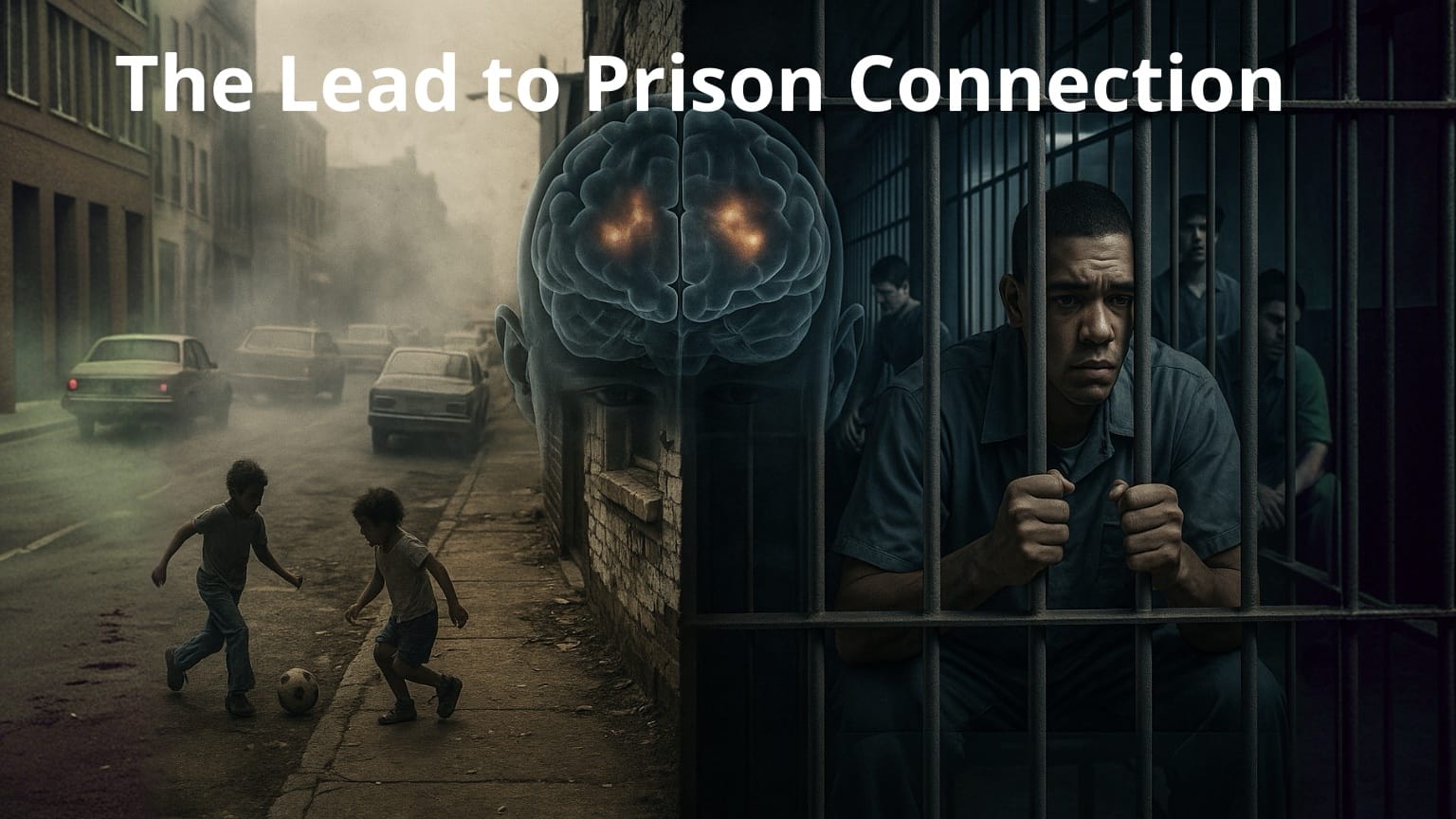
In 1995, Princeton professor John DiIulio warned America of coming “superpredators”—30,000 new “young juvenile criminals so impulsive, so remorseless that they can kill, rape, maim without giving it a second thought.” His predictions, amplified by influential criminologists and adopted by policymakers including Hillary Clinton, drove a mass incarceration frenzy. Three strikes laws, juvenile transfers to adult courts, and draconian sentencing policies imprisoned millions.
Every prediction proved catastrophically wrong. Crime declined dramatically—but not because of tough-on-crime policies. Multiple lines of scientific evidence reveal the real cause: between 1923 and 1996, the U.S. government allowed 8 million tons of lead from gasoline to poison children’s developing brains. Lead damages the prefrontal cortex, permanently impairing impulse control and increasing aggression. When lead-poisoned cohorts reached their twenties, violent crime surged. As lead-free generations matured, crime plummeted. We didn’t have a moral crisis—we had an environmental poisoning crisis. And we responded by imprisoning the victims.
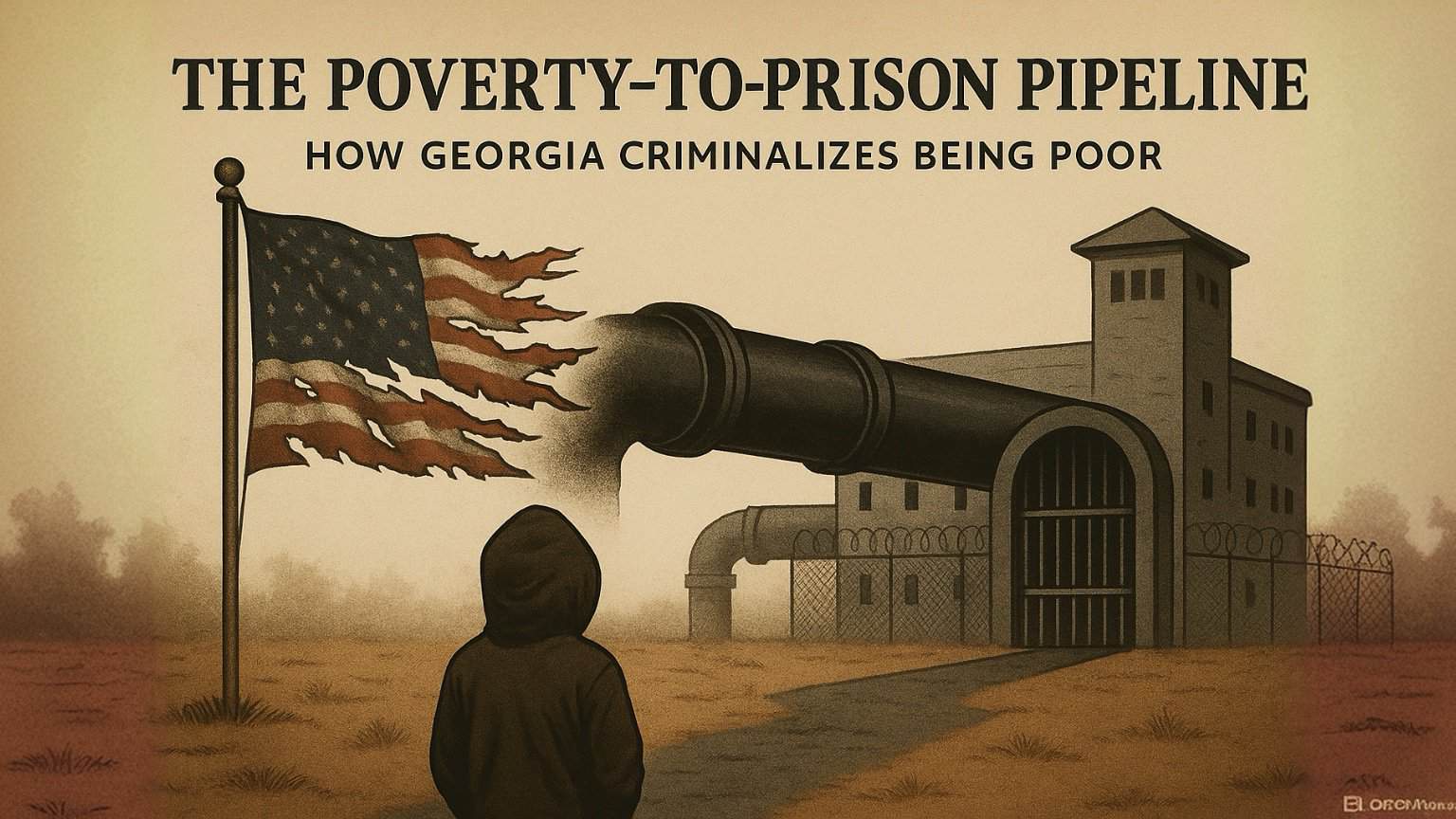
Georgia has the world’s highest incarceration rate – achieved by systematically criminalizing poverty through cash bail, court fines, and predatory fees.
Boys from Georgia’s poorest families face 20x higher incarceration rates than those from middle and upper-class households.

Georgia’s parole system is broken because people have no enforceable right to release — even when they do everything asked of them. Creating a liberty interest in parole would finally bring fairness, transparency, and real hope to thousands of families across our state.
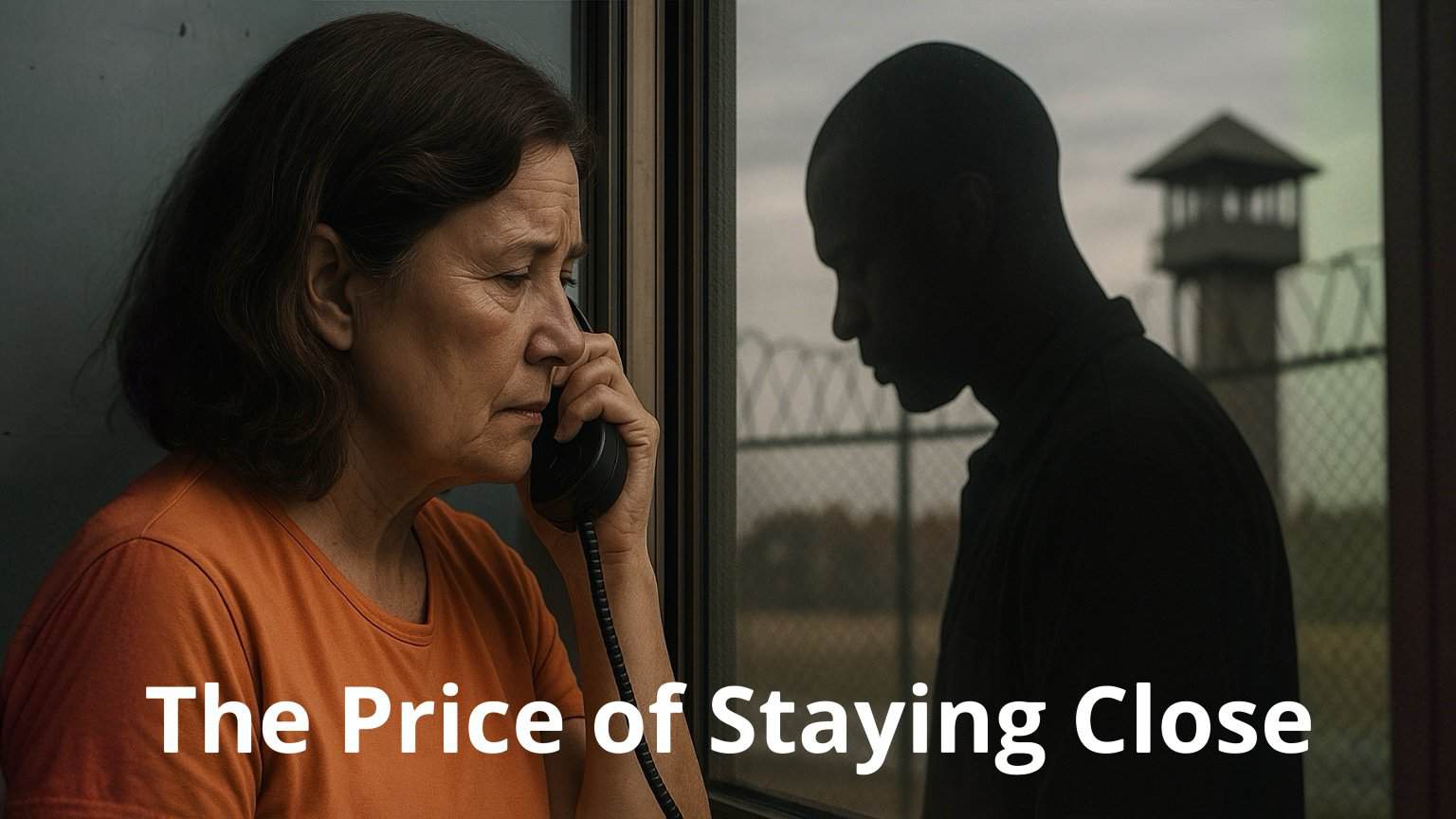
Across Georgia, families are going broke just to keep their loved ones alive and connected behind bars. From elderly grandparents skipping meals to mothers living on disability, the human cost of Georgia’s prison economy runs far deeper than commissary prices or phone bills. These are the voices of those paying The Price of Staying Close.