Georgia built prisons for 20,207. They warehouse 51,871.
Across four decades, the Georgia Department of Corrections kept adding people to the same buildings. In most medium-security cellhouses, single-man cells were triple-bunked on the bottom tier and double-bunked on the top. The dorms tripled in population. Medical, kitchens, libraries, and counseling stayed the same size. This is the warehouse — and rehabilitation isn’t on the list of what’s possible inside it.
Original design capacity is documented for 35 of Georgia’s state and private prisons, 20,207 beds in total. The apples-to-apples comparison is the 42,135 people held in those same 35 facilities today, which is 209% of their combined design capacity counted as one system. Everyone else under GDC supervision, in transitional centers, county correctional institutions, RSAT, probation detention, and the three state prisons with no published design figure, brings the headline total to 51,871 (live, GDC Friday Statistics).
“To protect Georgians by operating secure facilities and providing opportunities for offender rehabilitation.”
— gdc.georgia.gov, agency mission statement
Two obligations. Secure facilities — the U.S. Department of Justice has already found Georgia in violation on that one. The architecture documented below shows why the second obligation — rehabilitation — is physically impossible to deliver inside the buildings GDC currently operates. The buildings are the receipt. GDC made a promise it cannot keep with the facilities it has.
Georgia doesn’t run a corrections system. It runs a warehouse.
The numbers above are the architecture. These are the human consequences of cramming 42,135 people into buildings designed for 20,207.
Fewer staff per inmate, less rehabilitation per dollar, more violence per capita — than at any point in GDC’s history. Read the full case at gps.press/end-the-warehouse/ →
The State wrote down what it would take to run these prisons. It never staffed them that way again.
When Georgia opened these prisons it recorded, in the same budget line that paid for them, how many people it would take to run each one. Those aren’t our estimates. They’re the State’s own authorizations, and they’re the clearest statement anywhere of what Georgia believed the job required. Every one of these prisons now runs on a fraction of that complement, and most of them hold two to three times the people they were built for at the same time. The budget volumes give us an opening figure for twenty-five prisons; they are in the Staff vs. authorized column of the facility table further down, beside each prison’s population and overcrowding.
Six prisons that opened in 1993 and 1994, Smith, Wilcox, Macon, Dooly, Calhoun and Pulaski, were funded as one block: 932 positions recommended for all six in FY1994 (1,953 requested), then 1,190 annualized and 682 more the next year, 1,872 at full operation. No volume breaks that out by prison. Five of the six are the same 500-cell X prototype and Pulaski is the 500-bed women’s plant of the same program, so the table shows each at one sixth, 312, in line with the 279 to 320 the State funded for the identical prisons that opened just before them. The State also named several prisons differently when it funded them: Smith was “Tattnall C.I.”, Autry “Mitchell”, Burruss the “Forsyth Correctional Institution”, and Coastal, Metro, Central and Rutledge opened as the Savannah, Atlanta, Macon and West Georgia “Community Correctional Centers”, smaller plants than the prisons that stand there today.
Hays is the sharpest case. The State authorized 399 positions to run it. Today 133 people are on its roster, a 67% shortfall against what Georgia itself said the prison needed, and it holds more than twice the people it was built for. Autry is the outlier for a reason: much of it has stood empty since GDC closed it for Legionella remediation in June 2023, so the State isn’t staffing the whole plant.
How to read this. The authorized figure is positions the General Assembly funded so the prison could open, from the OPB budget volume named in the cell; where the volume prints both a request and the Governor’s recommendation, the recommendation is used. The roster figure counts named staff of every kind at that prison in GDC’s August 2026 roster, so this is filled posts against authorized posts. Three of those budget lines also name the bed count they were staffing for, 1,016 at Johnson and at Mitchell and 864 at Washington, all above the 500-cell architecture, which makes the shortfall a conservative reading. Contracted medical staff appear in neither column. Mitchell Correctional Institution opened as, and is now, Autry State Prison in Mitchell County. These are not the Justice Department’s correctional-officer vacancy rates, which are a different measure reported elsewhere on this page; they point the same way.
Every line is a person added to a building that didn’t grow.
Georgia’s documented original design capacity, year by year, vs. the actual incarcerated population — through today’s live count. The blue line is the floor (many older facilities lack published design figures, so it’s a conservative under-count). The red line is what the state actually crammed in; the gold dot at the right edge is this week’s live total from the GDC Friday Statistics. The design line stays flat after 2020 because no new state prisons have been built since.
Population line: GDC’s published “Year-end counts 1925–present” for 1980-2024; the gold dot is this week’s GDC Friday Statistics.
The gap shown is a conservative floor — full source list under Where the numbers come from, below.
More inmates. Same kitchen. Same medical. Same library.
These prisons were architecturally sized to feed, treat, teach, counsel, and watch the number of people they were built for. When the population doubled or tripled, the support infrastructure didn’t. Bigger dorms didn’t come with a bigger clinic. A facility designed for 500 men now holding 1,750 — the live reality at most cohort-1 and cohort-2 prisons — still operates with the same kitchen line, the same pharmacy window, the same handful of programming rooms, the same single library, the same physical-plant chokepoints. Every one of those single-point bottlenecks now serves twice or three times the people it was designed for — and the consequences are exactly what you’d predict.
- Opening-day staff positions (verified)From the FY1974–FY1994 OPB budgets, the State’s own opening authorizations for twenty-five prisons are in the Staff vs. authorized column of the facility table below. Every prison of the 1989–1992 prototype generation now runs on a third to a little over half of the staff the State funded to open it, while holding two to three times the people it was built for; the older plants that were expanded later run above their original figure. The Justice Department’s systemwide vacancy series is in the 52.5% card above.
- Medical care infrastructureOriginal architectural infirmaries were sized for 500–750 inmates per facility. Many of these prisons now hold 1,500–1,800 — and the same single pharmacy window, the same medical wing, and the same handful of nursing stations serve them all. From GPS’s published investigation Death by Neglect: Georgia’s Prison Medical Care Crisis: “Prisoners regularly wait months, sometimes years, for essential medical treatment… Due to overcrowding and understaffing, medical appointments are frequently canceled or postponed indefinitely. It is common practice for inmates to be turned away from medical offices even when experiencing severe symptoms.”• EMS access delays: DOJ found that emergency-medical-services teams responding to GDC prisons waited an average of 30 minutes for security staff to open the three gates required to reach the medical unit.• Bodies discovered in rigor mortis: GDC records on four deaths in 2021 describe bodies that were not found until rigor had set in — meaning hours had passed since death before any check.• Trauma-cost feedback loop: In a state-court lawsuit against GDC, the agency’s own former medical contractor alleged that GDC’s failure to control violence drove extraordinarily high trauma-care costs (DOJ Findings Report, p. 78).• Prescription failures: Family attestations received by GPS report prescription medications — including mental-health medications — at Augusta State Medical Prison routinely going unfilled for one to two months at a time.• Chronic-care denial (pending litigation): A wrongful-death suit filed by the family of Almir Harris, a Type 1 diabetic, alleges GDC and its private medical contractor refused to provide insulin for several months before his death.
- Mental-health support bedsThe agency’s FY2019 Annual Report documented 1,350 supportive-living-unit (SLU) beds across 14 facilities for the GDC’s roughly 10,500 mental-health-diagnosed offenders. That’s one SLU bed for every eight mental-health inmates — and the SLU bed count has not grown meaningfully since.
- Suicide-watch & crisis mental-health capacityGDC’s own September 2023 Agency Overview to the State Board of Corrections acknowledged 40 suicides and 38 homicides in custody in FY2023 — cited in the U.S. Department of Justice’s October 2024 Findings Report on Georgia prisons (p. 75). The same DOJ investigation found facility-level suicide-watch protocols routinely overridden by housing-shortage pressures.
- Kitchens & food serviceA 500-bed prototype came with a 500-bed kitchen line, a 500-bed walk-in cooler, and a kitchen-staff complement approved at opening. Putting 1,500 people into the same building doesn’t enlarge the steam table or expand the food-service workforce. GPS has published three separate investigations on what the bottleneck has produced:• Contaminated trays, ~60¢ per meal: 30-year-old dishwashing machines (many broken), forcing kitchen workers to hand-dunk trays in chemical barrels with no heat cycle. Johnson State Prison scored 64/100 (failing) on its Dec 2023 food-safety inspection with 5 cooking ovens, 1 tilting skillet, 1 cooking kettle, 1 griddle, 1 freezer, and 1 bulk ice machine all broken at once. Pulaski State Prison’s Jan 2026 inspection found sewage backing up through the kitchen floor drains (repeat violation) and the only handwashing sink ripped from the wall. Smith State Prison has had rodent activity flagged as a repeat violation every inspection 2022–2025 with no resolution.• ~$2/day food budget, 1,200 calories/day: Georgia spends $1.77–$2.20 per prisoner per day on food (USDA’s minimum for adult male nutrition is roughly $10). Inmates report losing 30–50 pounds in six months; some report eating toothpaste to calm hunger pangs. Food superintendents reportedly receive bonuses for staying under budget by “shaking the spoon” — serving smaller portions. Nutritional analysis: roughly 40% of required protein and 1 serving of vegetables/day (USDA: 3–5).• Ten-year inmate testimony: “For about a year now, the hamburger meat has had bone shards in it so sharp you could get seriously injured eating it. Everyone has stab wounds in their gums and between their teeth. People quit eating it… so [GDC] fixed the meat grinder to grind the bones up more. That was the fix.”• Medical-diet failures (recent GPS-source reports, GDCP): 2,800-calorie medical-profile trays for diabetics refused at meal service; documented peanut-allergy alternative meals refused because the resident was “not on the kitchen’s list”; all kitchen ice machines simultaneously broken (May 2026); skipped bedtime snacks for medical-diet residents.
When a single kitchen has to feed three times as many people in the same 90-minute window, throughput dictates that “nutrition” becomes whatever fits through the line — not what the medical profile requires, and not what a human body needs.
- Dining-hall capacityOriginal prototypes seated roughly one full housing-unit dorm at a time. With dorms now holding 80–160 people instead of the designed-for 48–64, GPS-source reports describe inmates eating standing up, eating in shifts, or eating cold food after the cohort ahead of them has run the steam table down. The architecture of the dining hall hasn’t changed — the demand on it has doubled or tripled.
- Library, law library & programming — the rehabilitation infrastructure GDC promisedThis is where the second half of the mission statement breaks. Original architectural designs included a single library, a single law library, and a small number of program/counseling rooms per facility — each sized for the original capacity. When the buildings filled past design, that infrastructure didn’t scale. Documented impacts:• Anonymous testimony to GPS describes a few weeks of weekly law-library access followed by months with no access at all.• Inmates at one facility reported being completely denied law-library access for two and a half years.• The DOJ Findings Report documents that at multiple facilities, programming, rehabilitation, and gang-intervention efforts are not provided because security staff are too short to supervise them (p. 80).• Family attestations to GPS describe incarcerated people choosing the danger of general population over protective custody specifically to access programming required for release — because the PC blocks they would otherwise be assigned to have none.
Every facility. Every design figure. Every source.
Every facility’s original design capacity with provenance, in one table, sorted by how far past that design it runs today. Population and overcrowding are live. Staffing sits beside them where the State’s opening budget line exists. Deaths count the official record plus family reports GPS has verified. Verified rows have an explicit budget citation, proxy rows use the earliest stable annual-report reading, unverified rows are admin-entered with no source attached.
Brown v. Plata
In California, federal courts found that medical and mental-health care in the state’s prisons was so poor it violated the Eighth Amendment, and that crowding was the primary cause. The prisons, designed for just under 80,000 people, held almost double that, and had run at around 200% of design capacity for at least 11 years. A special three-judge court ordered California to bring its prisons down to 137.5% of design capacity, a limit it set between the 130% supported by expert testimony and the Federal Bureau of Prisons and the 145% a state review panel had recommended. In 2011 the U.S. Supreme Court upheld that order. 24 of Georgia’s 35 prisons with a design figure sit above the 200% line today. The red rule in the table marks it.
The FY1989 500-cell prototype
Georgia’s Office of Planning and Budget approved a standardized 500-cell close-security prototype with a “maximum operating capacity” of 750: 500 cells is the design, 750 the architects’ outer overflow limit. Nine identical pentagonal-X prisons went up between 1991 and 1994, after the 1990–1992 Cohort 1 parallel-dorm prototypes at Telfair and Hays. The architecture hasn’t changed. Eight of the nine now hold more than double the 500 they were built for, past even the 750 ceiling. Their aerials are in the table; the pills mark the cohort.
Verified Budget-doc explicit
Proxy Earliest-available reading
Unverified No source attached
Staff vs. authorized = named staff on GDC’s 27 August 2026 roster against the positions the State funded when the prison opened, from the OPB budget volume named in the cell. A = the opening authorization line · B = the prison’s first-year positions line · earliest = the earliest budgeted positions on record (FY1974–77) for a plant older than the volumes, not an opening figure. block ÷6 = the six prisons of 1993–94 were funded together (1,872 positions recommended at full operation); each shows one sixth, since the plants are the same 500-cell program · Above opening level = today’s roster exceeds that figure, usually because the plant was expanded later. Hover a cell for the name the State used at the time.
▸ Notes open under the prisons GDC’s own notices or our reporting single out
| Facility | Opened | Design | Population | Over Design | Staff vs. authorized | Deaths since 2020 | Status | Note | |
|---|---|---|---|---|---|---|---|---|---|
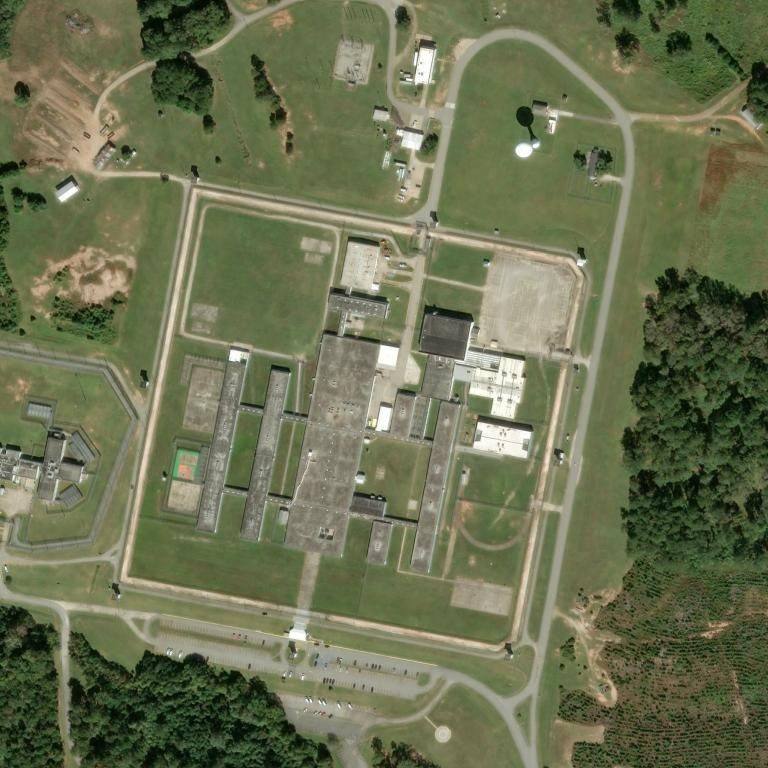 | Georgia Diagnostic and Classification State Prison Jackson · Close security | 1968 | 500 | 2,428 | 486% | 5% vacant 213 of 224 FY1974 earliest | 131 | Verified | FY1974 OPB Budget: “Shelter…500 maximum security offenders”; 1967 phased design 500 max-security cells + 150 diagnostic; site bed space 844 (FY1980), 881 (FY1982) |
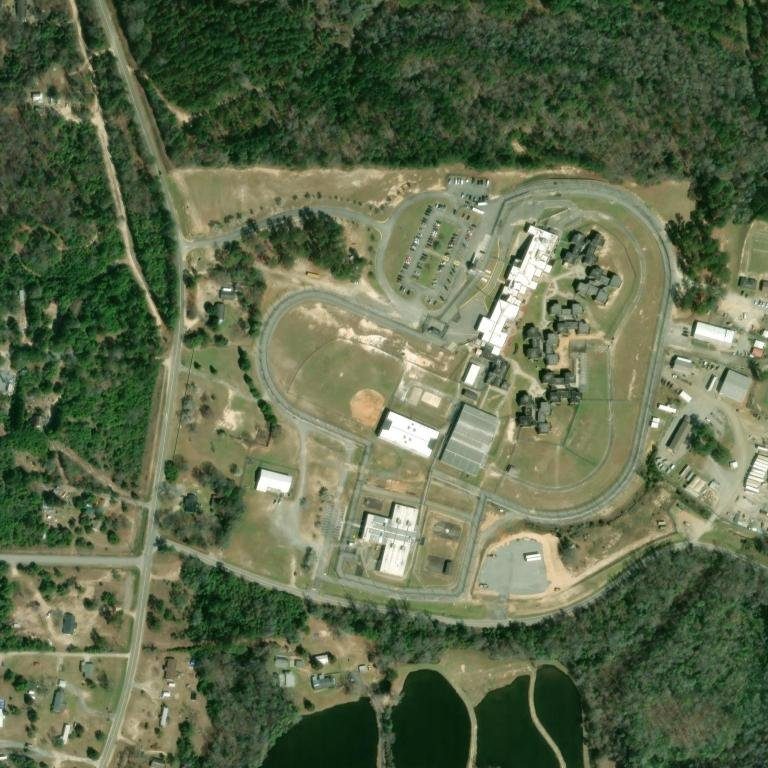 | Central State Prison Macon · Medium security | 1978 | 288 | 1,149 | 399% | above opening level 129 of 128 FY1978 B | 43 | Proxy | FY1980 OPB master-plan bed space 288 (as Macon CCC), earliest on record; 802 by FY1982; 546 (1988 AR) was a later rated capacity |
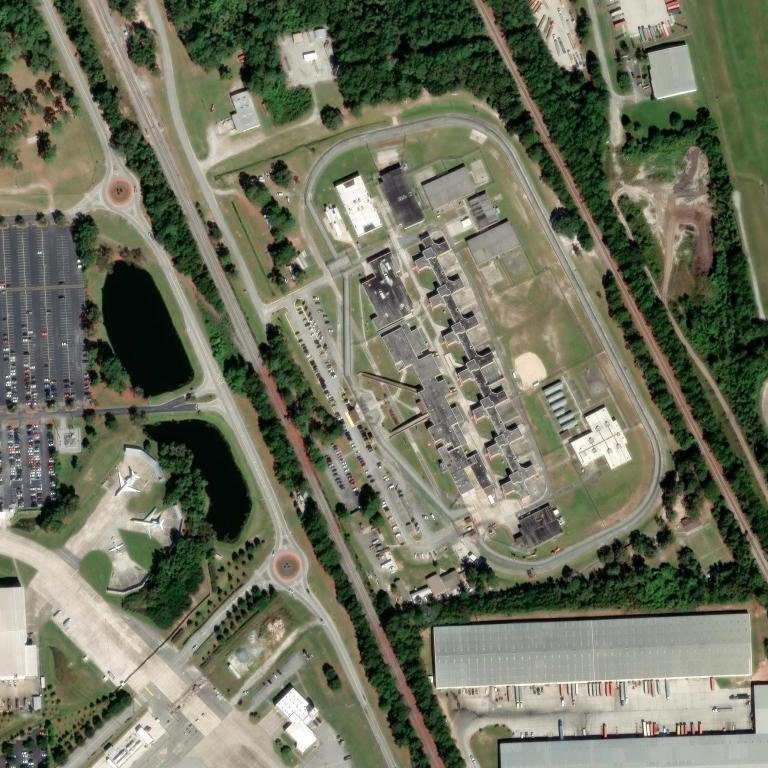 | Coastal State Prison Port Wentworth · Medium security | 1981 | 420 | 1,654 | 394% | above opening level 125 of 113 FY1981 B | 141 | Verified | FY1982 OPB Budget: “Standard bed space per departmental master plan 420”. Was 758, the 1988 AR rated capacity after additions; +200 in 1989 → 958 |
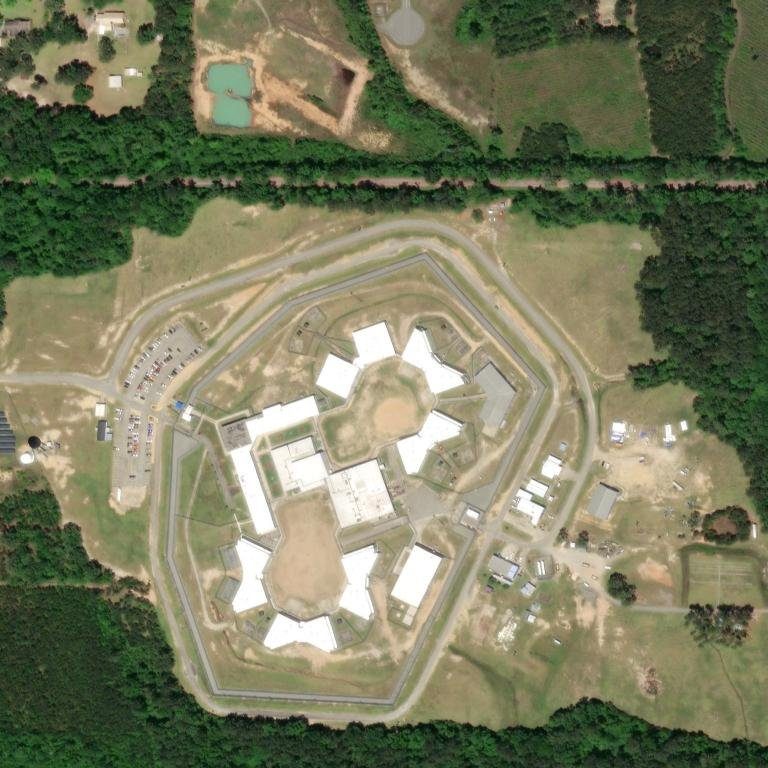 | Wilcox State Prison Abbeville · Medium security 500-cell X prototype | 1993 | 500 | 1,841 | 368% | 58% vacant 131 of 312 FY1994–95 block ÷6 | 52 | Verified | FY1990 OPB Budget: “Construct Wilcox Correctional Institution – 750 beds” — 750 = architects’ maximum overflow capacity; original design = 500 cells |
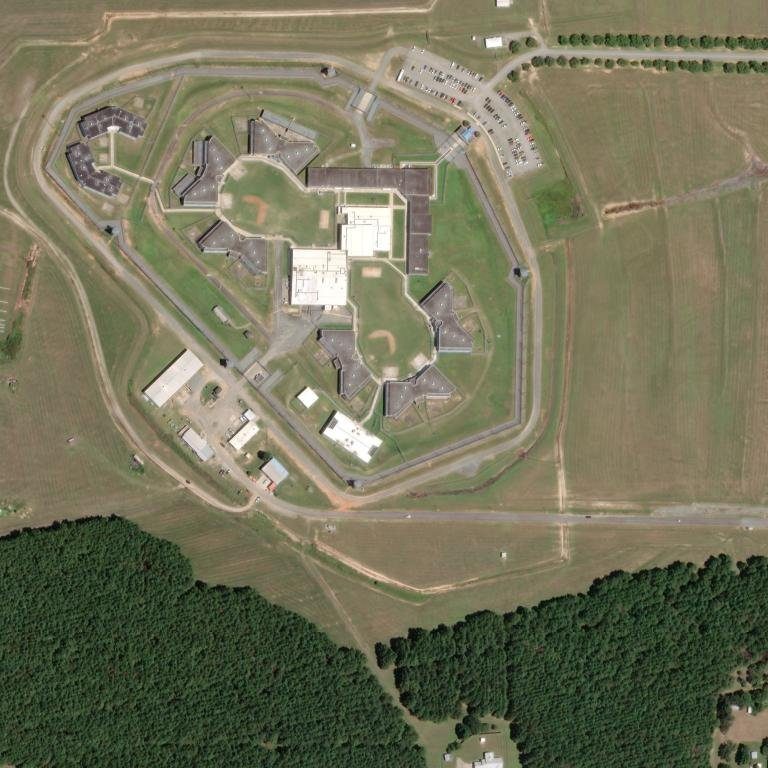 | Macon State Prison Oglethorpe · Close security 500-cell X prototype | 1994 | 500 | 1,768 | 354% | 50% vacant 157 of 312 FY1994–95 block ÷6 | 97 | Verified | FY1989 budget 500-cell prototype; aerial confirms Cohort 1 X-shape |
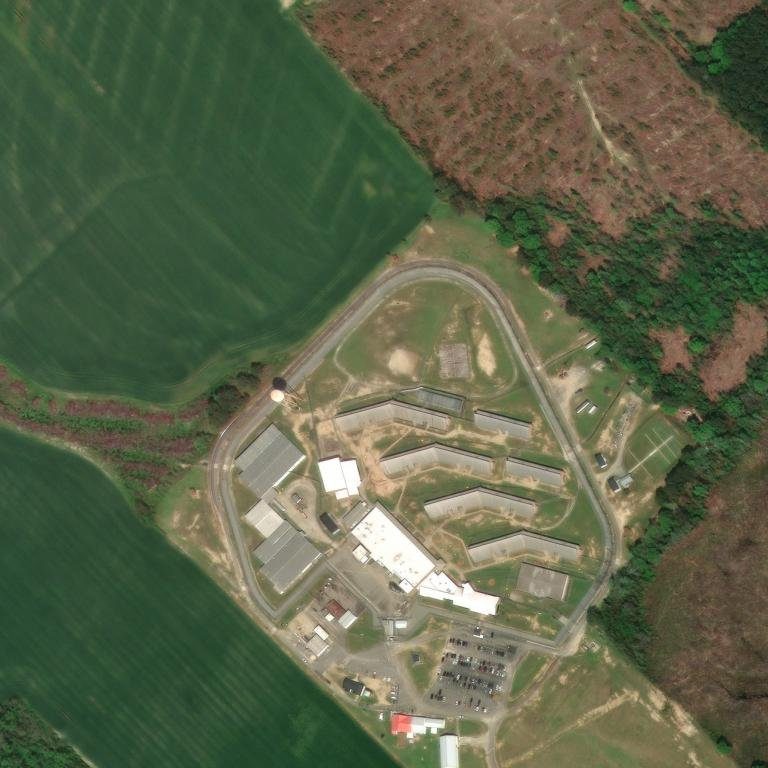 | Dodge State Prison Chester · Medium security | 1983 | 404 | 1,306 | 323% | 2% vacant 128 of 131 FY1983 A | 16 | Verified | FY1983 OPB Budget explicit: 336 GP + 50 shock + 18 isolation = 404 |
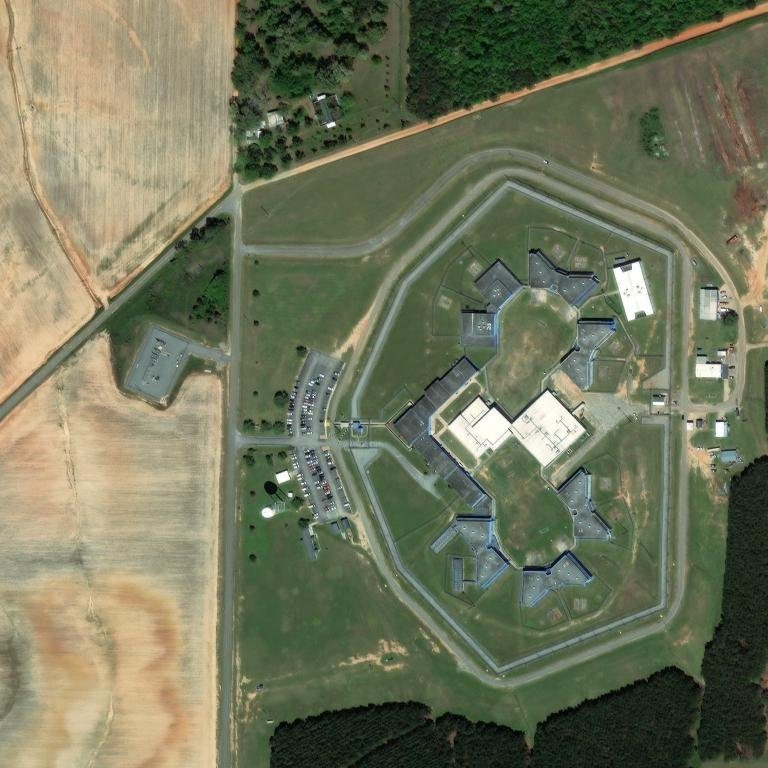 | Dooly State Prison Unadilla · Medium security 500-cell X prototype | 1994 | 500 | 1,711 | 342% | 38% vacant 193 of 312 FY1994–95 block ÷6 | 54 | Verified | FY1990 OPB Budget: “Construct Deely [Dooly] – 750 beds.” 750 = architects’ maximum overflow capacity; original design = 500 cells |
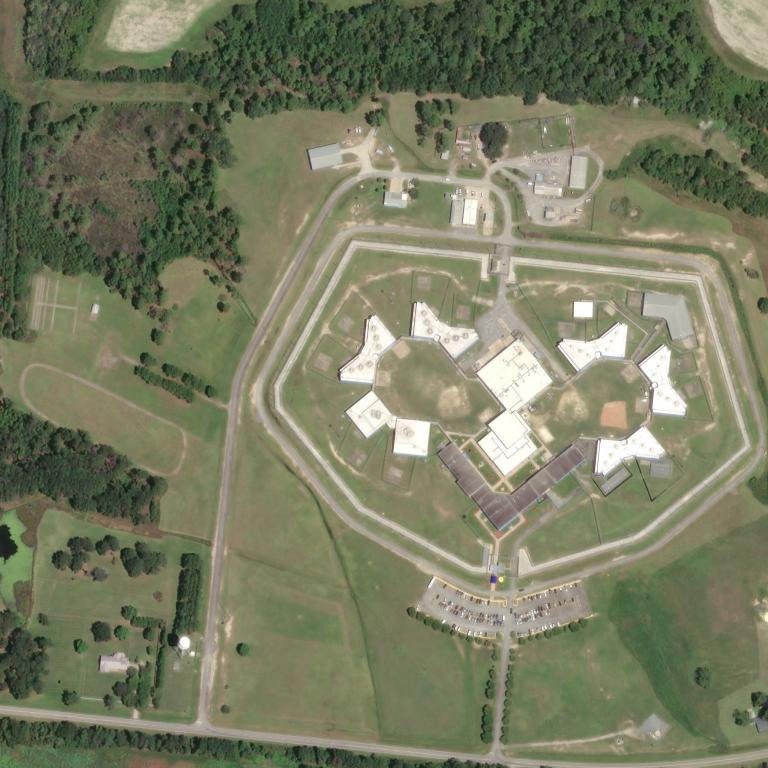 | Calhoun State Prison Morgan · Medium security 500-cell X prototype | 1994 | 500 | 1,540 | 308% | 56% vacant 138 of 312 FY1994–95 block ÷6 | 32 | Verified | FY1990 OPB Budget: “Construct Calhoun – 750 beds” — 750 = architects’ maximum overflow capacity; original design = 500 cells |
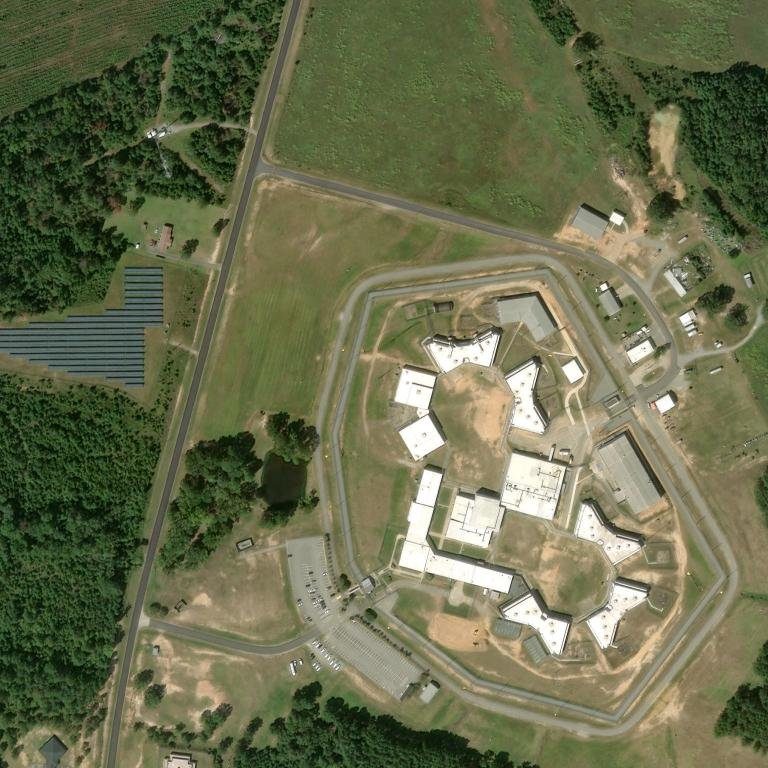 | Johnson State Prison Wrightsville · Medium security 500-cell X prototype | 1992 | 500 | 1,534 | 307% | 46% vacant 174 of 320 FY1992 A | 95 | Verified | FY1990 OPB Budget: “Construct Johnson Correctional Institution – 750 beds” — 750 = architects’ maximum overflow capacity; original design = 500 cells |
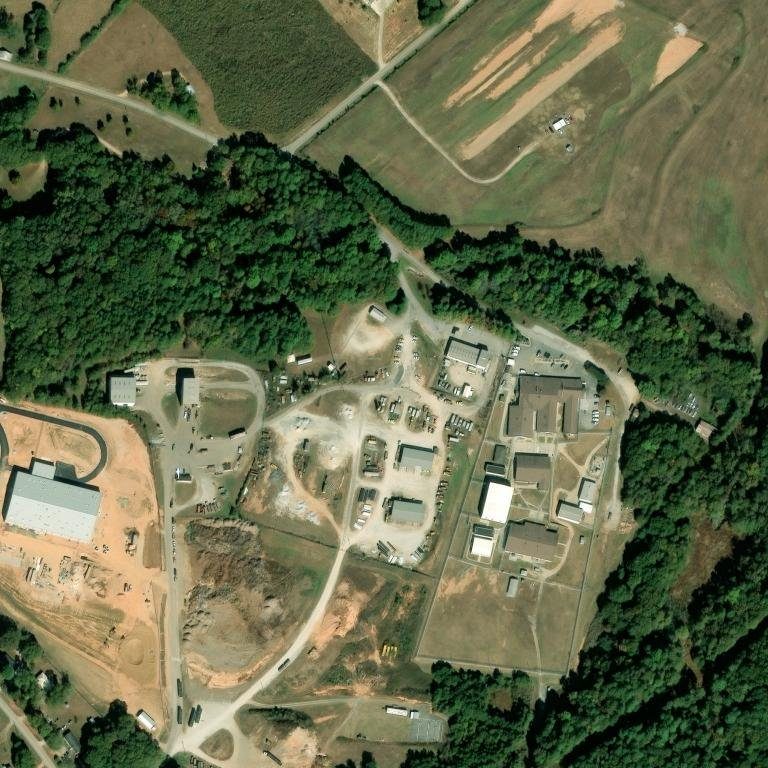 | Whitworth Women’s Facility Hartwell · Medium security | 1991 | 150 | 446 | 297% | — | 1 | Proxy | The former Hart County Probation Detention Center, P.O. Box 769 Hartwell: “Capacity: 75” (FY1990 and FY1991 ARs) plus the “75-bed addition” authorised in the FY1992 budget. 442 was current operating capacity, never a plant figure |
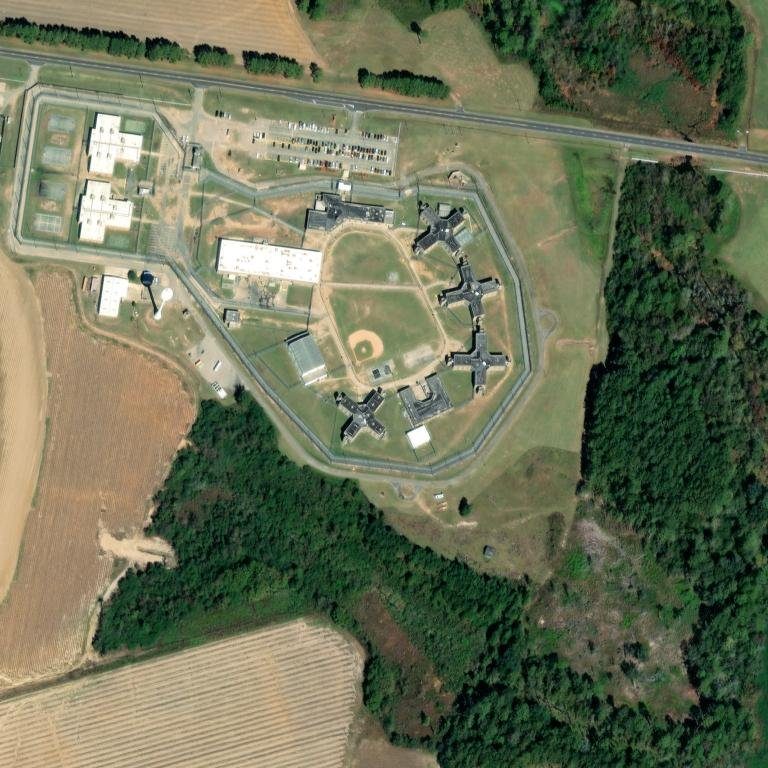 | Rogers State Prison Reidsville · Medium security | 1983 | 448 | 1,197 | 267% | — | 14 | Proxy | FY1985 OPB Budget: a 160-bed unit “will increase capacity from 448 to 608”; carved out of the Georgia State Prison complex; 430 was never printed |
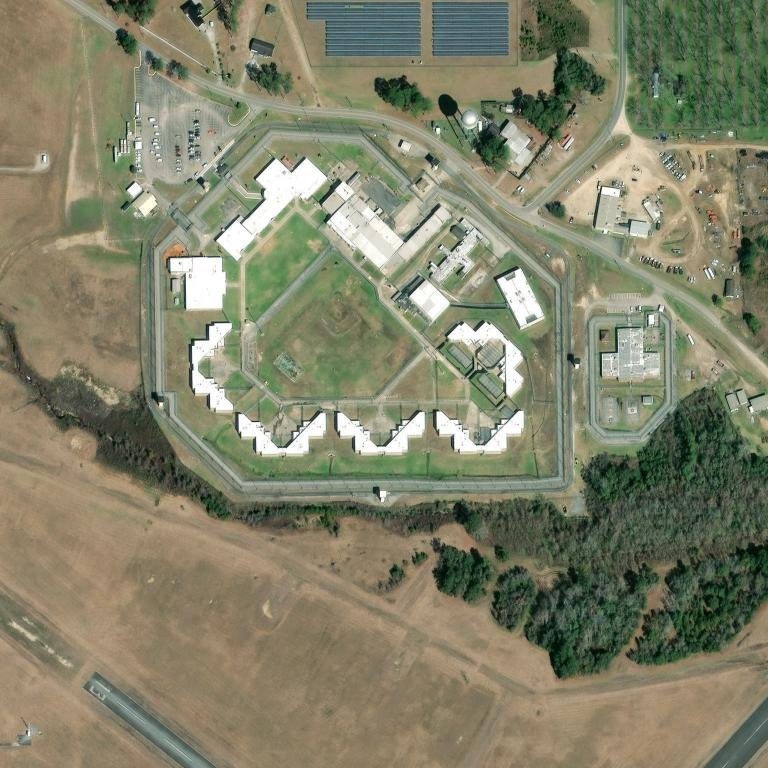 | Ware State Prison Waycross · Close security | 1990 | 500 | 1,436 | 287% | 43% vacant 162 of 285 FY1989 A | 99 | Verified | GDC Annual Report FY1986: “construction is underway on new 500-bed institutions in Lowndes and Ware counties”. The 1989 fast-track later added 200 beds. |
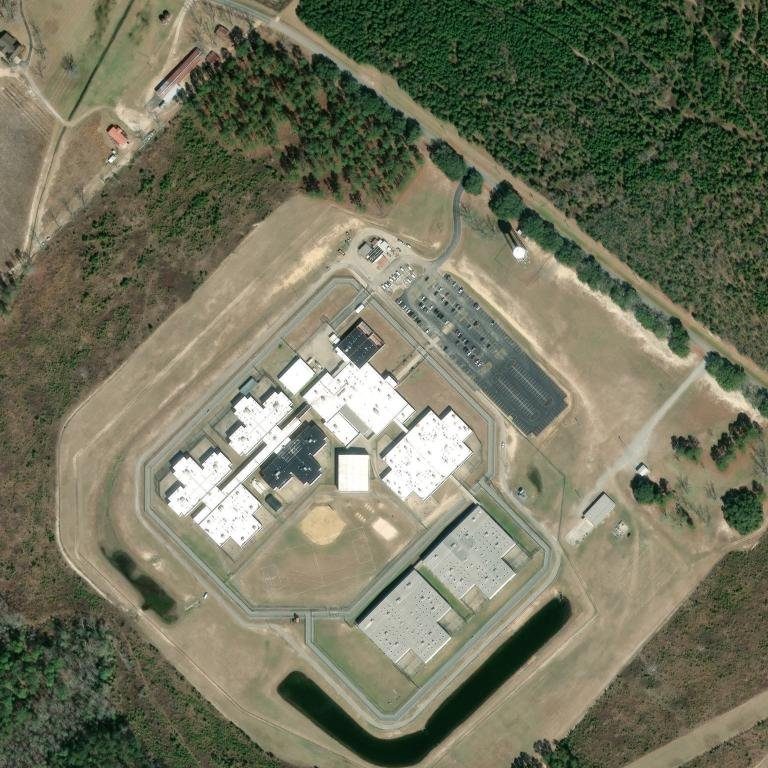 | Wheeler Correctional Facility Alamo · Medium security | 1998 | 1,000 | 2,865 | 287% | — | 48 | Verified | FY1999 GDC Annual Report: “Georgia has contracts for three 1,000-bed private prisons”, the three named as Cornell in Charlton County and CCA in Coffee and Wheeler Counties. 1,524 was the post-2010 expansion, not the plant as contracted and built |
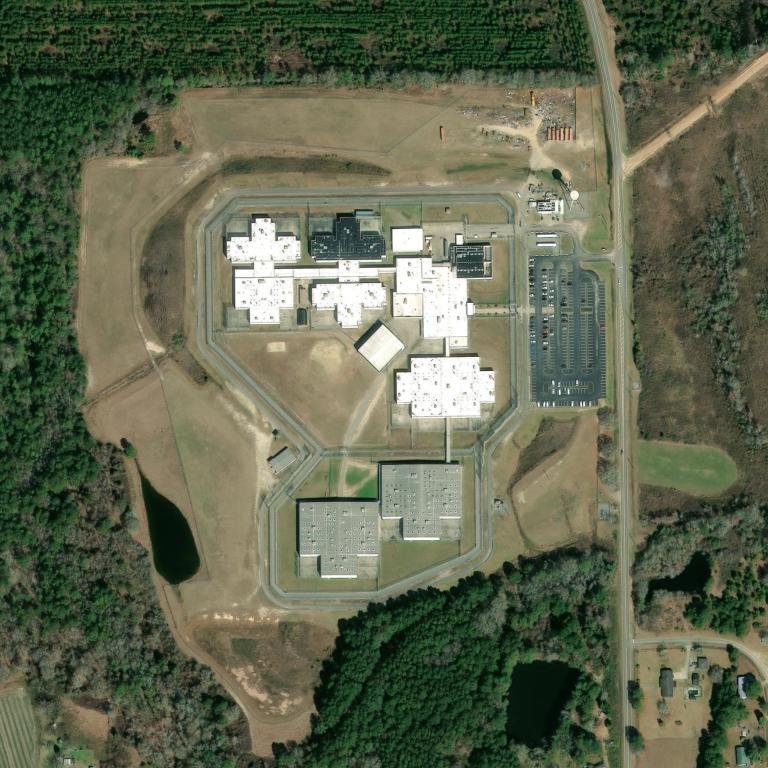 | Coffee Correctional Facility Nicholls · Medium security | 1998 | 1,000 | 2,808 | 281% | — | 26 | Verified | FY1999 GDC Annual Report: “Georgia has contracts for three 1,000-bed private prisons”, the three named as Cornell in Charlton County and CCA in Coffee and Wheeler Counties. 1,524 was the post-2010 expansion, not the plant as contracted and built |
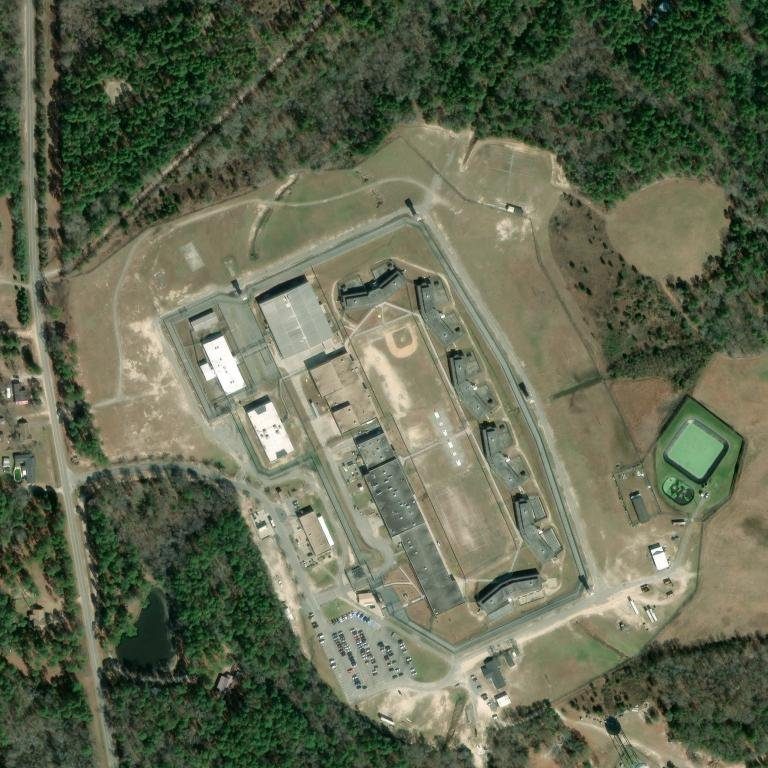 | Telfair State Prison Helena · Close security Cohort 1 parallel-dorm | 1992 | 480 | 1,182 | 246% | 63% vacant 121 of 327 FY1991 A | 62 | Unverified | Admin’s ‘6 dorms × 80 cells = 480’ math; no budget doc verifying |
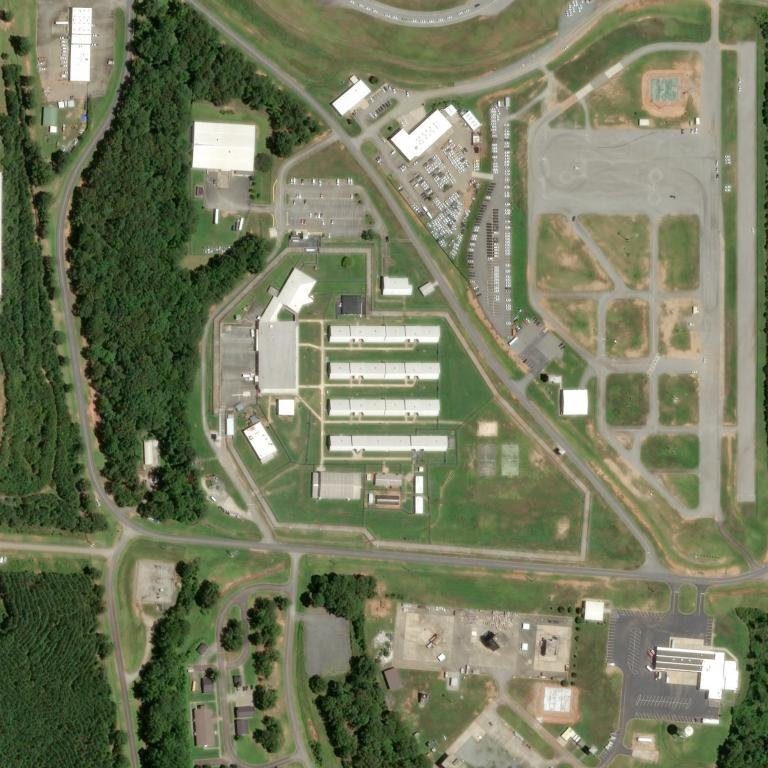 | Burruss CTC Forsyth · Medium security | 1986 | 300 | 679 | 226% | above opening level 163 of 153 FY1986 A | 7 | Verified | GDC Annual Report FY1987, its first year of operation: “The new A.L. ‘AI’ Burruss Correctional Training Center, housing 300 inmates”. 808 is today’s crowded figure. |
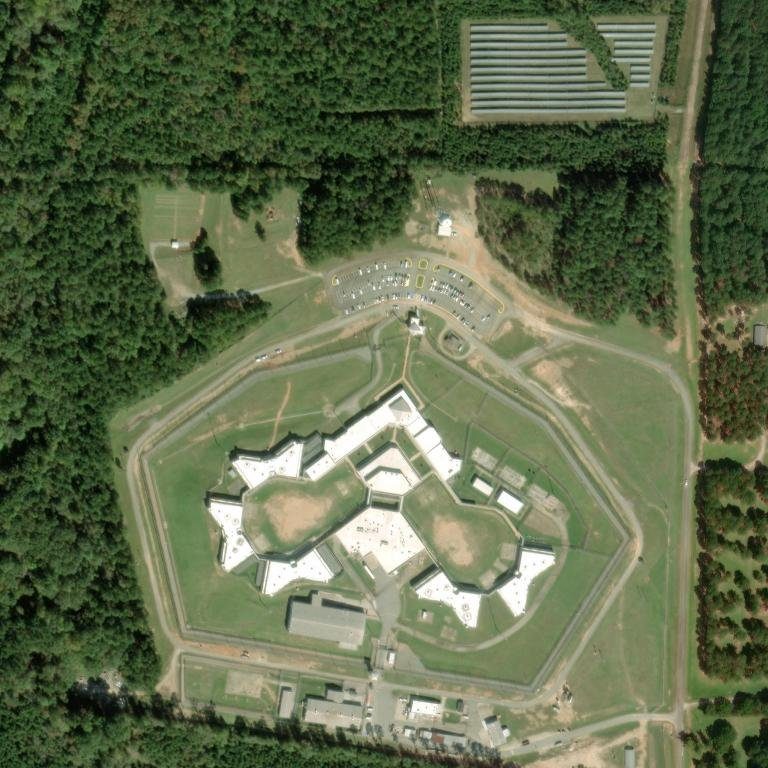 | Hancock State Prison Sparta · Close security 500-cell X prototype | 1992 | 500 | 1,169 | 234% | 44% vacant 155 of 279 FY1991 A | 31 | Unverified | Admin-entered; matches Cohort 1 prototype (no explicit budget line for Hancock) |
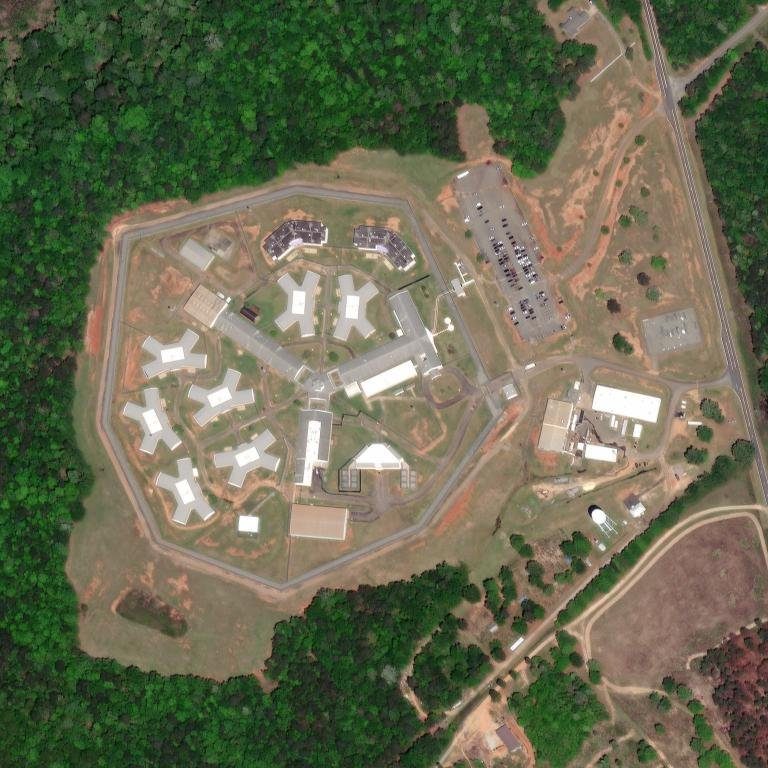 | Pulaski State Prison Hawkinsville | 1994 | 500 | 1,186 | 237% | 58% vacant 131 of 312 FY1994–95 block ÷6 | 35 | Verified | FY1990 OPB Budget: “Construct a 500-bed female facility in Pulaski County” |
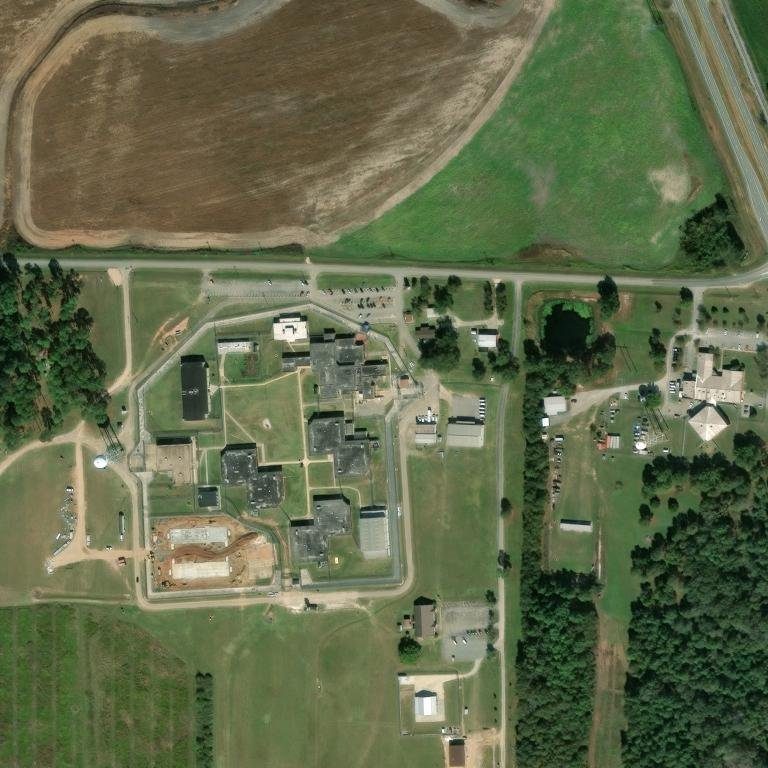 | Lee State Prison Leesburg · Medium security | 1979 | 384 | 856 | 223% | — | 7 | Proxy | FY1980 OPB master-plan bed space 384 after the FY1978 prototype units (256 beds); 400 was an approximation never printed as a plant figure |
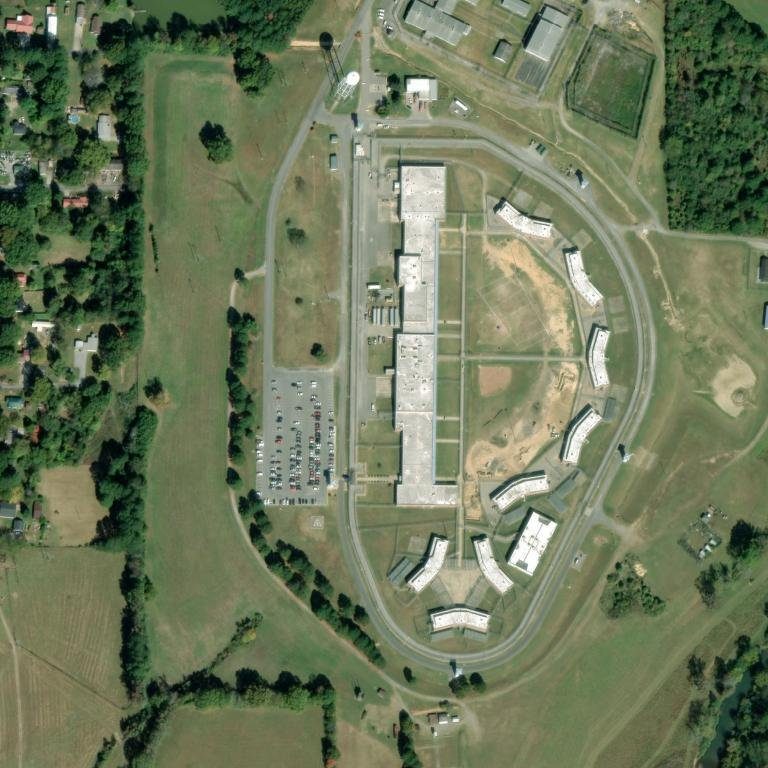 | Hays State Prison Trion · Close security Cohort 1 parallel-dorm | 1990 | 500 | 1,105 | 221% | 67% vacant 133 of 399 FY1991 A | 37 | Verified | FY1985 OPB Budget item 75: “an institution for 500 close security inmates to be located in Chattooga County”, the same design line as the Buford plant on the same page. 750 was the maximum operating capacity of a 500-cell prototype; 448 was 7 dorms x 64 beds, arithmetic off a Wikipedia sentence |
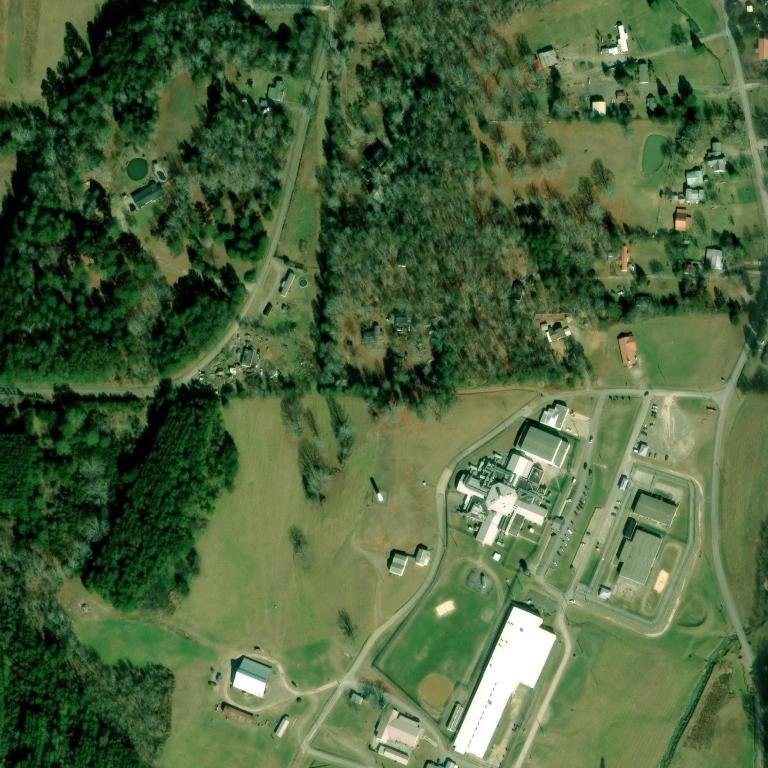 | Walker State Prison Rock Spring · Medium security | 1972 | 206 | 447 | 217% | above opening level 104 of 57 FY1977 earliest | 2 | Proxy | FY1980 OPB master-plan bed space 206, earliest on record; 324 was the AR directory figure after additions |
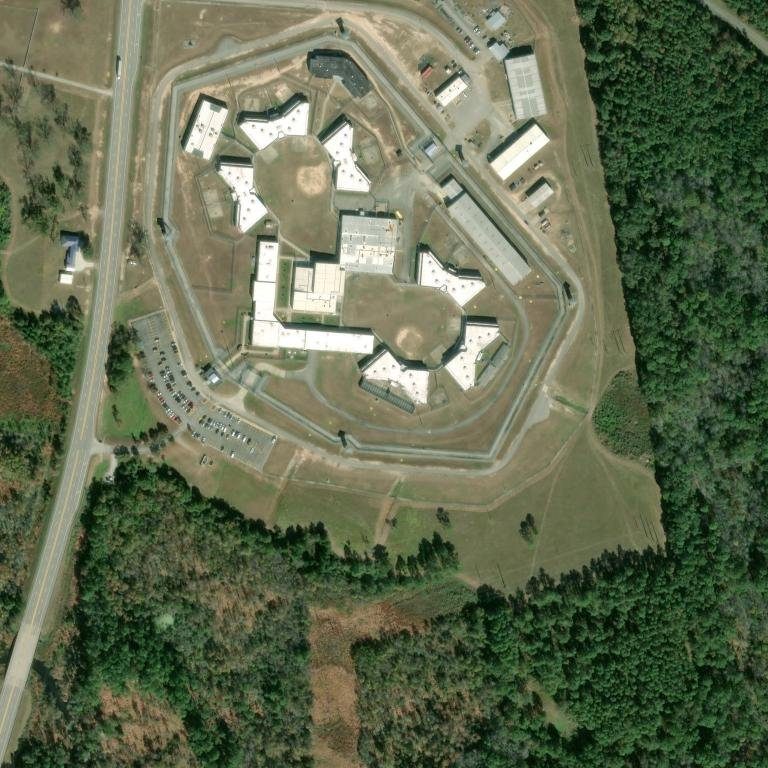 | Smith State Prison Glennville · Close security 500-cell X prototype | 1993 | 500 | 1,073 | 215% | 59% vacant 127 of 312 FY1994–95 block ÷6 | 40 | Verified | FY1989 budget 500-cell prototype; aerial confirms Cohort 1 X-shape |
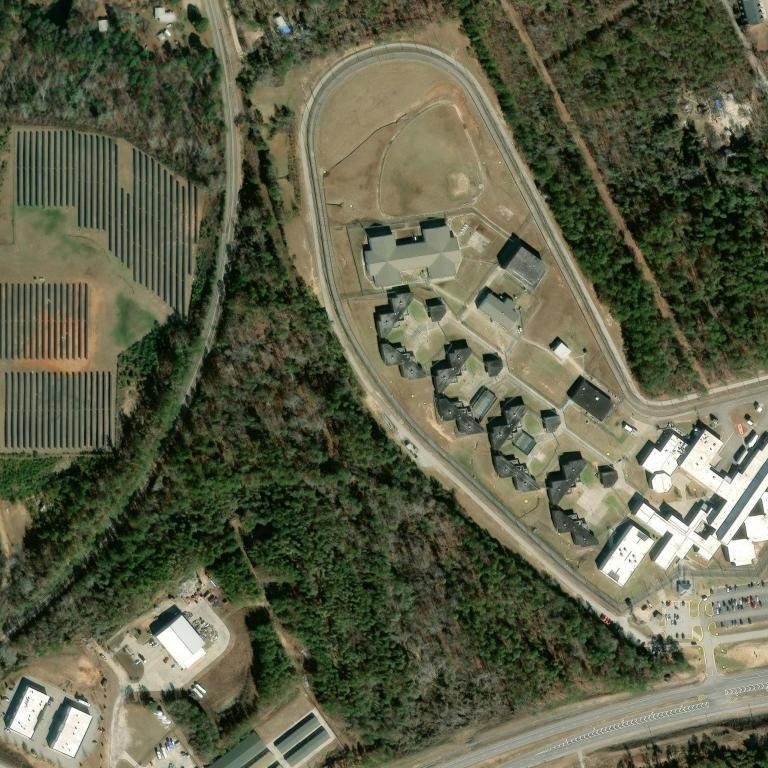 | Augusta State Medical Prison Grovetown · Close security | 1983 | 535 | 1,149 | 215% | above opening level 320 of 284 FY1983 A | 406 | Verified | FY1983 OPB Budget explicit: 535 = 400 GP + 135 medical |
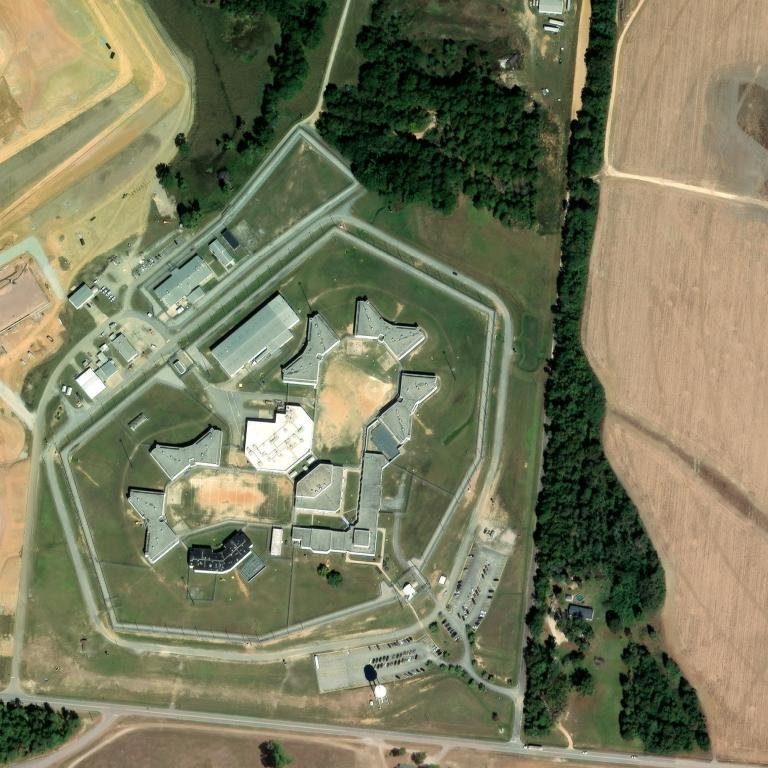 | Washington State Prison Davisboro · Medium security 500-cell X prototype | 1991 | 500 | 980 | 196% | 55% vacant 132 of 296 FY1992 A | 51 | Verified | FY1990 OPB Budget: “Construct Washington Correctional Institution – 750 beds” — 750 = architects’ maximum overflow capacity; original design = 500 cells |
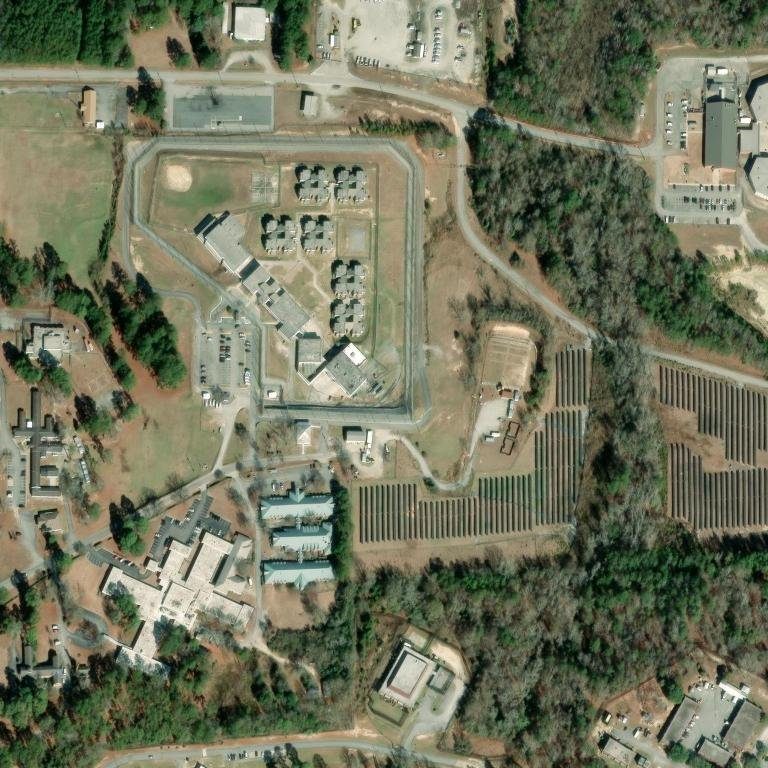 | Rutledge State Prison Columbus · Medium security | 1976 | 288 | 595 | 207% | 23% vacant 115 of 150 FY1976 B | 20 | Proxy | FY1980 OPB master-plan bed space 288, earliest on record; 480 was the FY1979 phased population, 576 double-loaded |
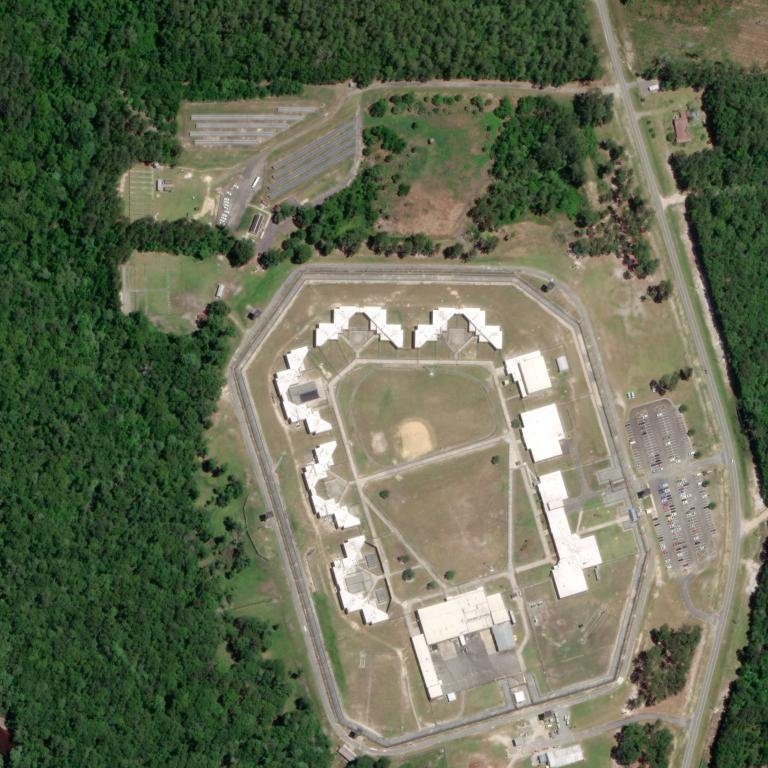 | Valdosta State Prison Valdosta · Close security | 1989 | 500 | 990 | 198% | — | 80 | Verified | GDC Annual Report FY1986: “construction is underway on new 500-bed institutions in Lowndes and Ware counties”; the FY1989 directory prints Capacity 500. The Annex (554) came later. |
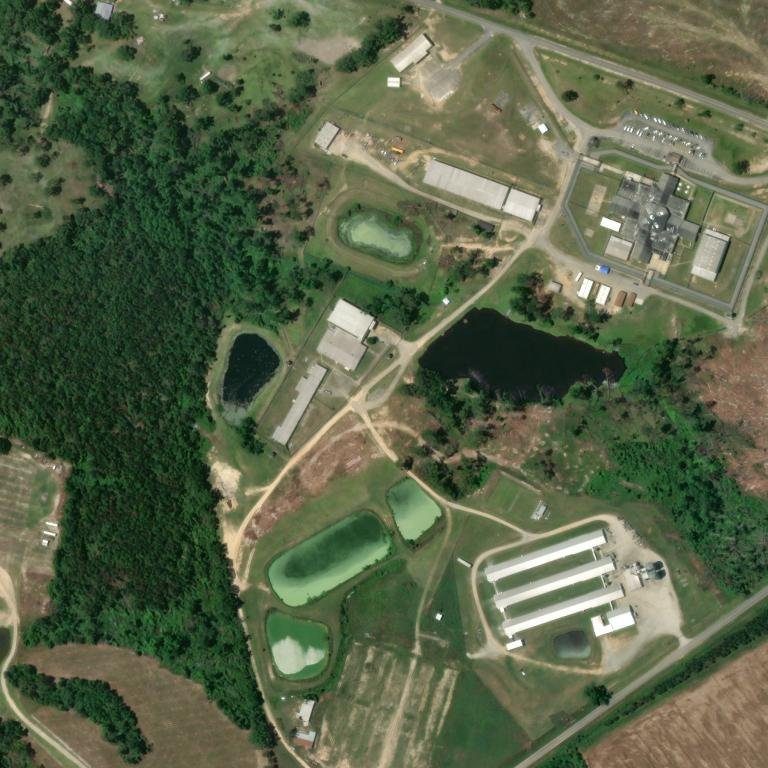 | Montgomery State Prison Mt. Vernon · Medium security | 1972 | 206 | 386 | 187% | above opening level 89 of 57 FY1977 earliest | 2 | Proxy | FY1980 OPB master-plan bed space 206, earliest on record; 344 was the FY1978–79 average population |
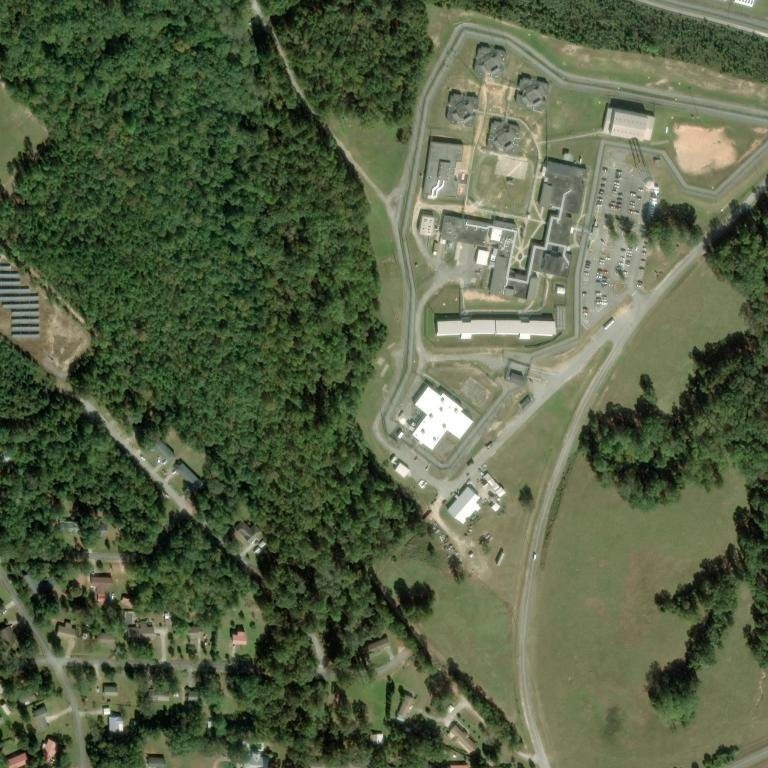 | Baldwin State Prison Hardwick · Close security | 1976 | 660 | 969 | 147% | — | 70 | Proxy | P.O. Box 218 Hardwick, the former Georgia Women’s CI: “Opened 1957, new institution 1976 Capacity 660” (FY1988 AR), and the 1989 fast-track’s 200 beds give the 860 printed FY1990-92. The old 504 was Bostick’s figure, a different prison. Proxy, not verified: the FY1980-82 master-plan row for this plant reads 192 |
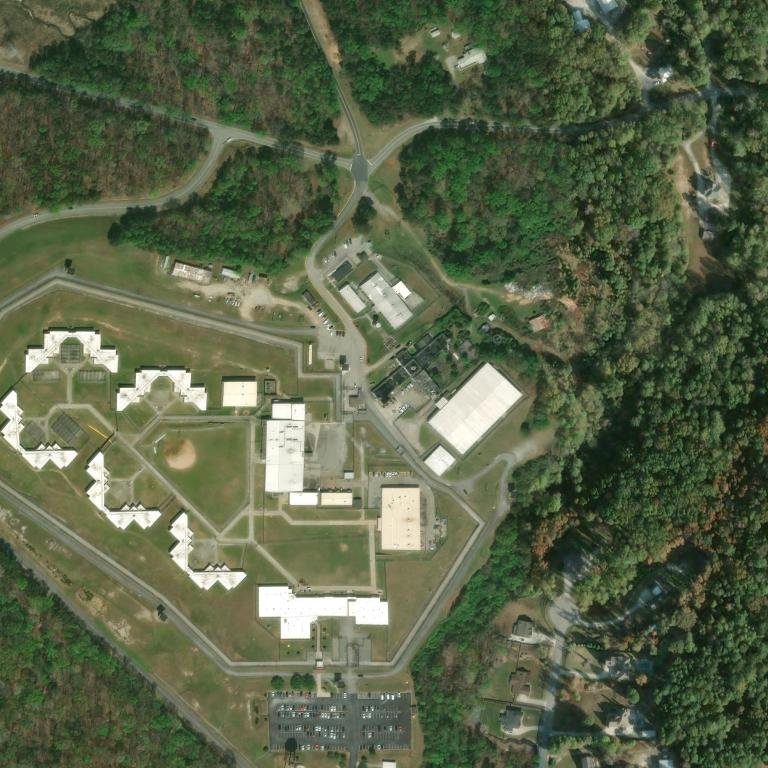 | Phillips State Prison Buford · Close security | 1991 | 600 | 660 | 110% | above opening level 142 of 80 FY1974 earliest | 69 | Verified | FY1985 OPB Budget item 74: the 1991 Buford plant was “designed to house 500 close security inmates with a special housing unit for 100 mentally ill inmates” (500 + 100). The 750 in the 1991 annual report is the maximum operating capacity of a 500-cell prototype; 230 was a 1978 average population at the older GTDC plant |
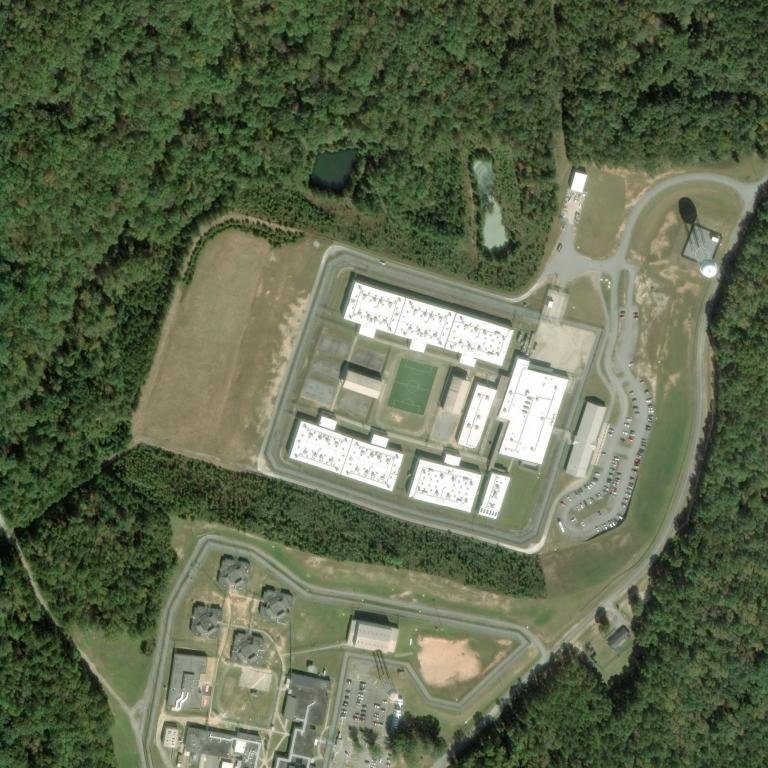 | Riverbend Correctional and Rehabilitation Facility Milledgeville · Medium security | 2011 | 1,500 | 1,504 | 100% | — | 13 | Verified | GDC’s own private-prison profiles (2015, 2020) and the FY2016 Zero Based Budget report: “a max capacity by contract of 1,500 inmates”. The 1,588 bed-space figure is the crowded number, not the design. |
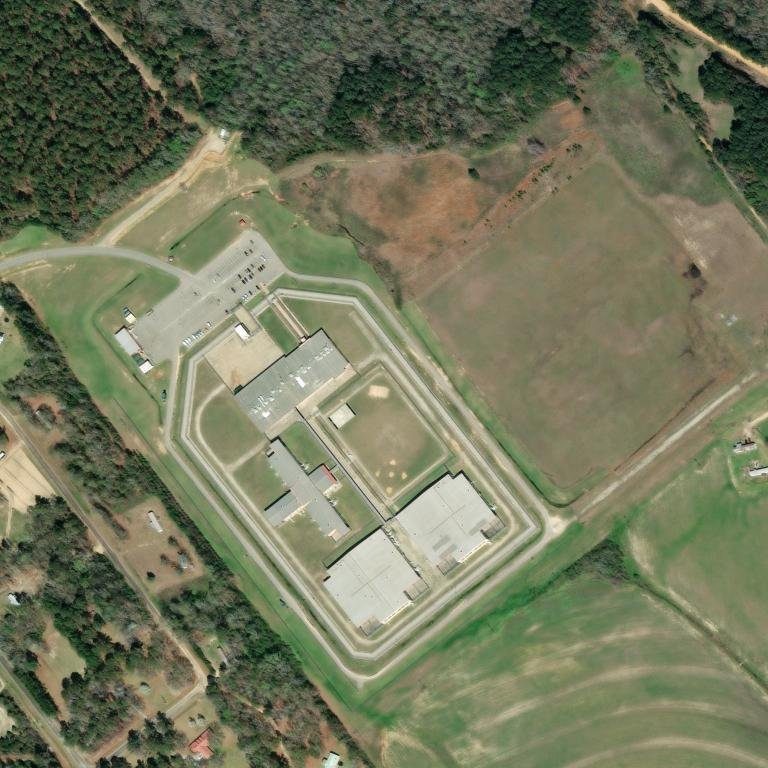 | Jenkins Facility Millen · Medium security | 2012 | 1,150 | 1,155 | 100% | — | 20 | Verified | GDC’s own private-prison profiles (2015, 2020) and the FY2016 Zero Based Budget report: “a max capacity by contract of 1,150 inmates”. Bed space was 1,186 in 2015 and 1,226 by 2020. |
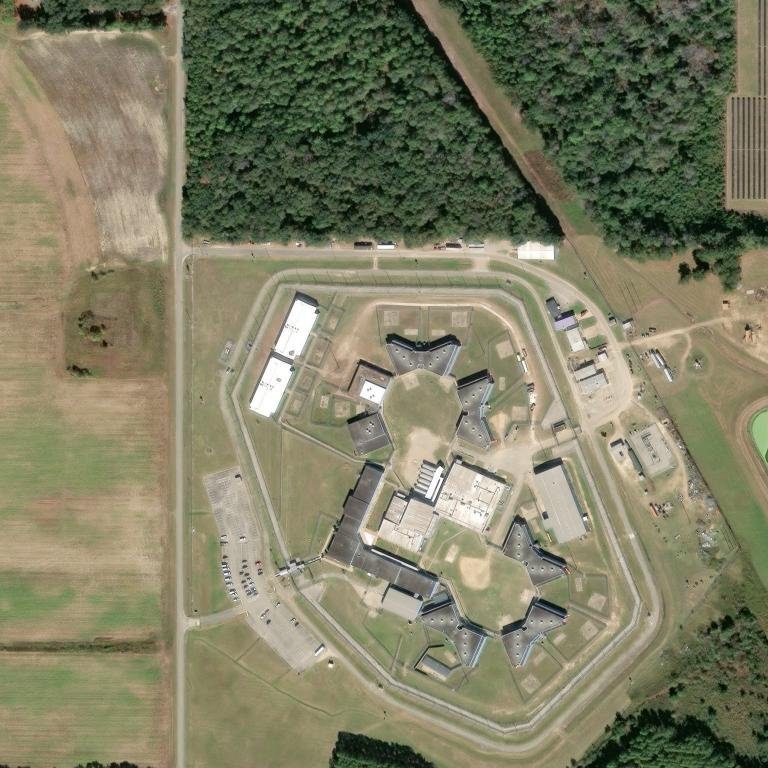 | Autry State Prison Pelham · Medium security 500-cell X prototype | 1994 | 500 | 443 | 89% | 62% vacant 117 of 309 FY1992 A | 22 | Verified | Admin-attested: same standardized 500-cell design (750 = architects’ maximum overflow) as Dooly cohort |
Metro Reentry Facility Atlanta | 1980 | 420 | 345 | 82% | above opening level 194 of 163 FY1981 B | 33 | Verified | FY1979 OPB Budget: “420 beds (720 @ overload)”; GDC FY1988 directory: seven 60-man units = 420. Confirmed 2026-09-12 | |
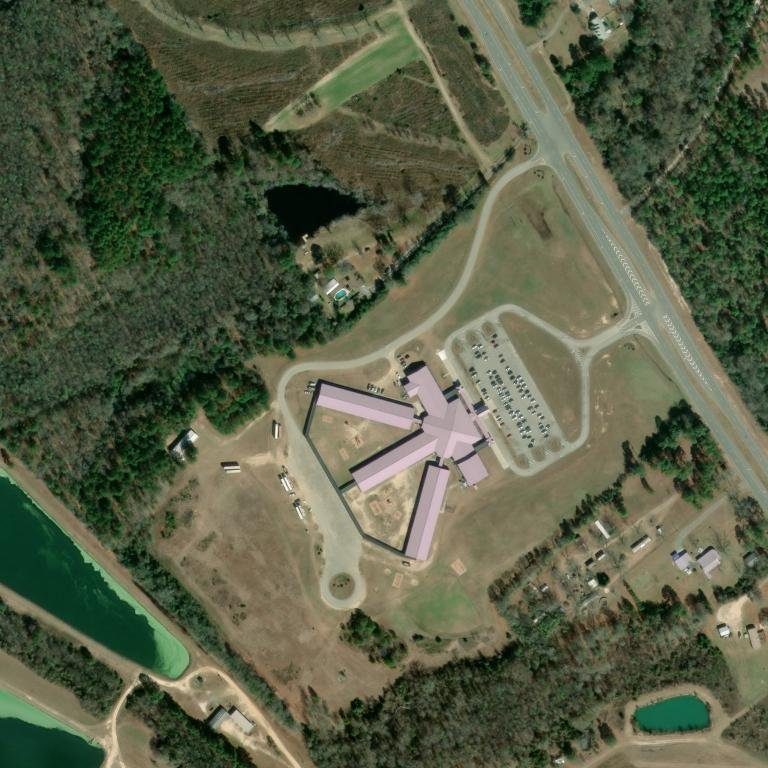 | McRae Women’s Facility McRae-Helena · Close security | 2000 | 1,978 | 1,183 | 60% | — | 7 | Proxy | Not a Georgia design figure. CCA built the plant in 2000 under a federal Bureau of Prisons contract for men held pending deportation, and 1,978 is that federal-era capacity, from secondary sources. GDC bought it for $130M and took over 1 Dec 2022. No Georgia design document located; the percentage is unsupported. |
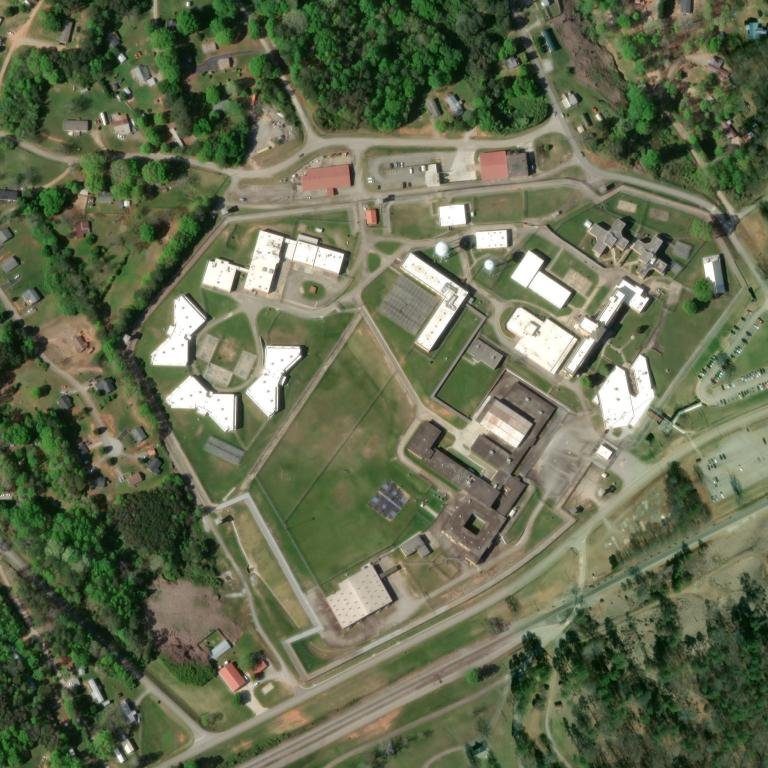 | Arrendale State Prison Alto · Mixed close/medium | 1926 | 790 | 396 | 50% | 52% vacant 118 of 244 FY1974 earliest | 25 | Proxy | FY1980 OPB master-plan bed space 790, the earliest plant figure on record; 1,200 was the FY1991 AR print made during the replacement rebuild |
Where the numbers come from.
Every figure on this page is footnoted to the record it came from, and the Status column says how good that record is. Most trace to Georgia’s own Governor’s Budget Reports and Department of Corrections annual reports, harvested from the Digital Library of Georgia, supplemented by the U.S. Department of Justice’s 2024 findings on Georgia prisons. Where the State has documented no design figure, or only a weaker one, the row is marked Proxy or Unverified and the note beside it says what is missing.
- U.S. Department of Justice · Investigation of the Georgia Department of Corrections (Findings Report, October 1, 2024) · cited throughout this page for correctional-officer vacancy rates, EMS delays, gang control, suicides and homicides in custody, and rigor-mortis death discoveries · justice.gov PDF
- GDC, Mission Statement (cited in the callout above) · agency homepage, gdc.georgia.gov
- FY1989 OPB Budget · “Design and construct a 500-cell correctional facility (maximum operating capacity 750 inmates)” · DLG record
- FY1983 OPB Budget · Augusta CMI design capacity 535; Dodge CI design capacity 336+50+18 = 404 cells · DLG record
- FY1990 OPB Budget · Construct Wilcox/Washington/Johnson/Mitchell/Calhoun/Dooly Correctional Institutions — 750 beds each (750 = maximum operating capacity over the 500-cell design) · DLG record
- GDC FY1991 Annual Report · Commissioner’s narrative on prototype construction · DLG record
- GDC FY1997 Annual Report · System population growth chart FY88–FY97 · DLG record
- GDC FY2003 Annual Report · Per-facility population table · DLG record
- FY1989, FY1990, FY1991 and FY1992 OPB Budget Reports · positions authorized at opening (the Staff vs. authorized column): Ware FY1989; Hays, Telfair, Hancock FY1991; Johnson, Mitchell (now Autry), Washington FY1992 · Digital Library of Georgia, OPB budget series (records for FY1989 and FY1990 linked above)
- GDC facility staff roster, August 2026 · named staff of every kind at each prison, the “on the roster” count in the Staff column; contracted medical staff appear in neither figure
- U.S. Department of Justice · Findings Report, October 1, 2024, p. 24 · correctional-officer vacancy 49.3% (2021), 56.3% (2022), 52.5% (2023); December 2023 breakdown by facility type (cited in the 52.5% card)
- GDC Friday Statistics · weekly population report · every population figure, the overcrowding ratios, the counts above 200% and the headline total on this page are live from the latest report
- GDC · Year-end counts of inmates of the Georgia Prison System, 1925 to present · the population line in the chart · gdc.georgia.gov PDF
- GPS Georgia Prison Deaths registry · the Deaths since 2020 column: deaths in GDC custody since January 1, 2020, official records plus family-reported deaths GPS has verified · gps.press/georgia-prison-deaths/
- GPS design-capacity review, August 31, 2026 · Lee corrected to 400 (was 640) and Rogers to 430 (was 596), the original physical plant rather than a later expansion · Metro Reentry 420 confirmed September 12, 2026 from the FY1979 OPB Budget (“420 beds (720 @ overload)”) and the GDC FY1988 facility directory (“seven 60-men units”)
This is what overcrowding looks like, prison by prison.
For the case for federal intervention, the model legislation already filed, and what families and voters can do about it — read the full investigation:
For the money side — $1.8 billion appropriated, $52 per person per year on rehabilitation — read Mission Failure. Or jump straight to Vision 2027 — GPS’s three-bill legislative package.