Georgia Prisons’ ACA Compliance vs. Inhumane Reality

Prison cell comparison illustrating compliance with ACA regulations versus poor prison conditions.

Georgia prisons claim to meet ACA standards for humane treatment, yet investigations reveal a shocking reality: overcrowded cells, dangerously inadequate meals, and filthy conditions that defy basic human rights. Behind the official accreditation lies a disturbing pattern of neglect and abuse, exposing a system that’s ACA-compliant in name only.

The First Thing We Do, Let’s Kill All The Lawyers

Overturned balance scale with cash and prisoners' cage representing justice and corruption in Georgia prisons.

The Corrupt Business of Justice in Georgia

For centuries, people have distrusted lawyers—but in Georgia, that distrust is well-earned. Criminal defense attorneys demand massive upfront payments with no refunds. Judges and district attorneys—often former defense lawyers themselves—profit from the same system they claim to regulate. State lawmakers, many of them attorneys, write laws that fuel mass incarceration while quietly benefiting from the industry it creates.

Is Georgia’s legal system a system of justice, or a business designed to keep itself in power? With sky-high incarceration rates, private probation companies raking in millions, and public defenders drowning in impossible caseloads, one thing is clear: the system isn’t broken—it’s working exactly as those in power intended.

How did we get here? Can Georgia’s criminal justice system even be fixed? Or are we doomed to a future where mass incarceration is just another profit stream for the legal elite? Read the full investigation to find out.
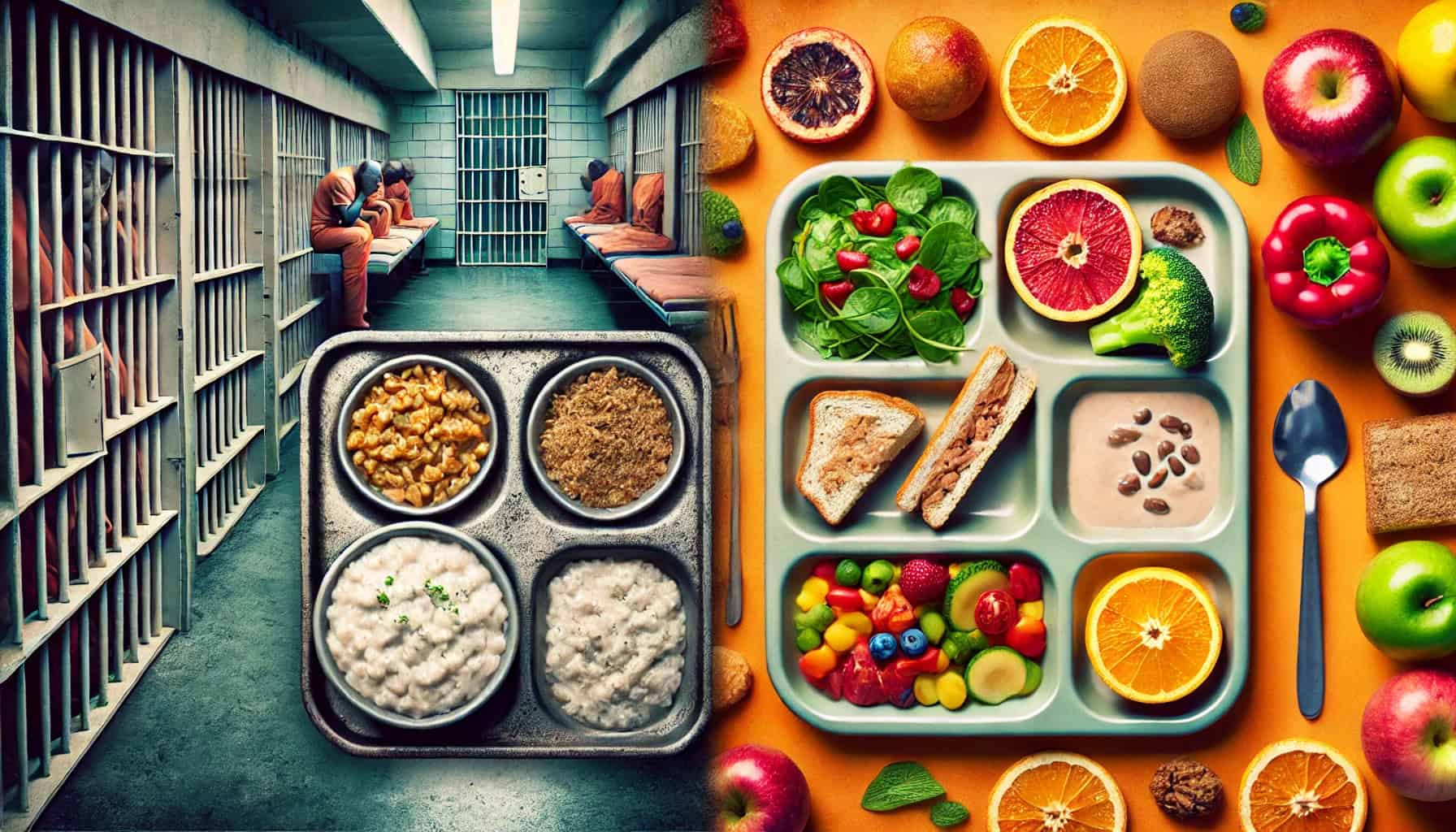
Nutrition Neglect: How Georgia’s Prison Food Is Fueling Violence

Prison inmates in a jail cell with a cafeteria-style meal of rice, vegetables, and chicken.

Could something as basic as food be the hidden trigger behind prison riots and unrest?

In Georgia prisons, hunger isn’t just about discomfort—it’s fueling a crisis. Malnutrition and barely-edible meals at $1.80 a day are not just depriving incarcerated people of nutrition; they’re driving desperation, mental health breakdowns, and escalating violence behind bars.

In this investigative piece, we reveal the shocking truth about the state of food in Georgia’s correctional facilities and how it directly impacts safety, mental health, and rehabilitation—AND Violence!!

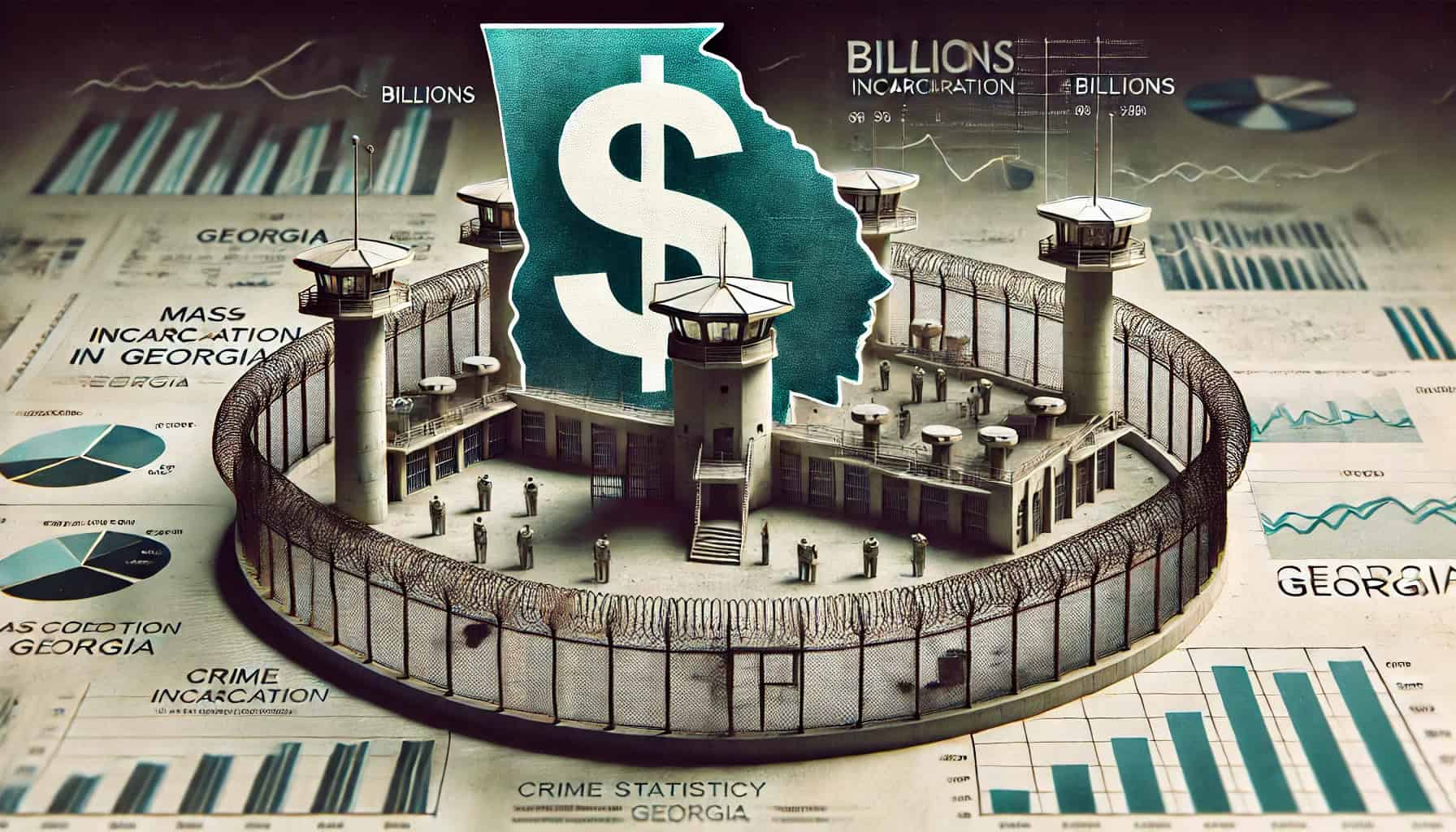
Georgia’s Corrections Spending vs Public Safety: A Costly Imbalance

Locked prison yard model with dollar sign and Georgia map, symbolizing incarceration and financial costs in Georgia prisons.

Georgia’s Costly Corrections System: Billions Spent, Average Safety Returns

Georgia incarcerates more of its citizens than any democratic nation on Earth, with an incarceration rate of 881 per 100,000 people. Since 1970, the state has seen a staggering 671% increase in its prison population.

Despite pouring over $35 billion into its corrections system since 2000—with annual spending set to reach nearly $1.9 billion in 2025—Georgia’s public safety outcomes remain average. The state ranks just 20th nationally in crime statistics, with violent crime rates only slightly below national averages.

One in every eighteen Georgia adults is under some form of correctional supervision—73% higher than Pennsylvania, the state with the second-highest rate. 1 in 7 adults in Georgia currently have a felony conviction. This massive investment in incarceration has failed to deliver exceptional safety results, while many states with dramatically lower imprisonment rates achieved better crime statistics.

Is Georgia wasting billions on a corrections approach that doesn’t work?

Ignoring the Trap: How Indifference Fuels Georgia’s Prison Crisis

Filename: georgia-prisoners-speak-animals-in-farm-pen.jpg.

When a mouse fears a mousetrap, its plea for help goes ignored by those who think the danger isn’t theirs. Yet, tragedy reveals a profound truth: injustice and neglect, even behind prison walls, ripple outward, affecting us all. This powerful parable reveals why empathy for those incarcerated isn’t just humane—it’s essential.

The Mouse Trap

Mouse trap set in warm indoor environment, representing pest control or rodent prevention.

When a mouse fears a mousetrap, its plea for help goes ignored by those who think the danger isn’t theirs. Yet, tragedy reveals a profound truth: injustice and neglect, even behind prison walls, ripple outward, affecting us all. This powerful parable reveals why empathy for those incarcerated isn’t just humane—it’s essential.

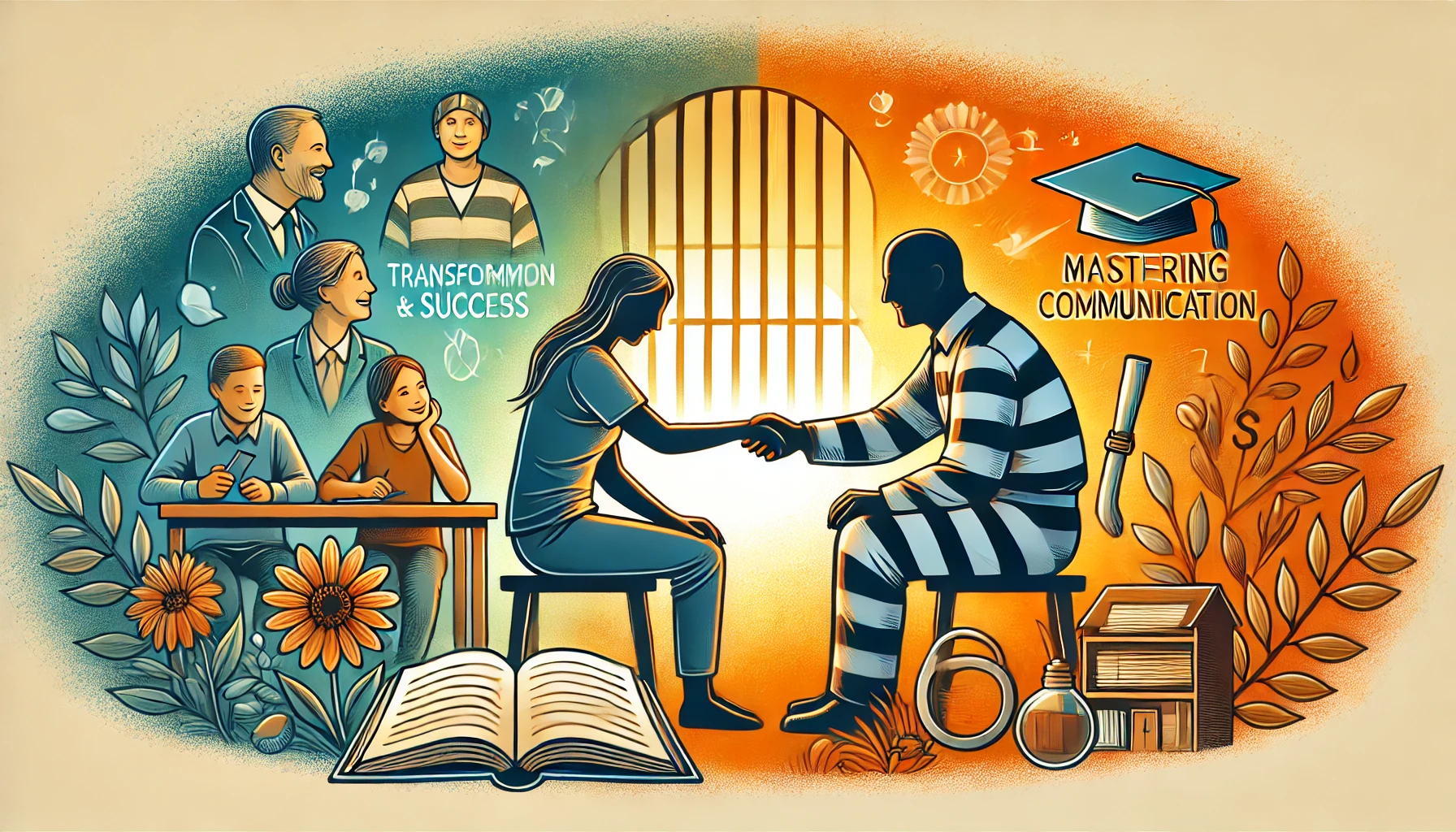
Mastering Communication for Success: A Guide for Prisoners and Their Families

Inmate and counselor handshake in prison interview scene with educational and rehabilitative themes, emphasizing transformation and communication skills, Georgia prisoners' stories.

Mastering communication isn’t just about talking—it’s about transforming your future. Whether you’re navigating life after incarceration, seeking stable employment, or rebuilding trust with family, how you communicate can determine your success.

This guide, inspired by How to Win Friends and Influence People and other powerful books, teaches practical strategies to help prisoners and their families develop essential people skills. You’ll learn how to make a lasting first impression, handle difficult conversations, build trust, and influence others positively—whether it’s with an employer, a parole officer, or a loved one.

For prisoners, these skills are a game-changer. They can help you land jobs, gain respect, and avoid conflicts that could derail your progress. For families, they can strengthen relationships, improve financial stability, and create new opportunities.

With real-world examples, step-by-step techniques, and a roadmap to free learning resources, this article gives you the tools to break barriers and build a better life—one conversation at a time.

Breaking Free with MOOCs: Education Empowers Prisoners and Families

Free online courses, known as MOOCs, are opening unprecedented doors for prisoners and their families. From coding classes at Harvard to career-focused certificates, these courses offer hope, skills, and a pathway to financial independence. Discover how education behind bars is transforming lives, one lesson at a time.

How AI Can Empower Prisoners and Their Families: A Practical Guide

Artificial Intelligence (AI) is revolutionizing how we access information and complete essential tasks—and prisoners and their families can benefit from it too. AI can help investigate legal cases, draft appeals, plan for parole, create personalized education plans, manage finances, and even support mental health. With the right AI tools, families can streamline budgeting, generate impactful advocacy letters, and prepare incarcerated loved ones for a successful reentry into society.

This guide explores how AI can empower prisoners and their families to navigate challenges, stay informed, and build a better future—one smart step at a time.

Beating Inflation: How Families Can Protect Their Money

Inflation quietly steals the value of your money, but you don’t have to be powerless against it. By taking control of your finances through practical budgeting, smart savings strategies, and strategic Bitcoin investing, you and your family can protect—and even grow—your wealth. Whether you’re cutting unnecessary expenses, consistently buying small amounts of Bitcoin, or asserting your financial rights to fight unfair debt collectors, each step builds resilience. Remember, financial security isn’t reserved for the wealthy—it’s achievable for anyone equipped with the right knowledge and tools. Take the first step today and reclaim your financial future.

Report a Problem