What the Videos Don’t Show

A mother at a family dinner table watches something on her phone, her face stricken, while her son and husband look on; the phone screen is turned away

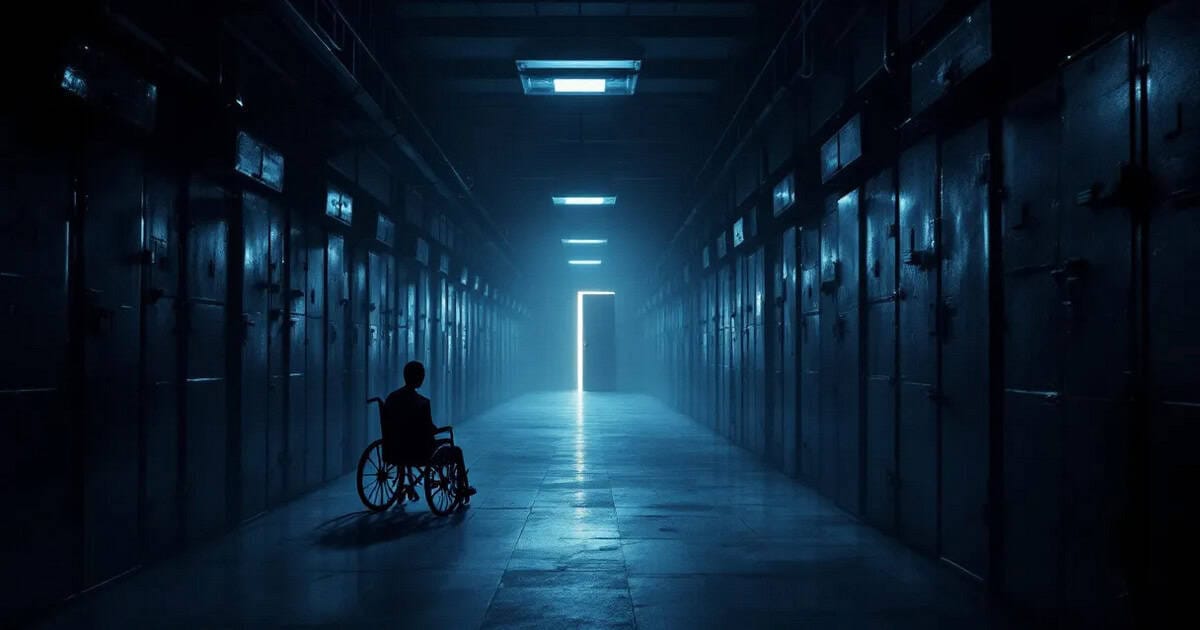
The prison videos on your feed aren’t proof that the men in them can’t be reached. Federal investigators read the same clips as proof of what a housing unit becomes when the state leaves it: half the posts empty, gangs deciding who sleeps where, drugs over a fence nobody watches. And the public already believes prisons don’t fix anyone.
When Nobody Comes: Surviving Georgia’s Prisons

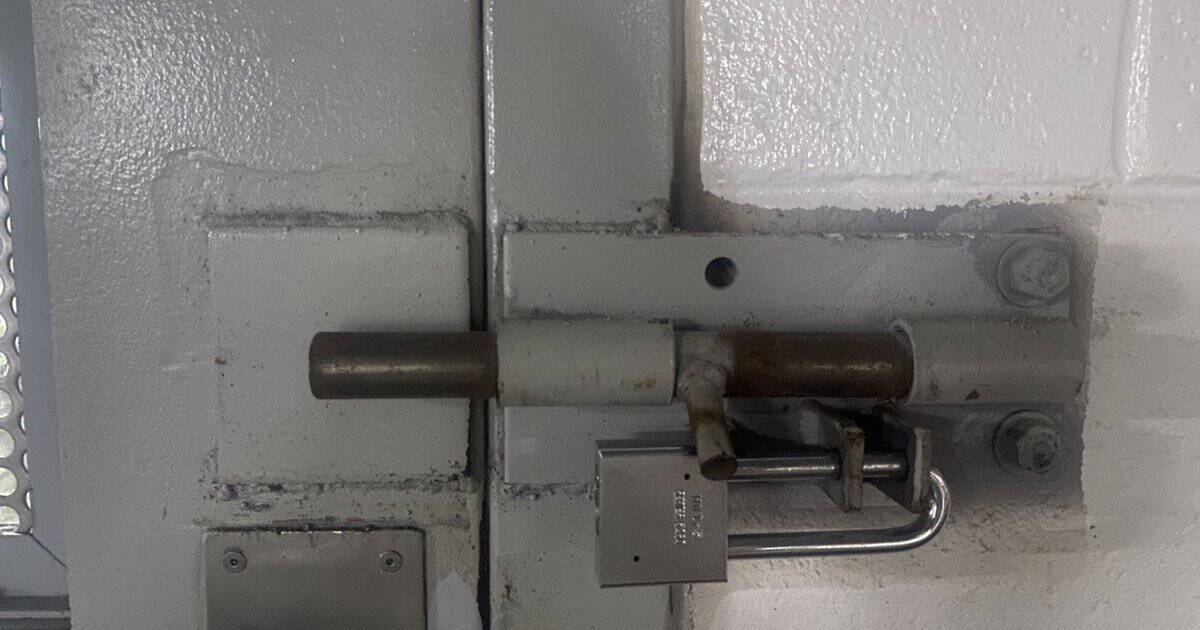
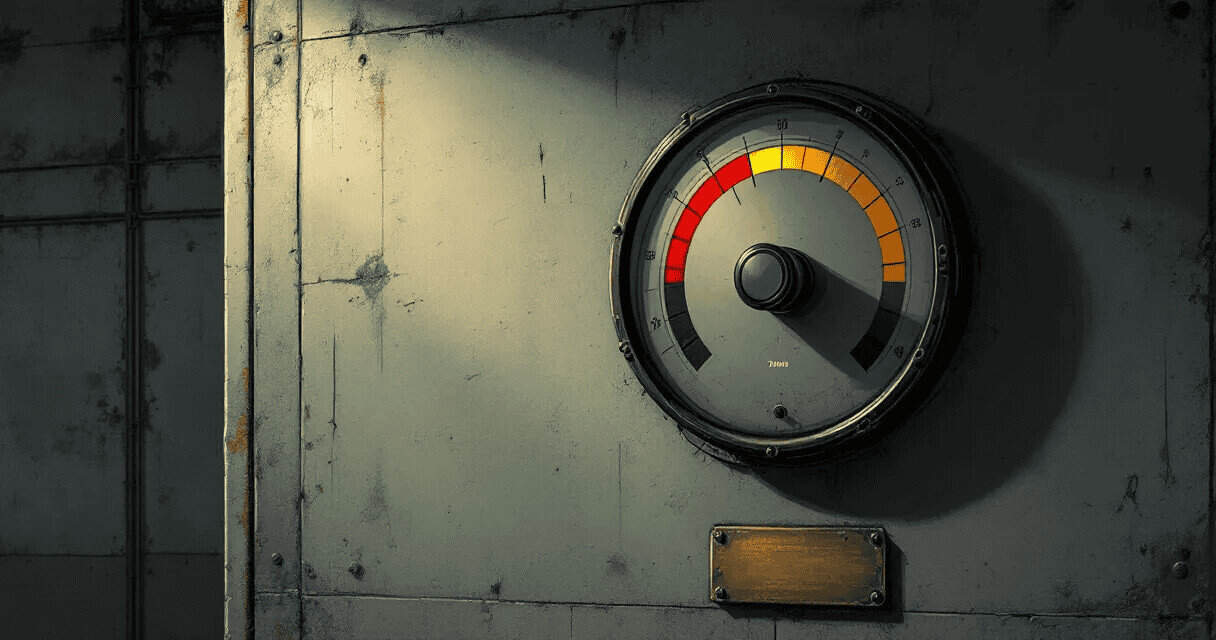
Nine contributors describe what daily survival requires inside Georgia custody: boots worn into the shower, lunch carried back from breakfast, a fire alarm ringing into an empty post, and medication missed behind a locked door. Much of what keeps people alive is done by other prisoners.

Twenty Percent of the Jail

Georgia now reimburses rural county jails when more than 20 percent of their capacity is filled by people charged with delivering contraband to state prisons. Two sheriffs are in open revolt over the cost. Every dollar the state spends chases the supply chain it can see from a patrol car.

The Swing Space That Wasn’t: 524 New Beds, a Border-Wall Family, and No Contract Georgia Will Show

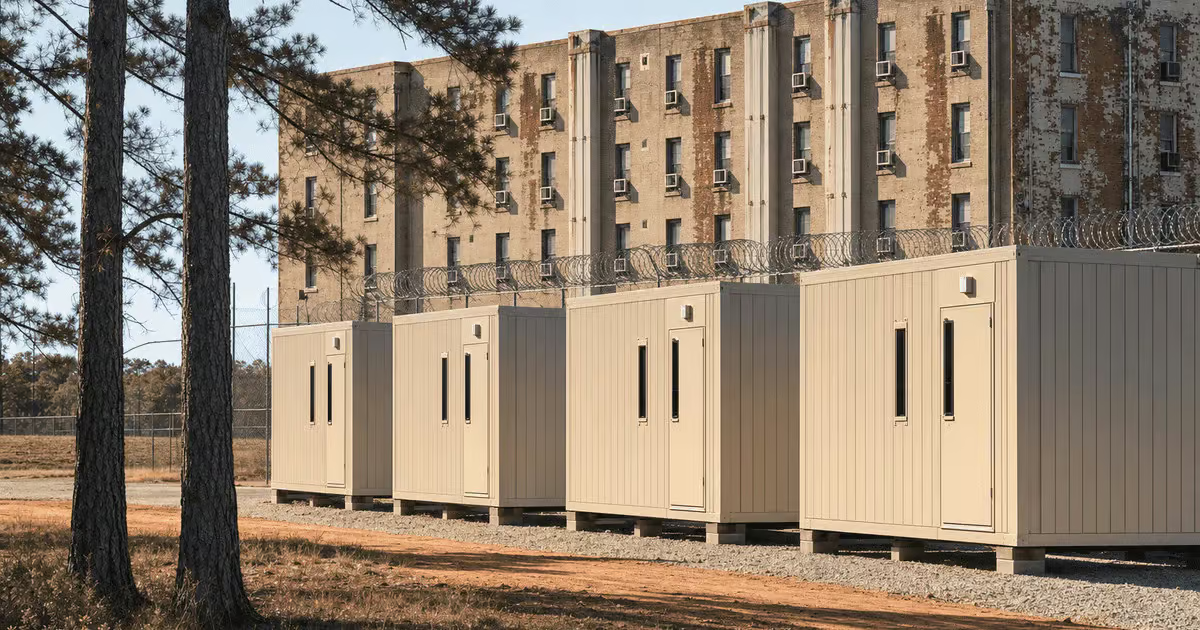
Georgia’s General Assembly appropriated $86 million for modular prison units sold as temporary “swing space.” GDC now calls them 524 permanent beds. The builder is owned by the Galveston family behind one of America’s largest border-wall contractors. Update, September 2: the state has since produced five executed contracts with ModCorr LLC totalling $85,585,244, signed April 25, 2025. The solicitation behind them is still unaccounted for.

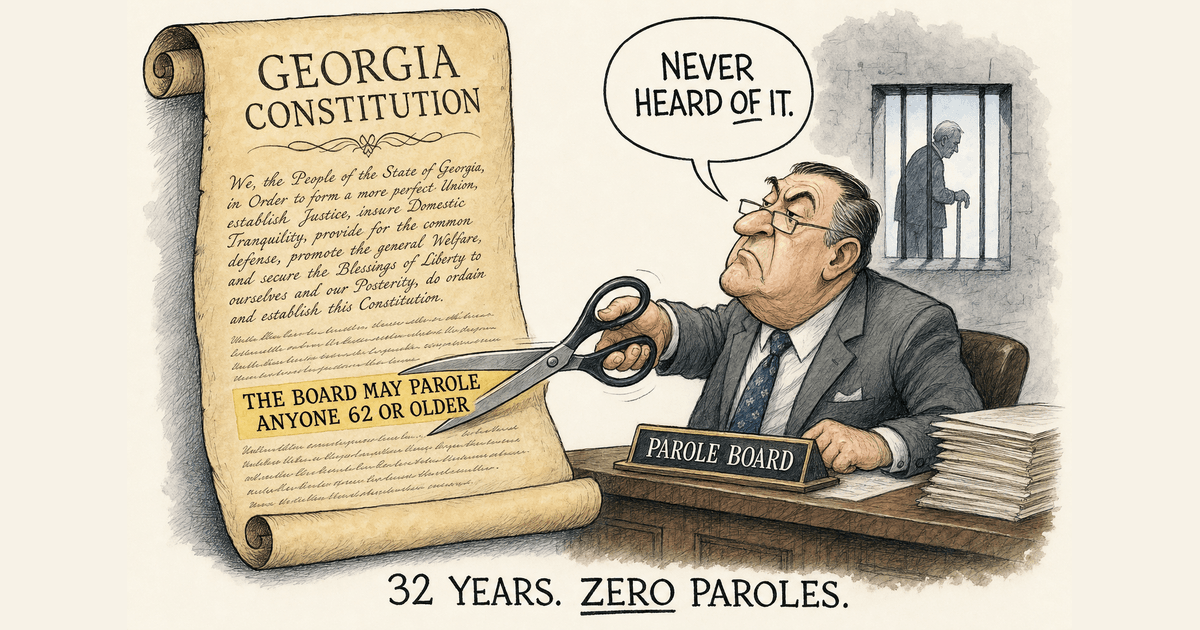
Georgia Parole Board Rejects Constitution

Editorial cartoon: a parole board official with scissors prepares to cut the line "The Board may parole anyone 62 or older" out of a scroll labeled Georgia Constitution, saying "Never heard of it," while an elderly prisoner stands at a barred window. Caption: 32 years. Zero paroles.

In 1994, 81% of Georgia voters gave the parole board constitutional authority to parole anyone 62 or older — an exception written into the same amendment that created life without parole. Thirty-two years later, the Board has no rule, no process, and no record of ever using it once.