METRO REENTRY FACILITY
Facility Information
- Original Design Capacity
- 420
- Bed Capacity
- 355 beds
- Current Population
- 345
- Active Lifers
- 40 (11.6% of population) · Oct 2026 GDC report
- Life Without Parole
- 1 (0.3%)
- Address
- 1301 Constitution Road SE, Atlanta, GA 30316
- Phone
- (404) 460-2100
- Fax
- (404) 624-2243
- Mailing Address
- PO Box 17668, Atlanta, GA 30316
- County
- Dekalb County
- Opened
- 1980
- Operator
- GDC (Georgia Dept. of Corrections)
Security Classification
Last updated: September 23, 2026
6 of the 341 people held here are classified Close security (1.8%), as of September 23, 2026.
| Security level | People | Share |
|---|---|---|
| Close | 6 | 1.8% |
| Medium | 264 | 77.4% |
| Minimum | 71 | 20.8% |
| Total | 341 |
Earlier count (undated table, produced October 22, 2025): 2 of 355 Close (0.6%).
Source: Georgia Department of Corrections records produced to GPS under the Open Records Act (R031471-090226, R024615-101925). A person's security level is GDC's classification of that person, which can differ from the prison's own designation.
Follow Metro Reentry Facility
Leadership & Accountability (as of 2026 records)
Officials currently holding positional authority at this facility, with deaths attributed to GPS-tracked records during their leadership tenure. Inclusion reflects role-based accountability, not legal findings of personal culpability. Death counts shown as facility / career.
| Role | Name | Since | Deaths this facility / career |
|---|---|---|---|
| Warden (facility lead) | Sampson, Gregory L | 2025-01-01 | 4 / 51 |
| Deputy Warden of Administration (facility deputy) | Bunkley, Adrienne J | 2023-11-22 | 14 / 14 |
| Deputy Warden of Security (facility deputy) | Owens, Robert | 2023-11-22 | 14 / 14 |
| Deputy Warden of Care and Treatment (facility deputy) | Schofield, Latrese Davis | 2025-05-01 | 9 / 9 |
About
Last updated October 25, 2026.(DS)
Metro Reentry Facility: A Reentry Mission Inside a System in Crisis
Metro Reentry Facility occupies the renovated former Metro State Prison in Atlanta, in DeKalb County. It opened in 1980, and after the state's prisoner-reentry initiative it reopened in 2018 as a reentry facility rather than a long-term warehouse. It serves men — roughly 300 to 350 of them, within a defined window of release or parole eligibility — and its stated purpose is intensive programming: cognitive-behavioral classes, job-readiness and vocational training, education and life-skills courses, and family-reunification support, all aimed at reducing recidivism by preparing participants for a supervised return to the community. Its original design capacity was 420; its current rated capacity is 355, and GPS's records show 345 people held there, about 97.2 percent of rated capacity.
That mission — preparing men to go home — is the frame for everything below. The facility's population is drawn from people nearing release, and the record GPS has assembled shows a facility that has recorded 33 deaths since January 1, 2020, that received a man hospitalized after a deadly disturbance at another prison and pronounced him dead six days later, and whose residents describe heat, water, and food conditions that the wider GDC system has documented as systemic. The threads below are the facility's place in that system, its mortality record, and the January 2026 death of Silas Westbrook.
A Reentry Mission Inside a System Under Federal Scrutiny
Metro Reentry's reentry designation does not remove it from the structural conditions GPS has documented across the Georgia Department of Corrections. GPS treats infrastructure collapse as a force multiplier for the violence, classification, gang-control, and mortality crises documented at the facility level, and the pattern is systemwide: most GDC facilities are 30 to 40 or more years old, with documented deferred maintenance producing broken cell-door locks, inoperative surveillance and fire-alarm systems, mold and water failures, broken kitchen sanitization equipment, and pest infestations. The October 2024 DOJ findings, the Guidehouse 2024 assessment, and Commissioner Oliver's public "end of life" statements all corroborate that pattern.
Staffing is the second structural thread. Officer vacancies in Georgia's prisons have run between 49.3 percent and 60 percent systemwide for multiple years, against a national standard of no more than 10 percent; at Valdosta State Prison the rate reached 80 percent by April 2024. The hiring pipeline cannot close the gap — an acceptance rate under 15 percent, with 82.7 percent of new hires leaving in their first year — and Georgia ranks last of 50 states for correctional-officer pay. The October 2024 DOJ findings letter concluded that "the leadership of the Georgia Department of Corrections has lost control of its facilities" and faulted GDC for placing "too much blame on gangs and insufficient emphasis on understaffing." On-record testimony from Russell Zirkle, a former GDC assistant warden, describes Macon State Prison as among facilities running a 70 to 80 percent officer vacancy rate; Zirkle's account was given in a timestamped interview and is documented in GPS's reporting "Two Commanders Say Georgia Hides Its Prison Staffing Crisis." Tyler Ryals, a former GDC sergeant forced out in 2024 after whistleblowing, told GPS he had personally been the only security person on the entire Telfair compound of roughly 1,250 maximum-security inmates.
Heat, Water, and Food: What Residents Describe
GPS has received recurring reports from Metro Reentry residents describing the absence of air conditioning and inadequate ice distribution during hot periods. Multiple accounts describe drinking water that runs hot and carries a strong chlorine taste, with residents attributing cramps and diarrhea to it, and describe food of very poor quality. GPS has also received accounts of contraband being sold inside the facility.
Those accounts land against a documented systemwide food picture. GDC spends approximately $1.69 per person per day on food (2024) and has proposed $1.60 per day in FY27 — under 60 cents per meal — against the FDA Thrifty Food Plan estimate of roughly $10 per day for an adult man's nutritionally adequate diet. The state spends approximately 14 times more on medical care for incarcerated people ($432 million) than on their food. The Marshall Project corroborated the pattern in a May 16, 2026 investigation by Schwartzapfel, "Rats, Insects and Mold," independently reporting rats in kitchens, insects in food, moldy trays, and visible malnutrition across Georgia facilities, and quoting GPS connecting chronic underfeeding to the violence pattern the DOJ documented in October 2024.
GPS has separately documented a systemic pattern of food-service sanitation failure across GDC kitchens that DPH inspection scores systematically fail to capture: tray-sanitizing dishwashers broken for sustained periods, sustained roach and rodent infestation in kitchen and serving areas, and meals served on visibly contaminated trays. That pattern is the analytical center of GPS's investigation "Dunked, Stacked, and Served."
Thirty-Three Deaths Since 2020
GPS's mortality registry records 33 deaths at Metro Reentry Facility since January 1, 2020 — a floor, since GDC reports deaths roughly two months late. By year, the registry shows 1 death in 2020, 4 in 2021, 6 in 2022, 3 in 2023, 7 in 2024, 7 in 2025, and 5 so far in 2026. By cause, 21 are coded Natural/Medical, 11 Unknown/Pending, and 1 Accident.
The most recent 25 recorded deaths, as the registry lists them:
- Thomas Allen Mckendrick died July 6, 2026, at Metro Reentry Facility; GPS's registry lists the cause as Unknown/Pending. He was 82.
- Cedric Clement Pierce died April 13, 2026, at Metro Reentry Facility; the cause is listed as Unknown/Pending. He was 61.
- Samuel Dennis Hunt died March 1, 2026, at Metro Reentry Facility; the cause is listed as Unknown/Pending. He was 64.
- Donald Woods died January 31, 2026, at Metro Reentry Facility; the cause is listed as Unknown/Pending. He was 65.
- Robert Rodriguez Johnson died January 1, 2026, at Metro Reentry Facility; the cause is listed as Natural/Medical. He was 46.
- Rodney Corbin died October 23, 2025, at Metro Reentry Facility; the cause is listed as Natural/Medical. He was 55.
- Stephen Mott died October 20, 2025, at Metro Reentry Facility; the cause is listed as Natural/Medical. He was 52.
- Wilson Beavers died October 10, 2025, at Metro Reentry Facility; the cause is listed as Natural/Medical. He was 66.
- John Whitfield died October 5, 2025, at Metro Reentry Facility; the cause is listed as Natural/Medical. He was 61.
- Sammy Bernard Palmer died April 25, 2025, at Metro Reentry Facility; the cause is listed as Unknown/Pending. He was 54.
- Willie James Johnson died April 11, 2025, at Metro Reentry Facility; the cause is listed as Unknown/Pending. He was 74.
- Harden Millard Walker died March 30, 2025, at Metro Reentry Facility; the cause is listed as Natural/Medical. He was 70.
- Joshua Jean Hanks died December 3, 2024, at Metro Reentry Facility; the cause is listed as Unknown/Pending. He was 36.
- Larry Jones died November 1, 2024, at Metro Reentry Facility; the cause is listed as Natural/Medical. He was 76.
- Timothy Crumbley died October 5, 2024, at Metro Reentry Facility; the cause is listed as Accident. He was 65.
- Benjamin August Harter died September 14, 2024, at Metro Reentry Facility; the cause is listed as Unknown/Pending. He was 85.
- Keithal Landon Greatheart died June 19, 2024, at Metro Reentry Facility; the cause is listed as Natural/Medical. He was 63.
- Richard Kevin Meadows died January 24, 2024, at Metro Reentry Facility; the cause is listed as Natural/Medical. He was 63.
- Lakeith Shunta Bonner died January 24, 2024, at Metro Reentry Facility; the cause is listed as Unknown/Pending. He was 40.
- James Joseph Marino died November 4, 2023, at Metro Reentry Facility; the cause is listed as Unknown/Pending. He was 40.
- Roy Edward Harrell died October 20, 2023, at Metro Reentry Facility; the cause is listed as Natural/Medical. He was 75.
- Bobby C Gayton died January 29, 2023, at Metro Reentry Facility; the cause is listed as Natural/Medical. He was 81.
- Charlie B Bowen died December 27, 2022, at Metro Reentry Facility; the cause is listed as Natural/Medical. He was 78.
- Farrell Todd Collins died November 13, 2022, at Metro Reentry Facility; the cause is listed as Natural/Medical. He was 43.
- Rebecca Lynn Harkins died November 8, 2022, at Metro Reentry Facility; the cause is listed as Natural/Medical. She was 56.
The full list is maintained at https://gps.press/georgia-prison-deaths/facility/metro-reentry-facility/. Across the system, GPS has independently tracked 1,918 deaths in GDC custody since 2020.
Silas Westbrook: A Transfer That Ended in Death
The death that most sharply connects Metro Reentry to the wider system is Silas Westbrook's. GDC reported that Westbrook was transferred to Metro Reentry Facility in DeKalb County after being hospitalized with minor injuries from the Washington State Prison disturbance, suffered a medical emergency upon arrival, and was pronounced deceased on January 17, 2026.
The disturbance he came from was a gang-war riot at Washington State Prison on January 11, 2026, in which four people died — three killed at the scene and a fourth who died of injuries days later. Teddy Dewayne Jackson, 27, Ahmod Dewayne Hatcher, 23, and Jimmy Trammell, 42 — days from release — were killed in the riot. Washington State Prison was placed on lockdown following the deadly brawl, and the facility did not reopen for more than five months. On April 28, 2026, 12 inmates were charged with felony murder, aggravated assault, and gang participation in connection with the disturbance.
Westbrook's death belongs to a five-death week spanning January 9 to January 17, 2026, that also included Dajhmere Ladaveon Hall, 30, found dead at Washington State Prison on January 9, two days before the riot, with the cause held Unknown/Pending. GDC's Office of Professional Standards is investigating Westbrook's death, and his body was turned over to the county coroner and taken to the GBI Crime Lab to determine the official cause of death. GPS has received family accounts describing an incarcerated person being released from hospitalization back to Metro Reentry Facility.
Leadership and Accountability
The facility is led by Warden Gregory L. Sampson, in the post since January 2025. The deputy wardens are Adrienne J. Bunkley (Administration), Latrese Davis Schofield (Care and Treatment), and Robert Owens (Security). The Care and Treatment post carries particular weight at a facility whose population is defined by proximity to release and whose mortality record is dominated by medical causes — 21 of 33 deaths coded Natural/Medical, with 11 more still Unknown/Pending.
Sources
This analysis draws on GDC public statements and Office of Professional Standards notices regarding the death of Silas Westbrook and the Washington State Prison disturbance; GPS's mortality registry and facility records; GPS's systemic findings on infrastructure, staffing, food service, and sexual violence in GDC custody, including the October 2024 DOJ findings letter and the Guidehouse 2024 assessment cited within them; The Marshall Project's May 16, 2026 investigation by Schwartzapfel, "Rats, Insects and Mold"; GPS's investigative reporting "Dunked, Stacked, and Served" and "Two Commanders Say Georgia Hides Its Prison Staffing Crisis," the latter drawing on a timestamped interview with former GDC assistant warden Russell Zirkle; on-record remarks from former GDC sergeant Tyler Ryals; and accounts from Metro Reentry residents and family members collected by GPS.
Mortality Statistics
33 deaths documented at this facility from 2020 to present.
Deaths by Year
- 2026: 5
- 2025: 7
- 2024: 7
- 2023: 3
- 2022: 6
- 2021: 4
- 2020: 1
Food Safety Inspections
No inspection records are on file with the Georgia Department of Public Health for this facility. GPS has filed an open records request asking where these records are maintained.
What the score doesn't measure. DPH grades kitchen compliance on inspection day — food storage, temperatures, pest control. It does not grade whether today's trays are clean. GPS reporting has found broken dishwashers at most Georgia state prisons we've documented; trays go out wet, stacked, and visibly moldy — including at facilities with recent scores near 100.
Who inspects. Most Georgia state prisons sit in rural counties — often with fewer than 20,000 people, several with fewer than 10,000. The environmental health inspector lives in that community and often knows the kitchen staff personally. Rural inspection regimes don't have the structural independence you'd expect in a city-sized health department. Read the scores accordingly.
Read the investigation: “Dunked, Stacked and Served: Why Georgia Prison Trays Are Making People Sick”
Recent reports (1)
Source-attributed observations and allegations from news coverage and reports submitted to GPS. Each entry credits its source.
- READER REPORT Submitted via GPS public submission form Recorded by GPS: Jun 5, 2026MEDICAL NEGLECT — METRO REENTRY FACILITY: The facility has no air conditioning and they’re not giving inmates ice like there supposed to . to…Read source →
Timeline (4)
Source Articles (4)
Former leadership
Officials who previously held leadership roles at this facility.
| Role | Name | Tenure | Deaths this facility / career |
|---|---|---|---|
| WARDEN 3 (facility lead) | Dills, Allen L | 2023-01-01 → 2026-01-15 | 18 / 32 |
| Correctional Superintendent (facility lead) | Parham, Cynthia L | 2023-11-22 → 2023-11-22 | — / 1 |
| DEPUTY WARDEN (facility deputy) | Fraser, Yolande | 2020-01-01 → 2023-12-31 | 14 / 14 |
| Correctional Asst. Supt (facility deputy) | Cofield, Desmond J | 2023-11-22 → 2023-11-22 | — / 10 |
| Clinical Chaplain (specialty lead) | Tolbert, Charles Andre | 2023-11-22 → 2026-08-27 | — / — |
Location
Aerial View
Then and now
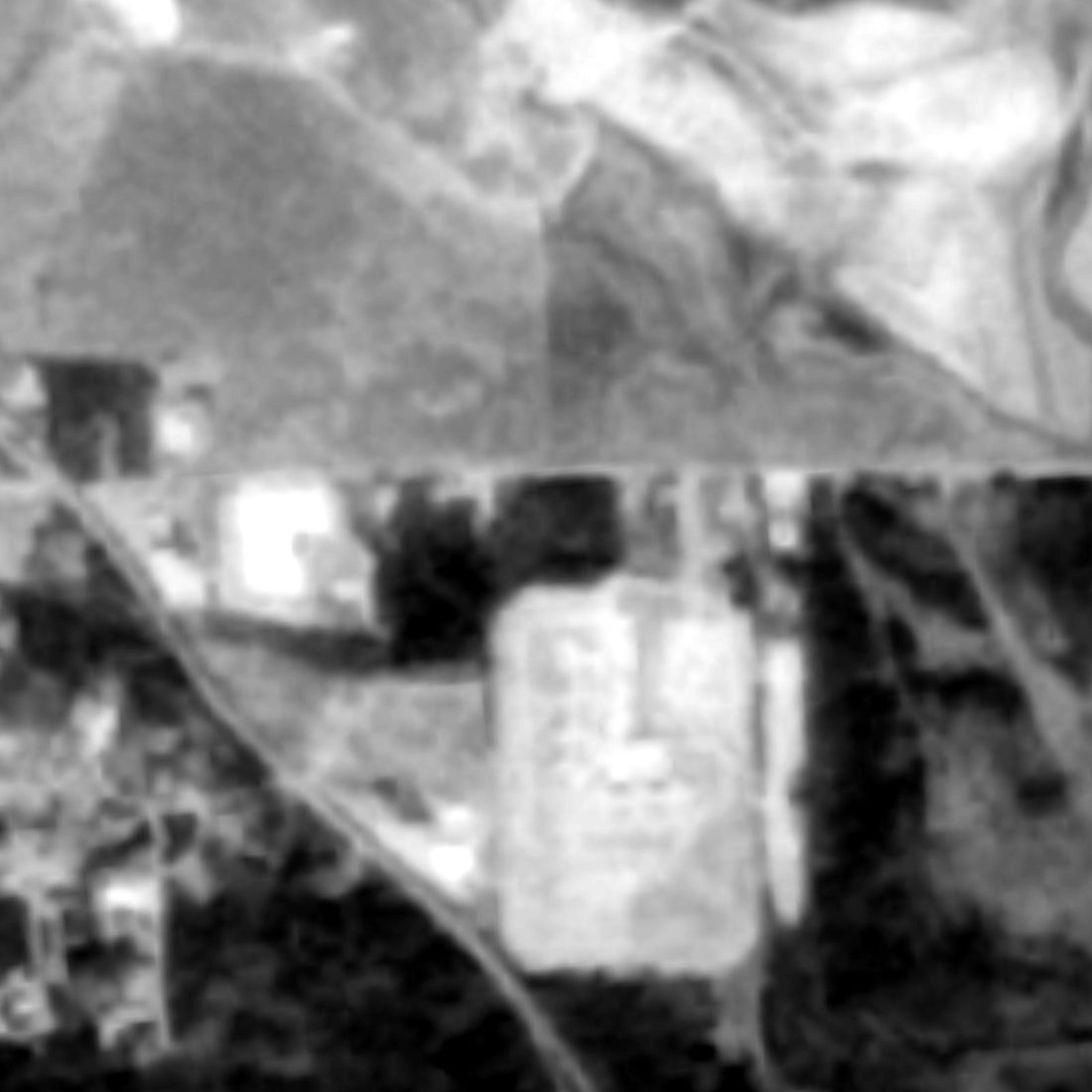
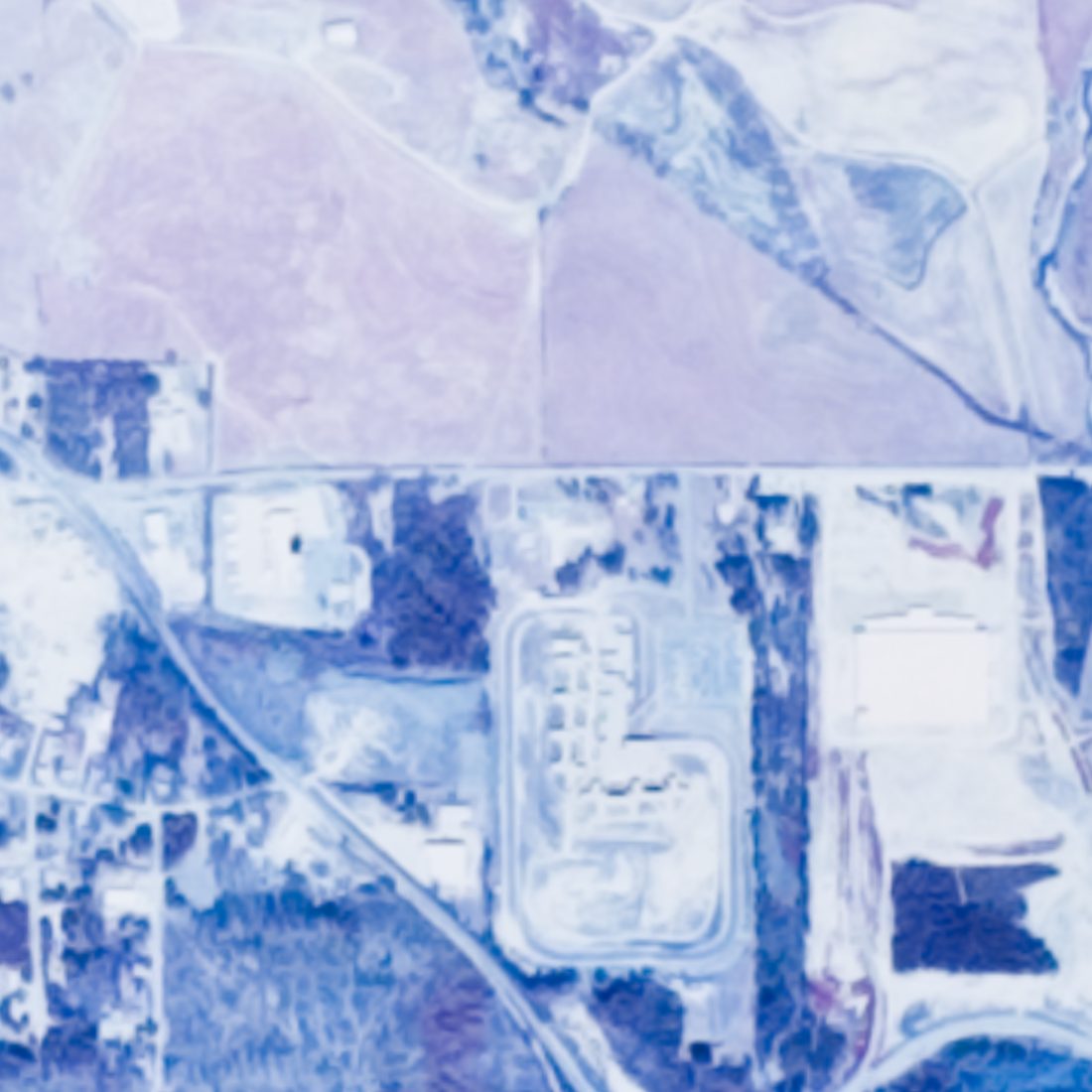
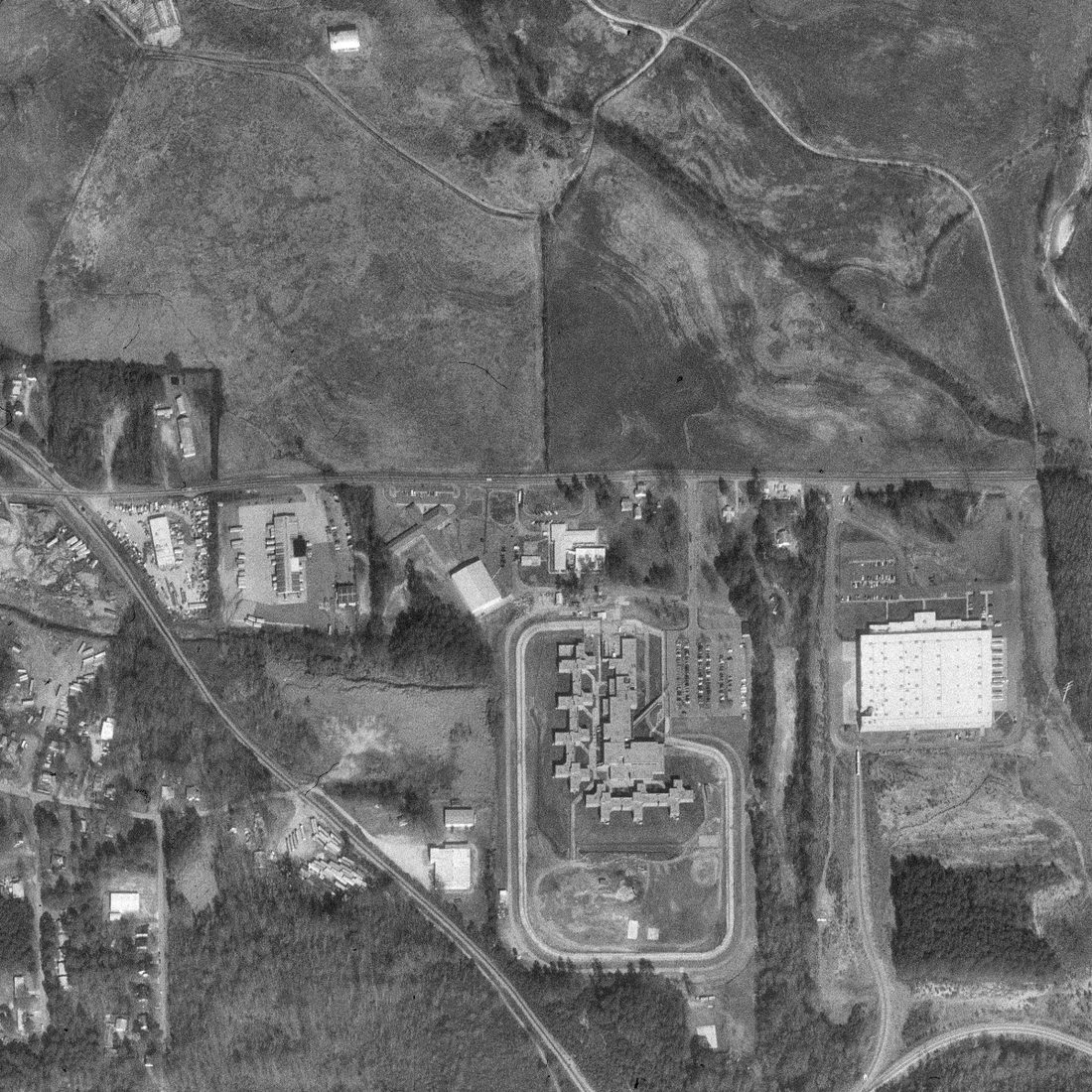
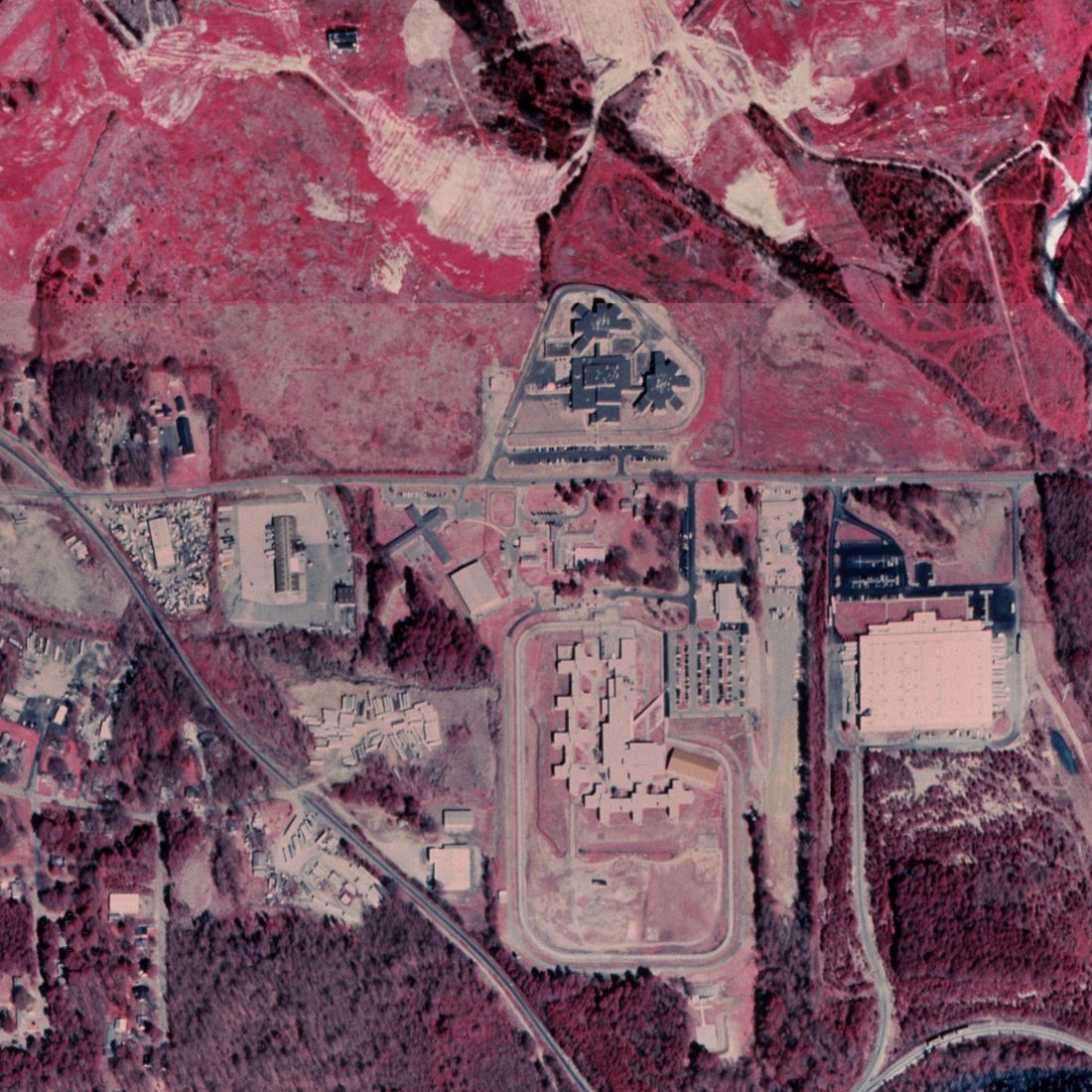
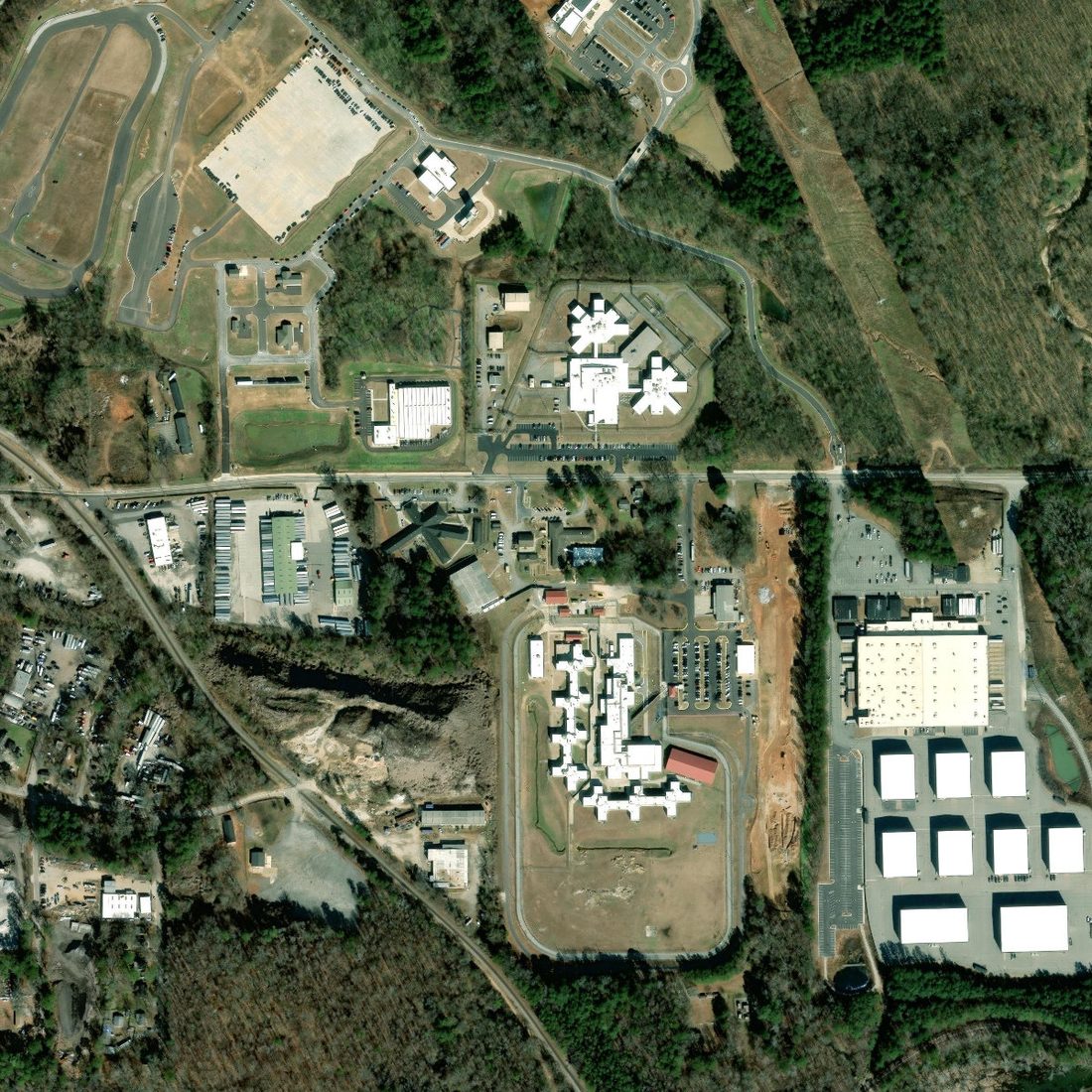
Each photo shows the same 1.2 km square, north up, so buildings line up from one year to the next. The older photos are U.S. Geological Survey aerial photographs. The photos from 1988 and earlier were taken on film and lined up with the later ones by their roads, so their positions are approximate. The early-1980s photos were taken from very high up and are less sharp. Select a photo to see it full size.