Author: Pompano Jane
My son was 16 years old when he was arrested in September 1998. He’s 44 now. He’s been incarcerated for 27 years — longer than he was ever free.
He was convicted of felony murder as a “party to a crime.” He wasn’t the actual perpetrator, but in Georgia, “the acts of one are the acts of all.” He was sentenced to Life with Parole under what they called the 14-year rule — meaning he’d be eligible for his first parole hearing after 14 years.
That first hearing came in 2012. He was denied. The letter from the parole board said he had “not done sufficient time.” They set him off for six years.
In 2018, he was eligible again. Set off for three years. Same reason: “not done enough time.”
In 2021, eligible again. Set off for two years. Same letter.
In 2023, set off for one year. Same letter.
In December 2024, something changed. He received a letter saying he’d been “tentatively” granted parole and would be reevaluated in 90 days. We were relieved. He was coming home.
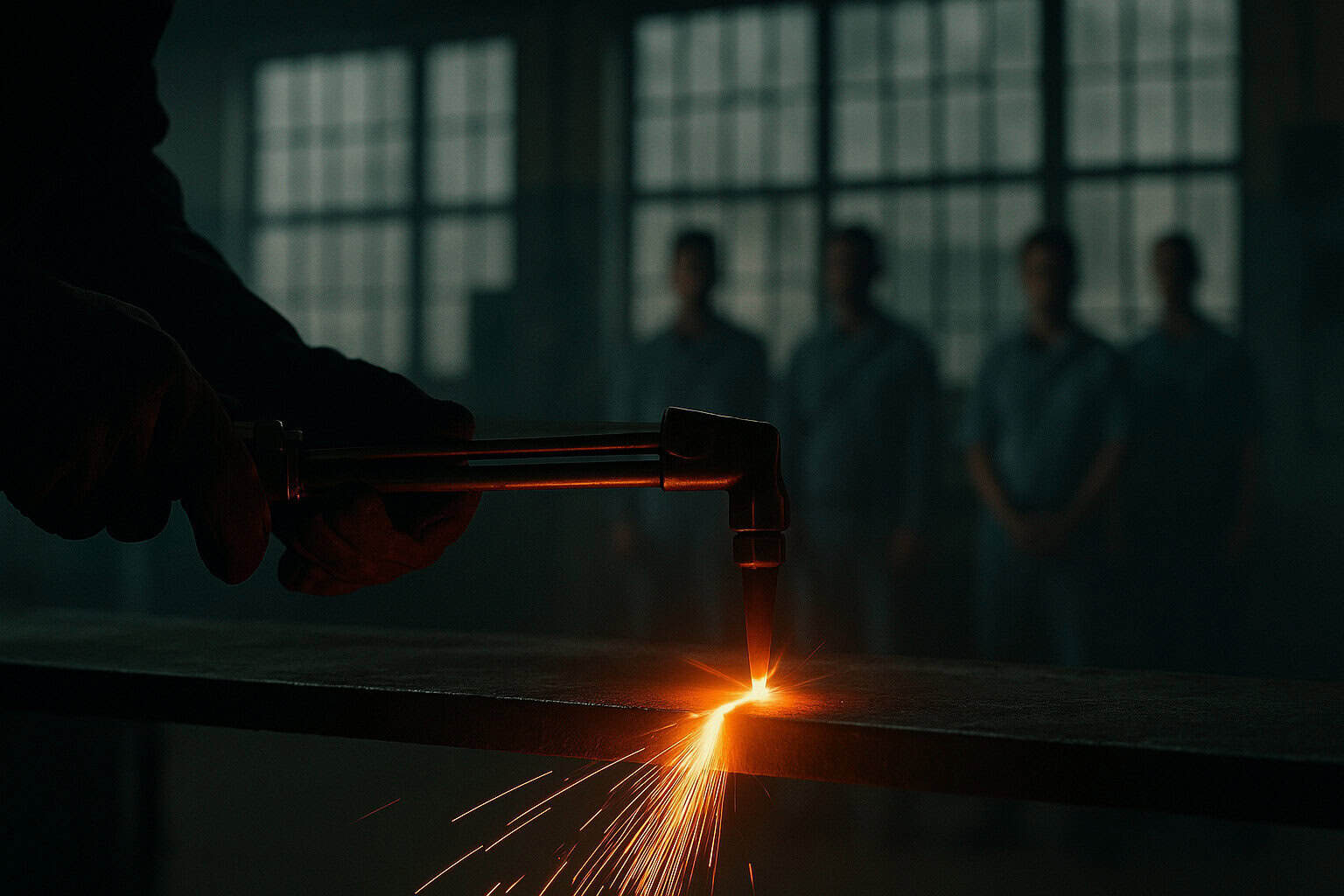
In June 2025, he was transferred to a Transitional Center to complete work release. He got a job as a welder making close to $30 an hour. His supervisors promoted him twice. Now he’s training eight apprentices. He was even the spokesperson for Apprentice Week on Georgia Public Broadcasting. The company told him the job is his when he’s released.
He’s building something real. By March 2027, he should have $80,000 saved — a nest egg to start his life with.
We prepared for his release. He got an apartment close to his work and paid the first month’s rent even though he wasn’t there yet.
Then March 2026 came. Another letter. Set off for one year. The same reason: “not having done enough time.”
We had to break his lease. The frustration, the cost, the disappointment.
We both were devastated.
**What Does “Enough Time” Mean?**
Here’s the thing nobody can answer: How much time is enough?
My son has his GED. He completed two years of correspondence courses through the University of Ohio. He received a certification from the Library of Congress for completing a two-year Braille transcription course. He has a welding diploma from Central Georgia Tech. He’s completed every program and class the Georgia Department of Corrections offers.
He’s had no victim impact statements against him. He hasn’t been insubordinate. No violent incidents. No disciplinary reports in 15 to 20 years.
He’s out there right now proving himself every single day — excelling at his job, getting promoted, training others. He has housing lined up. He has a career waiting for him.
And they still say he hasn’t done enough time.
Georgia changed its law. Now people sentenced to life have to serve 30 years before they’re eligible for parole. My son falls under the old 14-year rule, but I think they want him to do 30 anyway. They’re kicking the can down the road.
**The Black Hole**
When you get one of these setoff letters, there’s nobody to call. Nobody to talk to. You can’t make appointments with the parole board. They stopped allowing family members to meet with them back in 2012 — the same year my son became eligible for the first time.
I’ve never been able to speak on his behalf in person. I’ve written letter after letter. Family members have written letters. Officers and counselors at his facilities have written letters. But I’ve never had the chance to sit across from someone and tell them who my son is, what he’s accomplished, what kind of support he has waiting for him.
It’s like a big black hole. You send things in, but nothing comes back except those form letters.
They do send a “review agent” from the Clemency Department to interview him. My son sits down with this person, answers all their questions, and usually comes away feeling hopeful. In 2024, the agent even told him he had no victim impact statements against him, which “looked very promising.”
Then the setoff letter comes anyway. The hope makes the disappointment even harder. It’s cruel.
**What This Takes From You**
My heart and soul has done time right alongside my son.
I’ve spent countless hours on the road for prison visits — some facilities were four hours away or more, each way. Standing in line at vending machines trying to get him something good to eat. Being processed in by officers who make you feel like you’re a criminal too. No respect. But you can’t say anything for fear of retaliation.
I was always afraid that if I spoke up, my son would be punished in some way.
There was one time I did call a warden. I’d driven three hours to visit, got processed through at 11:30 a.m., and then sat in the visitation room alone until 1:00 p.m. because of their “no movement” rule during count. An hour and a half of our visit, gone. I called to complain. The warden noted it. It didn’t happen again. Small victories when you can get them.
But mostly, you stay silent. You swallow your rage. Because they have all the power.
I can’t describe the guilt I’ve felt through the years. Every time I’d go out to eat at one of the restaurants he loved — he was definitely a foodie at 16. All the things he’s missed. His first prom. High school graduation — he was an excellent student. Going to the beach. Dating. Getting married. Having children of his own.
His life was put on hold at 16 while all his friends moved on with theirs.
I worried every day about his safety. Sometimes he’d tell me, “Mom, there was blood all over the walls.” That’s all he’d say — just enough for me to know it was bad, but protecting me from the full picture. And I’d imagine the rest.
I’m so glad he’s at the Transitional Center now, away from that violence. He’s wearing street clothes instead of stripes. Going to work like anyone else. Building something real. But he’s still not free.
**Who My Son Is**
My son is honest and kind. He’s not bitter about his situation. His word is his bond. He’s respected not only among his peers but by officers and staff. He’s responsible and self-motivated. He has a good sense of humor and is a great speaker. He’s not afraid to stand up for himself and what’s right.
I am so proud of the man he has become. It could have gone the other way — he could have gotten involved in drugs and gangs. But he self-disciplined himself. I wish I could take credit for it, but it was all him.
He came through 27 years without losing his integrity, without giving up on himself. That takes incredible strength.
**A Different Kind of Hope**
I will be 70 this year. I’m in relatively good health, but I’m reaching what I call the danger zone of life. We don’t have the promise of tomorrow.
I used to hope my son would be released. Now I hope I’m still alive when he finally walks free.
I haven’t told him about this hope yet.
And I think about the young people being sentenced now — 16, 17, 18-year-olds getting life with parole. Under the new law, they’ll be 46, 47, 48 before they’re eligible for their first hearing. When they see people like my son who’s come up for parole over and over and been denied every time, what incentive do they have to better themselves? To prepare for release?
Add another 14 or 15 years for all the parole processing my son has gone through, and they’re looking at being 61, 62, 63 if they’re ever released.
That’s an “unspoken” life without parole. That is despair and hopelessness at the highest level.
**Why I Stay Silent**
I haven’t called the Governor about this last setoff. I haven’t written a letter of complaint to the parole board.
The reason is simple: the parole board could send my son back to a prison to do this next year of time in retaliation. Without cause or reason, they could take away his job, his progress, his dignity.
So I remain silent and keep my rage to myself.
**What I Want People to Know**
If I could say one thing to the parole board — if they would actually listen — I wouldn’t ask them to hear me. I don’t think anything I could say would persuade them.
I would ask them to take the time to talk to my son personally. To see him as a person, not just a file with a checkbox.
To families going through this, I’d say: Look for the positives. If you can’t find them, then create them.
Hope is all we have.
I do believe my son will be released. I do believe 2027 will be his year.
But the question remains: How much time is enough?
You Have Options
Free tools to take action — the law is on your side.
Demand records from the prison system. Reach the officials who set policy. File a grievance or a complaint the right way. And for families who’ve lost someone in custody, get the records that tell the truth. Plain-language, step-by-step, and free.
Explore the GPS Toolkits →