"We Did a Lot of the Breaking": Georgia's Top Judge Asks Lawmakers to Fix the Post-Conviction System
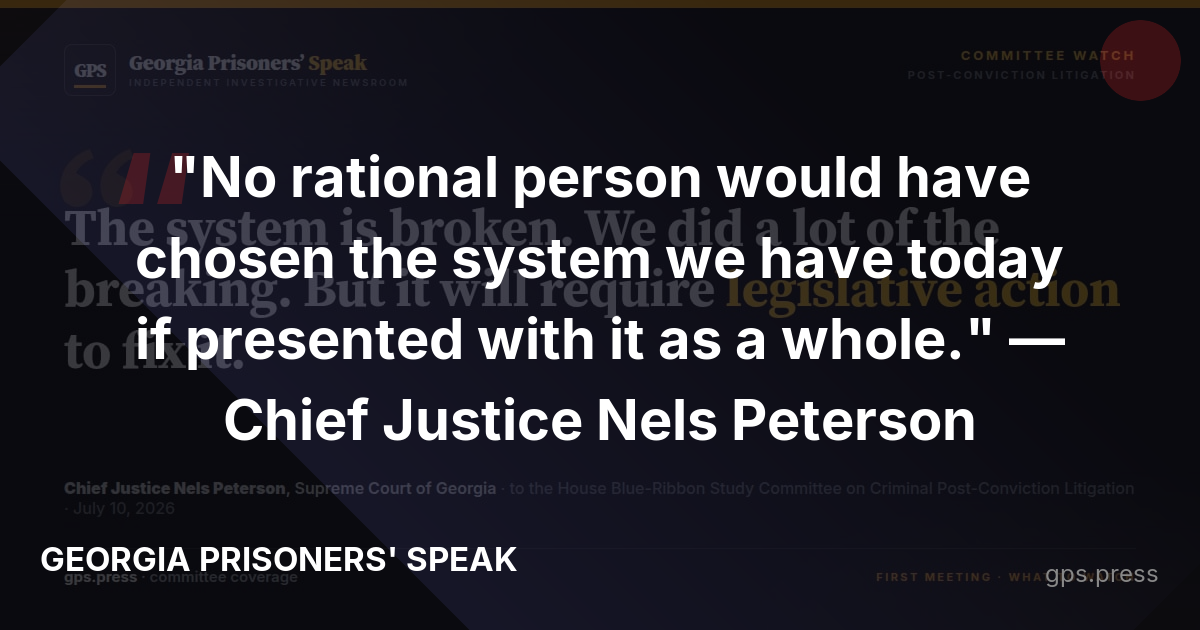
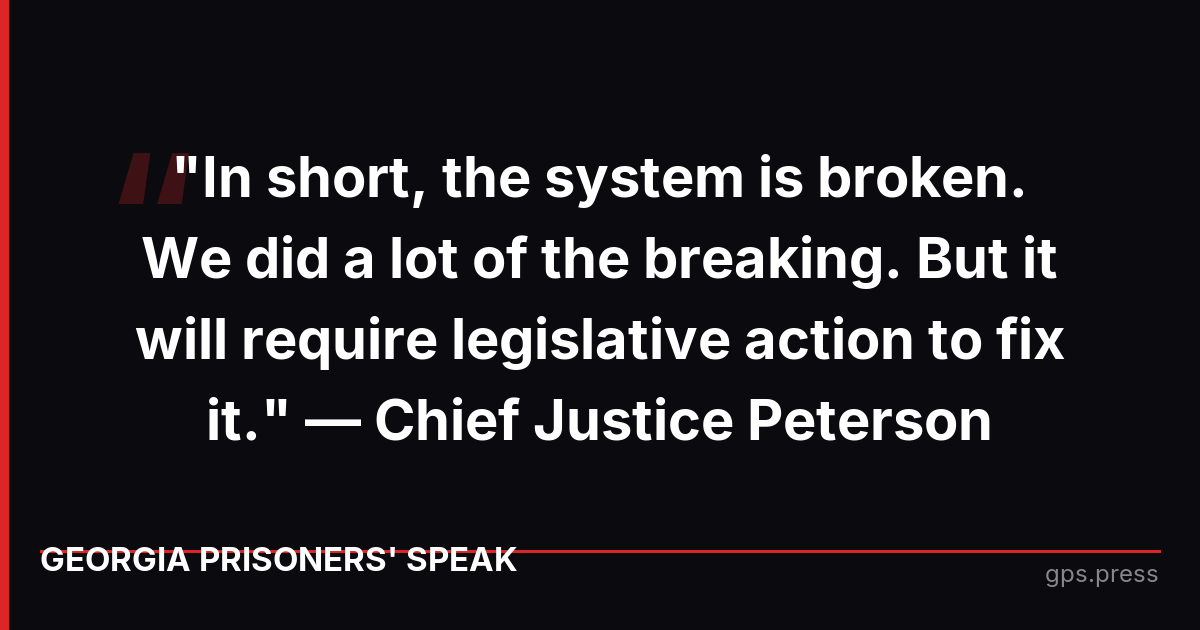
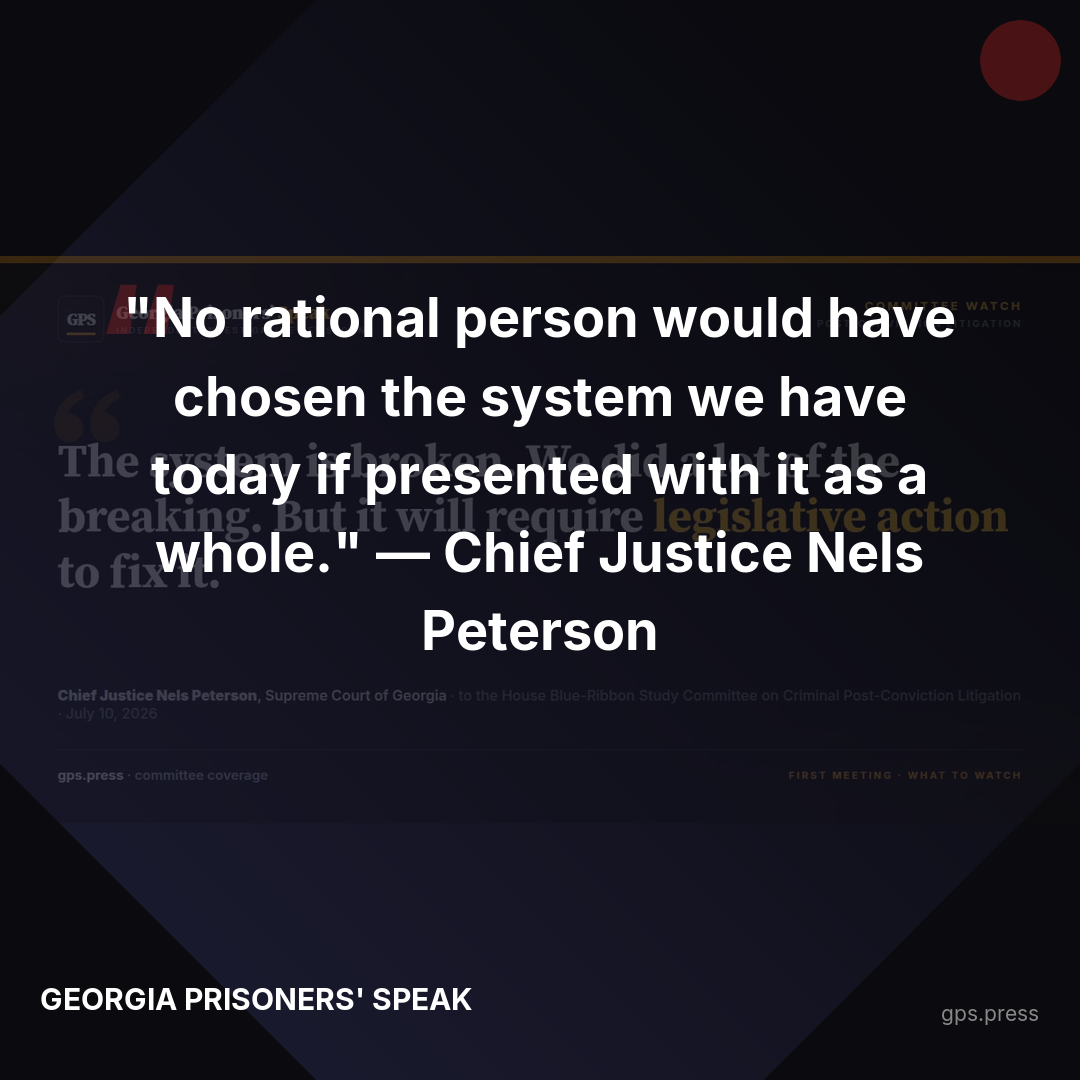
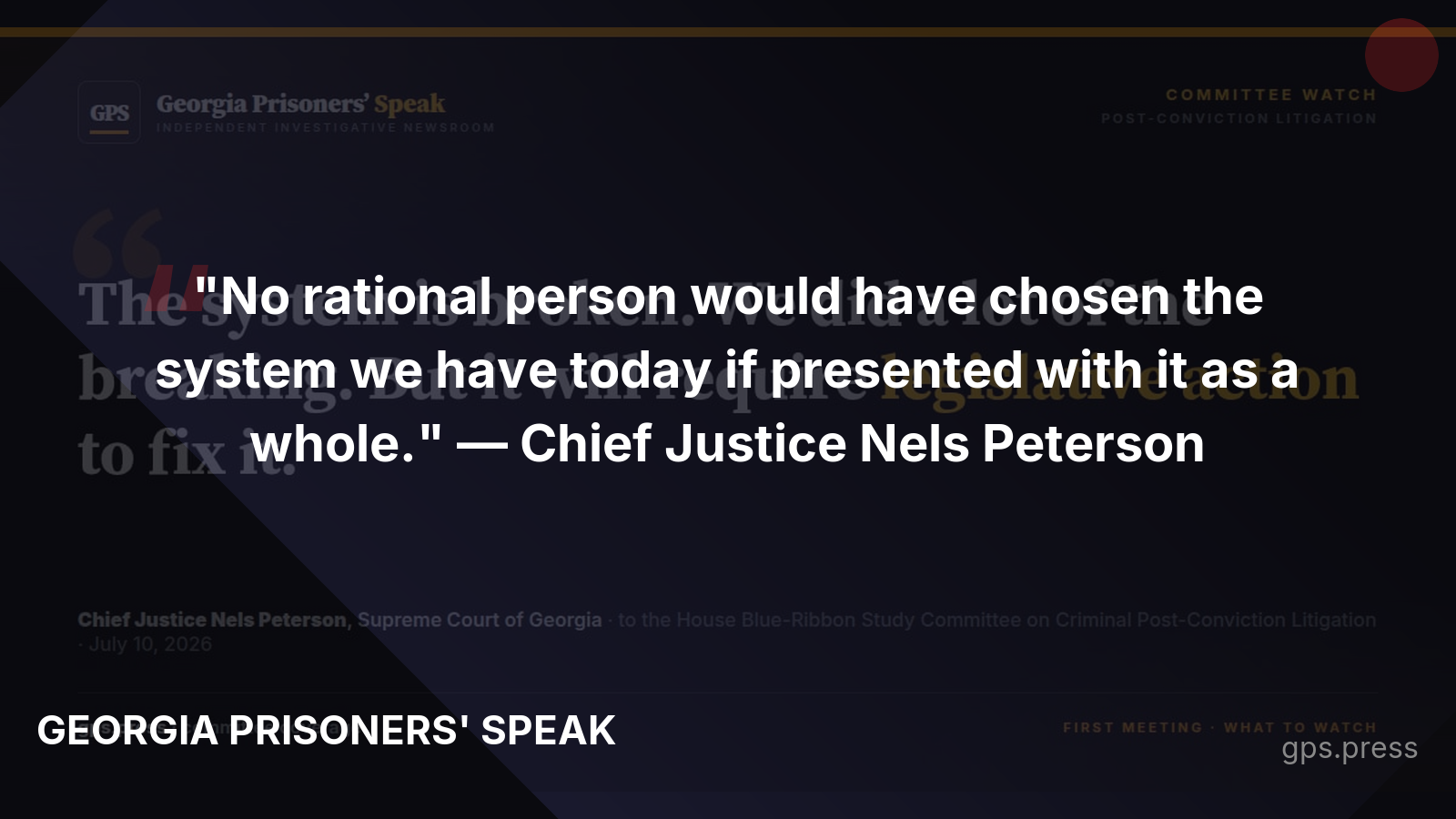
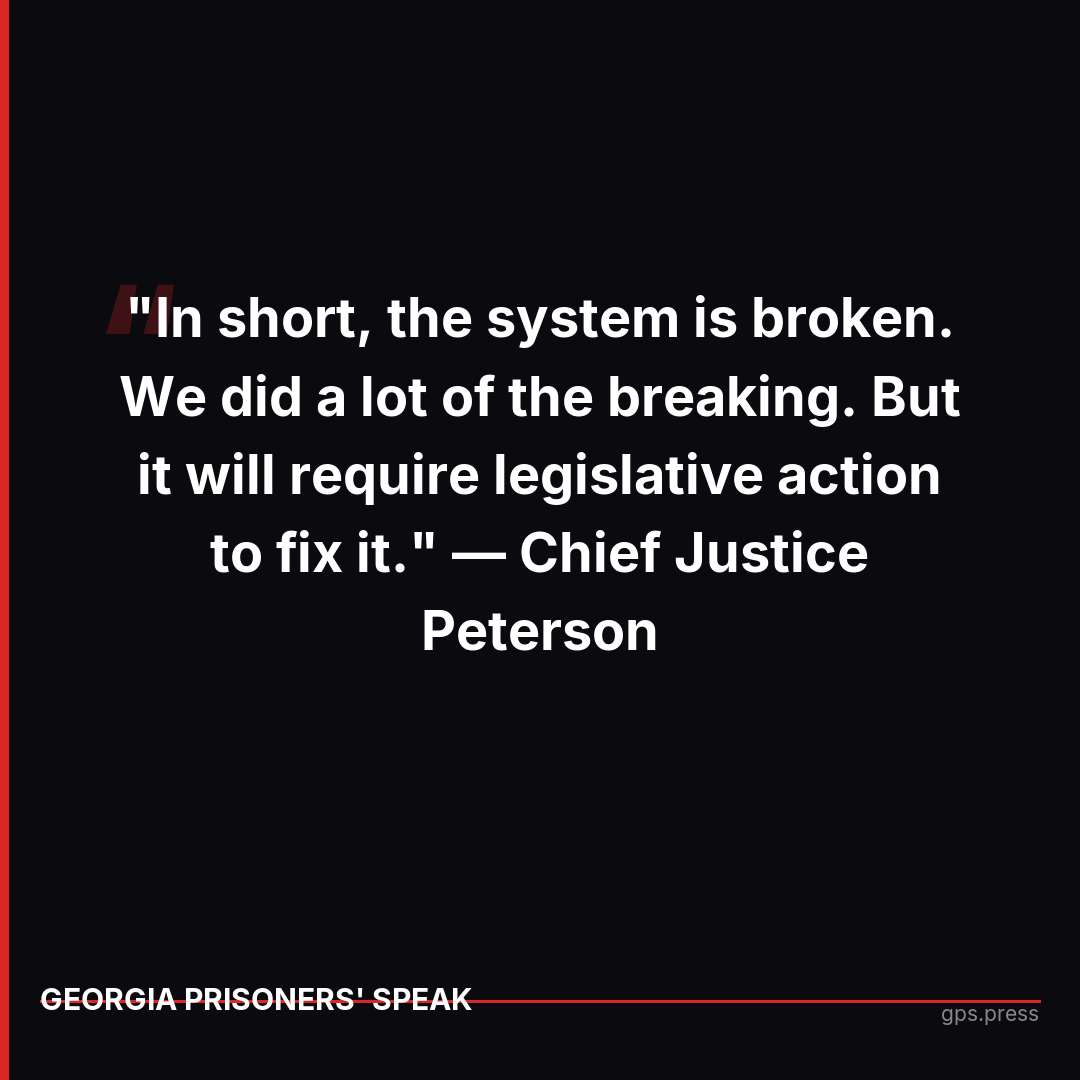
Chief Justice Nels Peterson told lawmakers Georgia's post-conviction system is broken. Inside the first meeting of the Blue-Ribbon Study Committee.
Help spread the word — here's how:
- Scroll down to Copy a Caption and hit Copy on the one you want
- Scroll back up and click the Share on Facebook button for your favorite quote image
- On Facebook, paste the caption into your post — or write your own
Copy a Caption
Twitter/X
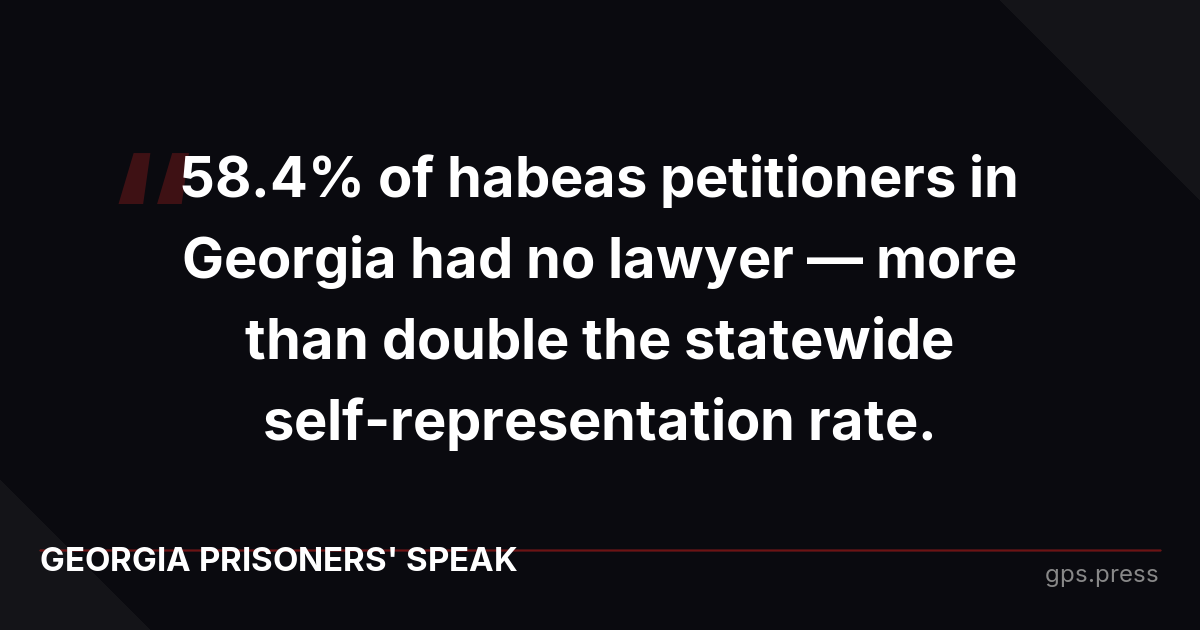
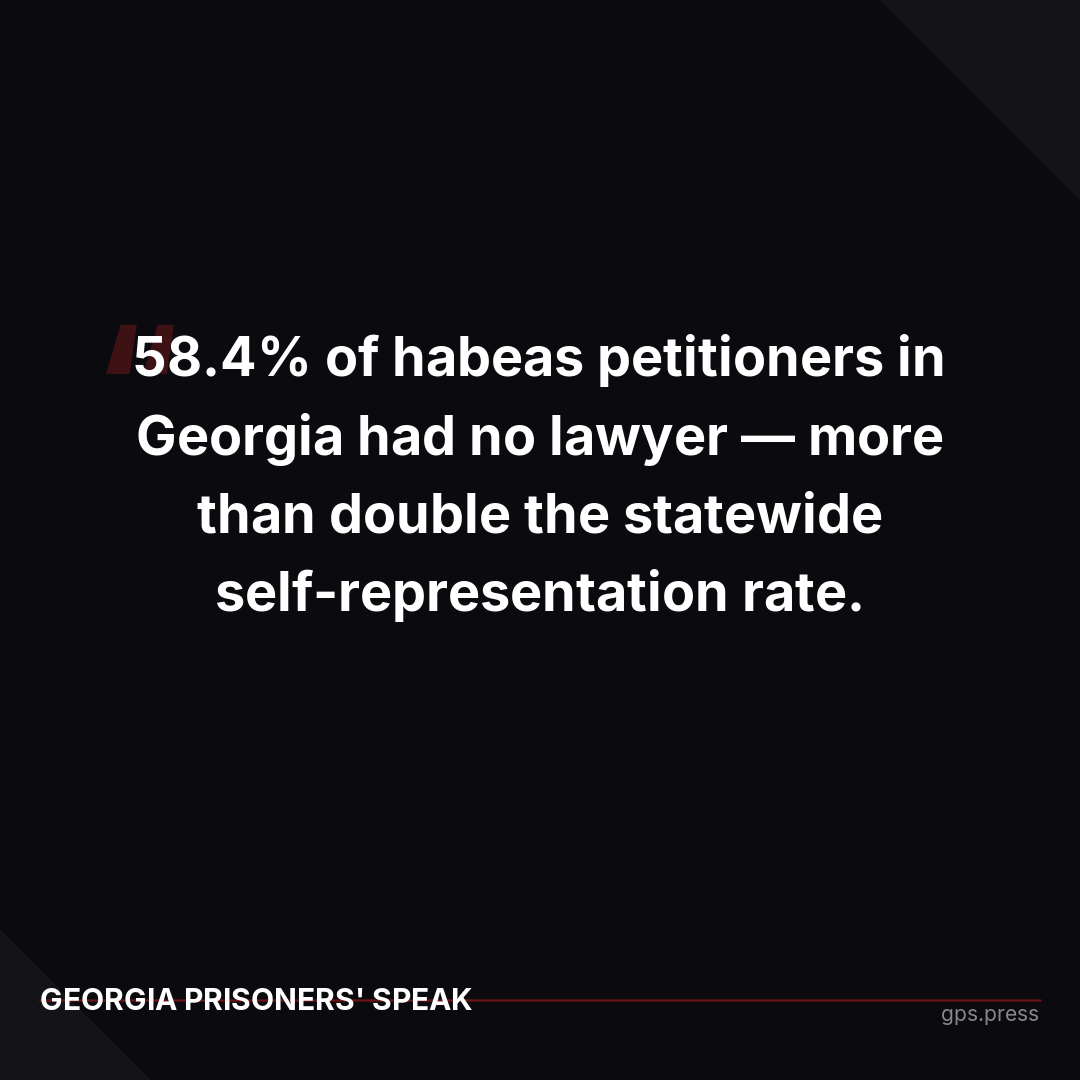
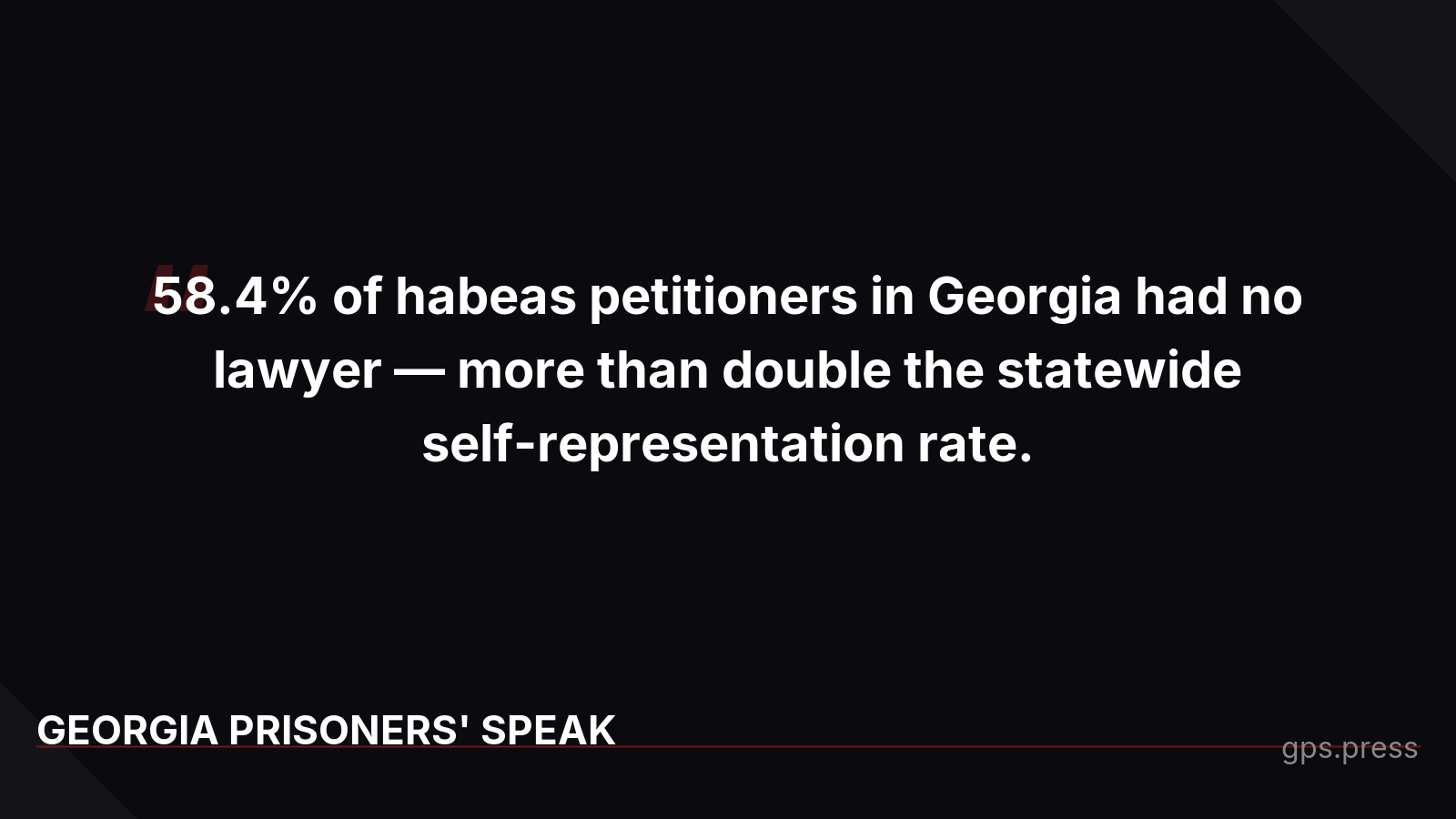
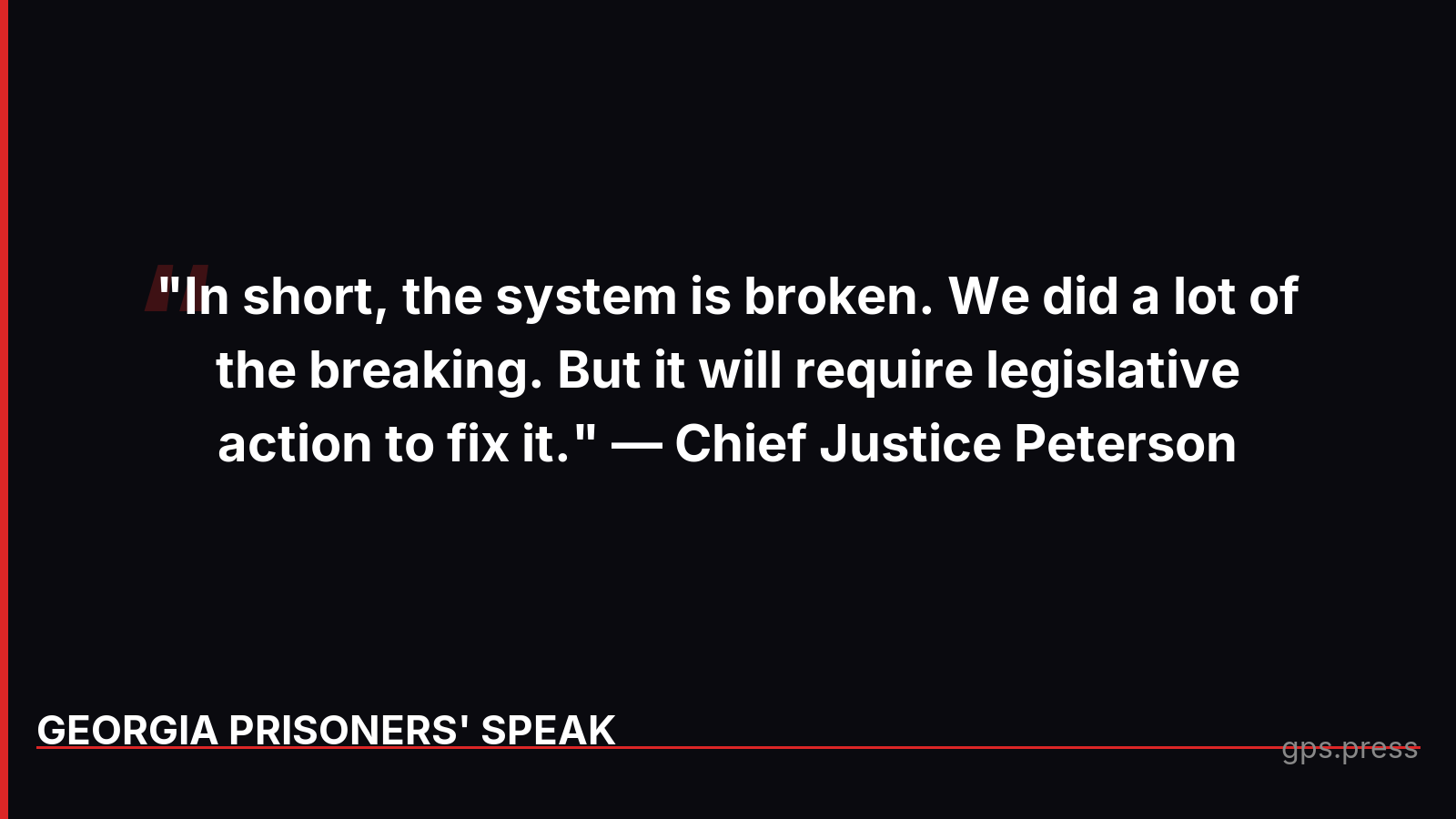
Georgia's Chief Justice told lawmakers the post-conviction system is "broken" and courts "did a lot of the breaking." 58.4% of habeas petitioners had no lawyer. The committee's recommendations will shape 2027 legislation. https://gps.press/georgias-post-conviction-co...
Facebook
Georgia's Chief Justice sat before a legislative committee in July and stated plainly that the state's post-conviction system is broken — and that judges themselves broke much of it. The data bears this out: between 2021 and 2025, Georgia's superior courts handled roughly 900 habeas corpus petitions a year. In 58.4% of the disposed cases, the petitioner had no lawyer. The committee is now examining whether to separate ineffective-assistance claims from direct appeals, rethink where these cases are heard, and confront how a court identifies a meritorious petition filed by a prisoner with no attorney.
What do you think the state owes someone who says their conviction was wrong — but has no lawyer to help them prove it?
Instagram
Georgia's Chief Justice told lawmakers the post-conviction system is "broken," that courts "did a lot of the breaking," and that only the legislature can fix it. Between 2021 and 2025, 58.4% of habeas petitioners had no lawyer. GPS is covering every meeting of the committee that will shape what the 2027 General Assembly does about it.
#GAPrisons #PrisonReform #GeorgiaPrisonerSpeak #HabeasCorpus #CriminalJusticeReform #WrongfulConviction #GeorgiaLaw
LinkedIn
The Georgia House Blue-Ribbon Study Committee on Criminal Post-Conviction Litigation held its first meeting in July, and the testimony opened with an unusual admission: the Chief Justice of the state Supreme Court told lawmakers the post-conviction review system is broken, that the courts themselves did much of the breaking, and that the judiciary cannot fix it alone. The committee is now examining structural questions — decoupling ineffective-assistance claims from direct appeals, rethinking venue for post-conviction cases, and addressing the fact that 58.4% of habeas petitioners in Georgia had no legal representation.
For policy professionals and legal observers, this committee's work will directly inform legislation in the 2027 session. The recommendations it produces could reshape how Georgia handles claims of wrongful conviction, ineffective counsel, and constitutional error — with implications for judicial efficiency, state liability, and access to federal habeas review.