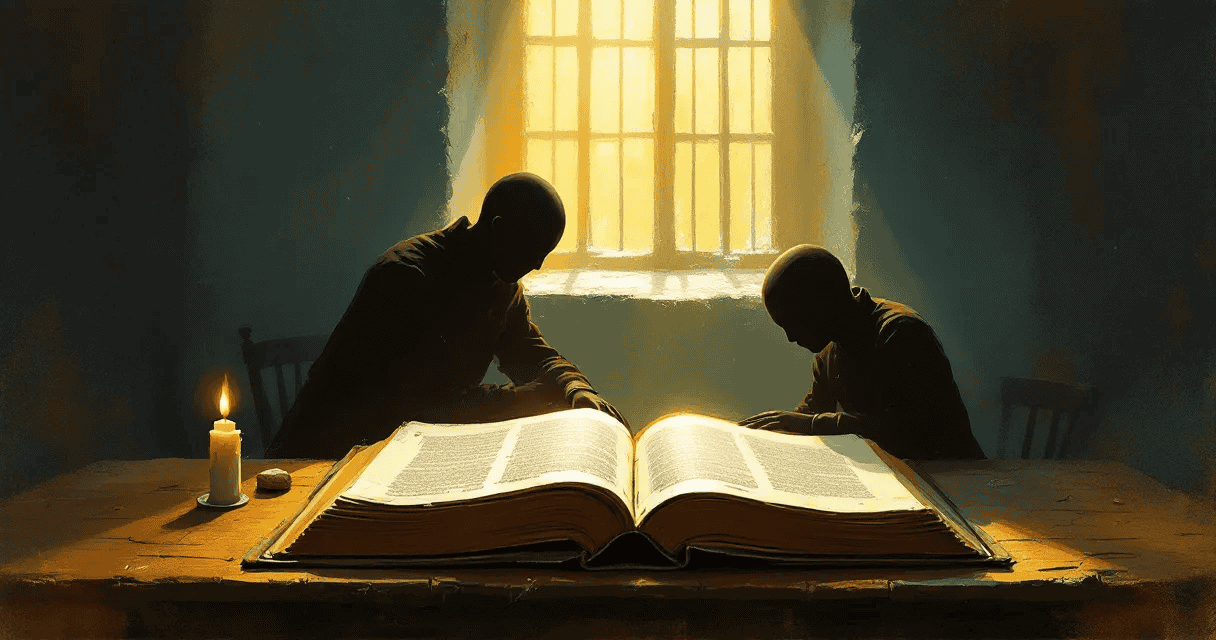
10 Stoic Lessons from Marcus Aurelius for Prisoners

Marcus Aurelius ruled the Roman Empire while writing private notes about how to live well. Eighteen centuries later, his wisdom offers prisoners and their families ten practical lessons for navigating difficult people, controlling anger, building an inner refuge, and finding freedom of mind even in the most restrictive circumstances.

Escaping the Cave: Plato’s Lesson for Prisoners and Families

Pathways to Success: Plato's Cave

Over 2,400 years ago, Plato described prisoners chained in a cave, mistaking shadows for reality. His allegory speaks directly to the experience of incarceration — and reveals why education is the most powerful path to transformation, both for individuals behind bars and for society as a whole.

Pathways to Success: The Power of Self-Love in Prison and Beyond

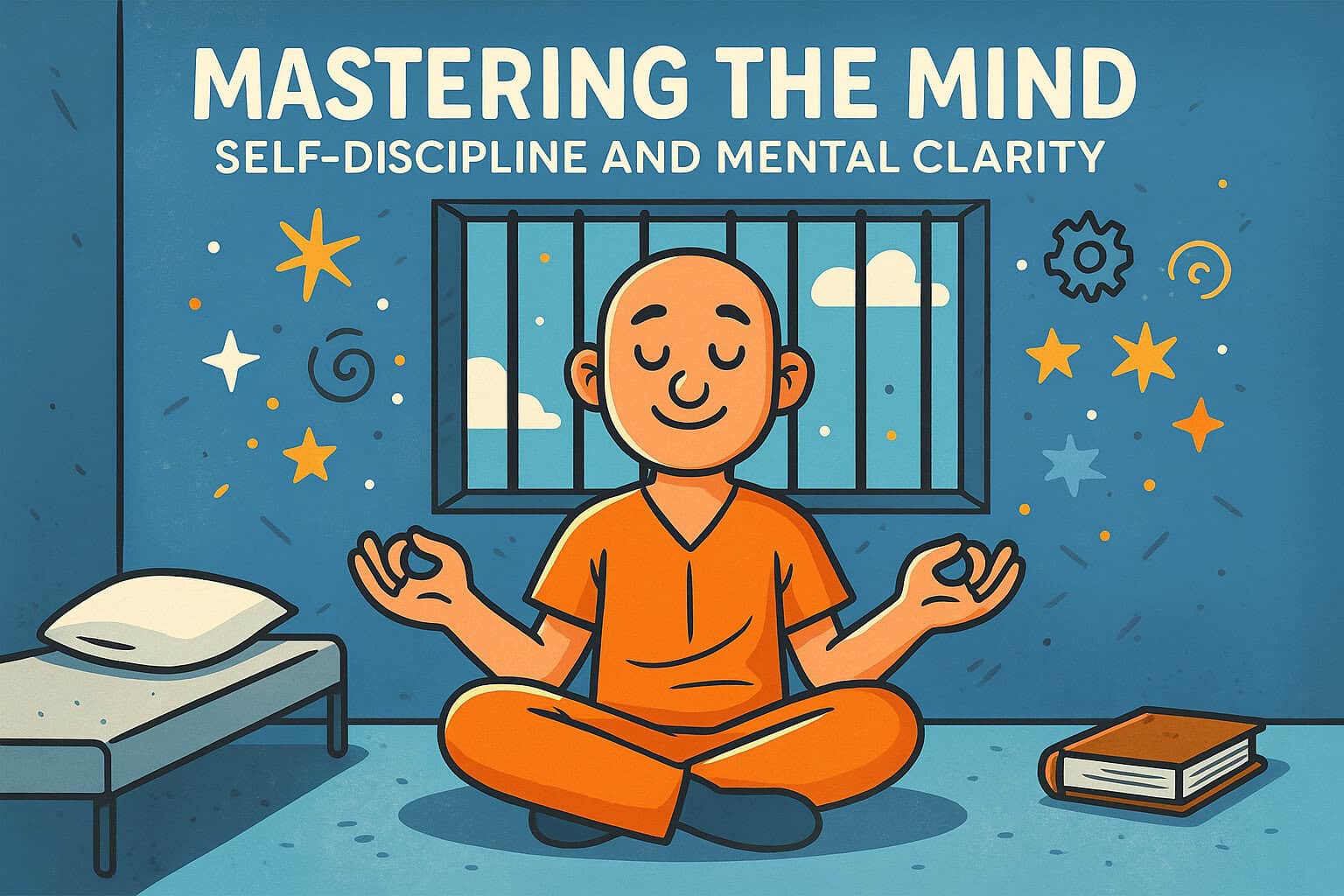
Peaceful inmate meditating in prison cell, promoting mental clarity and self-discipline for Georgia prisoners, with keywords focusing on mental health, prison reform, and self-care.

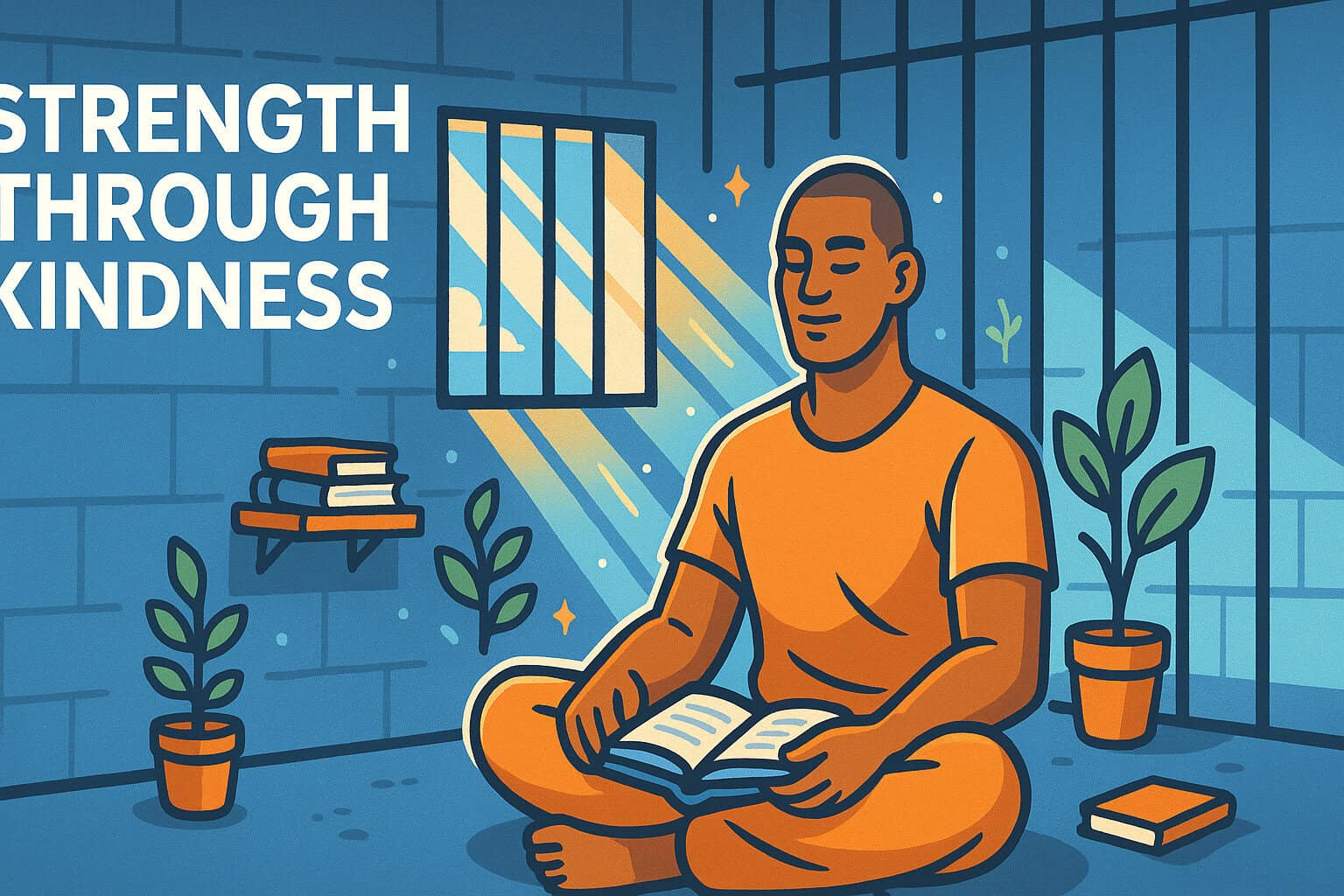
In a place where everything is restricted, self-love is your freedom. Learn how to protect your peace, build confidence, and grow emotionally—even behind bars. This is your guide to turning inward, rebuilding your strength, and walking your own path with purpose.

Freedom of the Mind: Boethius, Philosophy, and Finding Peace Behind Bars

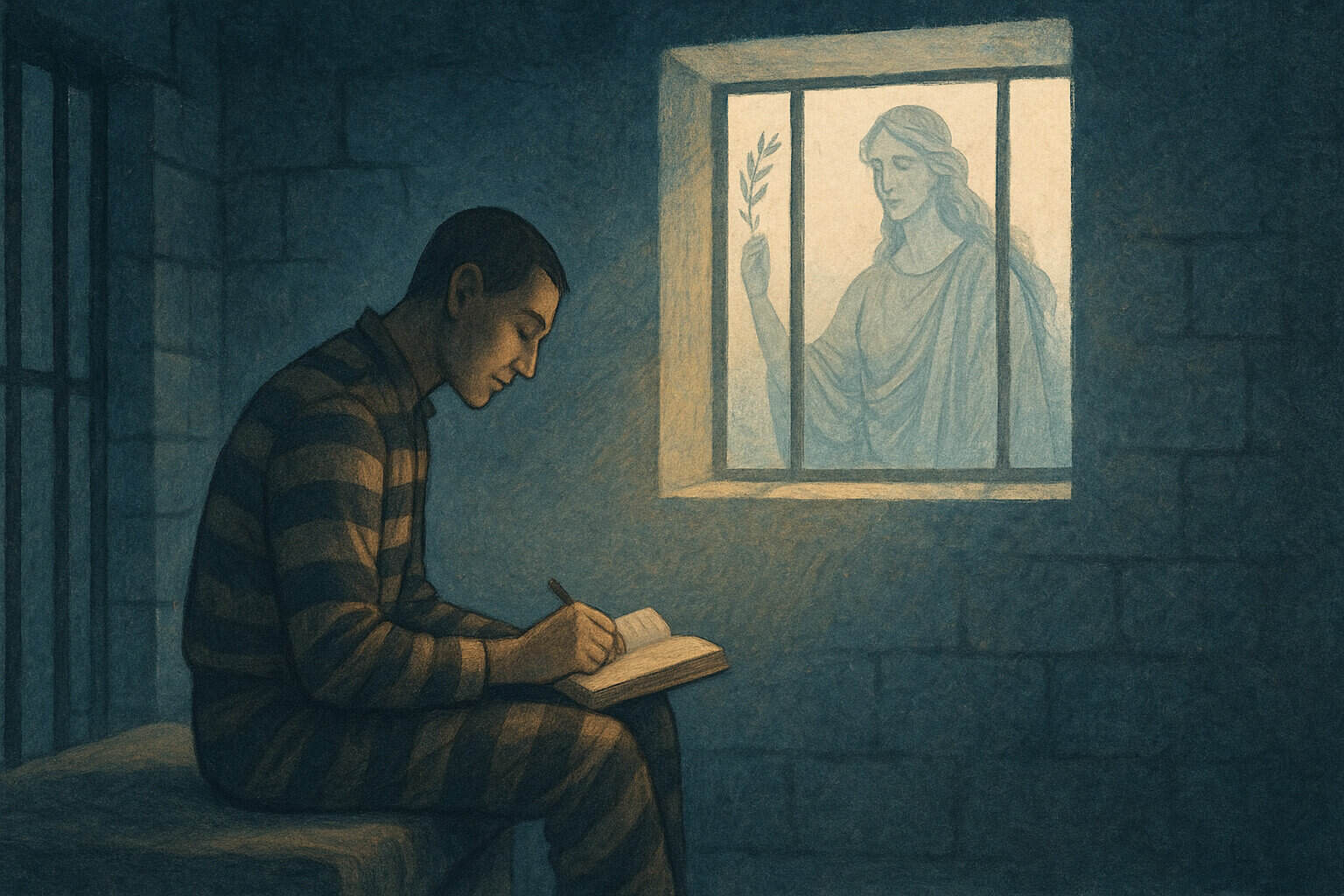
A person in prison writing in a notebook, with a window showing a mural of a woman holding a laurel branch behind bars, symbolizing hope and resilience for Georgia prisoners’ voices.

Locked in a prison cell and awaiting death, Boethius found something greater than escape—he found peace. His 1,500-year-old writings have inspired generations, proving that even behind bars, the mind can remain free. Discover how philosophy can help prisoners and families find clarity, dignity, and purpose in the hardest of times.