The Existential Vacuum

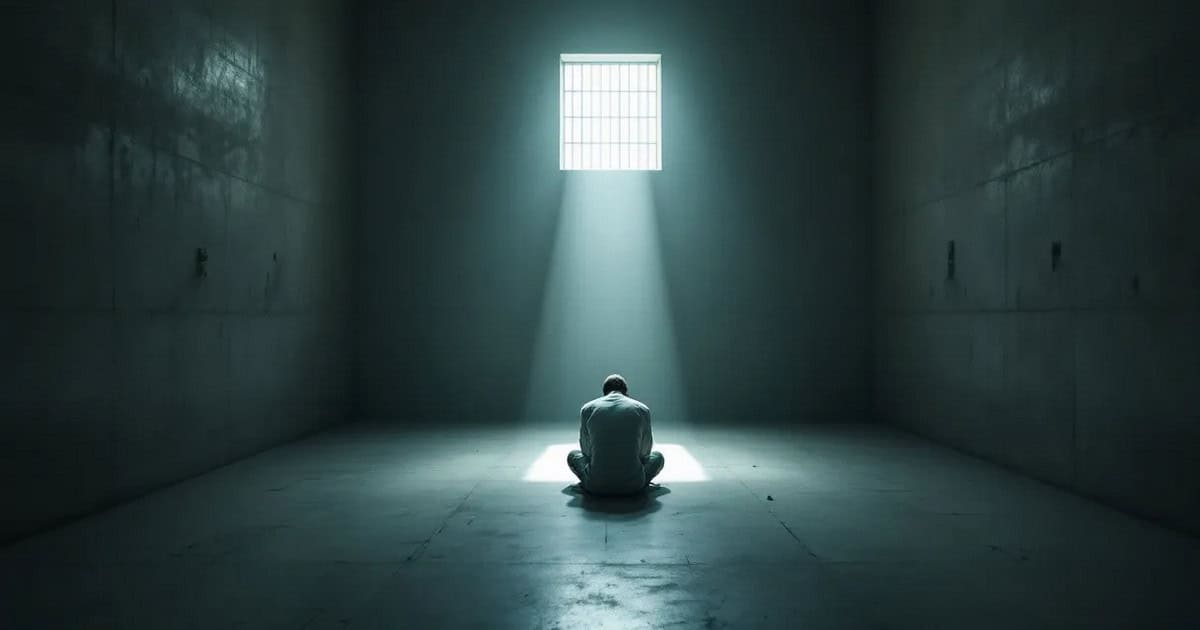
A person needs a reason to live — Viktor Frankl learned it in the camps. Georgia’s prisons have built an emptiness so total that despair, violence, and addiction are the only things left to fill it. The state cannot hand anyone meaning, but it has bolted shut nearly every door to finding it.

Zombie Dorms

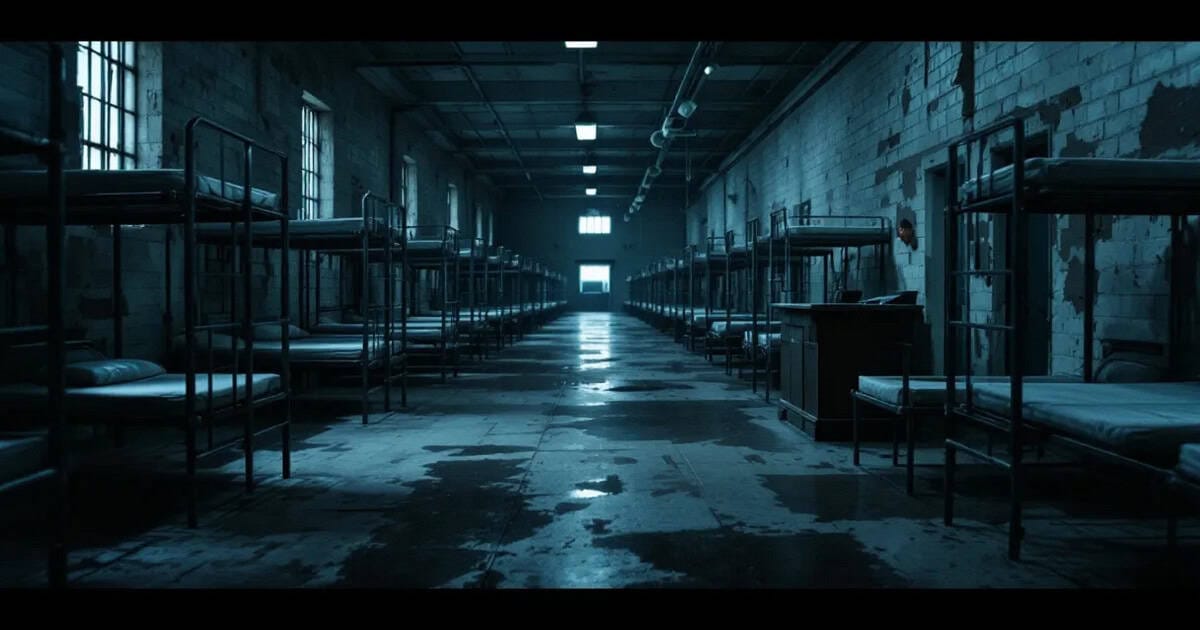
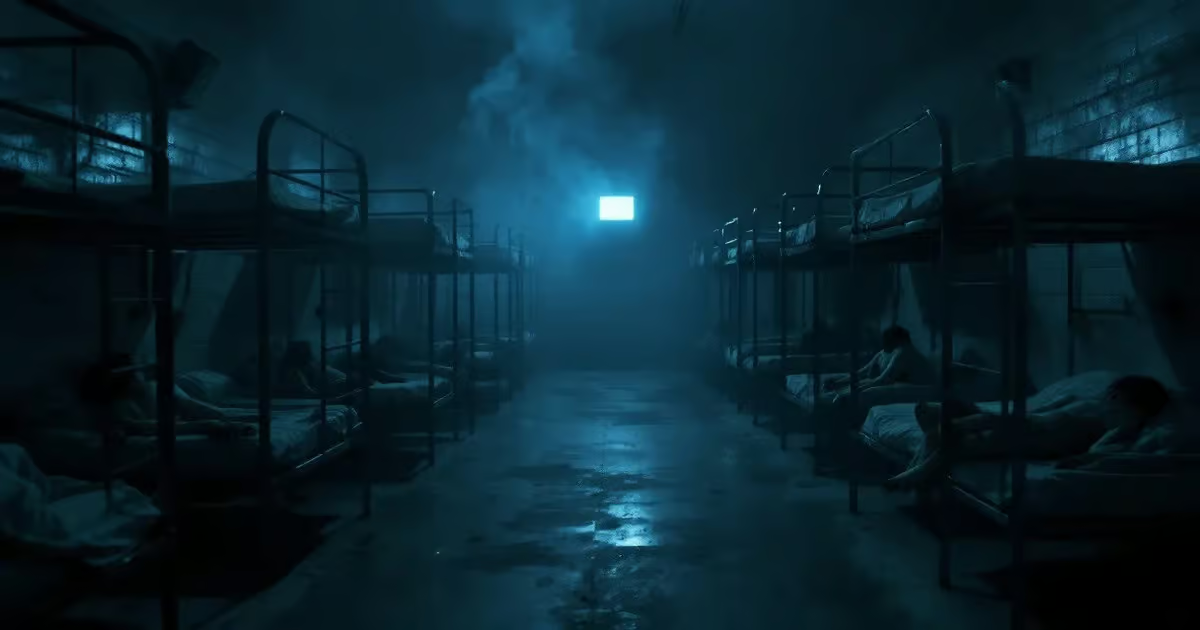
Georgia swears its prisons are drug-free. Inside, a single soup buys hours of oblivion on K2, meth and fentanyl kill, and the state logs overdoses as “natural” — then stops releasing causes of death at all. What idleness manufactures when no one has a reason to stay sober.

Nothing to Do

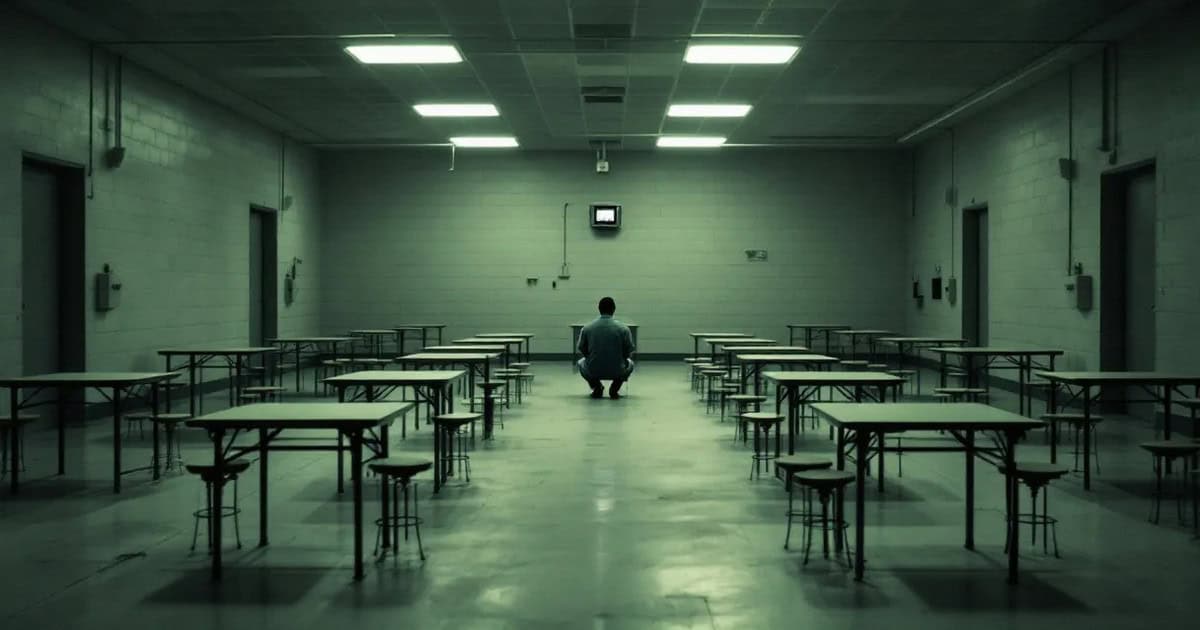
In a typical Georgia prison dorm, one television serves dozens of people and almost no one has work or class. Georgia removed the programs that once kept people occupied — and both the research and the men living it say enforced idleness is precisely how rehabilitation fails.

Who Is Responsible for Georgia Prison Violence?

Empty correctional officer guard station with abandoned clipboard and radio in a brightly lit Georgia prison hallway, symbolizing the staffing crisis

Georgia corrections officials blame younger, more violent inmates for the prison violence crisis. The evidence — from the DOJ, academic research, and Georgia’s own data — tells a very different story. Five systemic failures explain the violence. The inmates didn’t create any of them.

Guthrie v. Evans: 13 Years of Reform, Erased Overnight

In 1972, inmates at Georgia State Prison filed a federal lawsuit that produced the most comprehensive court-ordered reforms ever imposed on a single American prison. Thirteen years of federal oversight transformed the facility. Then Congress handed Georgia the tool to walk away — and the state used it immediately. The same constitutional violations identified fifty years ago were found again in the DOJ’s 2024 investigation.

80% of Voters Want Prison Reform. Does Your Legislator?

More than 80% of American voters support prison reform. A landmark Brennan Center study proves reform works — with 73% violence reductions, recidivism drops of one-third, and renovations under budget. Georgia is one of two states explicitly called out for refusing to try. This companion report to the “No Way Out” series holds the evidence against what Georgia’s families and incarcerated people are experiencing.

Report a Problem