COFFEE CORRECTIONAL FACILITY
Facility Information
- Original Design Capacity
- 1,000 (at 281% capacity)
- Bed Capacity
- 2,628 beds
- Current Population
- 2,808
- Active Lifers
- 342 (12.2% of population) · Oct 2026 GDC report
What the courts held in Brown v. Plata, and how Georgia compares →
- Address
- 1153 North Liberty Street, Nicholls, GA 31554
- Phone
- (912) 345-5058
- Fax
- (912) 345-5086
- Mailing Address
- P.O. Box 650, Nicholls, GA 31554
- County
- Coffee County
- Opened
- 1998
- Operator
- CoreCivic
Security Classification
Last updated: September 23, 2026
1 of the 2,788 people held here are classified Close security (0.0%), as of September 23, 2026.
| Security level | People | Share |
|---|---|---|
| Close | 1 | 0.0% |
| Medium | 2,537 | 91.0% |
| Minimum | 250 | 9.0% |
| Total | 2,788 |
Earlier count (undated table, produced October 22, 2025): 2 of 2,709 Close (0.1%).
Source: Georgia Department of Corrections records produced to GPS under the Open Records Act (R031471-090226, R024615-101925). A person's security level is GDC's classification of that person, which can differ from the prison's own designation.
Follow Coffee Correctional Facility
Leadership & Accountability (as of 2025 records)
Officials currently holding positional authority at this facility, with deaths attributed to GPS-tracked records during their leadership tenure. Inclusion reflects role-based accountability, not legal findings of personal culpability. Death counts shown as facility / career.
| Role | Name | Since | Deaths this facility / career |
|---|---|---|---|
| Warden (Coffee Correctional Facility) (facility lead) | Carter, Sidney | 2024-01-01 | 7 / 7 |
About
Last updated October 18, 2026.(DS)
Coffee Correctional Facility: A Private Prison at 106.8 Percent, and the Violence That Follows
Coffee Correctional Facility opened in 1998 in Nicholls, in Coffee County, as a medium-security men's prison operated for the state by the private contractor CoreCivic. Its original design capacity was 1,000. Its current rated capacity is 2,628. GPS's facility records put the population at 2,808 — 106.8 percent of rated capacity — under Warden Sidney Carter, who has held the post since January 1, 2024. The facility's public record is not one of the failures that dominate Georgia's state-run prisons: its kitchen has scored consistently well on state inspections, and its contraband arrests are sparse and old. What the record does show is a prison where serious violence recurs — a mass stabbing in December 2025 that produced sixteen indictments, two recorded homicides, and a death registry that has logged 26 deaths since January 2020, twelve of them with no cause yet determined.
Capacity, Classification, and the Private Operator
The arithmetic at Coffee is the arithmetic GPS has documented across Georgia's medium-security estate. A prison built for 1,000 people now carries a rated capacity of 2,628 and a population of 2,808. GPS's systemic reporting describes what that compression produces: medium-security facilities operating at effective security levels above their designation, housing higher-security populations without the staffing and infrastructure their classification implies. GPS has documented that pattern as classification drift across the state's medium-security prisons, and Coffee's numbers — a population above rated capacity, at a facility designated medium-security — fit the shape of it. The facility's own profile lists no special designations and no programming detail in the public record GPS holds; what is documented is the population figure and the operator.
December 13, 2025: The Stabbings and the Indictments
The most serious violence in Coffee's recent record came on December 13, 2025, when a series of stabbings left multiple incarcerated men critically injured and requiring off-site, life-saving medical care, according to GDC's account of the incident. A Georgia grand jury subsequently indicted 16 incarcerated men on charges including aggravated assault, aggravated battery, violations of the Street Gang Terrorism and Prevention Act, and riot in a penal institution, after evidence was presented on June 18. FOX 5 Atlanta reported that the sixteen alleged members of the Bloods gang engaged in a series of stabbings that critically injured multiple inmates; Yahoo.com's coverage stated that all sixteen indicted were Bloods members and committed the stabbings. Those gang characterizations are the outlets' reporting, not a GPS finding.
The scale is worth sitting with. Sixteen people indicted out of a single night's violence inside one medium-security prison is not an isolated altercation; it is a mass-casualty event. GPS records show three separate sources reporting alleged inmate-on-inmate assaults at this facility in June 2026 at critical and high severity, with an external complaint filed to the Georgia Attorney General's office — a signal that the pattern the December indictments describe did not end with the indictments.
Two Homicides in the Death Registry
GPS's mortality registry records two deaths at Coffee classified as homicides. Kendall Jamal Cromer, 31, died November 30, 2020, from stab wounds to the neck and chest; the Atlanta Journal-Constitution reported that an incident report indicated four other incarcerated men were involved. Hendricks Riley Gunn, 42, died January 2, 2022, from blunt force injuries to the head and neck, per the AJC's homicide tracking. Both deaths are recorded in GPS's registry as homicides, and both are the kind of death that a medium-security designation is supposed to make rare.
Twenty-Six Deaths Since 2020, and a Cause Column Full of Blanks
GPS has recorded 26 deaths at Coffee Correctional Facility since January 1, 2020 — a floor, not a ceiling, since GDC reports deaths roughly two months late. The registry's cause breakdown is itself the finding: twelve deaths are logged as Unknown/Pending, five as Natural/Medical, four as Other, two as Homicide, two as Suicide, and one as Accident. Half the facility's deaths since 2020 have no determined cause in the public record GPS holds.
The named dead, as GPS's registry records them:
- Fletcher Mccloud died July 27, 2026, at Coffee Correctional Facility; GPS's registry lists the cause as Unknown/Pending. He was 44.
- Paul Travis Williams died March 23, 2026, at Coffee Correctional Facility; GPS's registry lists the cause as Unknown/Pending. He was 57.
- Richard Romeo Shelby died December 28, 2025, at Coffee Correctional Facility; GPS's registry lists the cause as Unknown/Pending. He was 60.
- David Lynn Waldrop died November 25, 2025, at Coffee Correctional Facility; GPS's registry lists the cause as Unknown/Pending. He was 70.
- William Eric Green died May 24, 2024, at Coffee Correctional Facility; GPS's registry lists the cause as Unknown/Pending. He was 61.
- Robert Adams died February 8, 2024, at Coffee Correctional Facility; GPS's registry lists the cause as Unknown/Pending. He was 52.
- Jeffery B Russell died January 8, 2024, at Coffee Correctional Facility; GPS's registry lists the cause as Unknown/Pending. He was 60.
- Traquan Latrez Clay died November 21, 2023, at Coffee Correctional Facility; GPS's registry lists the cause as Unknown/Pending. He was 25.
- Raymond Turahn Peoples died November 18, 2023, at Coffee Correctional Facility; GPS's registry lists the cause as Unknown/Pending. He was 53.
- Karl Eugene Pundt died November 25, 2022, at Coffee Correctional Facility; GPS's registry lists the cause as Unknown/Pending. He was 78.
- Charles J Edwards died September 26, 2022, at Coffee Correctional Facility; GPS's registry lists the cause as Unknown/Pending. He was 75.
- Aydin M Rashidov died August 18, 2022, at Coffee Correctional Facility; GPS's registry lists the cause as Unknown/Pending. He was 27.
- Enrique Alejandro Lopez died March 30, 2022, at Coffee Correctional Facility; GPS's registry lists the cause as Accident. He was 37.
- Robbie Lee Collins died January 18, 2022, at Coffee Correctional Facility; GPS's registry lists the cause as Suicide. He was 45.
- Maurice Bernard White died January 17, 2022, at Coffee Correctional Facility; GPS's registry lists the cause as Natural/Medical. He was 48.
- Hendricks Riley Gunn died January 2, 2022, at Coffee Correctional Facility; GPS's registry lists the cause as Homicide. He was 42.
- Edward Tyrone Poole died December 29, 2021, at Coffee Correctional Facility; GPS's registry lists the cause as Suicide. He was 34.
- Robert Ennis Roebuck died November 2, 2021, at Coffee Correctional Facility; GPS's registry lists the cause as Natural/Medical. He was 56.
- Derrick Moody died June 10, 2021, at Coffee Correctional Facility; GPS's registry lists the cause as Other. He was 58.
- Lewis Nathaniel Wright died January 29, 2021, at Coffee Correctional Facility; GPS's registry lists the cause as Other. He was 70.
- Leroy Henderson died January 20, 2021, at Coffee Correctional Facility; GPS's registry lists the cause as Natural/Medical. He was 67.
- Kendall Jamal Cromer died November 30, 2020, at Coffee Correctional Facility; GPS's registry lists the cause as Homicide. He was 31.
- Abdullah Khalid Bin Mikal died July 26, 2020, at Coffee Correctional Facility; GPS's registry lists the cause as Other. He was 38.
- Ernest Byrd Shuman died July 24, 2020, at Coffee Correctional Facility; GPS's registry lists the cause as Natural/Medical. He was 73.
- James Lee Grace died June 22, 2020, at Coffee Correctional Facility; GPS's registry lists the cause as Natural/Medical. He was 67.
The full list is maintained at GPS's facility death registry: https://gps.press/georgia-prison-deaths/facility/coffee-correctional-facility/. For scale, GPS has independently tracked 1,918 deaths in GDC custody system-wide since 2020.
A Kitchen That Scores Well, and the Limits of the Score
Coffee's food-service record is, by the state's own measure, strong. The Georgia Department of Public Health scored the facility 100 (Grade A) on routine inspections in May 2023, December 2023, May 2024, and March 2026; 99 in May 2025; 96 in September 2025, with one violation for food-contact surfaces cleaned and sanitized; and 90 in November 2024, with two violations for proper cold holding temperatures and physical facilities installed, maintained, and clean. Inspectors across those visits included Chad Gilliard, Brandon Lee, and Daniel Taft.
GPS's systemic reporting has documented a pattern in which high DPH scores coexist with sustained witness accounts of equipment failure and contamination in GDC kitchens — broken tray-sanitizing dishwashers, roach and rodent infestation, meals served on contaminated trays — because inspections are scheduled walkthroughs that do not assess equipment under load. GPS treats that contradiction as the analytical center of its food-service investigation. Nothing in the record GPS holds establishes that Coffee's kitchen shares those conditions; what the record establishes is that a passing score is a narrow instrument, and that GPS's statewide reporting has found it narrower still.
Contraband: An Old, Thin Record
GDC's published contraband arrest reports for Coffee are sparse and dated: six incidents in 2012, two in 2013, and one in 2018. Three of the 2012 incidents involved staff-class actors, all printed as "Officer." The documented cases are mostly perimeter attempts — in March 2013, civilians Marvin Epps and Wanda Duncan were arrested by the Coffee County Sheriff's Office after throwing footballs containing 10 cell phones, 10 chargers, and tobacco over the facility fence; in January 2013, Nicholls Police Department officers found Adrian Kay hiding in bushes on private property adjacent to the facility with three footballs containing 16 cell phones, 10 chargers, and tobacco, and he admitted to a plan to throw them over the fence. In December 2012, visitor Sierra Eason was found with 12 small bags of what appeared to be marijuana and turned over a candy bag with 15 more; she was arrested by the Nicholls Police Department. In January 2018, a routine search turned up a methamphetamine pipe on visitor Donna Winters, who was arrested by Nicholls police. GDC publishes arrests as reported, not convictions.
The more serious staff case in Coffee's record is separate from the contraband series: the Atlanta Journal-Constitution reported that former correctional officer Dacia Gaskins was indicted for conspiring to distribute cocaine, methamphetamine, oxycodone, and marijuana as part of a drug-trafficking operation.
What the Record Does Not Show
GPS has received accounts from family members and anonymous sources concerning notification practices after incidents at Coffee, and reports of a 2026 lockdown being lifted. Those accounts are single-source and have not been corroborated; GPS does not treat them as established. They are noted here only to mark the boundary of what this page can support. The documented record — a prison at 106.8 percent of capacity, sixteen indictments from one night of stabbings, two homicides, and half its deaths since 2020 without a determined cause — is sufficient on its own.
Sources
This analysis draws on Georgia Department of Public Health food-safety inspection records; GDC's published contraband arrest reports and its account of the December 13, 2025 stabbings and the subsequent indictments; reporting by the Atlanta Journal-Constitution, FOX 5 Atlanta, and Yahoo.com; GPS's mortality registry and facility records; and GPS's systemic reporting on classification drift, food-service sanitation, and infrastructure across Georgia's prisons.
Mortality Statistics
26 deaths documented at this facility from 2020 to present.
Deaths by Year
- 2026: 2
- 2025: 2
- 2024: 3
- 2023: 2
- 2022: 7
- 2021: 5
- 2020: 5
Food Safety Inspections
Georgia Department of Public Health
What the score doesn't measure. DPH grades kitchen compliance on inspection day — food storage, temperatures, pest control. It does not grade whether today's trays are clean. GPS reporting has found broken dishwashers at most Georgia state prisons we've documented; trays go out wet, stacked, and visibly moldy — including at facilities with recent scores near 100.
Who inspects. Most Georgia state prisons sit in rural counties — often with fewer than 20,000 people, several with fewer than 10,000. The environmental health inspector lives in that community and often knows the kitchen staff personally. Rural inspection regimes don't have the structural independence you'd expect in a city-sized health department. Read the scores accordingly.
Read the investigation: “Dunked, Stacked and Served: Why Georgia Prison Trays Are Making People Sick”
Recent inspections
| Date | Score | Purpose | |
|---|---|---|---|
| Mar 27, 2026 | 100 | Routine | |
| Sep 29, 2025 | 96 | Routine | |
| May 2, 2025 | 99 | Routine | |
| Nov 8, 2024 | 90 | Routine | |
| May 6, 2024 | 100 | Routine | |
| Dec 13, 2023 | 100 | Routine | |
| May 19, 2023 | 100 | Routine |
March 27, 2026 — Score 100
Routine · Inspector: Chad Gilliard
No violations recorded for this inspection.
September 29, 2025 — Score 96
Routine · Inspector: Brandon Lee
| Code | Violation | Pts | Inspector notes |
|---|---|---|---|
| 2B |
food-contact surfaces: cleaned & sanitized 511-6-1.05(7)(a)1 - equipment, food-contact surfaces,& utensils (pf) Corrected | 4 | A few trays were found with some build up or food debris present after wash rinse, & sanitize. CA: Visually inspect trays for proper wash. |
May 2, 2025 — Score 99
Routine · Inspector: Brandon Lee
| Code | Violation | Pts | Inspector notes |
|---|---|---|---|
| 15C |
nonfood-contact surfaces clean 511-6-1.05(7)(a)2,3 - equipment, food/nonfood-contact surfaces, and utensils, food-contact surfaces of cooking equipment & nonfood-contact surfaces free of accumulations (c) | 1 | Build up on bottom edges of prep tables. CA: Clean and sanitize these areas. |
November 8, 2024 — Score 90
Routine · Inspector: Brandon Lee
| Code | Violation | Pts | Inspector notes |
|---|---|---|---|
| 1A |
proper cold holding temperatures 511-6-1.04(6)(f) - time/temperature control for safety; cold holding (p) Corrected | 9 | Reach in cooler does not latch, gap over 1 inch. CA: Fix cooler. Sandwiches were just placed in cooler when temperature was checked, so no food had to be discarded. Violation is for attempting to use broken cold holding equipment. |
| 17C |
physical facilities installed, maintained, and clean 511-6-1.07(5)(a),(b) - good repair, physical facilities maintained; cleaning, frequency & restrictions, cleaned often enough to keep them clean (c) | 1 | In dry good storage room a tray was observed holding up a table. CA: Fix table. Discard tray. |
May 6, 2024 — Score 100
Routine · Inspector: Chad Gilliard
No violations recorded for this inspection.
December 13, 2023 — Score 100
Routine · Inspector: Daniel Taft
No violations recorded for this inspection.
May 19, 2023 — Score 100
Routine · Inspector: Brandon Lee
No violations recorded for this inspection.
Recent reports (5)
Source-attributed observations and allegations from news coverage and reports submitted to GPS. Each entry credits its source.
- ALLEGATION According to FOX 5 Atlanta Published: Jun 30, 2026Sixteen inmates, alleged members of the Bloods gang, engaged in a series of stabbings that critically injured multiple inmates.
"The assaults occurred on Dec. 13, 2025, and investigators stated all defendants are members of the Bloods criminal street gang. Multiple inmates suffered critical injuries and required life-saving medical care off-site."
Read source → - ALLEGATION According to Yahoo.com Published: Jun 30, 2026All 16 indicted inmates are members of the Bloods street gang and committed the stabbings.
"According to Georgia Attorney General Chris Carr, all defendants are members of the Bloods street gang and face charges including aggravated assault, aggravated battery, and violations of the Street Gang Terrorism and Prevention Act."
Read source (archived) → - ALLEGATION According to Atlanta Journal-Constitution Published: Jan 21, 2025Incident report indicates four other inmates were involved in the stabbing death of Kendall Ja'Mal Cromer.
"Incident report shows four other inmates were involved."
Read source → - ALLEGATION According to Atlanta Journal-Constitution Published: Jan 31, 2025Dacia Gaskins, a former correctional officer at Coffee Correctional Facility, was indicted for conspiring to distribute illegal drugs.
"Dacia Gaskins, who had worked as a correctional officer at Coffee Correctional Facility until 2020 and worked for the Irwin County Sheriff's Office until March 2024, also was among those indicted."
Read source → - ALLEGATION According to Atlanta Journal-Constitution Published: Jan 31, 2025Former correctional officer Dacia Gaskins was indicted for conspiring to distribute cocaine, methamphetamine, oxycodone and marijuana as part of a drug-trafficking operation.
"Dacia Gaskins, who had worked as a correctional officer at Coffee Correctional Facility until 2020 and worked for the Irwin County Sheriff's Office until March 2024, also was among those indicted."
Read source →
Timeline (10)
Source Articles (7)
Former leadership
Officials who previously held leadership roles at this facility.
| Role | Name | Tenure | Deaths this facility / career |
|---|---|---|---|
| CORRECTIONAL SUPERINTENDENT (facility lead) | Pritchett, Lonnie Shane | 2025-01-01 → 2025-07-15 | — / 1 |
| DEPUTY WARDEN (facility deputy) | Yancey, Jody LEE | 2022-01-01 → 2024-12-31 | 10 / 15 |
Location
Aerial View
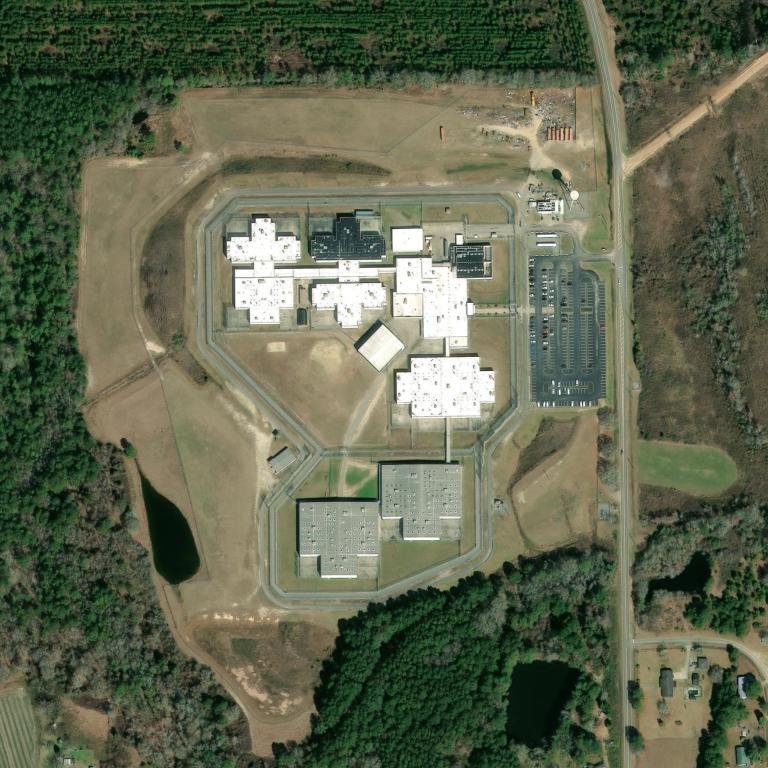
Satellite image: Esri World Imagery. Architecture documents what the building was designed to hold. See the system-wide receipts at gps.press/warehouse.
Then and now
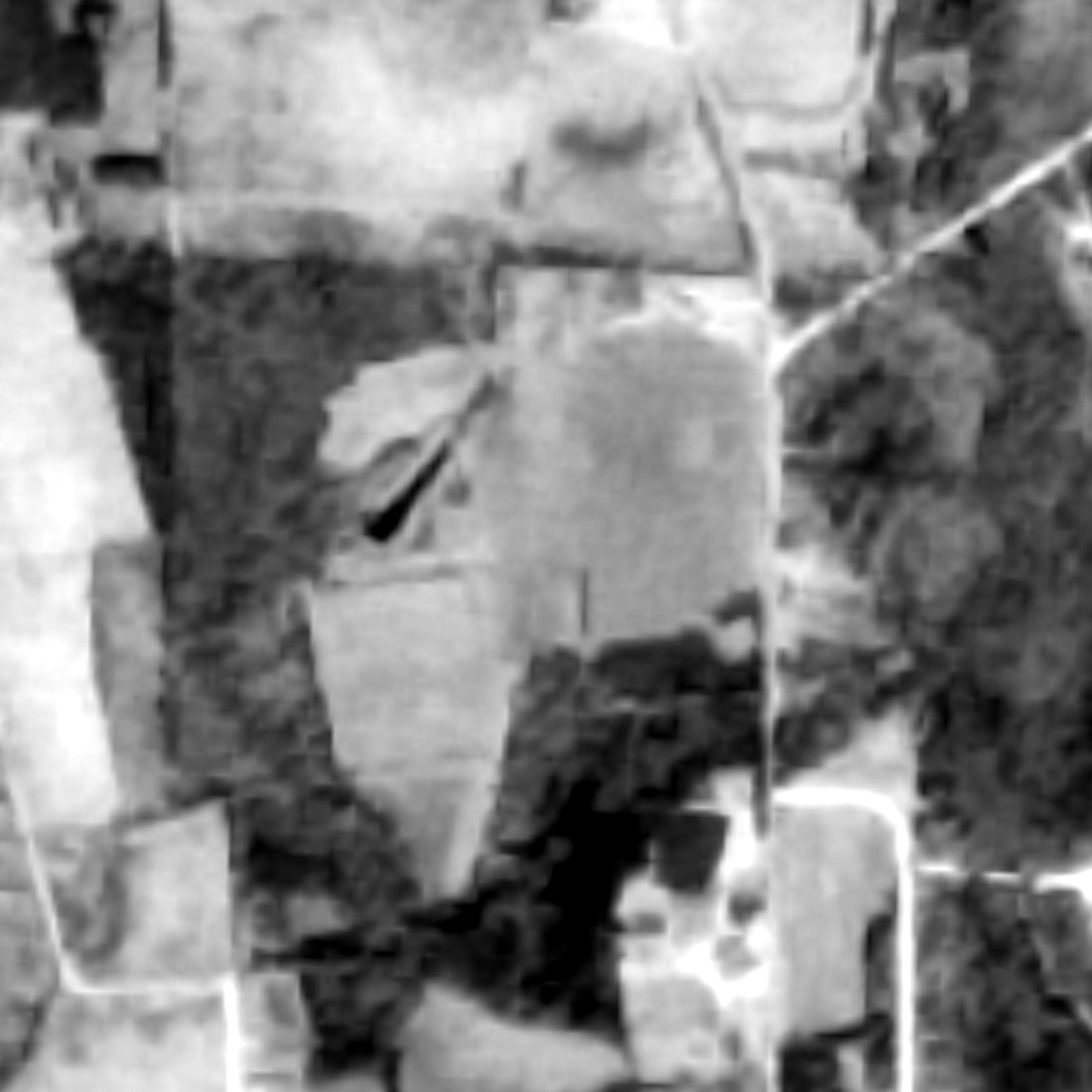
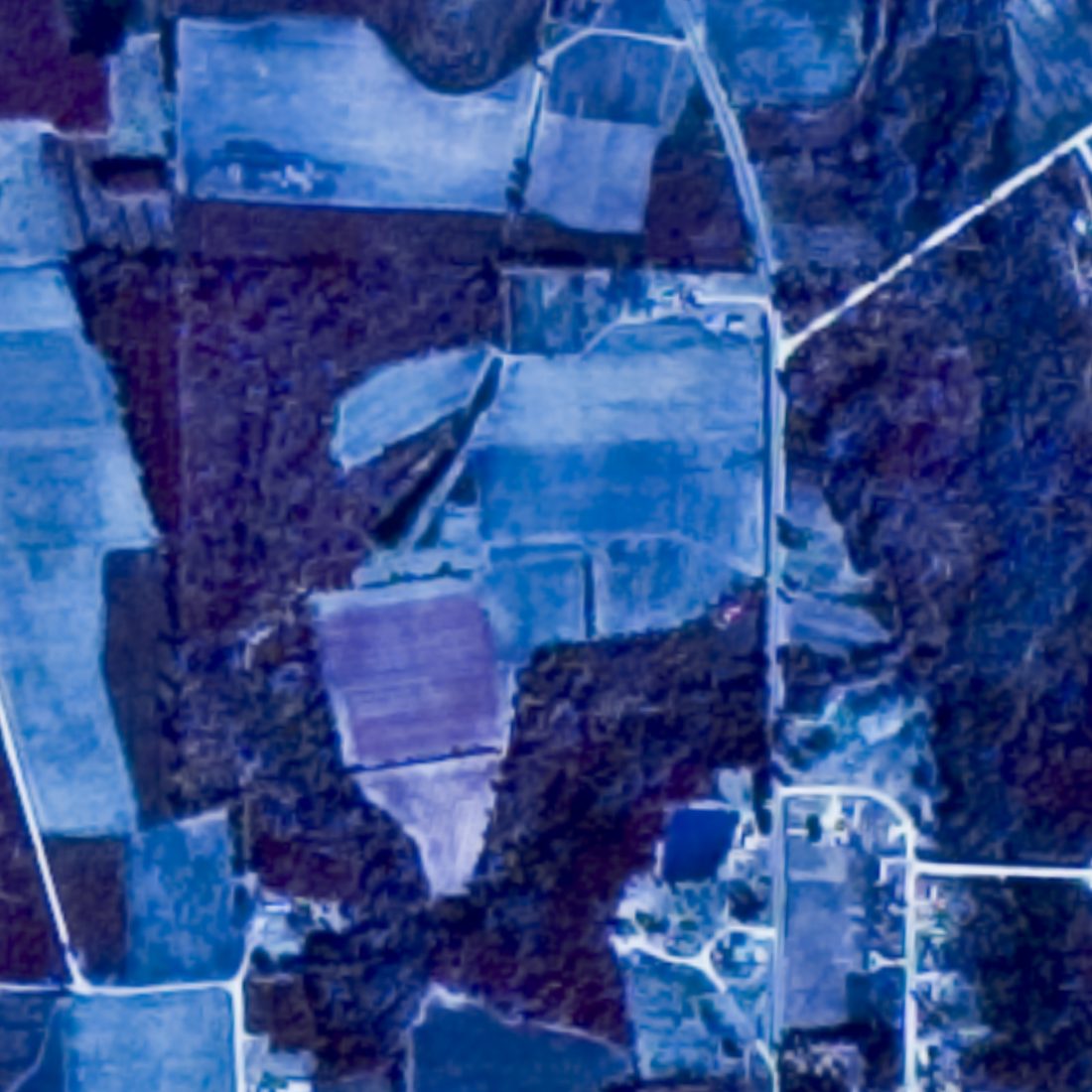
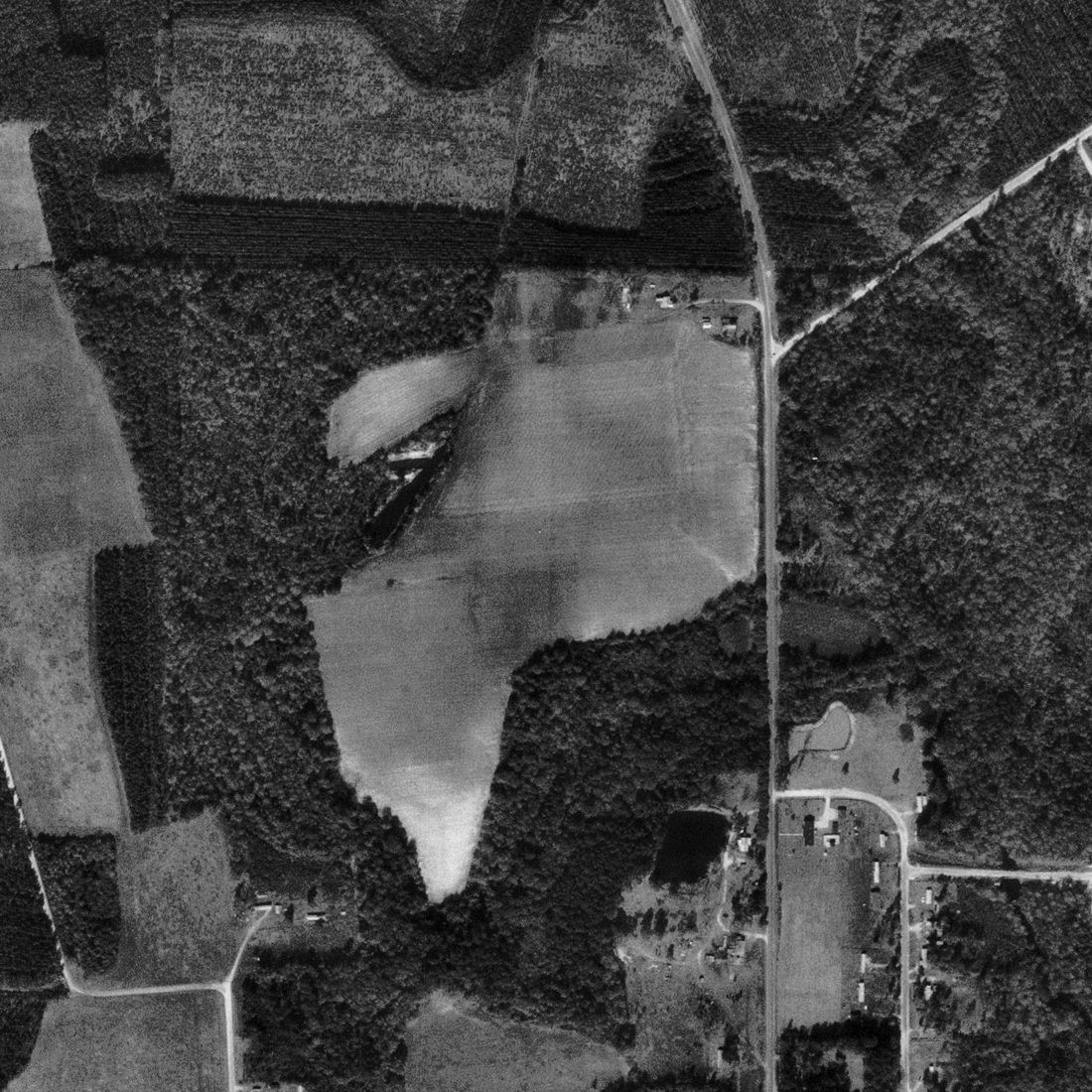
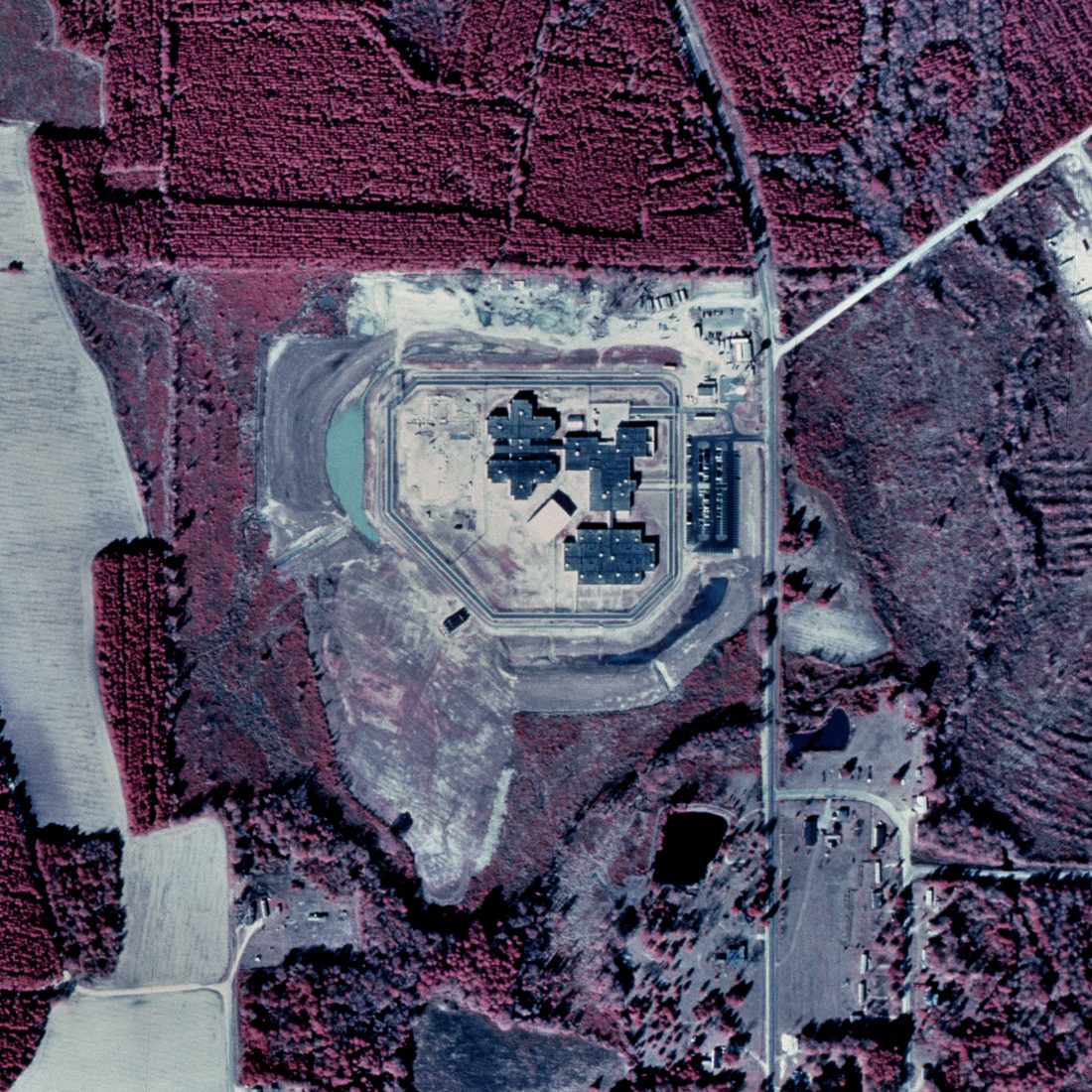
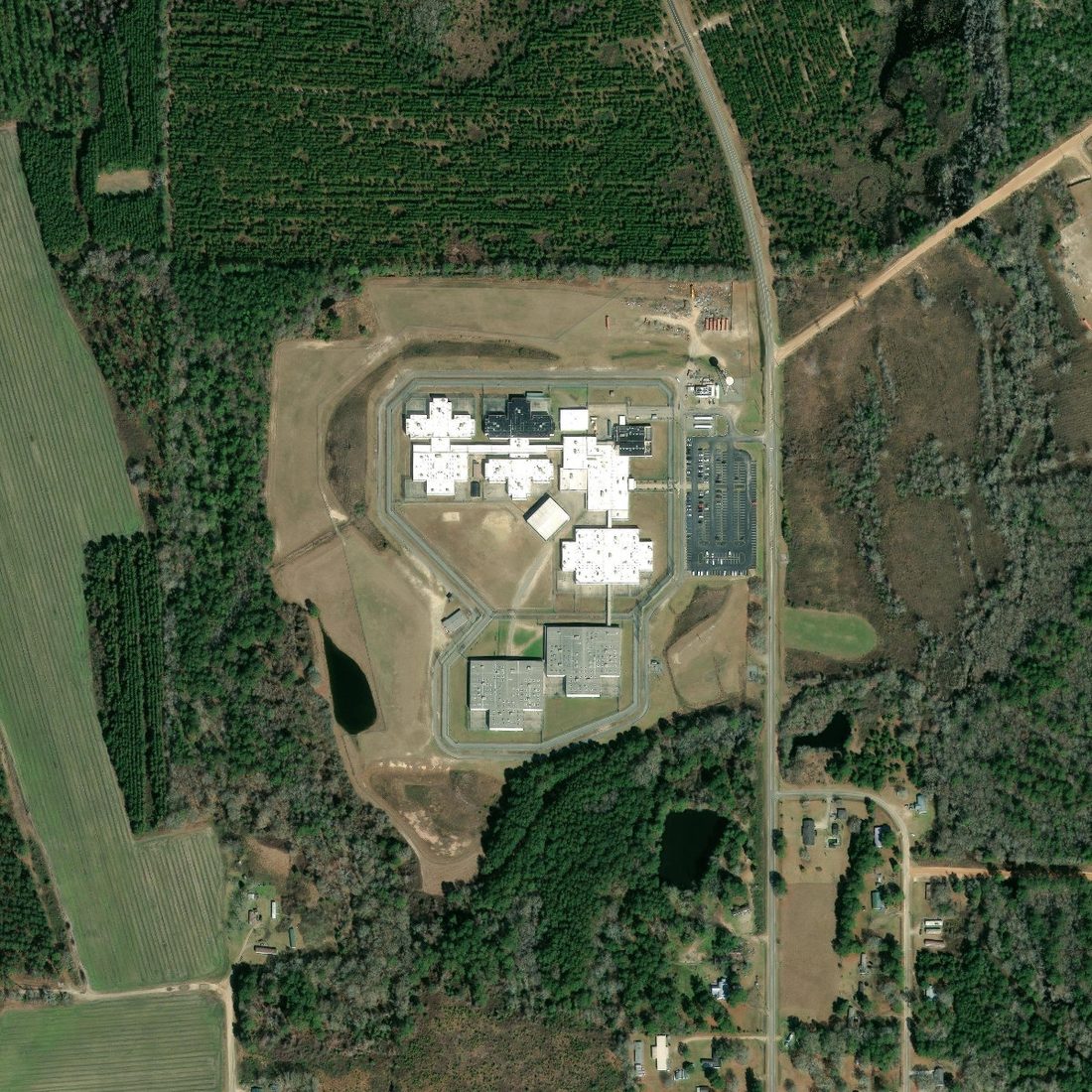
Each photo shows the same 1.2 km square, north up, so buildings line up from one year to the next. The older photos are U.S. Geological Survey aerial photographs. The photos from 1988 and earlier were taken on film and lined up with the later ones by their roads, so their positions are approximate. The early-1980s photos were taken from very high up and are less sharp. Select a photo to see it full size.