RIVERBEND CORRECTIONAL AND REHABILITATION FACILITY
Facility Information
- Original Design Capacity
- 1,500 (at 100% capacity)
- Bed Capacity
- 1,588 beds
- Current Population
- 1,504
- Active Lifers
- 146 (9.7% of population) · Oct 2026 GDC report
What the courts held in Brown v. Plata, and how Georgia compares →
- Address
- 196 Laying Farm Road, Milledgeville, GA 31061
- Phone
- (478) 414-2300
- Fax
- (478) 414-2402
- County
- Baldwin County
- Opened
- 2011
- Operator
- GEO Group
Security Classification
Last updated: September 23, 2026
6 of the 1,499 people held here are classified Close security (0.4%), as of September 23, 2026.
| Security level | People | Share |
|---|---|---|
| Close | 6 | 0.4% |
| Medium | 1,351 | 90.1% |
| Minimum | 142 | 9.5% |
| Total | 1,499 |
Earlier count (undated table, produced October 22, 2025): 3 of 1,494 Close (0.2%).
Source: Georgia Department of Corrections records produced to GPS under the Open Records Act (R031471-090226, R024615-101925). A person's security level is GDC's classification of that person, which can differ from the prison's own designation.
Follow Riverbend Correctional and Rehabilitation Facility
Leadership & Accountability (as of 2025 records)
Officials currently holding positional authority at this facility, with deaths attributed to GPS-tracked records during their leadership tenure. Inclusion reflects role-based accountability, not legal findings of personal culpability. Death counts shown as facility / career.
| Role | Name | Since | Deaths this facility / career |
|---|---|---|---|
| Warden (Riverbend Correctional And Rehabilitation Facility) (facility lead) | Phams, Angela | 2024-01-01 | 4 / 4 |
About
Last updated October 25, 2026.(DS)
Riverbend Correctional and Rehabilitation Facility
Riverbend Correctional and Rehabilitation Facility sits in Milledgeville, in Baldwin County, and is unlike most of the Georgia Department of Corrections estate in one structural respect: it is not run by GDC. Built and opened in 2011 as a privately operated prison managed by the GEO Group under contract with the department, it holds adult male felons at medium and minimum custody in a mix of dormitory-style housing and two-man cells across six housing units, plus a lockdown unit with segregation and isolation beds. Its original design capacity was 1,500; its current rated capacity is 1,588. GPS's facility record puts the current population at 1,504 — roughly 94.7 percent of rated capacity — and lists Angela Phams as warden since January 1, 2024, a post the record classifies as contractor-held.
The analytical threads below run in three directions: a mortality record that GPS tracks but cannot yet explain, a food-safety inspection record that reads clean and that GPS's systemic reporting treats with suspicion, and a contract-monitoring arrangement in which the state's oversight of a private operator is itself a thin, largely undocumented layer.
Twelve Deaths, Five Without a Cause
GPS's mortality registry records 12 deaths at Riverbend since January 1, 2020. That figure is a floor, not a ceiling: GDC reports deaths roughly two months late, so the count lags the underlying reality. Of the 12, four are coded Natural/Medical, three are coded Other, and five remain Unknown/Pending — meaning GPS does not yet know the cause and does not guess one.
The two most recent are also the youngest. Akeem Ajima Lanier died August 20, 2026, at Riverbend at age 38; Marquavious Devante Knox died there August 10, 2026, at age 34. Both carry a cause of Unknown/Pending. Before them, Jere Hunt Horne died June 28, 2024, at 64, and Jimmy Ray Teems died April 5, 2024, at 54 — again with cause pending. Michael David Griffin died January 13, 2023, at 69, also pending.
The earlier cluster is coded. Bobby Joe Fugate died September 3, 2021, at 54, of Natural/Medical causes. Brian Landrum Ridings died February 11, 2021, at 44, also Natural/Medical. Juan Antonio Aparicio died August 8, 2020, at 49, and Victor Ledbetter died July 24, 2020, at 59, both Natural/Medical. Three deaths are coded Other: Billy Joe Herndon, who died July 8, 2021, at 60; Andrew Rivers Mackey, who died June 22, 2021, at 67; and Bobby Lamar Durham, who died March 5, 2020, at 47.
The pattern worth naming is the coding gap, not the raw count. Five of twelve deaths — including both of the most recent — sit in a pending category, which is where a death remains until GDC's cause determination reaches the record. For context on scale, GPS has independently tracked 1,918 deaths in GDC custody system-wide since 2020.
A Perfect Inspection Record and What It Does Not Measure
The Georgia Department of Public Health has inspected Riverbend's food service seven times since May 2023, and the results are close to flawless. Six consecutive routine inspections scored 100 — Grade A — on November 30, 2023; June 26, 2024; December 20, 2024; June 30, 2025; January 21, 2026; and August 24, 2026. All seven were conducted by inspector William Minton, and all seven were routine rather than complaint-driven.
The single blemish in the series is the oldest: a score of 96 on May 25, 2023, with one violation cited, for "proper eating, tasting, drinking, or tobacco use."
Read alone, that is an unremarkable record. GPS's systemic reporting argues it should not be read alone. GPS has documented a pattern of food-service sanitation failure across GDC kitchens that DPH scores systematically fail to capture — dishwashers broken for sustained periods, roach and rodent infestation in kitchen and serving areas, and meals served on visibly contaminated trays. The mechanism GPS identifies is that inspections are scheduled walkthroughs that do not assess equipment under load, and that in small-county settings there is documented professional overlap between inspectors and facility staff. The Marshall Project's May 16, 2026 investigation of Georgia prison food, by Schwartzapfel, independently reported rats in kitchens, insects in food, moldy trays and visible malnutrition across state facilities.
GPS's reporting also places the economics underneath the sanitation question: GDC spends approximately $1.69 per person per day on food as of 2024, with $1.60 per day proposed for FY27 — under 60 cents a meal — against an FDA Thrifty Food Plan estimate of roughly $10 per day for an adult man's nutritionally adequate diet. The state spends approximately 14 times more on medical care for incarcerated people, about $432 million, than on their food. None of that is specific to Riverbend. But a 100 on a scheduled walkthrough is, in GPS's analytical frame, a measure of a kitchen on its best behavior rather than a kitchen under load.
Contract Monitoring and the Private-Operator Question
Because Riverbend is contractor-operated, the state's presence inside it takes a different form than at a GDC-run prison. GPS's personnel records show the arrangement: alongside Warden Phams, whose position is recorded under the contractor, GDC holds a Private Prison Monitor post, filled by Sonja D. Brown since September 1, 2025, and a Regional Operations Coordinator role that Brown has also held since July 16, 2025. Rodney Gardner is recorded as a Regional Operations Coordinator with GDC since September 1, 2026.
That is the entire documented state-side footprint in GPS's personnel records — one monitor and coordinator positions — against a facility holding roughly 1,504 people. GPS does not assert here what that monitor does or does not catch; the record shows the structure, and the structure is thin.
The contraband record offers a partial view of what gets through. GDC's own published contraband reports document seven incidents at Riverbend, clustered in the facility's early years: five in 2012, one in 2016, one in 2018. The most serious involves a staff-class actor. On August 29, 2012, maintenance employee Alonzo Macklin attempted to enter the back gate with four cellphones and 40 rounds of Hilti gun ammunition; a search of his vehicle turned up nine grams of marijuana, 66 grams of tobacco, three smartphones, seven cellphone chargers, eleven 12-ounce bottles of beer and a bottle of Jose Cuervo margarita mix, among other items. He was arrested by Milledgeville City Police. GDC publishes arrests, not dispositions — an arrest is not a conviction.
Visitor cases account for the rest. On February 25, 2018, visitor Marquita Jordan was arrested by Milledgeville Police after the person she was visiting was found with .49 grams of marijuana; Jordan consented to a vehicle search in which a loaded weapon was recovered, and she was taken to Baldwin County Jail. On October 1, 2016, a random vehicle check with a canine unit led to the arrest of visitor Dawn Bodie after 2 grams of meth, 1 gram of heroin, 11 syringes and 2 cut straws were found in a purse in her vehicle. On July 21, 2012, visitor Tamela Kemp was arrested attempting to bring in a watch/cellphone. The record's shape — a staff case in 2012, visitor cases scattered across the early years, and nothing published since 2018 — is a limit of GDC's reporting as much as a picture of the facility.
The System Riverbend Sits Inside
Riverbend's own record is thin enough that the systemic findings GPS has documented carry most of the analytical weight. Officer vacancies across Georgia's prisons have run between 49.3 percent and 60 percent systemwide for multiple years, against a national standard of no more than 10 percent; the hiring pipeline cannot close the gap, with an acceptance rate under 15 percent and 82.7 percent of new hires leaving in their first year, and Georgia ranks last of 50 states for correctional-officer pay. The October 2024 DOJ findings letter concluded that "the leadership of the Georgia Department of Corrections has lost control of its facilities" and faulted GDC for placing "too much blame on gangs and insufficient emphasis on understaffing." Tyler Ryals, a former GDC sergeant forced out in 2024 after whistleblowing, told GPS he had personally been the only security person on the entire Telfair compound of roughly 1,250 maximum-security inmates.
GPS has separately documented classification drift — medium-security facilities housing close-security populations without the staffing and infrastructure that designation implies — and treats infrastructure collapse as a force multiplier for the violence, classification and mortality crises it tracks at facility level. Most GDC facilities are 30 to 40-plus years old, with documented deferred maintenance producing broken cell-door locks, inoperative surveillance and fire-alarm systems, mold and water failures, and pest infestations. Riverbend, at 15 years old and privately built, is an outlier on age; GPS's records do not establish whether it is an outlier on condition.
The same systemic frame applies to sexual violence. The October 2024 DOJ letter concluded that sexual assault is "rampant" in GDC facilities and that the department does not reasonably protect incarcerated people from sexual harm; of 456 sexual-abuse allegations recorded in 2022, only 35 were substantiated, and GDC's own consultants found in May 2022 that not one of 388 PREA investigation files reviewed met the law's standards. Georgia has never submitted a PREA certification of full compliance. GPS's records do not document a specific PREA cluster at Riverbend, and this page does not assert one.
What the record does support is narrower and worth stating plainly: a privately operated prison at 94.7 percent of rated capacity, twelve tracked deaths with five causes still pending, a food-safety file that reads clean, and a state oversight presence that GPS's personnel records reduce to a handful of names.
Sources
This analysis draws on Georgia Department of Public Health food-safety inspection records for Riverbend Correctional and Rehabilitation Facility, including the full reports underlying each score; GDC's published contraband arrest reports, cited by incident and source URL; GPS's mortality registry, which supplies the named deaths and cause codings above; GPS's personnel records for facility leadership and state-side oversight positions; and GPS's own systemic reporting on staffing collapse, food-service sanitation, classification drift and infrastructure failure, including its analysis of DPH scores and its reporting on the economics of prison food. The Marshall Project's May 16, 2026 investigation by Schwartzapfel is cited for its independent findings on Georgia prison food conditions. Firsthand narratives published in Georgia Prisoners' Speak — Tell My Story inform the broader context of programming and conditions across the state system but do not describe events at this facility.
Mortality Statistics
13 deaths documented at this facility from 2020 to present.
Deaths by Year
- 2026: 3
- 2025: 0
- 2024: 2
- 2023: 1
- 2022: 0
- 2021: 4
- 2020: 3
County Public Health Department
Food service and sanitation at RIVERBEND CORRECTIONAL AND REHABILITATION FACILITY fall under the jurisdiction of the Baldwin County Environmental Health Department. Incarcerated people cannot choose where they eat — public health inspectors carry an elevated responsibility to hold this kitchen to the same standards applied to any restaurant.
Contact
- Title
- EH County Manager
- Name
- Colin Duke, REHS
- Address
-
P.O. Box 459
Milledgeville, GA 31061 - Phone
- (478) 445-1591
- Colin.Duke@dph.ga.gov
- Website
- Visit department website →
Why this matters
GPS has documented black mold on chow-hall ceilings, cold and contaminated trays, spoiled milk, and pest contamination at Georgia prisons. The Department of Justice's 2024 report confirmed deaths from dehydration and untreated diabetes tied to food and water deprivation. Advance-notice inspections let facilities stage temporary fixes that disappear once inspectors leave.
Unannounced inspections by the county health department are one of the few outside checks on kitchen conditions behind the fence.
How you can help
Write to the county inspector and request an unannounced inspection of the kitchen and food service operation at this facility. A short, respectful letter citing Georgia food-safety regulations is more powerful than you think — inspectors respond to public concern.
Sample Letter
This is the letter Georgia Prisoners' Speak mailed to all county environmental health inspectors responsible for GDC facilities. Feel free to adapt it.
October 25, 2026
RE: Request for Unannounced Public Health Inspection of Food Service Operations at RIVERBEND CORRECTIONAL AND REHABILITATION FACILITY
Dear Colin Duke, REHS,
I am writing to respectfully request that your office conduct a thorough, unannounced inspection of food service and sanitation practices at RIVERBEND CORRECTIONAL AND REHABILITATION FACILITY, located in Baldwin County.
Documented concerns
Georgia Prisoners' Speak, a 501(c)(3) nonprofit investigative newsroom, has published extensive investigative reporting on food safety and nutrition failures across Georgia's prison system, including:
- Dangerous sanitation conditions — black mold on chow hall ceilings and air vents, contaminated food trays, and spoiled milk served to inmates.
- Severe nutritional deficiency — roughly 60 cents per meal; inmates receive only 40% of required protein and less than one serving of vegetables per day.
- Preventable deaths — the U.S. Department of Justice's 2024 report confirmed deaths from dehydration, renal failure, and untreated diabetes following food and water deprivation.
- Staged compliance — advance-notice inspections allow facilities to stage temporary improvements, then revert once inspectors leave.
Firsthand testimony
In Surviving on Scraps: Ten Years of Prison Food in Georgia, a person who has spent more than ten years in GDC custody describes no functional dishwashing sanitation, chronic mold on food trays, and roaches found on the undersides of trays at intake facilities. Full account: gps.press/surviving-on-scraps-ten-years-of-prison-food-in-georgia.
Specific requests
- Conduct an unannounced inspection of the kitchen and food service operations at this facility, with particular attention to dishwashing equipment, tray sanitation procedures, and food storage conditions.
- Evaluate compliance with applicable Georgia food safety regulations, including O.C.G.A. § 26-2-370 and the Georgia Food Service Rules and Regulations (Chapter 511-6-1).
- Verify permit status and confirm whether the facility is subject to the same inspection schedule as other institutional food service establishments in the county.
- Make inspection results available to the public, as permitted under Georgia's Open Records Act (O.C.G.A. § 50-18-70).
Incarcerated individuals cannot advocate for their own health and safety in the way a restaurant patron can — they cannot choose to eat elsewhere. This places an elevated responsibility on public health officials to ensure these facilities meet the same sanitation standards applied to any food service establishment.
Thank you for your attention to this important public health matter.
Sincerely,
[Your name]
Food Safety Inspections
Georgia Department of Public Health
What the score doesn't measure. DPH grades kitchen compliance on inspection day — food storage, temperatures, pest control. It does not grade whether today's trays are clean. GPS reporting has found broken dishwashers at most Georgia state prisons we've documented; trays go out wet, stacked, and visibly moldy — including at facilities with recent scores near 100.
Who inspects. Most Georgia state prisons sit in rural counties — often with fewer than 20,000 people, several with fewer than 10,000. The environmental health inspector lives in that community and often knows the kitchen staff personally. Rural inspection regimes don't have the structural independence you'd expect in a city-sized health department. Read the scores accordingly.
Read the investigation: “Dunked, Stacked and Served: Why Georgia Prison Trays Are Making People Sick”
Recent inspections
| Date | Score | Purpose | |
|---|---|---|---|
| Aug 24, 2026 | 100 | Routine | |
| Jan 21, 2026 | 100 | Routine | |
| Jun 30, 2025 | 100 | Routine | |
| Dec 20, 2024 | 100 | Routine | |
| Jun 26, 2024 | 100 | Routine | |
| Nov 30, 2023 | 100 | Routine | |
| May 25, 2023 | 96 | Routine |
August 24, 2026 — Score 100
Routine · Inspector: William Minton
No violations recorded for this inspection.
January 21, 2026 — Score 100
Routine · Inspector: William Minton
No violations recorded for this inspection.
June 30, 2025 — Score 100
Routine · Inspector: William Minton
No violations recorded for this inspection.
December 20, 2024 — Score 100
Routine · Inspector: William Minton
No violations recorded for this inspection.
June 26, 2024 — Score 100
Routine · Inspector: William Minton
No violations recorded for this inspection.
November 30, 2023 — Score 100
Routine · Inspector: William Minton
No violations recorded for this inspection.
May 25, 2023 — Score 96
Routine · Inspector: William Minton
| Code | Violation | Pts | Inspector notes |
|---|---|---|---|
| 2B |
proper eating, tasting, drinking, or tobacco use 511-6-1.03(5)(k)1&2 - eating, drinking, or using tobacco (c) Corrected | 4 | Observed a cup of coffee resting on a paper towel dispenser above a handwash sink.Employees shall consume food only in approved designated areas separate from food preparation and serving areas, equipment or utensil areas and food storage areas. However, drinking from a single service beverage cup with a secure lid and straw that is handled to prevent contamination of the employee’s hands, the container, exposed food, clean equipment, utensils and linens, unwrapped single-service and single-use articles will be allowed. The cup was removed and education was provided. |
Timeline (1)
Source Articles (6)
Former leadership
Officials who previously held leadership roles at this facility.
| Role | Name | Tenure | Deaths this facility / career |
|---|---|---|---|
| DEPUTY WARDEN (facility deputy) | Brown, Sonja D | 2025-01-01 → 2025-08-31 | — / 5 |
| DEPUTY WARDEN (facility deputy) | Womble, Regenia Lashawndra | 2022-01-01 → 2022-12-31 | — / — |
Location
Aerial View
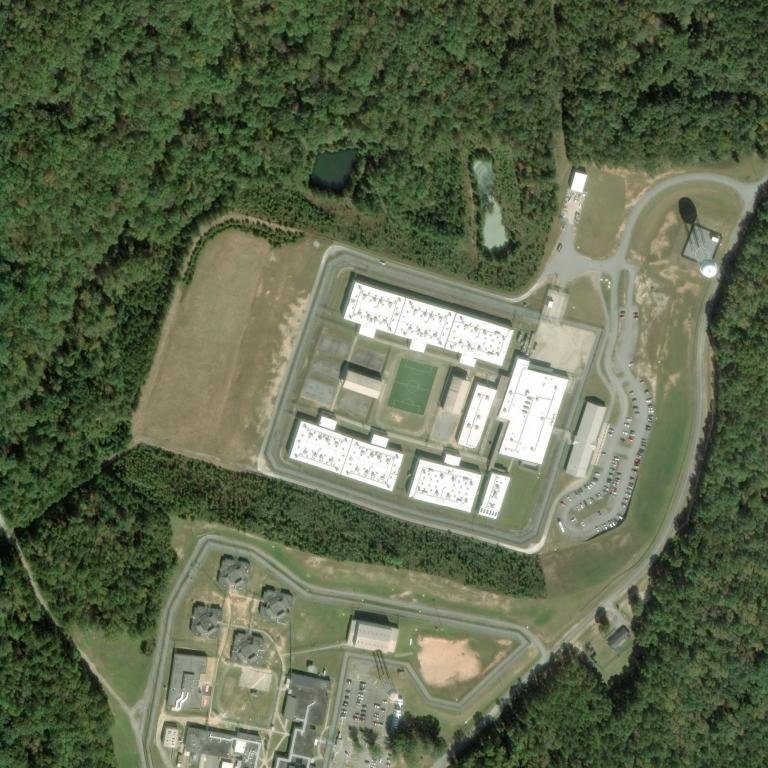
Satellite image: Esri World Imagery. Architecture documents what the building was designed to hold. See the system-wide receipts at gps.press/warehouse.
Then and now
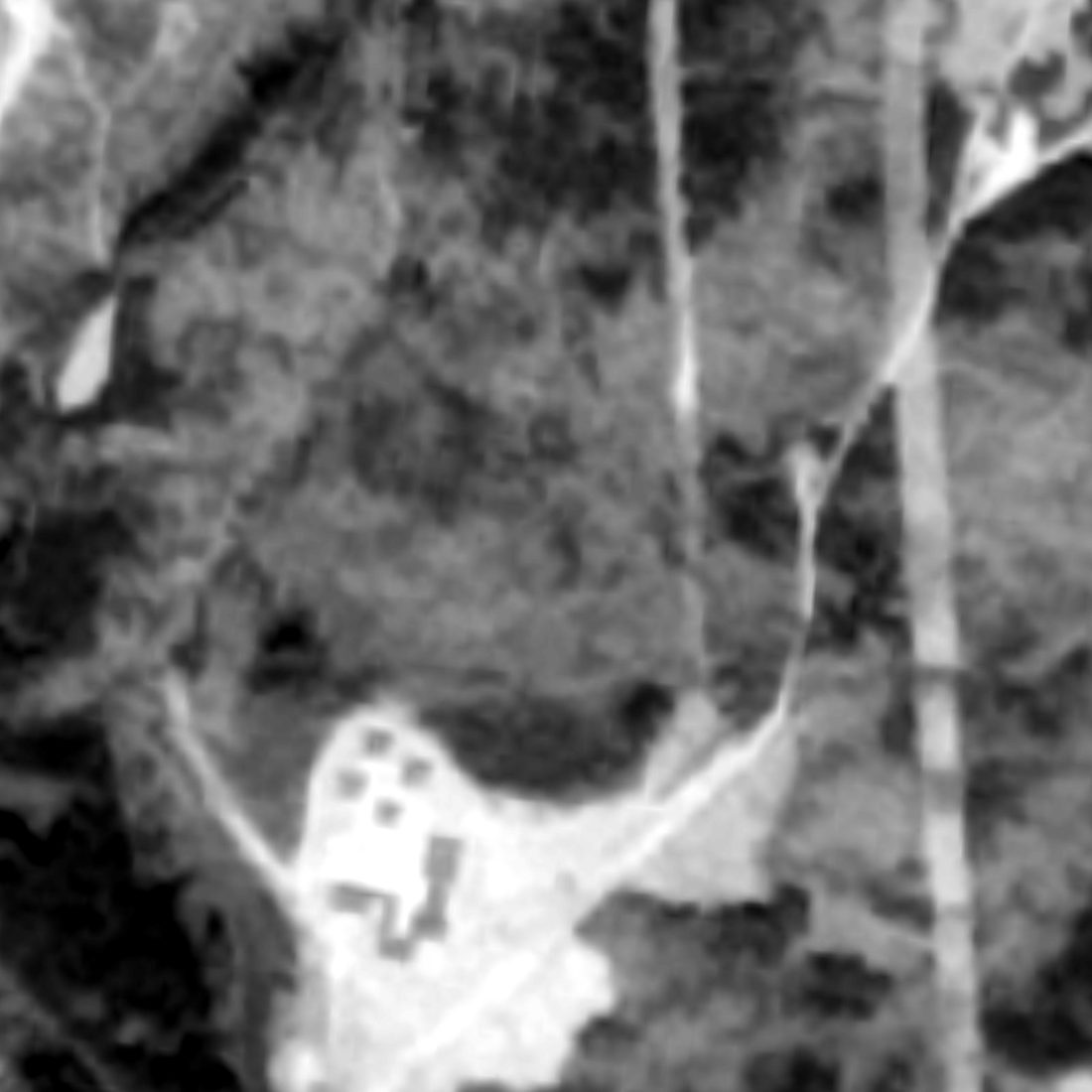
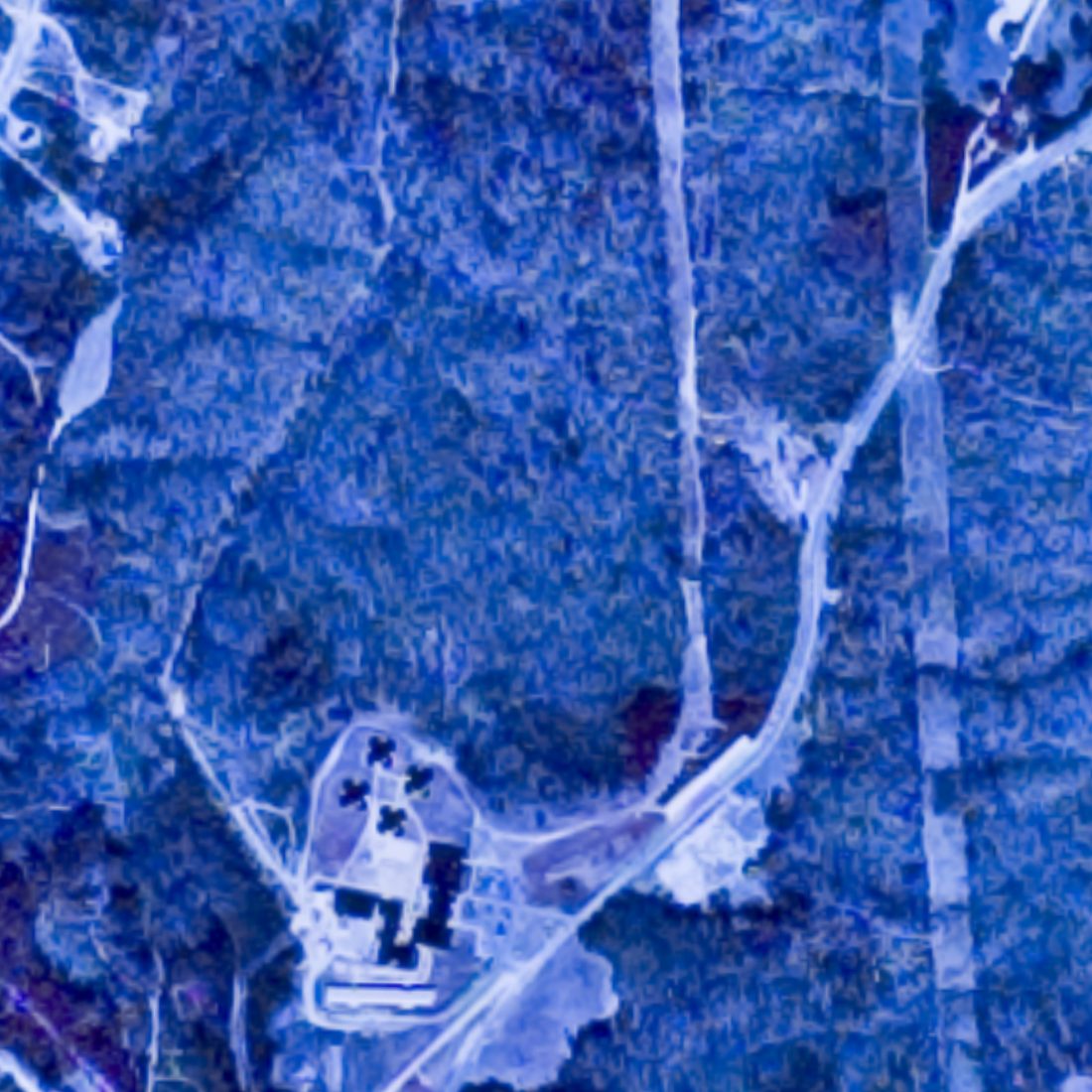
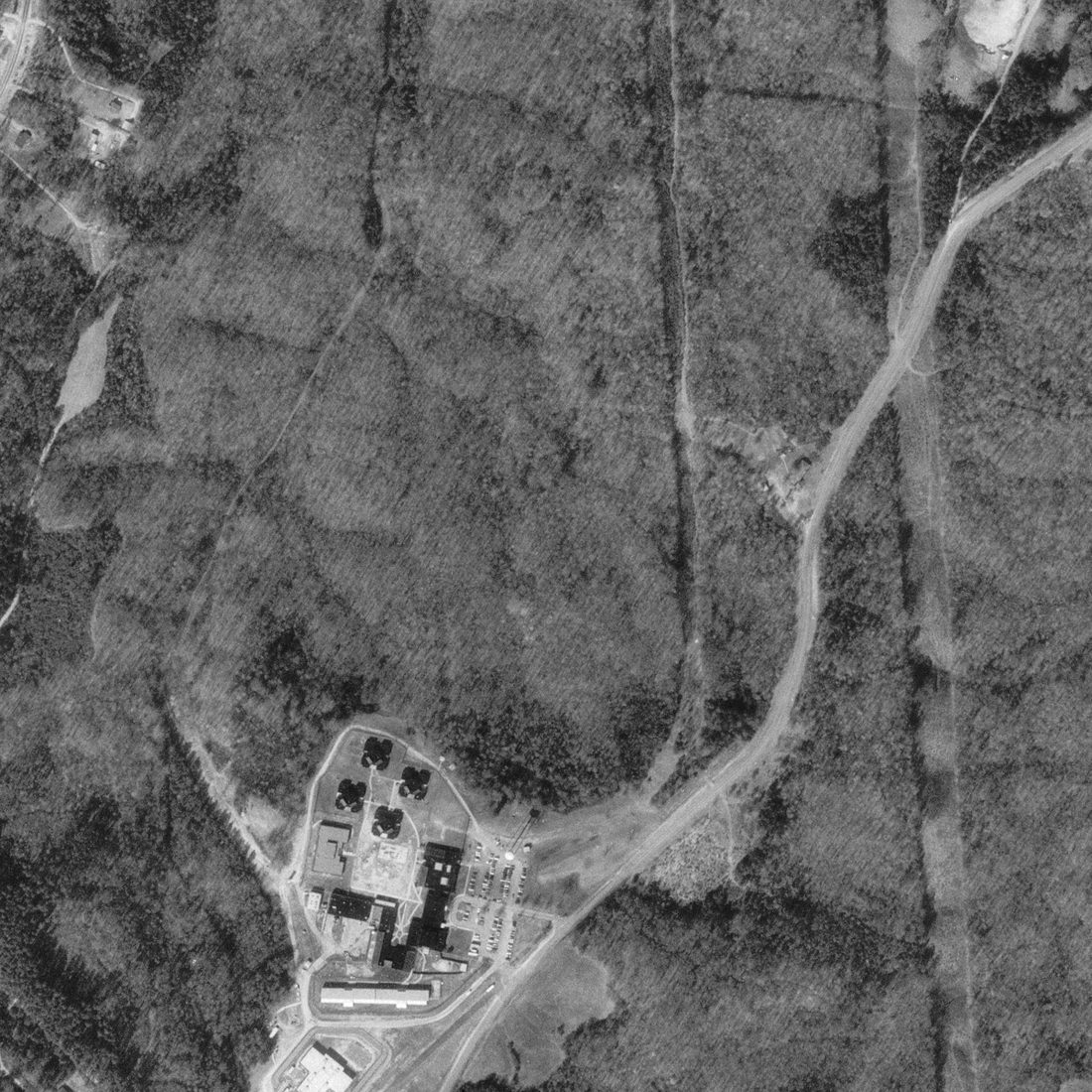
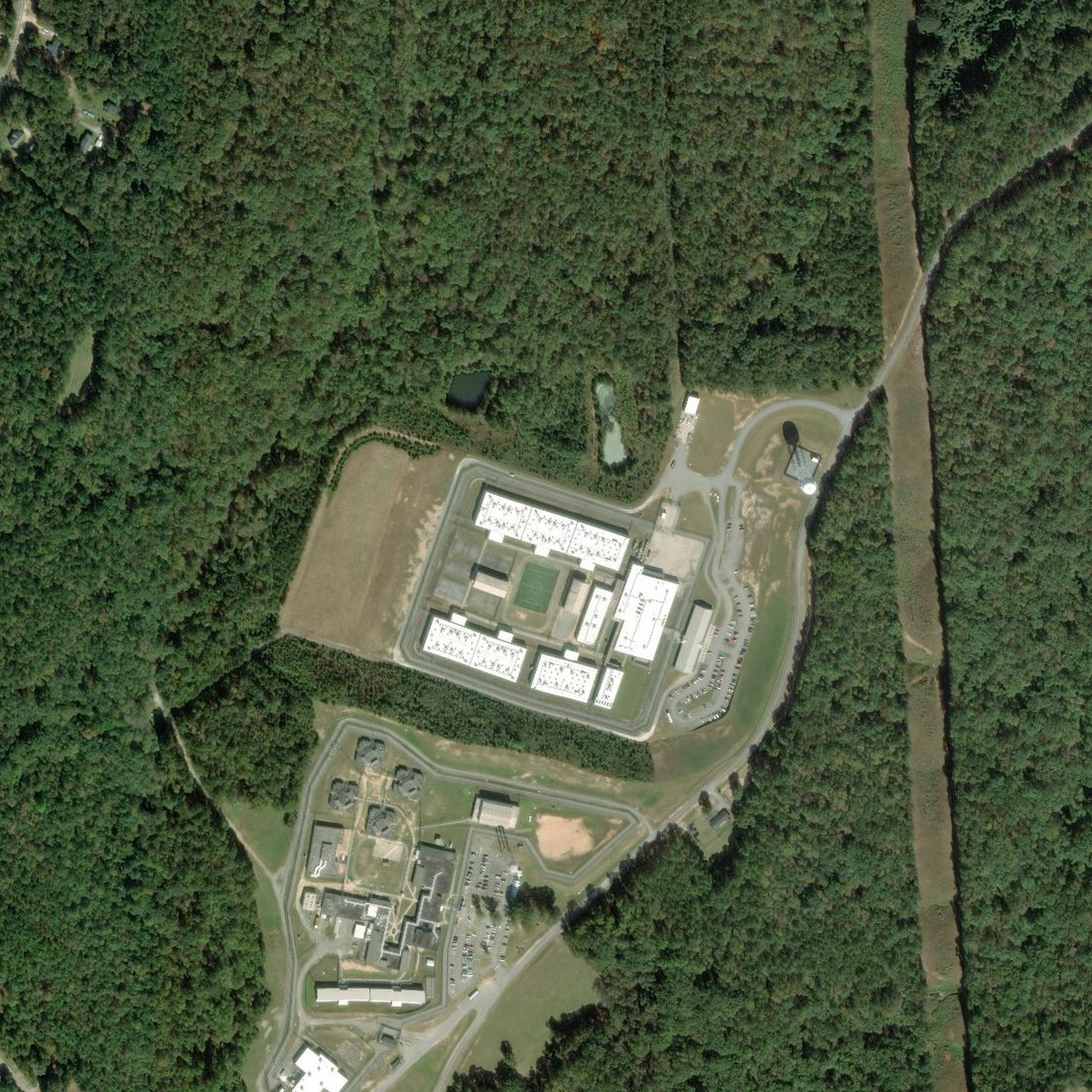
Each photo shows the same 1.2 km square, north up, so buildings line up from one year to the next. The older photos are U.S. Geological Survey aerial photographs. The photos from 1988 and earlier were taken on film and lined up with the later ones by their roads, so their positions are approximate. The early-1980s photos were taken from very high up and are less sharp. Select a photo to see it full size.