WALKER STATE PRISON
Facility Information
- Original Design Capacity
- 206 (at 217% capacity)
- Bed Capacity
- 444 beds
- Current Population
- 447
- Active Lifers
- 62 (13.9% of population) · Oct 2026 GDC report
What the courts held in Brown v. Plata, and how Georgia compares →
- Address
- 97 Kevin Lane, Rock Spring, GA 30739
- Phone
- (706) 764-3600
- Fax
- (706) 764-3624
- Mailing Address
- P.O. Box 98, Rock Spring, GA 30739
- County
- Walker County
- Opened
- 1972
- Operator
- GDC (Georgia Dept. of Corrections)
Security Classification
Last updated: September 23, 2026
0 of the 444 people held here are classified Close security (0.0%), as of September 23, 2026.
| Security level | People | Share |
|---|---|---|
| Medium | 365 | 82.2% |
| Minimum | 79 | 17.8% |
| Total | 444 |
Earlier count (undated table, produced October 22, 2025): 0 of 445 Close (0.0%).
Source: Georgia Department of Corrections records produced to GPS under the Open Records Act (R031471-090226, R024615-101925). A person's security level is GDC's classification of that person, which can differ from the prison's own designation.
Follow Walker State Prison
Leadership & Accountability (as of 2026 records)
Officials currently holding positional authority at this facility, with deaths attributed to GPS-tracked records during their leadership tenure. Inclusion reflects role-based accountability, not legal findings of personal culpability. Death counts shown as facility / career.
| Role | Name | Since | Deaths this facility / career |
|---|---|---|---|
| WARDEN 1 (facility lead) | Kasper, Jeanie Maria | 2021-01-01 | 1 / 1 |
| Deputy Warden of Administration (facility deputy) | McRae, Joseph | 2023-11-22 | — / — |
| Deputy Warden of Security (facility deputy) | Clark, Ryan | 2026-07-16 | — / — |
| Deputy Warden of Care and Treatment (facility deputy) | Whitten, Anna Marie | 2024-01-01 | — / — |
About
Last updated October 18, 2026.(DS)
Walker State Prison: A Treatment Reputation Inside a System Under Strain
Walker State Prison sits in Rock Spring, in the northwest corner of Georgia, a medium-security men's facility that opened in 1972 and still runs out of roughly 12 open dormitories. It houses standard felony populations and some probation violators, and it carries an unusual identity for a state prison: it hosts a residential substance-abuse treatment (RSAT) program and an intensive faith- and character-based initiative meant to build a more therapeutic, mentorship-driven environment. That reputation is real, and it is also the whole of what distinguishes Walker in the public record. Underneath it, the facility operates inside the same constraints — limited resources and limited staffing — that GPS has documented across the Georgia Department of Corrections. This page reads Walker through what the record actually shows: a facility running slightly over its rated capacity, a food-service inspection file that is clean on paper, a small and entirely natural-cause mortality record, and a leadership roster that has turned over almost completely in the past two years.
Capacity, Population, and the Housing Plant
GPS's facility records put Walker's current rated capacity at 444 and its population at 447 — 100.7 percent of rated capacity. That is a modest overage by the standards of Georgia's prison system, but it matters for what Walker is: the facility was built to an original design capacity of 206, and its current rated capacity of 444 reflects more than a doubling of the population the physical plant was conceived for. The roughly 12 open dormitories that make up the housing are the same footprint the prison opened with in 1972.
The population Walker receives is a mixed one — standard felony populations alongside some probation violators — and the facility's programming is the reason it draws attention at all. The RSAT program and the faith- and character-based initiative are the two named programs in the public record for Walker. Both are treatment-oriented, and both depend on staffing and space that a facility at 100.7 percent of capacity does not have in surplus.
A Food-Service File That Reads Clean
The Georgia Department of Public Health has inspected Walker's food service five times since late 2023, and every one of those inspections returned a Grade A. The most recent, on March 31, 2026, was a routine inspection that scored a perfect 100 with no violations cited. Before that, the facility scored 98 on August 29, 2025 (one violation, for physical facilities installed, maintained, and clean), 99 on January 9, 2025 (the same single violation category), and 91 on both June 24, 2024 (one violation, food separated and protected) and November 1, 2023 (one violation, proper cold holding temperatures). Inspector Jason Osgatharp conducted the four most recent inspections; Clinton Howell conducted the November 2023 visit.
On its face that is a strong record, and it should be reported as one. But GPS has documented a systemic pattern in which DPH scores at GDC facilities systematically fail to capture food-service sanitation problems — broken tray-sanitizing dishwashers, sustained roach and rodent infestation in kitchen and serving areas, and meals served on visibly contaminated trays. GPS's analysis attributes the gap in part to the structure of the inspections themselves: they are scheduled walkthroughs that do not assess equipment under load. The Marshall Project's May 16, 2026 investigation of Georgia prison food independently reported rats in kitchens, insects in food, and moldy trays across state facilities. None of that reporting is specific to Walker, and nothing in the record suggests Walker's kitchens are among the facilities described. The point is analytical rather than accusatory: a perfect 100 at Walker is a data point about a scheduled inspection, not a certification that the kitchen equipment behind it was working.
The broader economics GPS has documented give that distinction weight. GDC spends approximately $1.69 per person per day on food (2024) and has proposed $1.60 per day in FY27 — under 60 cents per meal — against an FDA Thrifty Food Plan estimate of roughly $10 per day for an adult man's nutritionally adequate diet. The state spends approximately 14 times more on medical care for incarcerated people ($432 million) than on their food.
Two Deaths, Both Natural, Both Named
GPS's mortality registry records two deaths in custody at Walker State Prison since January 1, 2020, and both are coded Natural/Medical. Douglas Daniel Riley died January 27, 2022, at Walker State Prison at age 51; GPS's registry lists the cause as Natural/Medical. Wayne Terry Welbon died September 15, 2020, at Walker State Prison at age 64, also coded Natural/Medical.
Two deaths in roughly six years is a low figure for a GDC facility, and it is worth stating plainly that GPS's registry is a floor rather than a ceiling — the Department reports deaths about two months late, so recent deaths may not yet appear. Against the system-wide picture, in which GPS has independently tracked 1,918 deaths in GDC custody since 2020, Walker's record is quiet. That quiet is itself a finding about a facility whose treatment-oriented programming and smaller population may distinguish it from the system's most violent institutions — though the record here does not establish causation, and GPS does not claim it.
Leadership Turnover at a Facility Built on Continuity
Walker's current leadership is Warden Jeanie Maria Kasper, who has held the post since 2021. Beneath her, the deputy roster has been almost entirely rebuilt in the past two years: Joseph McRae has served as Deputy Warden of Administration since November 2023, Ryan Clark took over as Deputy Warden of Security on July 16, 2026, and Anna Marie Whitten has been Deputy Warden of Care and Treatment since January 2024. Whitten's post is the one that oversees the treatment and care functions on which Walker's RSAT and faith-based programming depend.
That turnover is not unusual in a system where GPS has documented officer vacancies running between 49.3 and 60 percent systemwide for multiple years, against a national standard of no more than 10 percent, and where 82.7 percent of new hires leave in their first year. The October 2024 DOJ findings letter concluded that "the leadership of the Georgia Department of Corrections has lost control of its facilities" and faulted GDC for placing "too much blame on gangs and insufficient emphasis on understaffing." Walker is not named in that finding, and this page does not suggest it should be. But a facility whose stated purpose is therapeutic — mentorship-driven, character-based, treatment-focused — is more dependent on staff continuity than a conventional lockup, and the record shows its deputy ranks turning over on a two-year cycle.
What Families Report, and What the Record Does Not Show
GPS has received recurring reports from families of incarcerated people at Walker describing difficulty accessing medical care — accounts of sick calls going unanswered during 2023 and 2024, of specialist access being restricted, and of the facility lacking an in-house doctor during the period a family member was housed there. These are family attestations, not verified findings, and GPS presents them as such. They are consistent with the broader staffing picture GPS has documented across the system, where care-and-treatment functions absorb the consequences of vacancy rates the Department has not closed.
What the public record does not contain for Walker is any DOJ finding, court judgment, or news investigation specific to the facility. The system-level findings GPS relies on elsewhere — the October 2024 DOJ conclusions on violence, sexual assault, and staffing; the Guidehouse 2024 assessment; the documented pattern of deferred maintenance across facilities 30 to 40-plus years old — describe the environment Walker operates in, not conduct GPS has documented at Walker. The distinction matters. Walker's profile in the public record is a treatment facility with a clean inspection file, a low mortality count, and a leadership roster in flux. Whether that profile holds beneath the surface is a question the record does not yet answer.
Sources
This analysis draws on Georgia Department of Public Health food-safety inspection reports for Walker State Prison (2023–2026); GPS's facility records and mortality registry; GPS's personnel records for facility leadership; and GPS's own systemic reporting on GDC staffing, food-service sanitation, and infrastructure, including findings corroborated by the U.S. Department of Justice's October 2024 findings letter, the Guidehouse 2024 assessment, and The Marshall Project's May 16, 2026 investigation of Georgia prison food. Family accounts referenced in the final section were collected by GPS and are presented as unverified attestations.
Mortality Statistics
2 deaths documented at this facility from 2020 to present.
Deaths by Year
- 2026: 0
- 2025: 0
- 2024: 0
- 2023: 0
- 2022: 1
- 2021: 0
- 2020: 1
County Public Health Department
Food service and sanitation at WALKER STATE PRISON fall under the jurisdiction of the Walker County Environmental Health Department. Incarcerated people cannot choose where they eat — public health inspectors carry an elevated responsibility to hold this kitchen to the same standards applied to any restaurant.
Contact
- Title
- EH County Manager
- Name
- Jason Osgatharp
- Address
-
101 Napier Street
LaFayette, GA 30728 - Phone
- (706) 639-2574
- Jason.Osgatharp@dph.ga.gov
- Website
- Visit department website →
Why this matters
GPS has documented black mold on chow-hall ceilings, cold and contaminated trays, spoiled milk, and pest contamination at Georgia prisons. The Department of Justice's 2024 report confirmed deaths from dehydration and untreated diabetes tied to food and water deprivation. Advance-notice inspections let facilities stage temporary fixes that disappear once inspectors leave.
Unannounced inspections by the county health department are one of the few outside checks on kitchen conditions behind the fence.
How you can help
Write to the county inspector and request an unannounced inspection of the kitchen and food service operation at this facility. A short, respectful letter citing Georgia food-safety regulations is more powerful than you think — inspectors respond to public concern.
Sample Letter
This is the letter Georgia Prisoners' Speak mailed to all county environmental health inspectors responsible for GDC facilities. Feel free to adapt it.
October 24, 2026
RE: Request for Unannounced Public Health Inspection of Food Service Operations at WALKER STATE PRISON
Dear Jason Osgatharp,
I am writing to respectfully request that your office conduct a thorough, unannounced inspection of food service and sanitation practices at WALKER STATE PRISON, located in Walker County.
Documented concerns
Georgia Prisoners' Speak, a 501(c)(3) nonprofit investigative newsroom, has published extensive investigative reporting on food safety and nutrition failures across Georgia's prison system, including:
- Dangerous sanitation conditions — black mold on chow hall ceilings and air vents, contaminated food trays, and spoiled milk served to inmates.
- Severe nutritional deficiency — roughly 60 cents per meal; inmates receive only 40% of required protein and less than one serving of vegetables per day.
- Preventable deaths — the U.S. Department of Justice's 2024 report confirmed deaths from dehydration, renal failure, and untreated diabetes following food and water deprivation.
- Staged compliance — advance-notice inspections allow facilities to stage temporary improvements, then revert once inspectors leave.
Firsthand testimony
In Surviving on Scraps: Ten Years of Prison Food in Georgia, a person who has spent more than ten years in GDC custody describes no functional dishwashing sanitation, chronic mold on food trays, and roaches found on the undersides of trays at intake facilities. Full account: gps.press/surviving-on-scraps-ten-years-of-prison-food-in-georgia.
Specific requests
- Conduct an unannounced inspection of the kitchen and food service operations at this facility, with particular attention to dishwashing equipment, tray sanitation procedures, and food storage conditions.
- Evaluate compliance with applicable Georgia food safety regulations, including O.C.G.A. § 26-2-370 and the Georgia Food Service Rules and Regulations (Chapter 511-6-1).
- Verify permit status and confirm whether the facility is subject to the same inspection schedule as other institutional food service establishments in the county.
- Make inspection results available to the public, as permitted under Georgia's Open Records Act (O.C.G.A. § 50-18-70).
Incarcerated individuals cannot advocate for their own health and safety in the way a restaurant patron can — they cannot choose to eat elsewhere. This places an elevated responsibility on public health officials to ensure these facilities meet the same sanitation standards applied to any food service establishment.
Thank you for your attention to this important public health matter.
Sincerely,
[Your name]
Food Safety Inspections
Georgia Department of Public Health
What the score doesn't measure. DPH grades kitchen compliance on inspection day — food storage, temperatures, pest control. It does not grade whether today's trays are clean. GPS reporting has found broken dishwashers at most Georgia state prisons we've documented; trays go out wet, stacked, and visibly moldy — including at facilities with recent scores near 100.
Who inspects. Most Georgia state prisons sit in rural counties — often with fewer than 20,000 people, several with fewer than 10,000. The environmental health inspector lives in that community and often knows the kitchen staff personally. Rural inspection regimes don't have the structural independence you'd expect in a city-sized health department. Read the scores accordingly.
Read the investigation: “Dunked, Stacked and Served: Why Georgia Prison Trays Are Making People Sick”
Recent inspections
| Date | Score | Purpose | |
|---|---|---|---|
| Mar 31, 2026 | 100 | Routine | |
| Aug 29, 2025 | 98 | Routine | |
| Jan 9, 2025 | 99 | Routine | |
| Jun 24, 2024 | 91 | Routine | |
| Nov 1, 2023 | 91 | Routine |
March 31, 2026 — Score 100
Routine · Inspector: Jason Osgatharp
No violations recorded for this inspection.
August 29, 2025 — Score 98
Routine · Inspector: Jason Osgatharp
| Code | Violation | Pts | Inspector notes |
|---|---|---|---|
| 17C |
physical facilities installed, maintained, and clean 511-6-1.07(5)(a),(b) - good repair, physical facilities maintained; cleaning, frequency & restrictions, cleaned often enough to keep them clean (c) Repeat | 1 | OBSERVED FLOORING IN GENERAL DISREPAIR IN SAME LOCATIONS AS LAST INSPECTIONS; FLOORING IS TO BE WELL MAINTAINED AND CLEANABLE, ANY MISSING FLOOR TILES ARE TO BE REPLACED IMMEDIATELY. CA: PIC HAS RELAYED THIS INFORMATION TO CORPORATE, IS ON THE LIST FOR REPAIRS TO BE MADE |
January 9, 2025 — Score 99
Routine · Inspector: Jason Osgatharp
| Code | Violation | Pts | Inspector notes |
|---|---|---|---|
| 17C |
physical facilities installed, maintained, and clean 511-6-1.07(2)(a) - floor, walls, & ceilings, cleanability (c) | 1 | OBSERVED FLOORING STILL IN GENERAL DISREPAIR IN CERTAIN PLACES (ESPECIALLY THOSE AREAS CLOSER TO WATER SOURCES, SUCH AS THE MOP AREA); CA: PIC STILL STATES THAT FLOORING IS TO BE FIXED SOON, THE FACILITY IS ON THE LIST FOR REPAIRS |
June 24, 2024 — Score 91
Routine · Inspector: Jason Osgatharp
| Code | Violation | Pts | Inspector notes |
|---|---|---|---|
| 1A |
food separated and protected 511-6-1.04(4)(c)1(i)(ii)(iii)(v)(vi)(vii)(viii) - packaged & unpackaged food separation, packaging, and segregation (p, c) Corrected | 9 | Observed numerous dented cans in food storage area awaiting use. CA: PIC to establish policy for return of dented cans and establish a dented can shelf or rack. |
November 1, 2023 — Score 91
Routine · Inspector: Clinton Howell
| Code | Violation | Pts | Inspector notes |
|---|---|---|---|
| 1A |
proper cold holding temperatures 511-6-1.04(6)(f) - time/temperature control for safety; cold holding (p) Corrected | 9 | Observed potentially hazardous food cold held at greater than 41 degrees Fahrenheit. Items in question are Pecan Cobbler at 44 and Ground Beef at 49. CA: PIC discarded and will follow discussed cooling plan. |
Timeline (1)
Source Articles (5)
Former leadership
Officials who previously held leadership roles at this facility.
| Role | Name | Tenure | Deaths this facility / career |
|---|---|---|---|
| Correctional Superintendent (facility lead) | Abusaft, Mark D | 2023-11-22 → 2023-11-22 | — / — |
| Deputy Warden (facility deputy) | Clark, Timothy Ryan | 2023-11-22 → 2023-11-22 | — / — |
| Clinical Chaplain (specialty lead) | Sindler, Ethan | 2026-08-27 → 2026-08-27 | — / — |
| Clinical Chaplain (specialty lead) | Reaves, Aaron Clyde | 2023-11-22 → 2026-08-27 | — / — |
| Clinical Chaplain (specialty lead) | Page, Calvin | 2023-11-22 → 2023-11-22 | — / — |
Location
Aerial View
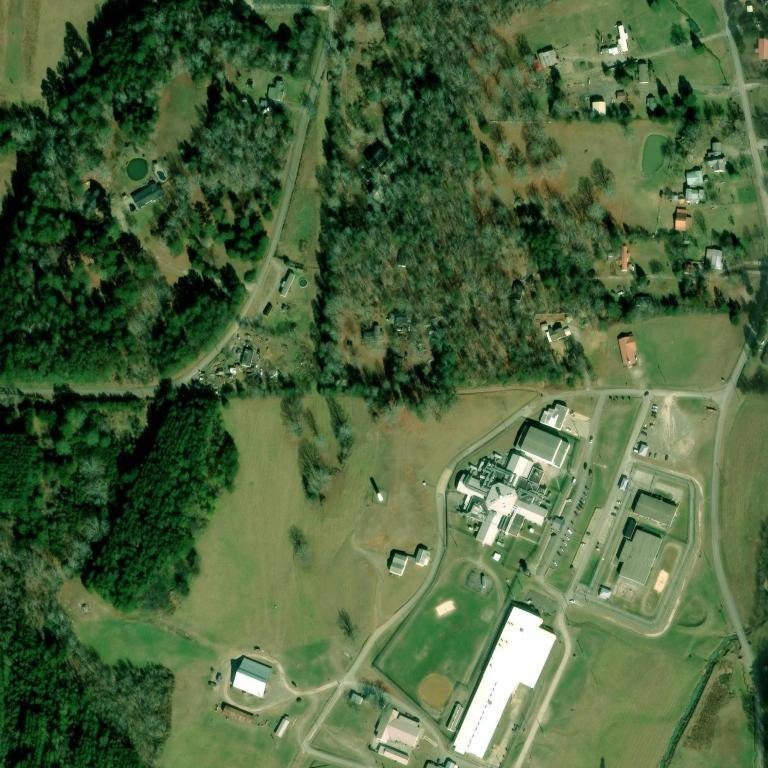
Satellite image: Esri World Imagery. Architecture documents what the building was designed to hold. See the system-wide receipts at gps.press/warehouse.
Then and now
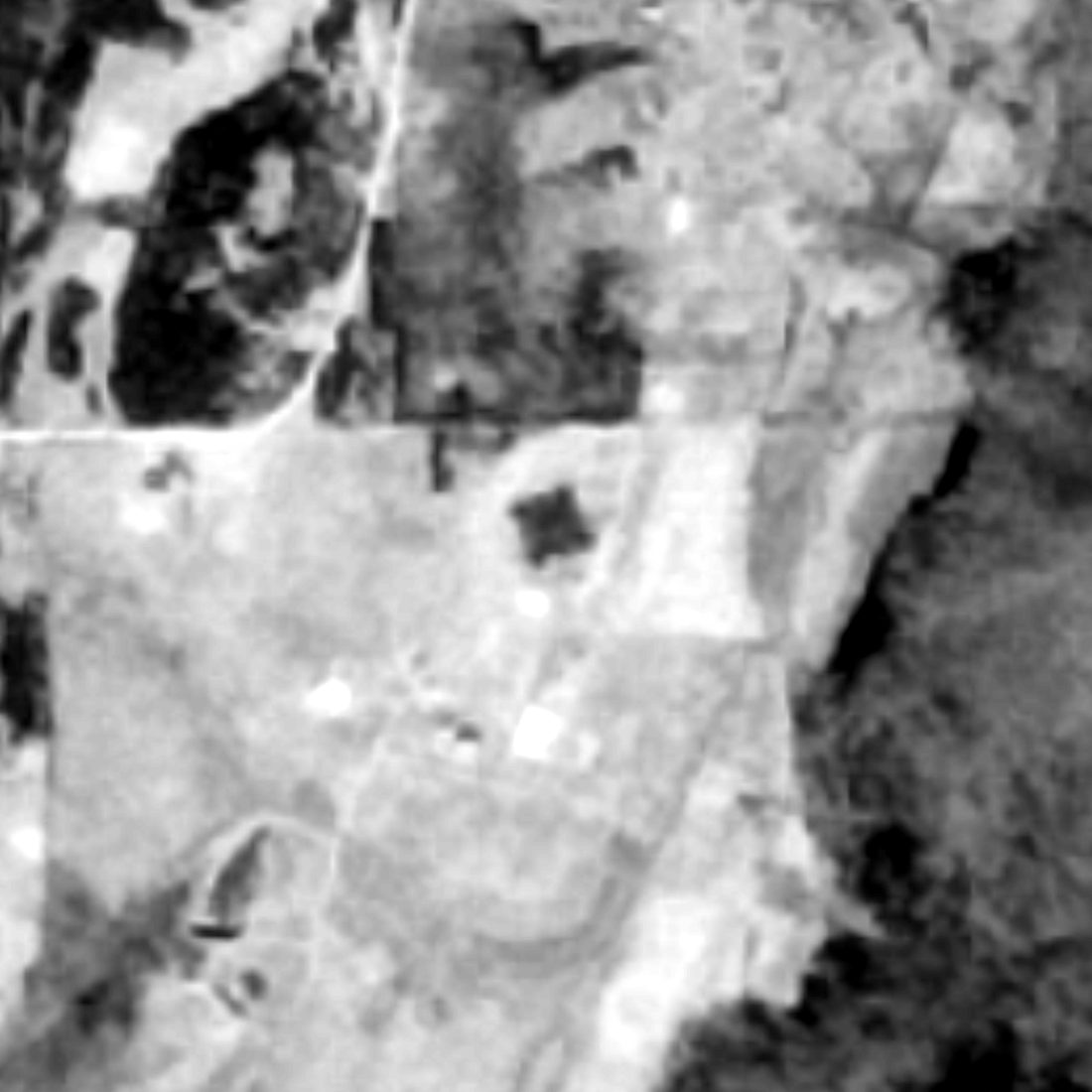
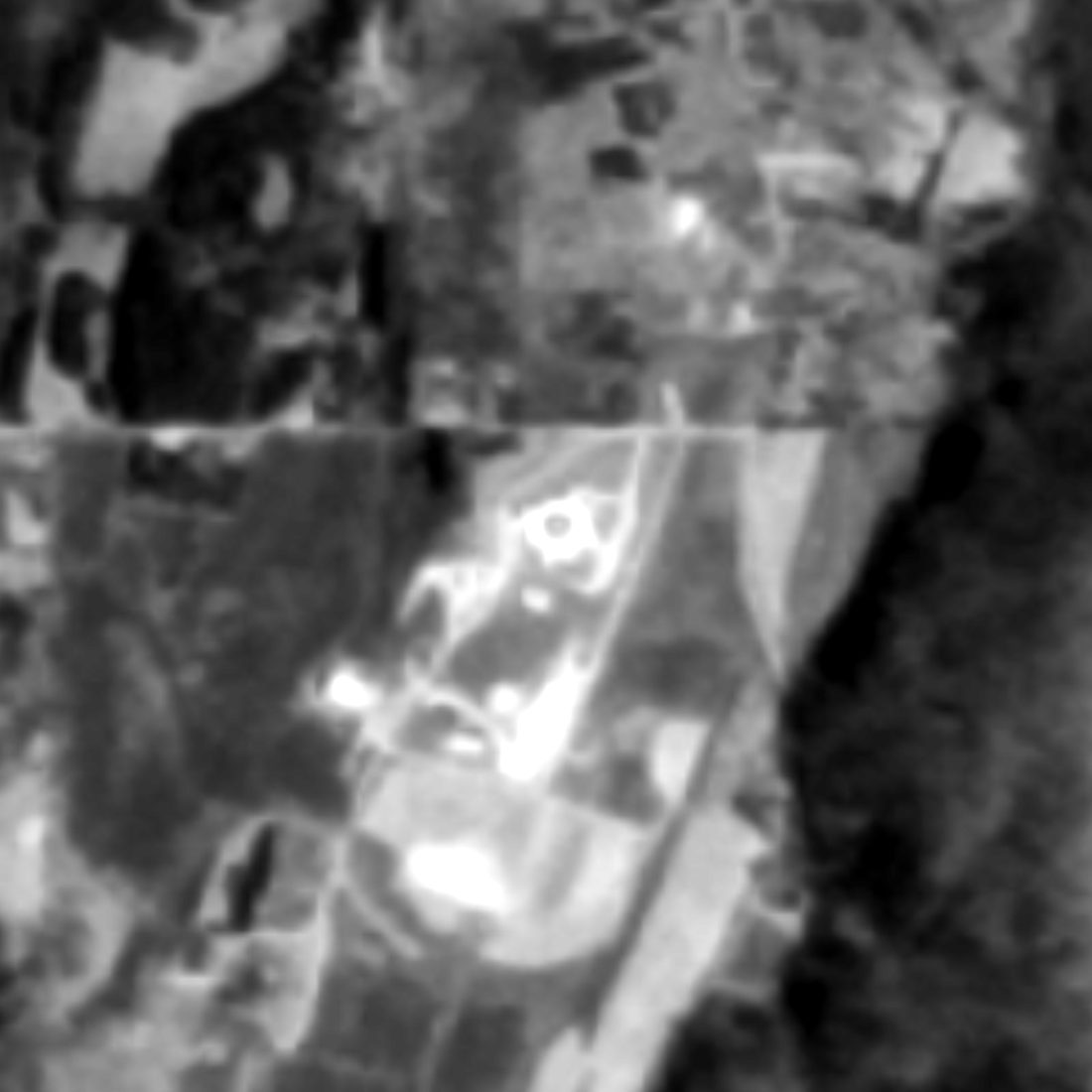

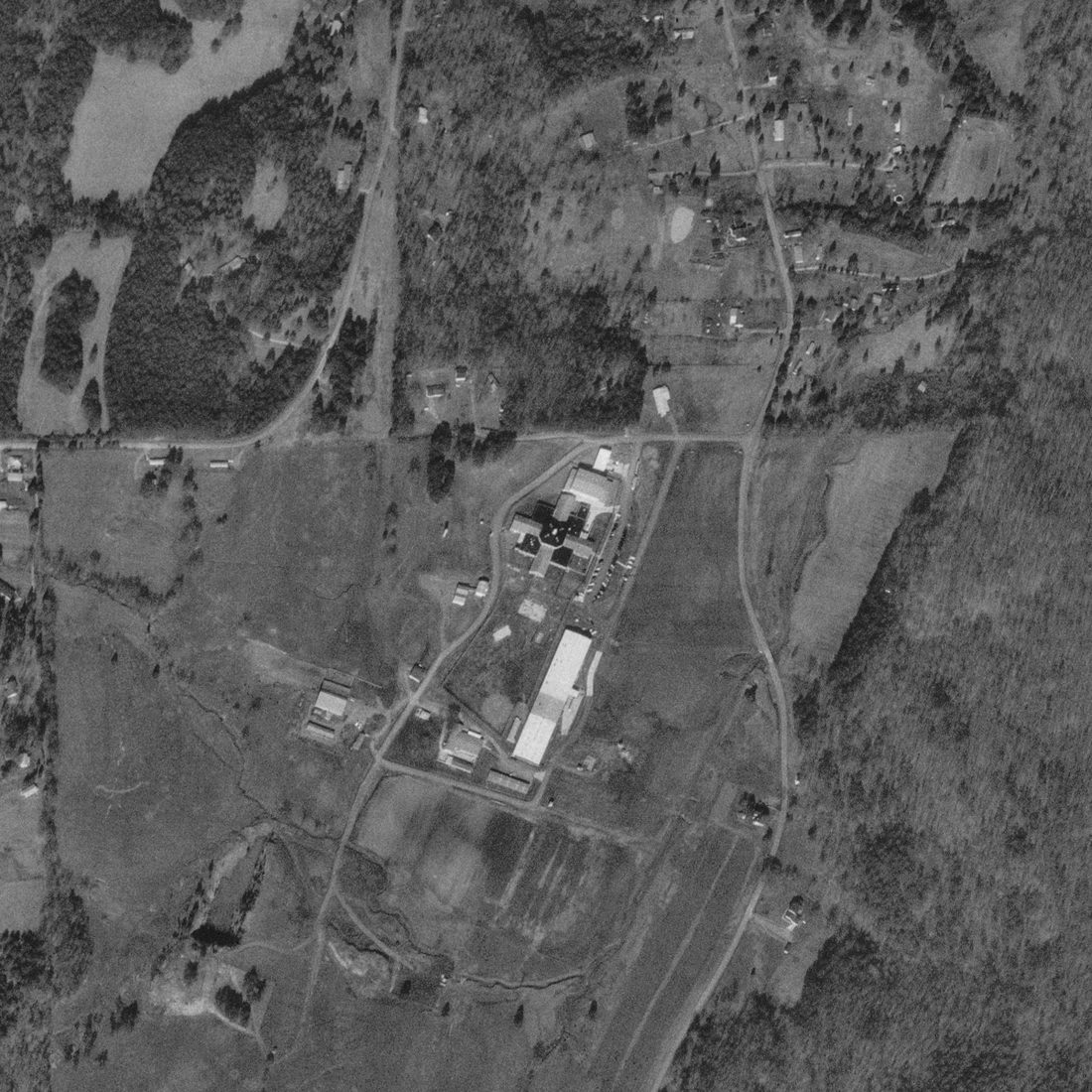
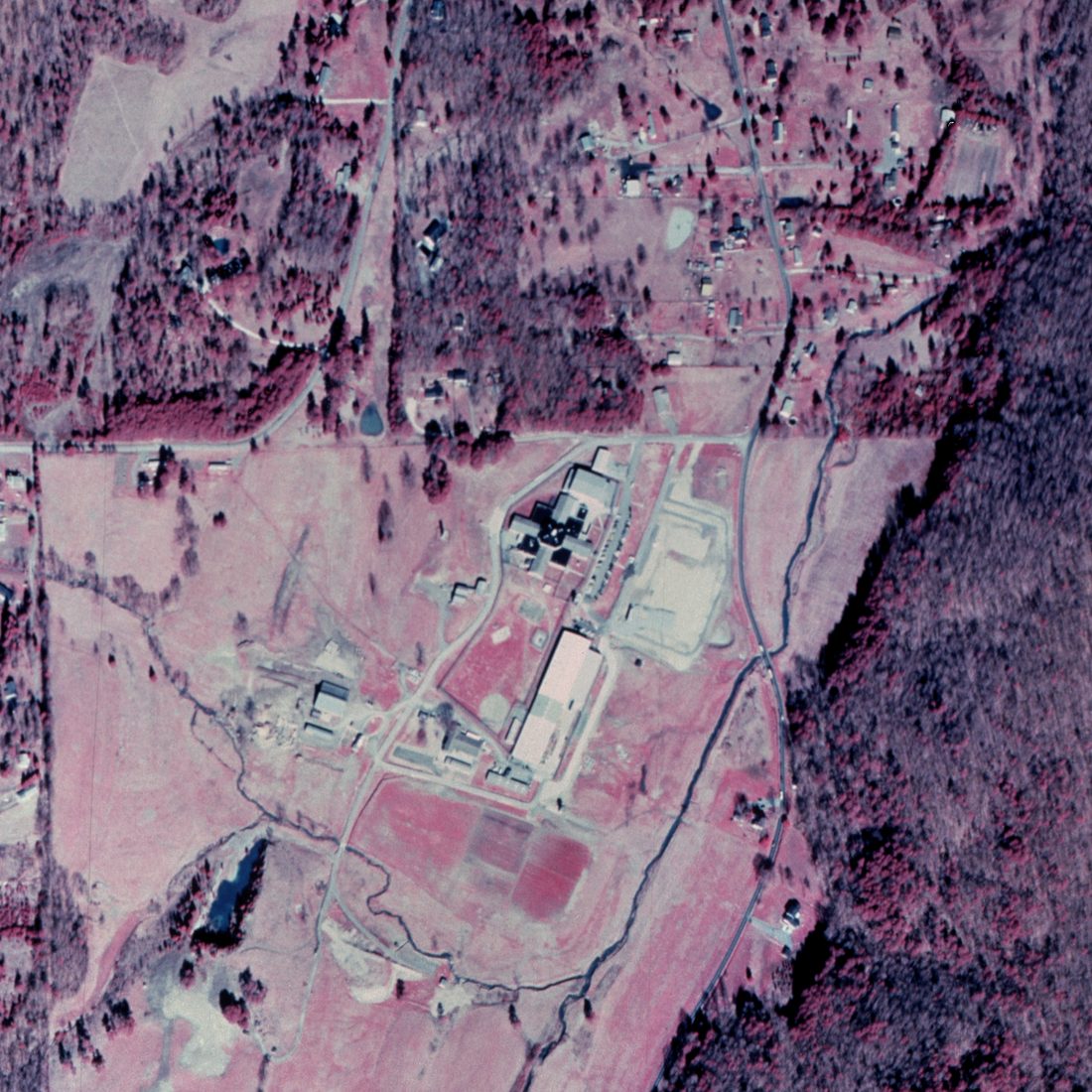
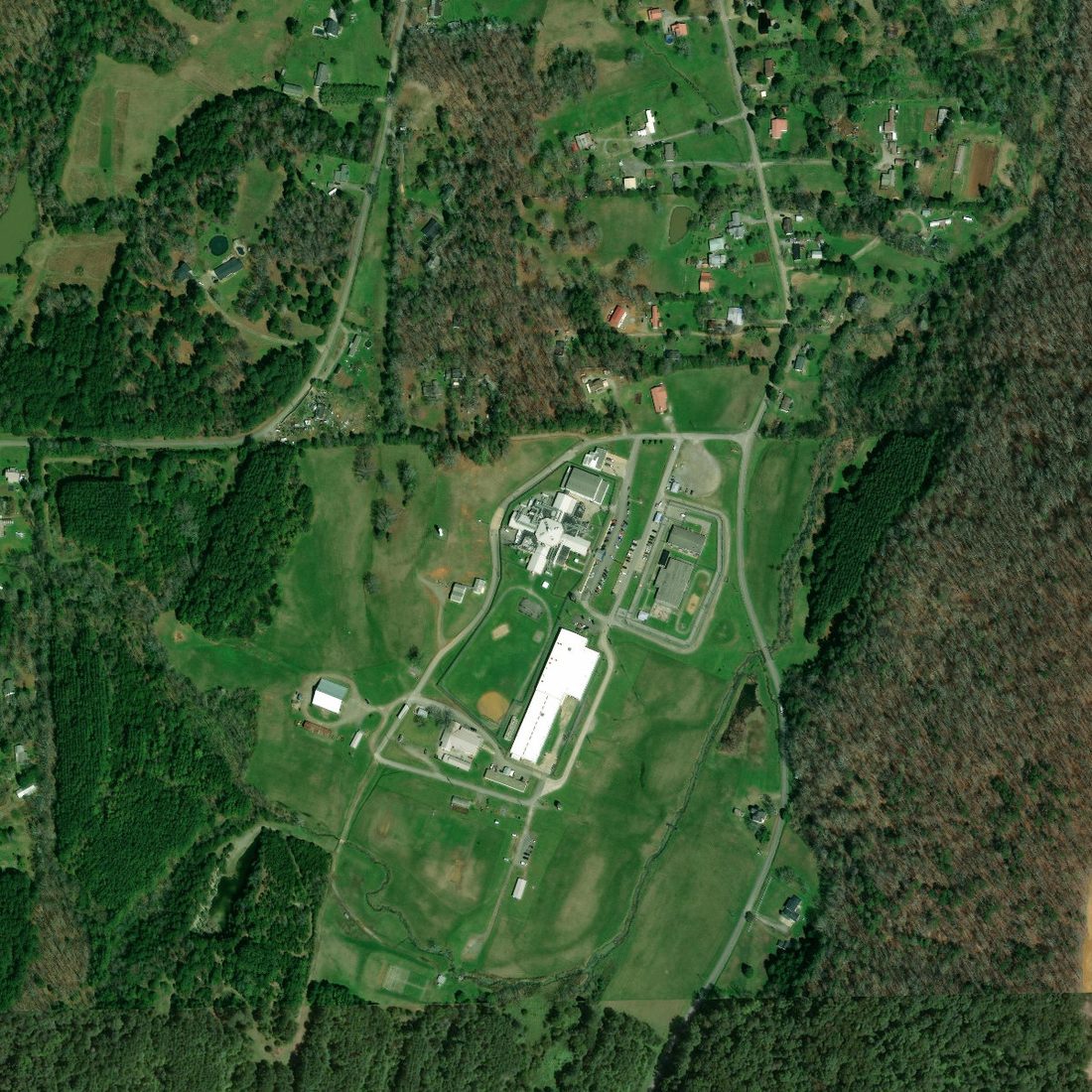
Each photo shows the same 1.2 km square, north up, so buildings line up from one year to the next. The older photos are U.S. Geological Survey aerial photographs. The photos from 1988 and earlier were taken on film and lined up with the later ones by their roads, so their positions are approximate. The early-1980s photos were taken from very high up and are less sharp. Select a photo to see it full size.