Investigations & Analysis
Featured Articles
In-depth reporting on Georgia’s prison crisis — data-driven investigations, policy analysis, and the stories that need to be told.
This searches GPS articles. Looking for something else — a policy, a facility, a statistic? Search all of gps.press.

The Cure Exists: A 41-Year-Old Died of Hepatitis C in a Georgia Prison
Torrey Wayne Forrester died at 41 in a Georgia prison of cirrhosis caused by chronic hepatitis C — a disease curable since 2014. The Justice Department found Georgia treating roughly ten percent of the people it knew were infected. Georgia's own profile shows it has not tested more than half the people in its custody...
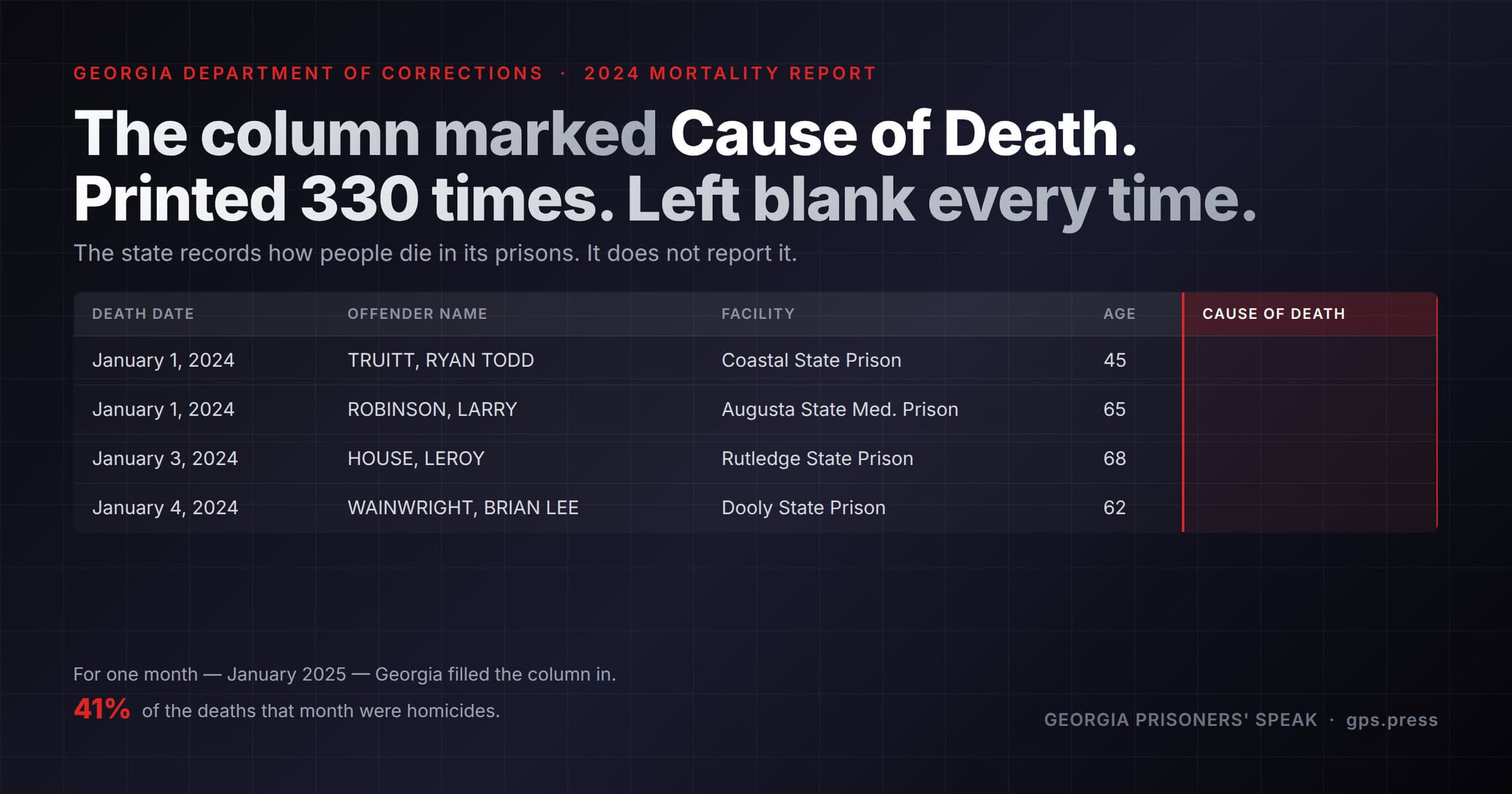
The Empty Column: Georgia Won’t Say How Prisoners Die
Georgia's 2024 prison mortality report has a column headed "Cause of Death." It is empty for all 330 people. For one month in January 2025 the state filled it in — and 41 percent of the deaths were homicides. Then the column disappeared...

Rampant, Yet Compliant: The Paper Trail That Hides Sexual Violence in Georgia’s Prisons
Georgia's prisons have passed 273 straight PREA audits without a single failed standard. The DOJ calls sexual abuse there "rampant." GPS examines 15,542 allegations, a 3.5% substantiation rate, and the story of Ashley Diamond to expose the gap between Georgia's paperwork and its prisons...
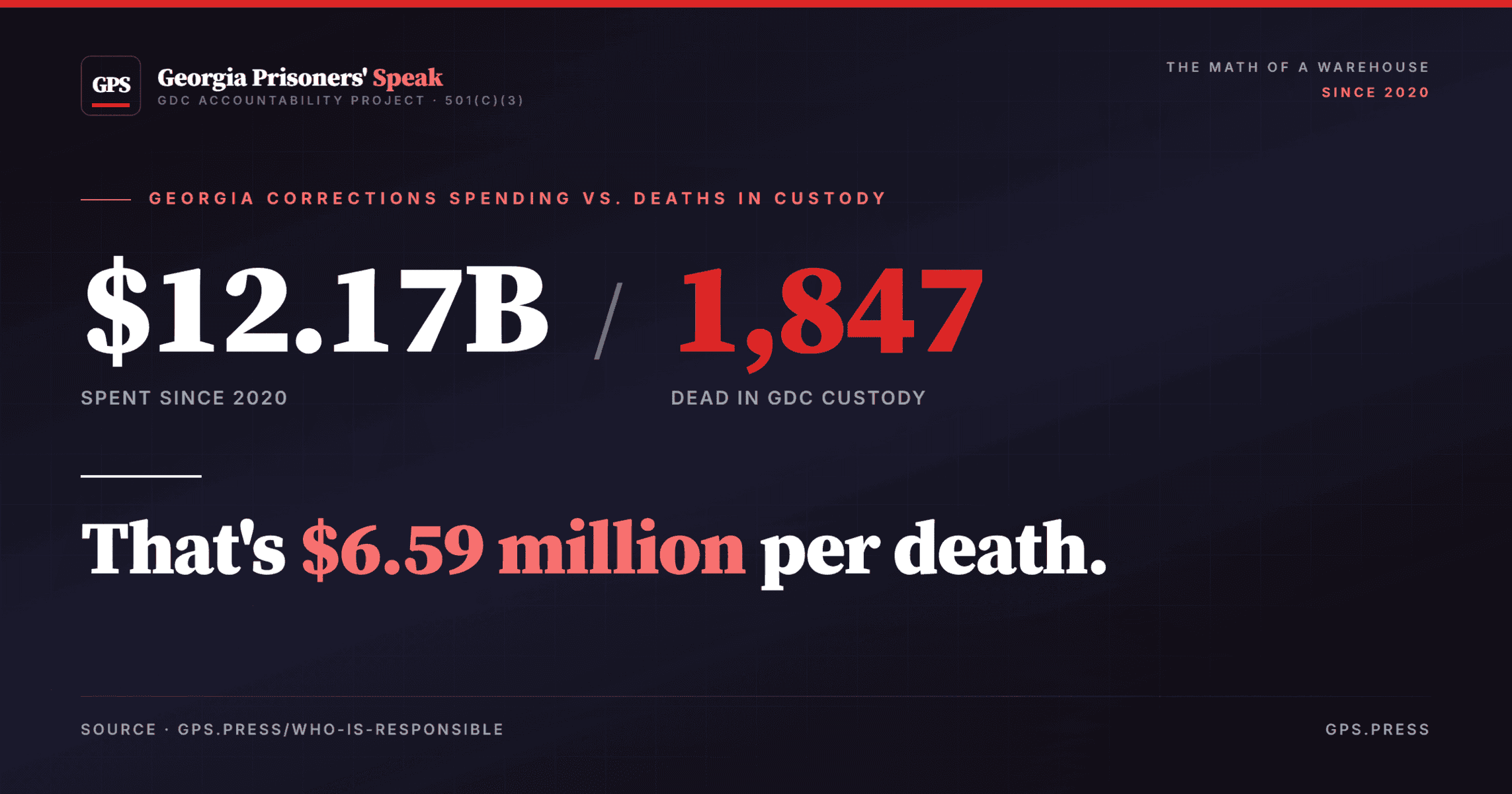
What’s Really Behind Georgia’s Prison Crisis?
Georgia poured $2.4 billion in new money into its prisons since 2021 — on top of $12.2 billion spent since 2020 — and bought the deadliest years in the system's history. Follow the money to see who really built the crisis, and why firing one commissioner fixes nothing...
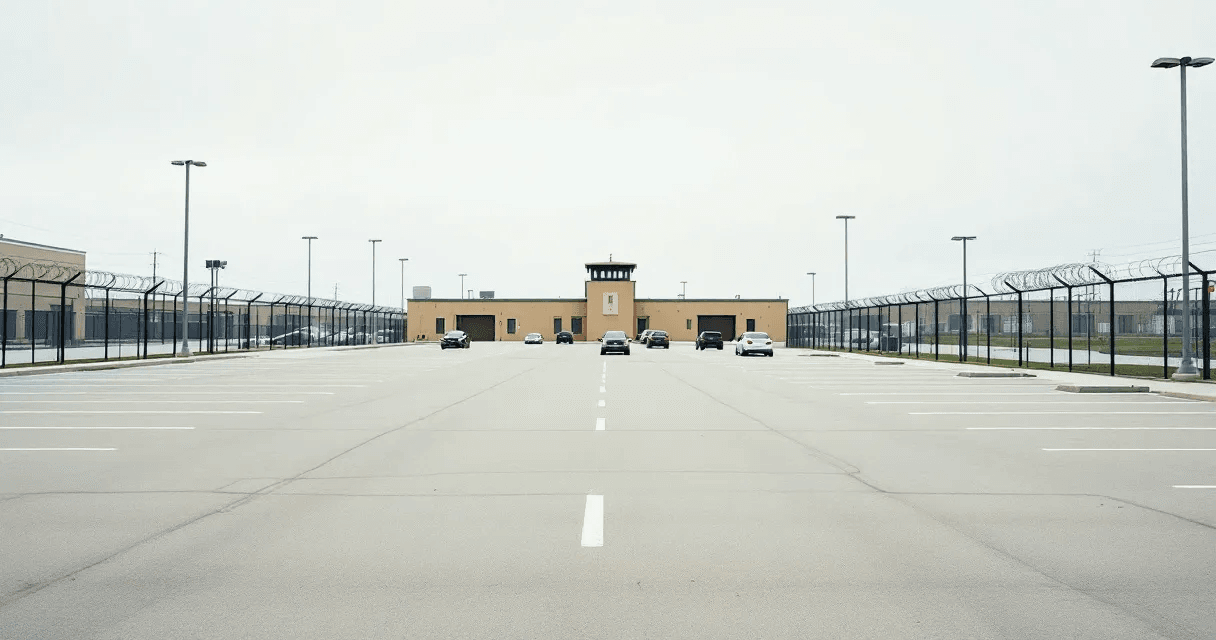
Two Commanders Say Georgia Hides Its Prison Staffing Crisis
Two former GDC commanders — a CERT commander pushed out after a sworn warning, and a deputy warden of security who quit rather than comply — independently say Georgia hides its prison staffing collapse by manipulating the numbers it reports to the public...

The Punishment for Speaking Up in Georgia’s Prisons
In Georgia's prisons, the surest way to become a target is to use the system as designed — file a grievance, sign a lawsuit, report an assault, talk to a lawyer. A review of Georgia Prisoners' Speak's own case files shows retaliation isn't a series of accidents. It is a system, and its purpose is silence...
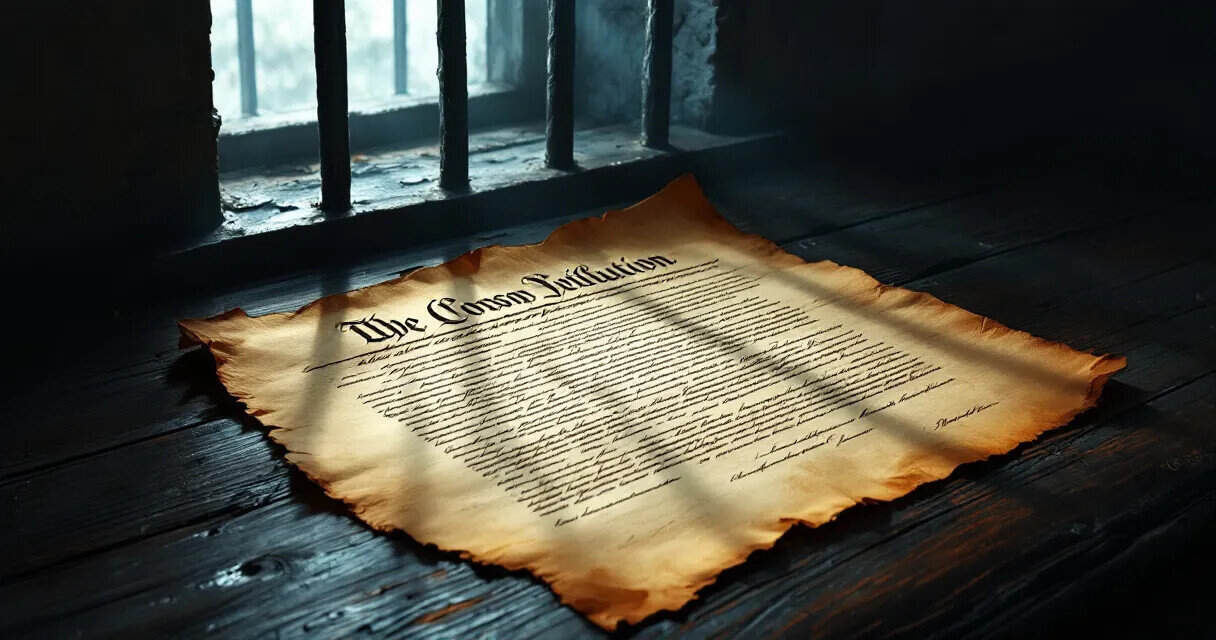
The Abuse Provision: Georgia’s Forgotten Prison Clause
Georgia's constitution contains a clause no other state has: a ban on abusing any person "in being arrested, while under arrest, or in prison." Written by Reconstruction delegates in 1868, cited only ten times since, it may be the most powerful untested legal tool against the prison crisis...

The Crisis Georgia’s Prison Leaders Call ‘Propaganda’
The DOJ found Georgia's prisons unconstitutional. The state's own consultant called it an emergency. A federal judge asked whether the department considers itself above the law. Georgia's corrections leaders had a different word for the crisis: propaganda...
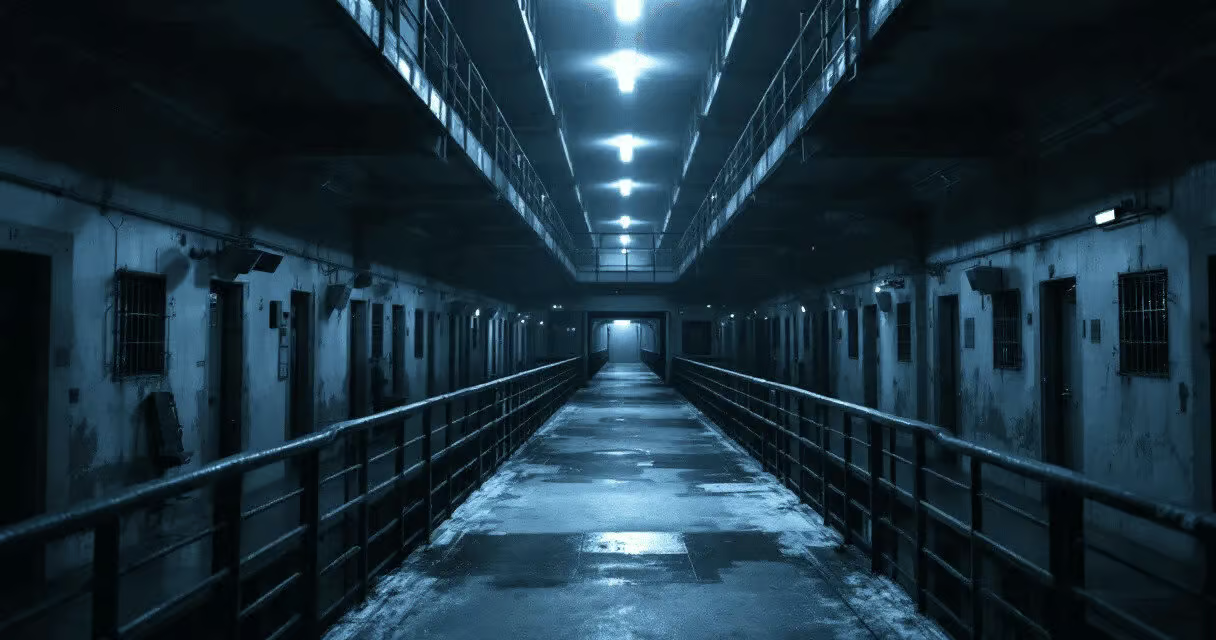
The Georgia Prison Commander Who Warned the State
Tyler Ryals rose to emergency-response commander across three Georgia prisons, then warned leadership in a sworn statement that conditions were unconstitutional. Twelve days later the state marked him "resigned." Two months after that, the DOJ agreed with him...
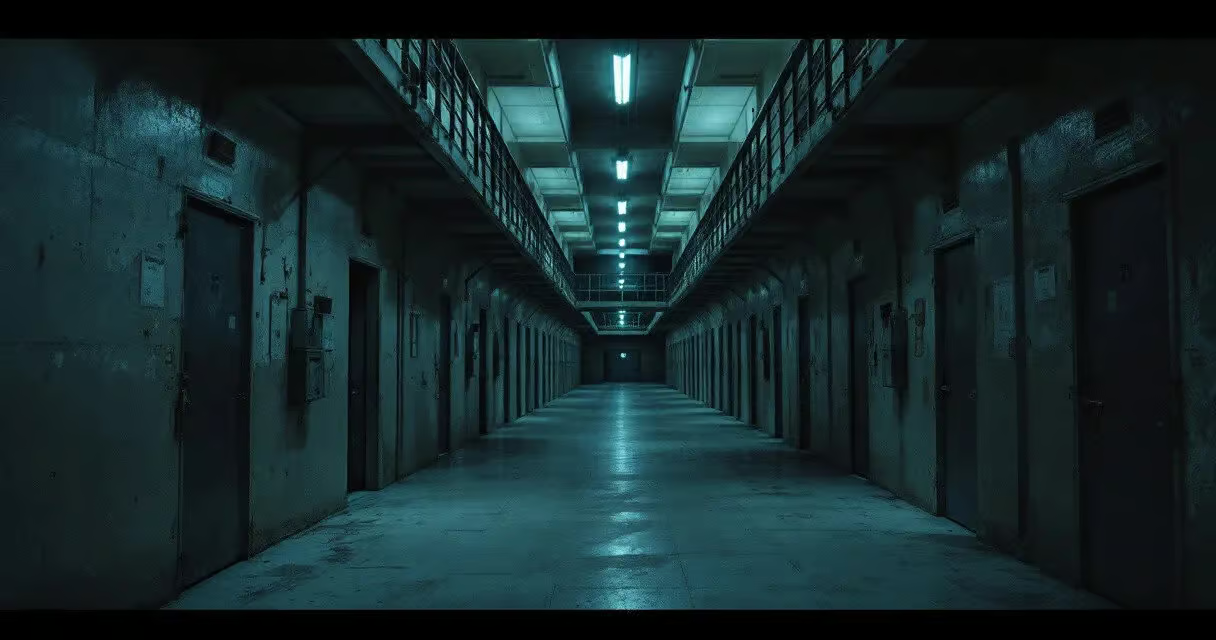
At Least Nineteen: The Murders the State Didn’t Prosecute
At least nineteen men have been killed by other prisoners inside Ware State Prison since 2020. Georgia's own autopsies name a suspect in eleven of the deaths. GPS could find no record that anyone was ever prosecuted...
Have information about conditions inside Georgia’s prisons? Help us investigate.