The Deterrence Myth: Georgia’s Harsh Sentencing Backfired
Georgia’s harsh sentencing experiment failed to deter crime and fueled a deadly prison crisis. Here’s why the deterrence myth collapsed — and what actually works.
Georgia families are spending hundreds each month on commissary, phone calls, and visitation just to keep their loved ones alive. These firsthand testimonies reveal the hidden human cost of Georgia’s predatory prison economy.
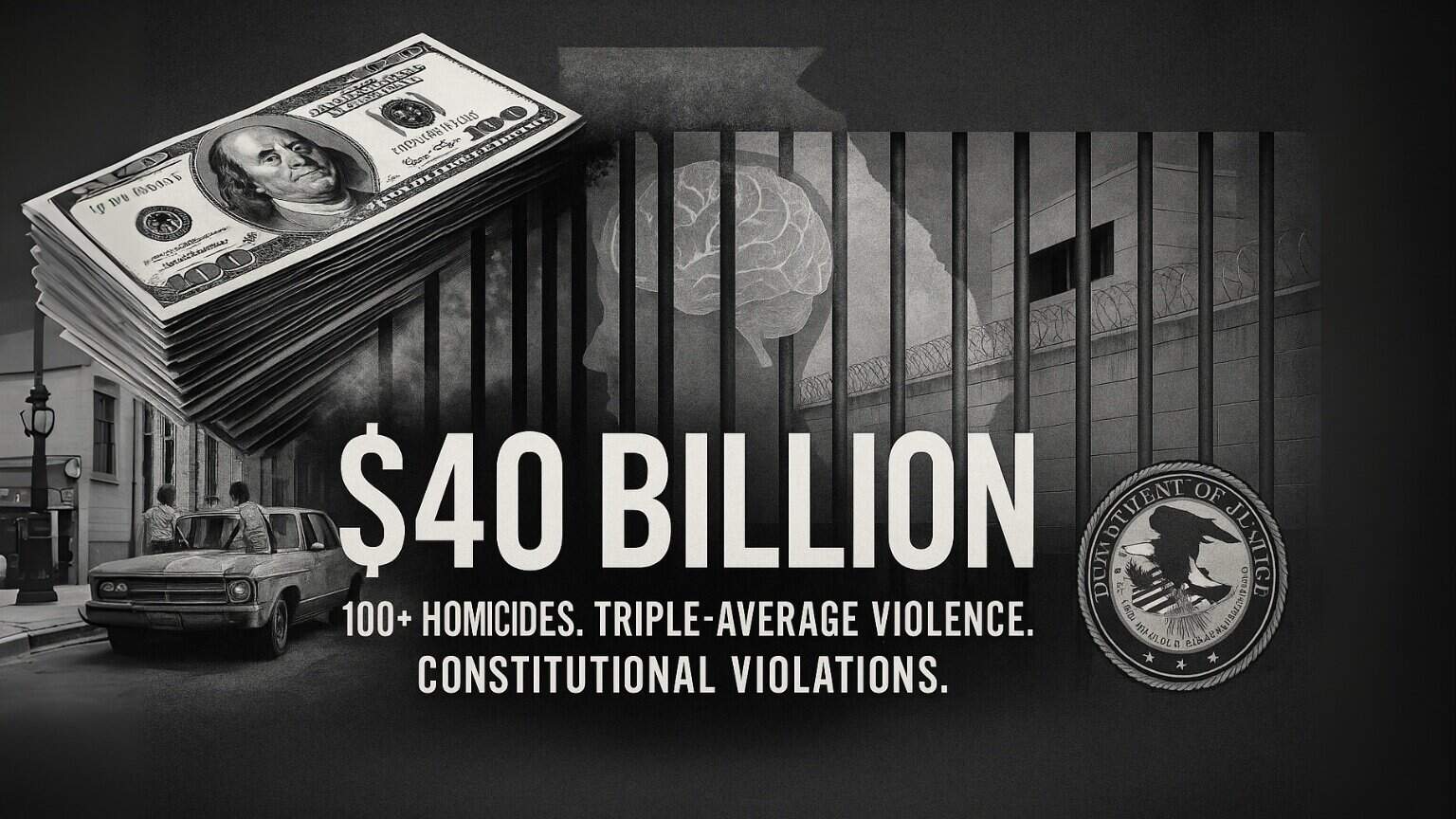
The DOJ documented 142 homicides in Georgia prisons from 2018-2023. GPS documented 100 homicides in 2024 alone—nearly triple the previous year.
This isn’t random violence. It’s the inevitable result of deliberate GDC policy:
→ Zero wages for prisoner labor
→ 1,200 calories/day (half what’s needed)
→ Ramen marked up 350% to $0.90
→ Ibuprofen marked up 1,076% to $4.00
The equation is impossible: You cannot earn money. The food provided cannot sustain life. The prices are unaffordable.
What would you do?
Kitchen workers steal food to survive. Prisoners make alcohol for $150/bottle. Gangs charge $0.90 for shower access. Underground “medics” treat stab wounds to hide violence from guards.
And GDC policy criminalizes ALL of it – even trading soup for clean laundry.
This is forced criminality: survival strategies the state makes mandatory, then punishes.
Read how Georgia’s zero-wage policy creates the violence it claims to address.
Parole was built to manage risk and restore lives. In Georgia, “85% truth in sentencing” turned that safety valve into a death sentence.
Georgia spent $40 billion on Truth in Sentencing laws that academic research proves make prisons deadlier and increase crime. The policies—rooted in the discredited “superpredator” myth and response to lead poisoning the government allowed for 70 years—created what the DOJ calls “among the most severe constitutional violations” nationwide. One hundred homicides occurred in Georgia prisons in 2024 alone. California and Mississippi reformed similar laws and achieved better safety outcomes at lower cost. The evidence for reform is overwhelming. The question is whether Georgia will act.
Georgia has the world’s highest incarceration rate – achieved by systematically criminalizing poverty through cash bail, court fines, and predatory fees.
Boys from Georgia’s poorest families face 20x higher incarceration rates than those from middle and upper-class households.
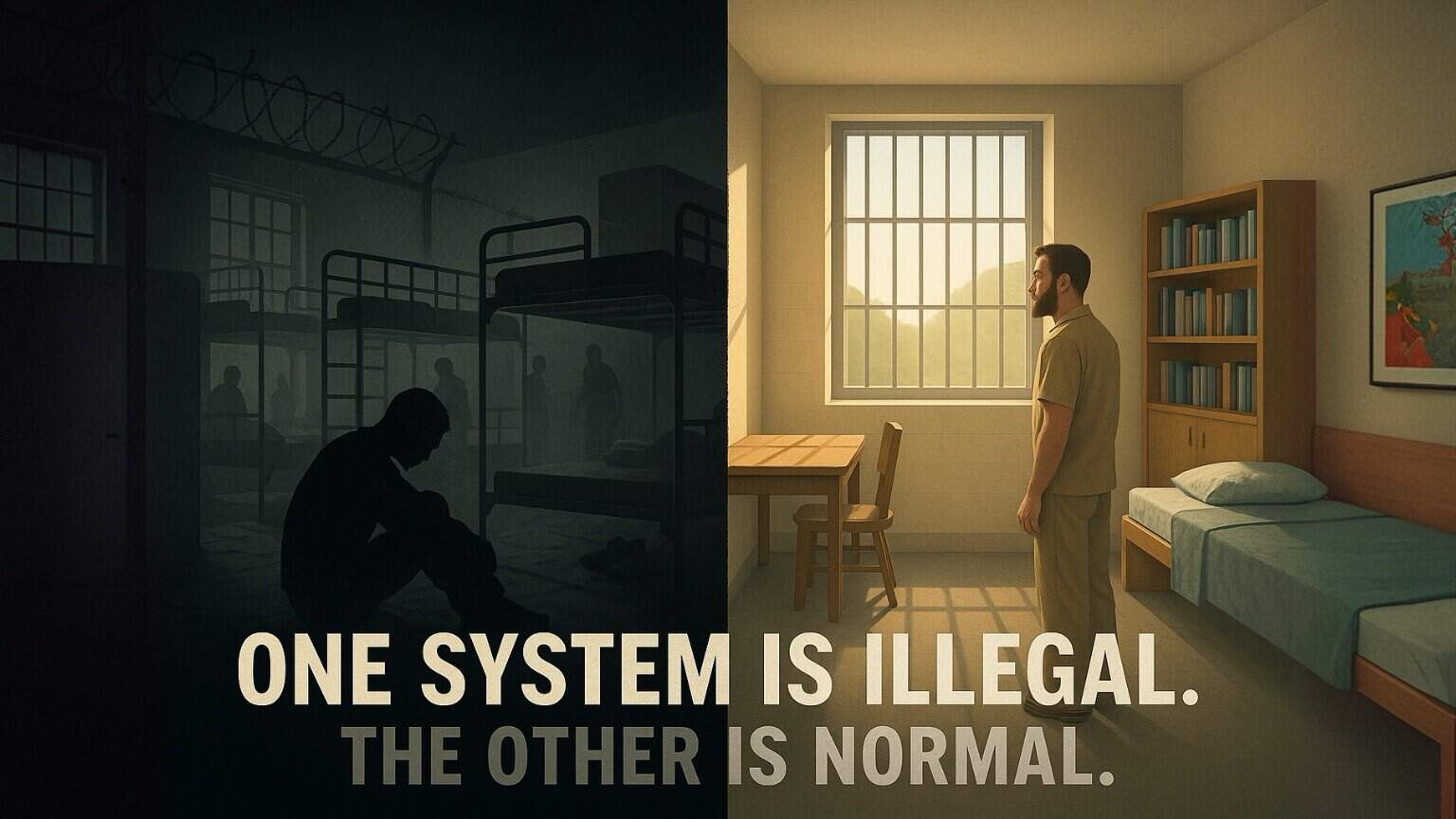
Georgia’s prisons aren’t “broken” — they’re illegal.
The Constitution says the punishment is the loss of liberty, not starvation, violence, neglect, or death.
Yet every day, Georgia piles on punishments no judge ever ordered.
Every other developed nation treats prison as a place for rehabilitation.
Georgia treats it as a dumping ground for suffering.
Normalization is how we realign Georgia with the law, with humanity, and with public safety.
Georgia now faces a choice:
continue running prisons that violate the Constitution, or adopt the normalization model that every safe, sane society already follows.
One path breeds violence.
The other creates redemption.
Only one is legal.

Georgia’s parole system is broken because people have no enforceable right to release — even when they do everything asked of them. Creating a liberty interest in parole would finally bring fairness, transparency, and real hope to thousands of families across our state.
The Georgia Department of Corrections’ own numbers show how medium-security prisons are now functioning like high-security facilities. This table—based on October 27, 2025 data—exposes systemic classification drift that’s fueling Georgia’s deadly prison crisis.