Reopen the Doors — Normalization

Every harm this series documented flows from one choice: Georgia warehouses people instead of preparing them to return. There is a proven alternative — normalization — that is humane, far cheaper, and may be legally required. The finale of End the Warehouse, and the blueprint out.

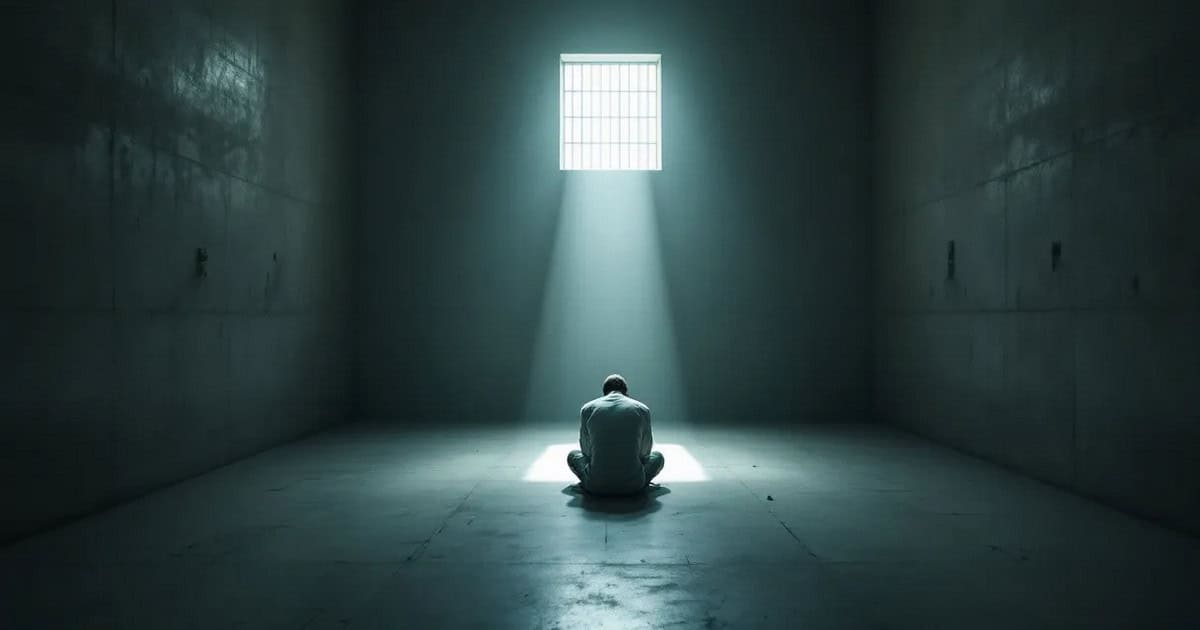
The Existential Vacuum

A person needs a reason to live — Viktor Frankl learned it in the camps. Georgia’s prisons have built an emptiness so total that despair, violence, and addiction are the only things left to fill it. The state cannot hand anyone meaning, but it has bolted shut nearly every door to finding it.

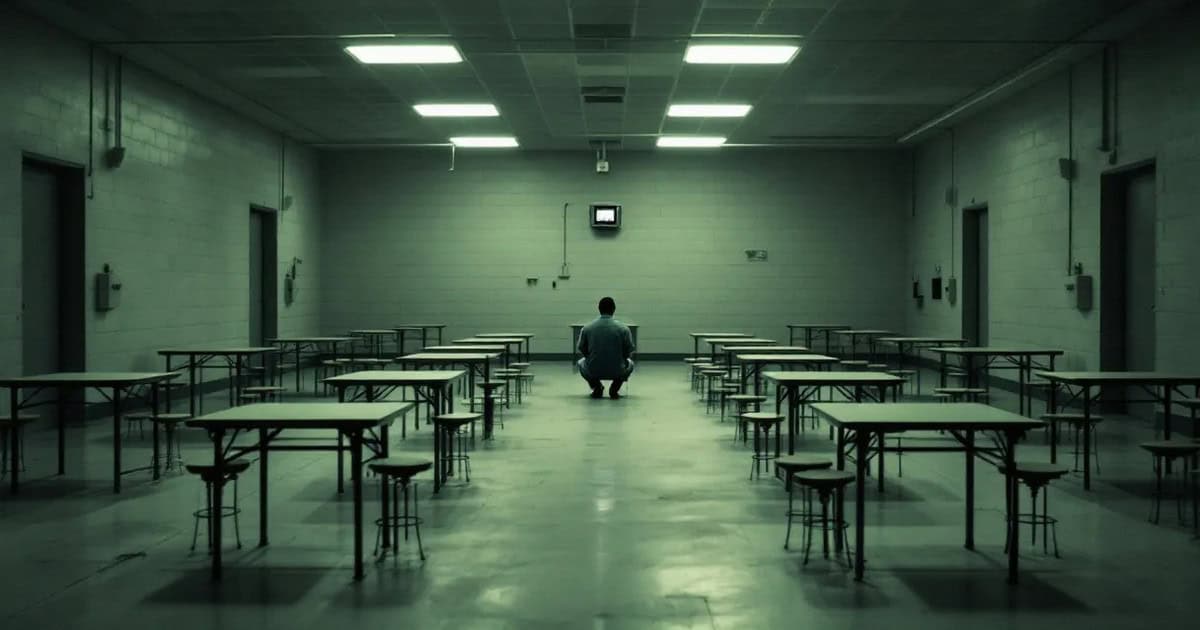
Nothing to Do

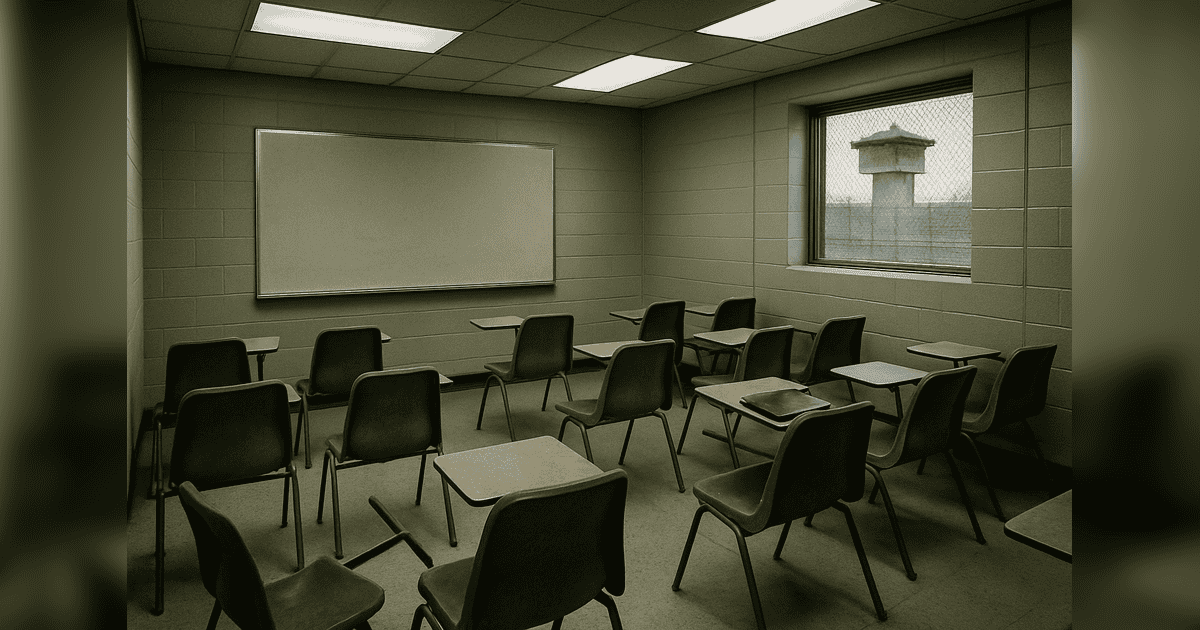
In a typical Georgia prison dorm, one television serves dozens of people and almost no one has work or class. Georgia removed the programs that once kept people occupied — and both the research and the men living it say enforced idleness is precisely how rehabilitation fails.

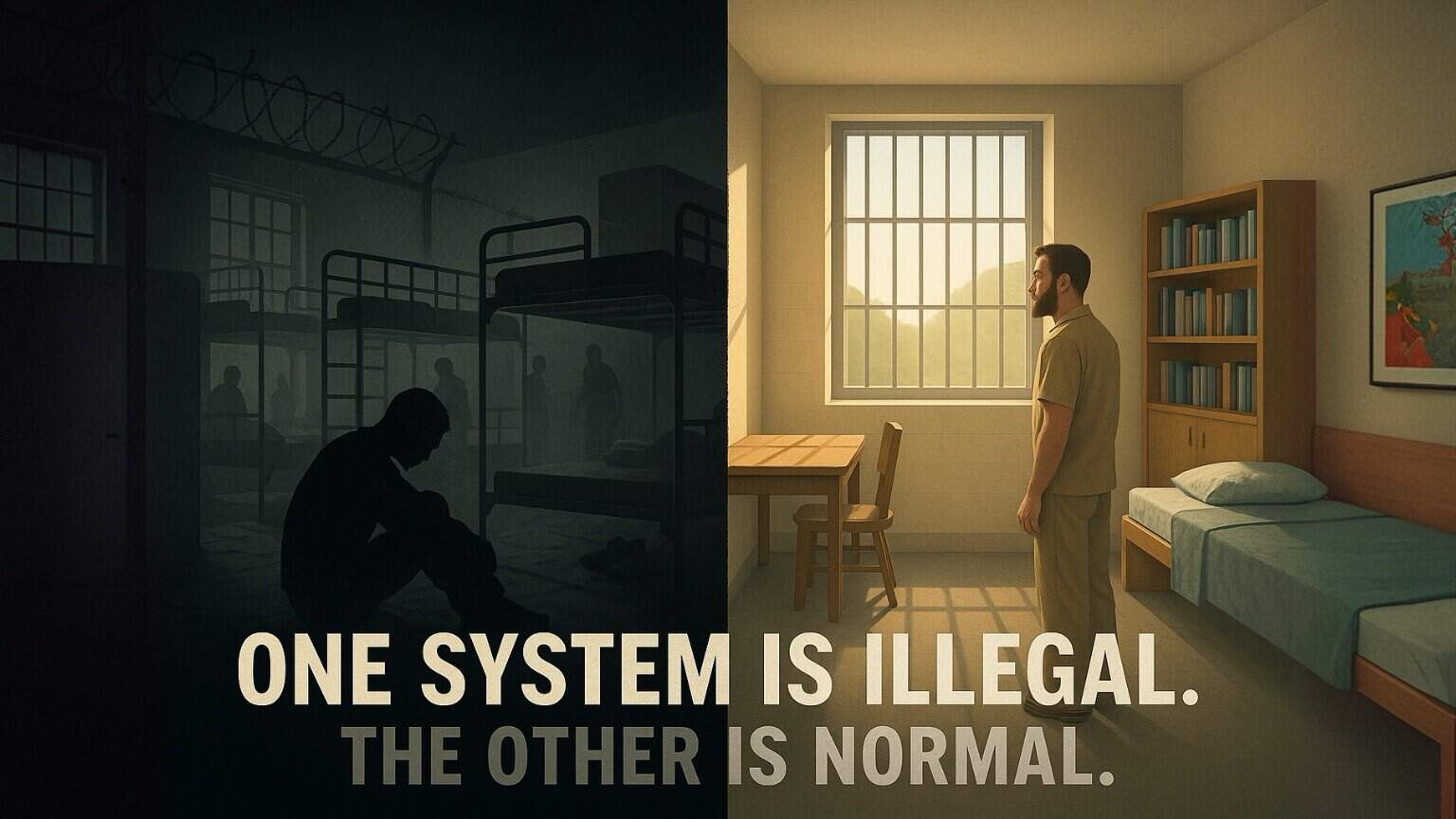
Normalization: The Principle That Changes Everything

Georgia’s prisons aren’t broken—they’re illegal. Learn how the normalization model can end unconstitutional punishment and rebuild safety, dignity, and justice.

Georgia’s prisons aren’t “broken” — they’re illegal.

The Constitution says the punishment is the loss of liberty, not starvation, violence, neglect, or death.
Yet every day, Georgia piles on punishments no judge ever ordered.

Every other developed nation treats prison as a place for rehabilitation.
Georgia treats it as a dumping ground for suffering.

Normalization is how we realign Georgia with the law, with humanity, and with public safety.

Georgia now faces a choice:
continue running prisons that violate the Constitution, or adopt the normalization model that every safe, sane society already follows.

One path breeds violence.
The other creates redemption.
Only one is legal.
Report a Problem