Arrendale State Prison
Facility Information
- Original Design Capacity
- 790
- Bed Capacity
- 1,476 beds
- Current Population
- 396
- Active Lifers
- 4 (1.0% of population) · Oct 2026 GDC report
- Life Without Parole
- 2 (0.5%)
- Address
- 2023 Gainesville Highway, Alto, GA 30510
- Phone
- (706) 776-4700
- Fax
- (706) 776-4710
- Mailing Address
- P.O. Box 709, Alto, GA 30510
- County
- Habersham County
- Opened
- 1926
- Operator
- GDC (Georgia Dept. of Corrections)
Security Classification
Last updated: September 23, 2026
0 of the 12 people held here are classified Close security (0.0%), as of September 23, 2026.
| Security level | People | Share |
|---|---|---|
| Medium | 4 | 33.3% |
| Minimum | 8 | 66.7% |
| Total | 12 |
Earlier count (undated table, produced October 22, 2025): 59 of 873 Close (6.8%).
Source: Georgia Department of Corrections records produced to GPS under the Open Records Act (R031471-090226, R024615-101925). A person's security level is GDC's classification of that person, which can differ from the prison's own designation.
Follow Arrendale State Prison
Leadership & Accountability (as of 2026 records)
Officials currently holding positional authority at this facility, with deaths attributed to GPS-tracked records during their leadership tenure. Inclusion reflects role-based accountability, not legal findings of personal culpability. Death counts shown as facility / career.
| Role | Name | Since | Deaths this facility / career |
|---|---|---|---|
| Deputy Warden of Administration (facility deputy) | Moore, Sheryl A | 2025-11-01 | — / — |
| Deputy Warden of Care and Treatment (facility deputy) | Ballenger, Alex | 2026-07-16 | — / — |
About
Last updated October 18, 2026.(DS)
Arrendale State Prison: Georgia's Women's Prison and the Deaths in A Unit
Lee Arrendale State Prison sits in Alto, in Habersham County — a facility most people in the system simply call "Alto." It opened in 1926, began operating as a prison in 1951, and was converted to an all-female facility in 2005. Today it is Georgia's primary women's prison: a special-mission facility housing adult and juvenile female felons, including the state's female death-row unit. Housing is primarily dormitory-style with a medical unit, and the prison runs GED and other academic programs, vocational training, substance-abuse treatment, and specialized details such as canine and fire-station programs. Its original design capacity was 790; its current rated capacity is 1,476.
What follows traces the record GPS has assembled on Arrendale: a mortality registry that now runs to 25 deaths since 2020, a cluster of homicides inside the prison's mental-health unit, a series of state liability settlements, staff arrests for sexual contact with prisoners, and a documented pattern of women afraid to report medical neglect. The threads converge on a single question — what happens to the women Georgia sends to Alto.
Twenty-Five Deaths Since 2020
GPS's mortality registry records 25 deaths at Arrendale State Prison since January 1, 2020 — a figure that is a floor, not a ceiling, because GDC reports deaths roughly two months late. Of those, ten are coded Natural/Medical, nine Unknown/Pending, four Homicide, one Suicide, and one Other. System-wide, GPS has independently tracked 1,918 deaths in GDC custody since 2020.
The registry names each of the dead. Shauntrice Murray died June 12, 2020, at Arrendale; GPS's registry lists the cause as Natural/Medical. Lisa J Mitchell died January 9, 2021, at Arrendale; the registry lists Suicide. Jeannie Frances Smith died April 6, 2021, at Arrendale, Natural/Medical; Diana Gianaras died April 11, 2021, Natural/Medical; Maggie Bates died May 24, 2021, Natural/Medical; Davida Anderson died September 4, 2021, Natural/Medical. Natasha Arnold died October 18, 2021, at Arrendale; the registry lists the cause as Other.
Lisa Ann Lebis died January 15, 2022, at Arrendale, Natural/Medical; Cheryl Ann Snover died March 17, 2022, Unknown/Pending; Amberly Dawn Stockton died May 20, 2022, Natural/Medical; Angela Denise Anderson died September 11, 2022, Homicide; Bobbi Lynn Smith died December 20, 2022, Natural/Medical. Ruby Anne Evans died March 6, 2023, Natural/Medical; Sharon Denise Wimberly died June 25, 2023, Natural/Medical; Monica Sanders Robinson died August 30, 2023, Unknown/Pending.
Sherry Elaine Joyce died April 27, 2024, Homicide; Hallie Marie Reed died May 5, 2024, Homicide; Lauri Parker died September 12, 2024, Unknown/Pending; Amie Rodriguez died September 13, 2024, Unknown/Pending. Jennifer Lee Mansour died May 29, 2025, Unknown/Pending; Brenda Lee Evans died July 7, 2025, Unknown/Pending; Sheqweetta Vaughan died July 9, 2025, Unknown/Pending; Nakisha Evonne Bailey died September 11, 2025, Unknown/Pending; Jodie L Turner died September 13, 2025, Homicide; and Jessica Renee Elliott died September 25, 2025, Unknown/Pending. Where the registry shows Unknown/Pending, GPS does not yet know the cause.
Three Women Strangled in A Unit
The four homicides in the registry are not scattered across the compound. Three of them — Sherry Joyce, Hallie Reed, and Angela Anderson — were women strangled in A Unit, the prison's mental-health unit. GPS has documented the three deaths between 2022 and 2024, a figure that exceeds the entire BJS-recorded national women-in-state-prison homicide total across 2001–2019.
The Atlanta Journal-Constitution reported the specifics. Angela Anderson, 39, was strangled to death in A Unit in September 2022; the registry records her death on September 11, 2022, from asphyxia due to neck and chest compression. Fellow inmate Leticia Land, 41, was arrested in connection with the strangling, but court records showed she had not yet been indicted, the AJC reported.
Sherry Joyce, 61, was allegedly strangled to death on April 27, 2024, in A Unit, and Hallie Reed, 23, was allegedly strangled on May 5, 2024 — eight days after Joyce's death — in the same unit. Arrest warrants in both cases allege fellow inmate Jeanni Geuea was responsible, according to the AJC. In October 2024, another prisoner was charged in the deaths of both Joyce and Reed. The AJC also reported that five women were arrested on charges of inciting a riot at Arrendale in early 2025.
Sheqweetta Vaughan and the Failure to Monitor
Sheqweetta Vaughan, 32, died at Arrendale on July 9, 2025 — six months after giving birth — and her body was found decomposing in a hot cell, the Atlanta Journal-Constitution reported. The AJC's account indicates potential neglect or failure to monitor inmates. GPS's registry lists her cause as Unknown/Pending.
GPS's own reporting describes accounts that Vaughan had given birth in January 2025 and was reportedly battling postpartum depression, a condition requiring mental-health support, medical oversight, and regular monitoring. The circumstances of her death — a body found decomposing before staff discovered her — are the kind of failure that GPS has received recurring reports of at Arrendale, where incarcerated women describe hesitating to report medical neglect for fear of solitary confinement, lost privileges, or retaliation.
Settlements, Staff Arrests, and the Reporting Gap
Georgia's open-records settlement ledger records three liability payouts tied to Arrendale. A $1,500,000 settlement was paid in the case of Agnes Bohannon (incident 2019); $700,000 in the case of Avis McNeil (incident 2015); and $1,500,000 in the case of Mollianne Elizabeth Fischer (incident 2014). Together the three payouts exceed $3.7 million.
The staff record is its own thread. GPS has documented at least four staff arrests for sexual assault since 2020 at Lee Arrendale, including the November 2024 Cameron Cheeks plea — a hire-fire-rehire case GPS treats as an artifact of the system's staffing and hiring-standards collapse. The AJC reported that Lieutenant Russell Edwin Clark was arrested on May 1, 2024, for sexual contact with a prisoner at Arrendale; he was booked into the Habersham County jail early the next day, with bond set at $5,600.
GPS treats sexual violence in GDC facilities as systemic. The October 2024 DOJ findings letter concluded that sexual assault is "rampant" and that GDC does not reasonably protect incarcerated people, including LGBTI individuals, from sexual harm. Of 456 sexual-abuse allegations recorded in 2022, only 35 were substantiated — 7.7% — and GDC's own consultants, PREA Auditors of America, reviewed 388 PREA investigation files in May 2022 and found that not one met the law's standards. Georgia has never submitted a PREA certification of full compliance to the U.S. Department of Justice in the law's two-decade history.
The AJC also reported that in 2021, citing security concerns, the GDC blocked state lawmakers from entering Arrendale as they investigated allegations of inhumane treatment, inadequate medical care, and deaths of women incarcerated there. That same year, Michael Lewis — convicted of malice murder in November 1997 after a jury deliberated 90 minutes, and sentenced as an adult to life — had been sent to Lee Arrendale at age 14, the AJC reported.
Sanitation Scores and the Contradiction Beneath Them
The Georgia Department of Public Health's food-safety inspections of Arrendale return high marks. On April 1, 2025, the facility received a score of 100 (Grade A) on one routine inspection and 92 (Grade A) on another, the latter citing two violations including food-contact surfaces not cleaned and sanitized. On July 18, 2023, it scored 98 (Grade A) with one violation for plumbing and backflow devices, and 93 (Grade A) with three violations covering warewashing facilities, plumbing, and the presence of insects, rodents, and animals.
GPS has documented a systemic pattern in which DPH scores fail to capture food-service sanitation failure across GDC kitchens — tray-sanitizing dishwashers broken for sustained periods, roach and rodent infestation in kitchen and serving areas, and meals served on visibly contaminated trays. The pattern is hidden from DPH scores, GPS's reporting holds, because inspections are scheduled walkthroughs that do not assess equipment under load. The contradiction between high scores and sustained witness accounts is the analytical center of GPS's investigation "Dunked, Stacked, and Served." GDC spends approximately $1.69 per person per day on food (2024) and has proposed $1.60 per day in FY27 — under 60 cents per meal — against the FDA Thrifty Food Plan estimate of roughly $10 per day for an adult's nutritionally adequate diet.
A Firsthand Account of Alto
A Tell My Story narrative published by Georgia Prisoners' Speak gives a rare inside view of the facility in the 1990s. The author, writing under the name Amismafreedom, describes being locked up at Lee Arrendale from 1991 to 1995 — "most people call it Alto" — and calls the place "survival of the fittest." At Alto, the author writes, "all movement was under the escort of a correctional officer. And there were no flowers to be seen." The account describes a code in which white prisoners were "preyed upon" and did not keep their own commissary, and describes officers who were "hands on" — using physical violence "when necessary, and some time when it wasn't necessary, to assert authority." The author names one lieutenant, Ford, who "carried a nightstick that was about as long as a broomstick, and he would use it."
Leadership and the Structural Picture
Arrendale's current leadership roster lists two deputies: Sheryl A. Moore, Deputy Warden of Administration, since November 1, 2025, and Alex Ballenger, Deputy Warden of Care and Treatment, since July 16, 2026. GPS holds no warden on record for the facility.
The broader structural findings GPS has documented bear directly on what happens at Alto. Officer vacancies in Georgia's prisons have run between 49.3% and 60% systemwide for multiple years, against a national standard of no more than 10%; the hiring pipeline cannot close the gap, with an acceptance rate under 15% and 82.7% of new hires leaving in their first year, and Georgia ranks last of 50 states for correctional-officer pay. The October 2024 DOJ findings letter concluded that "the leadership of the Georgia Department of Corrections has lost control of its facilities" and faulted GDC for placing "too much blame on gangs and insufficient emphasis on understaffing." GPS treats infrastructure collapse as a force multiplier for the violence, classification, and mortality crises documented at the facility level — most GDC facilities are 30–40+ years old, with documented patterns of deferred maintenance.
Sources
This analysis draws on reporting from the Atlanta Journal-Constitution; Georgia Department of Public Health food-safety inspection records; the Georgia Department of Administrative Services Risk Management settlement ledger obtained through open records; the October 2024 U.S. Department of Justice findings letter on Georgia prisons; GPS's own mortality registry and facility records; and a firsthand Tell My Story narrative published by Georgia Prisoners' Speak.
Special Designations
- Death Row
Mortality Statistics
25 deaths documented at this facility from 2020 to present.
Deaths by Year
- 2026: 0
- 2025: 6
- 2024: 4
- 2023: 3
- 2022: 5
- 2021: 6
- 2020: 1
County Public Health Department
Food service and sanitation at Arrendale State Prison fall under the jurisdiction of the Habersham County Environmental Health Department. Incarcerated people cannot choose where they eat — public health inspectors carry an elevated responsibility to hold this kitchen to the same standards applied to any restaurant.
Contact
- Title
- EH Manager
- Name
- Marcus Hall
- Address
-
130 Jacob's Way, Suite 102
Clarkesville, GA 30523 - Phone
- (706) 776-7659
- habershameh@dph.ga.gov
- Website
- Visit department website →
Why this matters
GPS has documented black mold on chow-hall ceilings, cold and contaminated trays, spoiled milk, and pest contamination at Georgia prisons. The Department of Justice's 2024 report confirmed deaths from dehydration and untreated diabetes tied to food and water deprivation. Advance-notice inspections let facilities stage temporary fixes that disappear once inspectors leave.
Unannounced inspections by the county health department are one of the few outside checks on kitchen conditions behind the fence.
How you can help
Write to the county inspector and request an unannounced inspection of the kitchen and food service operation at this facility. A short, respectful letter citing Georgia food-safety regulations is more powerful than you think — inspectors respond to public concern.
Sample Letter
This is the letter Georgia Prisoners' Speak mailed to all county environmental health inspectors responsible for GDC facilities. Feel free to adapt it.
October 24, 2026
RE: Request for Unannounced Public Health Inspection of Food Service Operations at Arrendale State Prison
Dear Marcus Hall,
I am writing to respectfully request that your office conduct a thorough, unannounced inspection of food service and sanitation practices at Arrendale State Prison, located in Habersham County.
Documented concerns
Georgia Prisoners' Speak, a 501(c)(3) nonprofit investigative newsroom, has published extensive investigative reporting on food safety and nutrition failures across Georgia's prison system, including:
- Dangerous sanitation conditions — black mold on chow hall ceilings and air vents, contaminated food trays, and spoiled milk served to inmates.
- Severe nutritional deficiency — roughly 60 cents per meal; inmates receive only 40% of required protein and less than one serving of vegetables per day.
- Preventable deaths — the U.S. Department of Justice's 2024 report confirmed deaths from dehydration, renal failure, and untreated diabetes following food and water deprivation.
- Staged compliance — advance-notice inspections allow facilities to stage temporary improvements, then revert once inspectors leave.
Firsthand testimony
In Surviving on Scraps: Ten Years of Prison Food in Georgia, a person who has spent more than ten years in GDC custody describes no functional dishwashing sanitation, chronic mold on food trays, and roaches found on the undersides of trays at intake facilities. Full account: gps.press/surviving-on-scraps-ten-years-of-prison-food-in-georgia.
Specific requests
- Conduct an unannounced inspection of the kitchen and food service operations at this facility, with particular attention to dishwashing equipment, tray sanitation procedures, and food storage conditions.
- Evaluate compliance with applicable Georgia food safety regulations, including O.C.G.A. § 26-2-370 and the Georgia Food Service Rules and Regulations (Chapter 511-6-1).
- Verify permit status and confirm whether the facility is subject to the same inspection schedule as other institutional food service establishments in the county.
- Make inspection results available to the public, as permitted under Georgia's Open Records Act (O.C.G.A. § 50-18-70).
Incarcerated individuals cannot advocate for their own health and safety in the way a restaurant patron can — they cannot choose to eat elsewhere. This places an elevated responsibility on public health officials to ensure these facilities meet the same sanitation standards applied to any food service establishment.
Thank you for your attention to this important public health matter.
Sincerely,
[Your name]
Food Safety Inspections
Georgia Department of Public Health
What the score doesn't measure. DPH grades kitchen compliance on inspection day — food storage, temperatures, pest control. It does not grade whether today's trays are clean. GPS reporting has found broken dishwashers at most Georgia state prisons we've documented; trays go out wet, stacked, and visibly moldy — including at facilities with recent scores near 100.
Who inspects. Most Georgia state prisons sit in rural counties — often with fewer than 20,000 people, several with fewer than 10,000. The environmental health inspector lives in that community and often knows the kitchen staff personally. Rural inspection regimes don't have the structural independence you'd expect in a city-sized health department. Read the scores accordingly.
Read the investigation: “Dunked, Stacked and Served: Why Georgia Prison Trays Are Making People Sick”
Recent inspections
| Date | Score | Purpose | |
|---|---|---|---|
| Apr 1, 2025 | 92 | Routine | |
| Jul 18, 2023 | 93 | Routine |
April 1, 2025 — Score 92
Routine · Inspector: Marcus Hall
| Code | Violation | Pts | Inspector notes |
|---|---|---|---|
| 2A |
pic present, demonstrates knowledge, performs duties 511-6-1.03(2)(a)-(n)(p),(q) - responsibility of pic (pf) | 4 | Observed staff utilizing improper sanitization methods; multiple attempts in obtaining concentration strength for Quaternary Ammonium solution, however staff nor PIC were able to provide testing kit to measure solution concentration; further investigation revealed that staff had been supplied with Latic acid testing strips for Quaternary Ammonium solution; PIC was advised to contact supplier and request the appropriate testing kit for sanitizing solution used within the facility; advised PIC to ensure staff was trained on how to prepare solution correctly. |
| 2B |
food-contact surfaces: cleaned & sanitized 511-6-1.05(8)(b) - hot water and chemical-methods(p) | 4 | Improper sanitization methods (see violation 1-2A); staff supplied with Latic acid testing strips for testing a Quaternary Ammonium solution; consulted with PIC on ensuring the proper sanitization methods were utilized within the facility. |
July 18, 2023 — Score 93
Routine · Inspector: Yasmin Rojas-Marroquin
| Code | Violation | Pts | Inspector notes |
|---|---|---|---|
| 15B |
warewashing facilities: installed, maintained, used; test strips 511-6-1.05(6)(d),(e) - warewashing equipment, cleaning frequency; warewashing machines, manufacturers' operating instructions (c) | 1 | observed an accretion of lime along interior manifold of a facility warewashing machine; warewashing equipment shall comply with the standards of the Georgia Food Code. |
| 16B |
plumbing installed; proper backflow devices 511-6-1.06(2)(r) - system maintained in good repair (p, c) Repeat | 2 | Observed broken plumbing fixture below the basin of hand-washing station. Observed hand washing station not operational in rear of kitchen. Consulted with PIC on ensuring all plumbing fixtures are in compliance with the Health Authority's guidelines. |
| 18 |
insects, rodents, and animals not present 511-6-1.07(5)(k) - controlling pests (pf, c) | 3 | Observed the presence of insects, rodents, or other pests; Person in charge (PIC) advised to consult with a licensed pest contractor regarding integrated pest control management. |
Recent reports (1)
Source-attributed observations and allegations from news coverage and reports submitted to GPS. Each entry credits its source.
- ALLEGATION According to Atlanta Journal-Constitution Published: Sep 15, 2025Vaughan's body was found decomposing in a hot cell, indicating potential neglect or failure to monitor inmates.
"Her body was found decomposing in a hot cell, highlighting ongoing dysfunction within the Georgia Department of Corrections (GDC) despite increased attention from lawmakers."
Read source →
Timeline (21)
Source Articles (21)
Associated Facilities
The following facilities are located on these grounds:
- ARRENDALE PROBATION SUBSTANCE ABUSE TREATMENT CENTER (RSAT Center)
Former leadership
Officials who previously held leadership roles at this facility.
| Role | Name | Tenure | Deaths this facility / career |
|---|---|---|---|
| WARDEN 3 (facility lead) | Dills, Allen L | 2021-08-01 → 2022-12-31 | 14 / 32 |
| WARDEN 1 (facility lead) | Edwards, Carmon J | 2023-11-22 → 2025-12-31 | 6 / 6 |
| Deputy Warden (facility deputy) | Ballenger, Ricky Alex | 2026-08-27 → 2026-08-27 | — / — |
| DEPUTY WARDEN (facility deputy) | Ramirez, Pablo | 2025-01-01 → 2025-04-15 | — / — |
| Deputy Warden (facility deputy) | Brown, Keon | 2023-11-22 → 2023-11-22 | — / — |
| Clinical Chaplain (specialty lead) | Bishop, Susan F | 2023-11-22 → 2026-08-27 | — / — |
Location
Aerial View
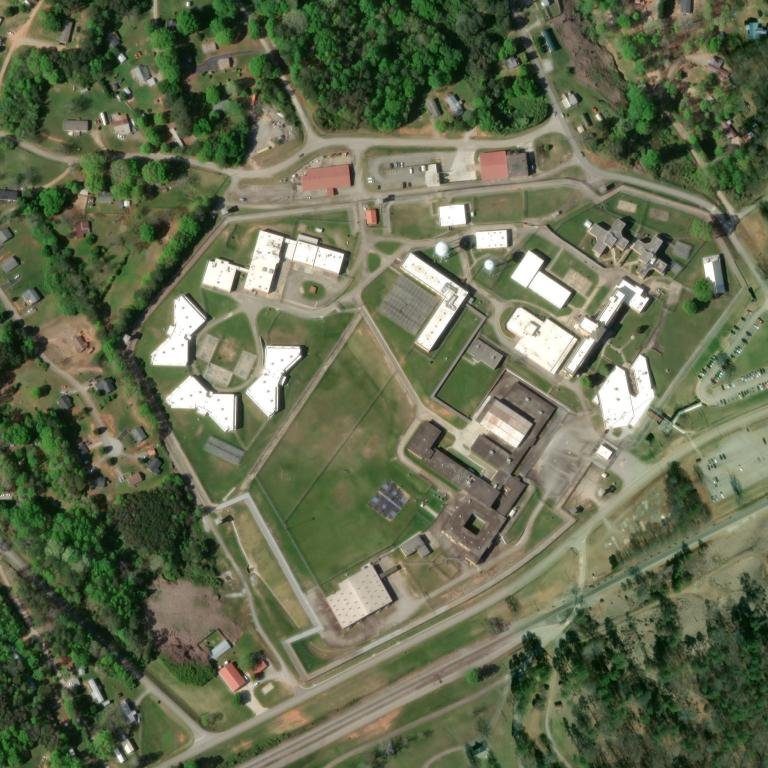
Satellite image: Esri World Imagery. Architecture documents what the building was designed to hold. See the system-wide receipts at gps.press/warehouse.
Then and now
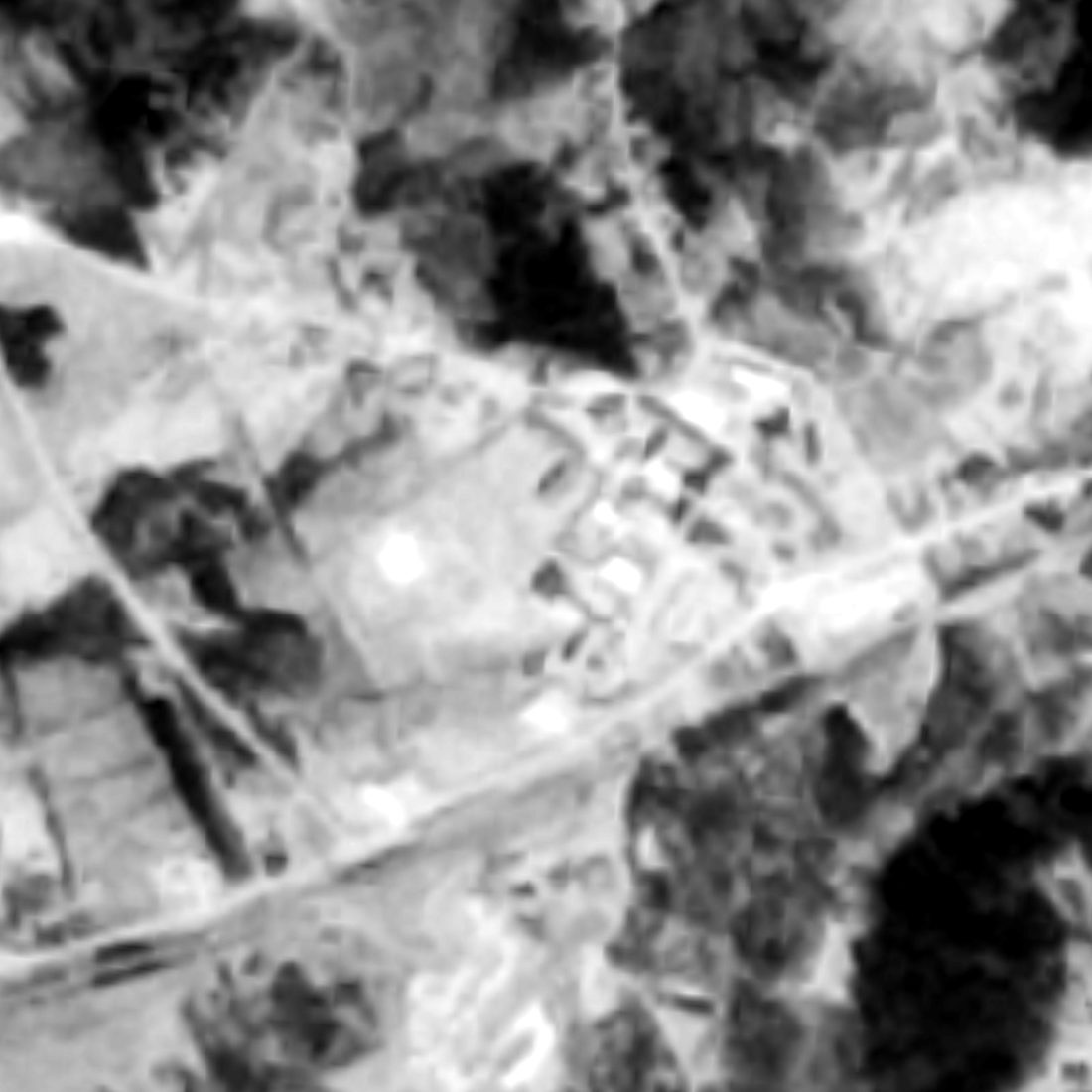
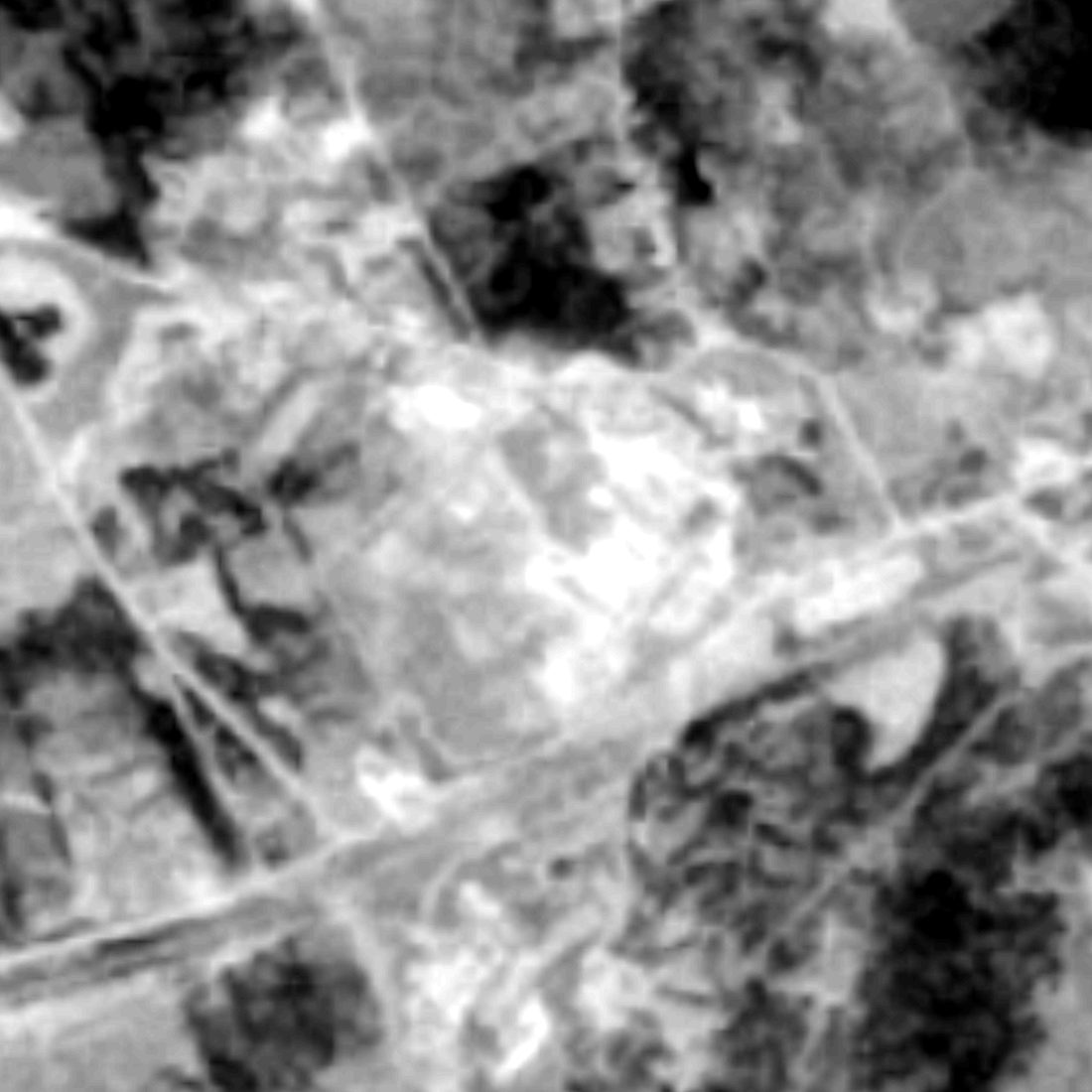
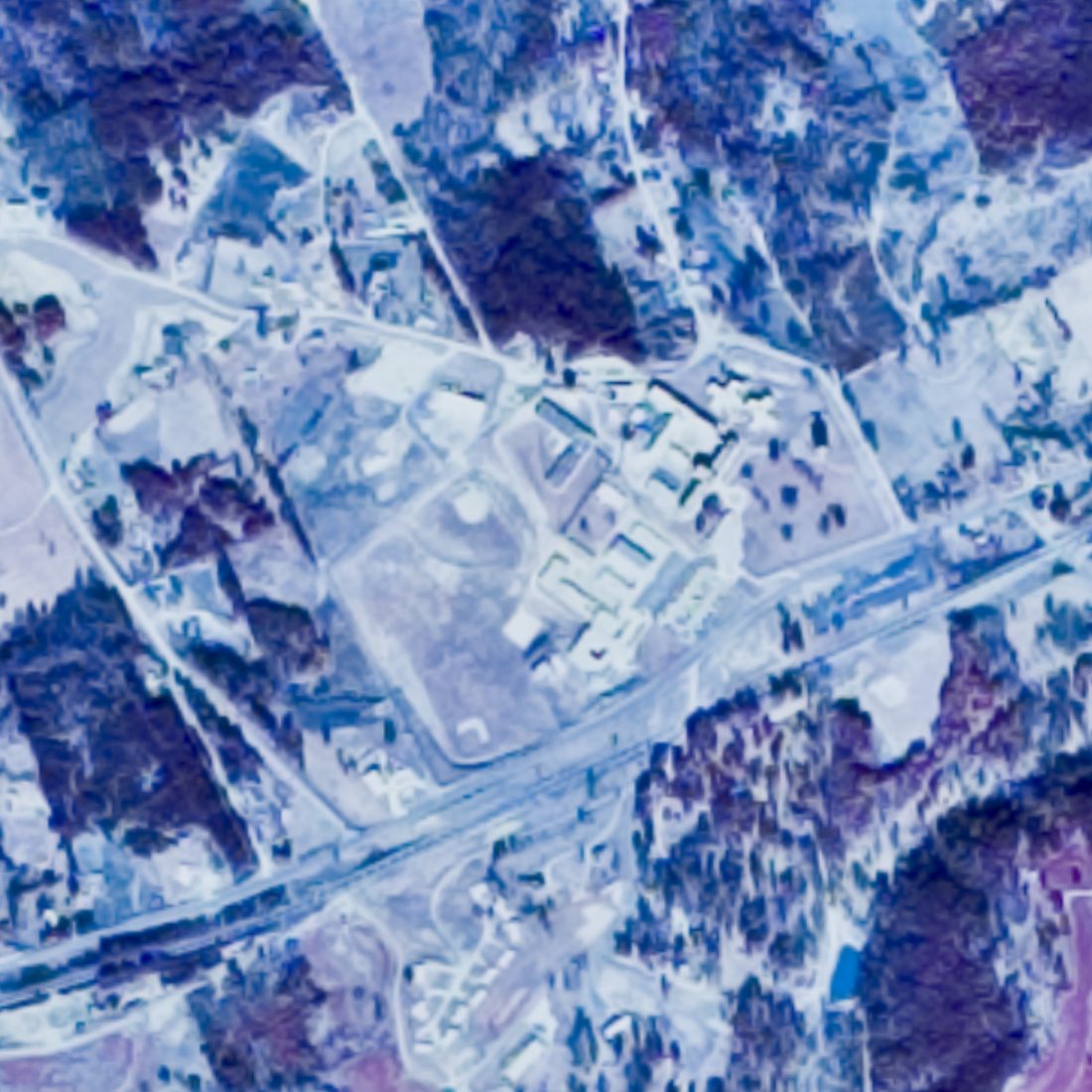
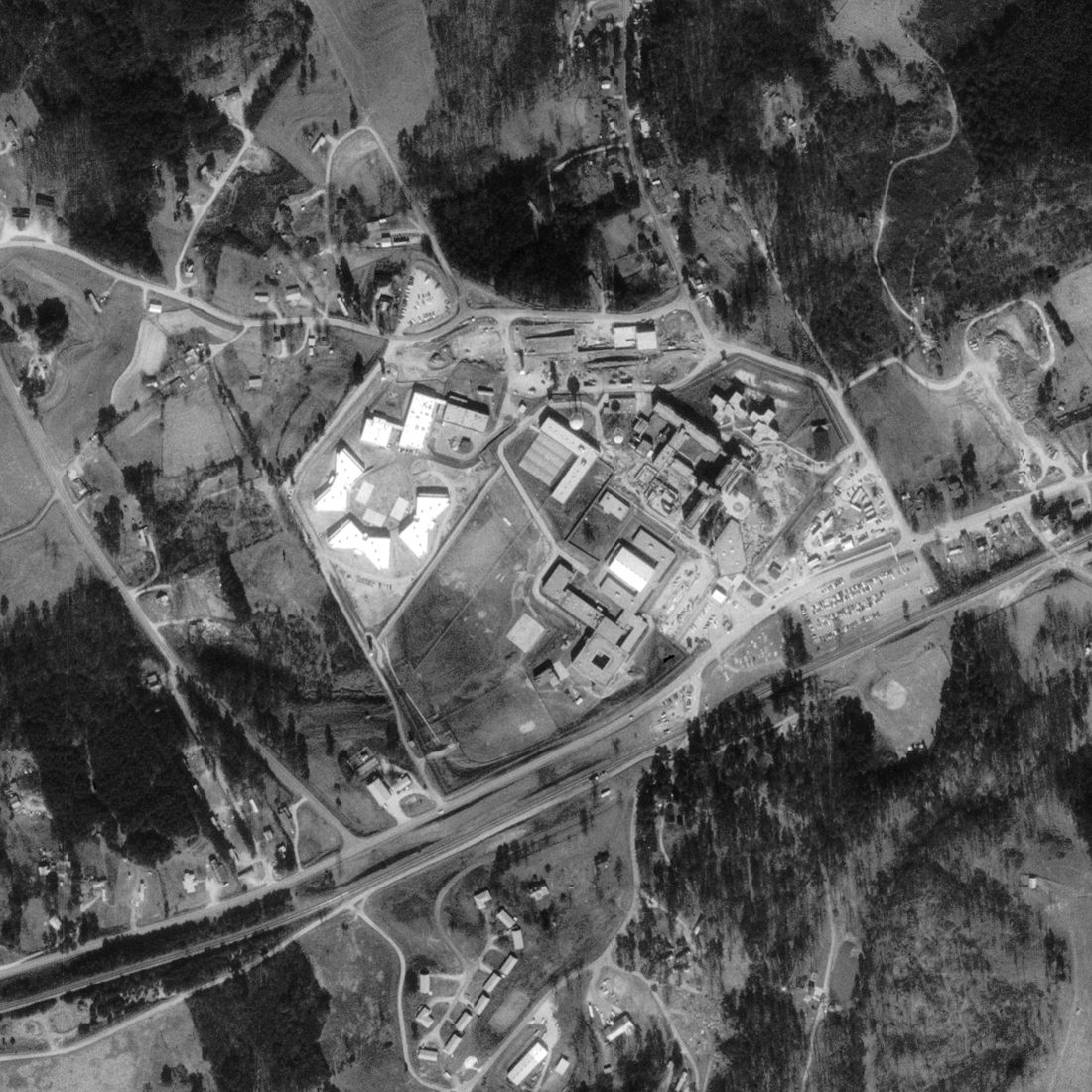
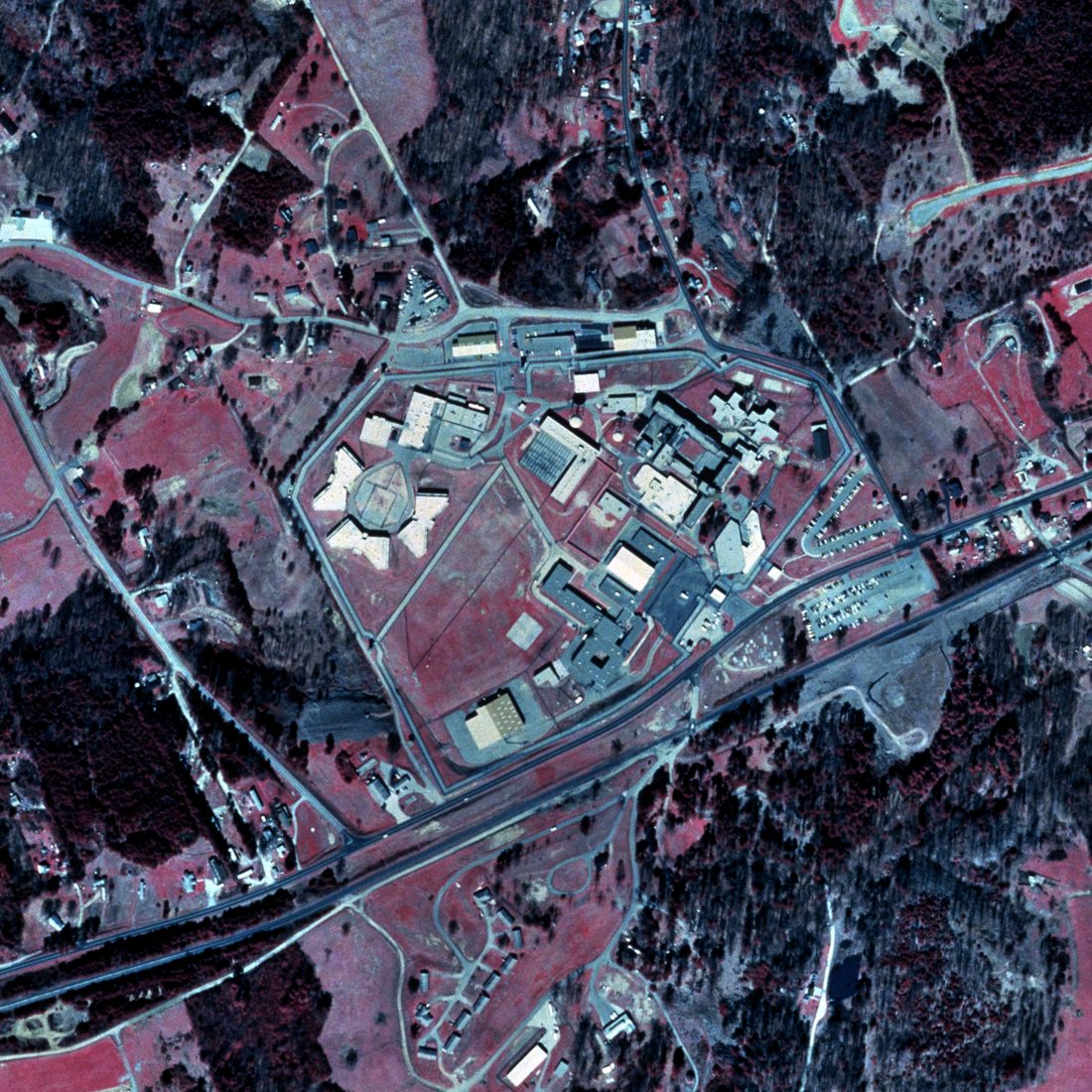
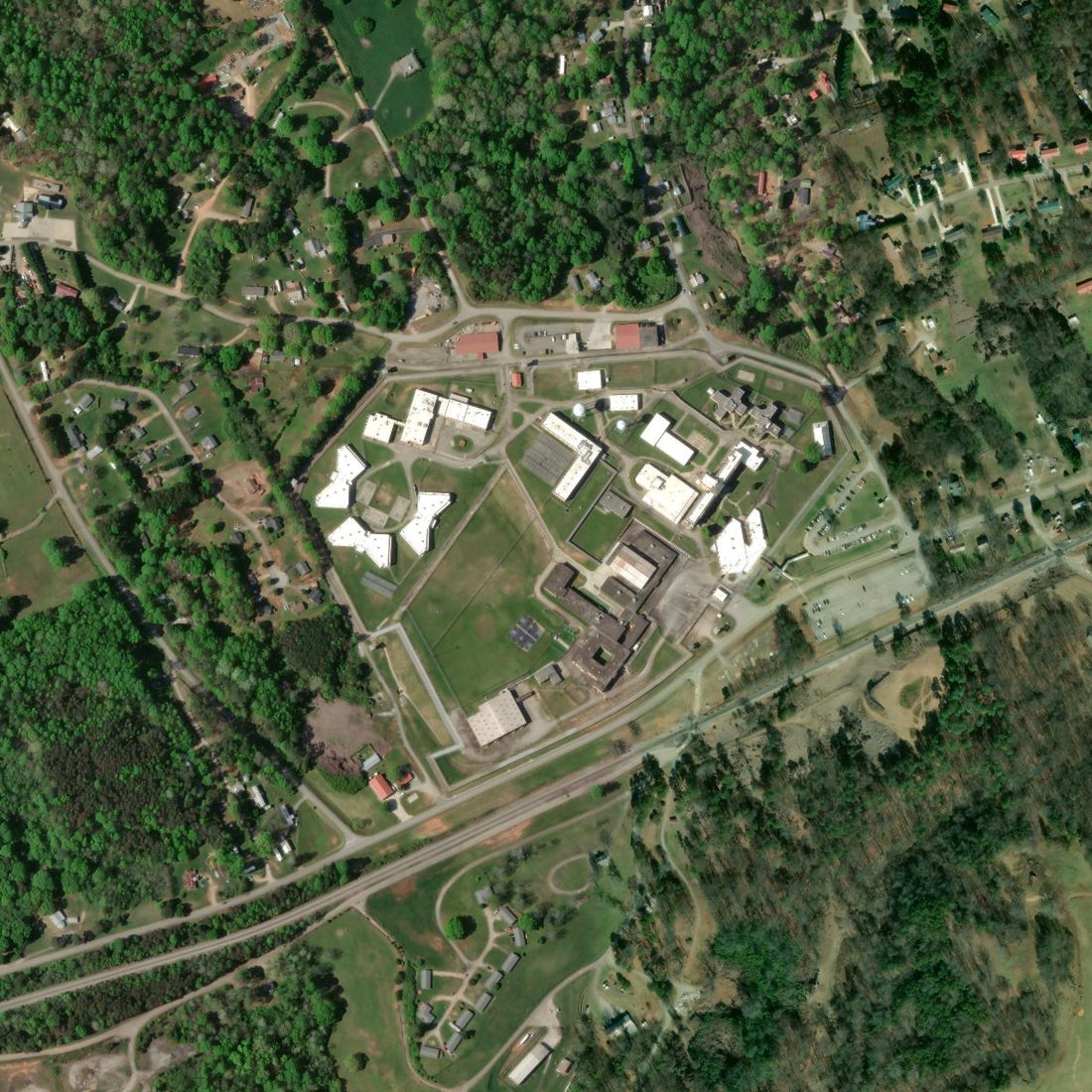
Each photo shows the same 1.2 km square, north up, so buildings line up from one year to the next. The older photos are U.S. Geological Survey aerial photographs. The photos from 1988 and earlier were taken on film and lined up with the later ones by their roads, so their positions are approximate. The early-1980s photos were taken from very high up and are less sharp. Select a photo to see it full size.