ROGERS STATE PRISON
Facility Information
- Original Design Capacity
- 448 (at 267% capacity)
- Bed Capacity
- 1,391 beds
- Current Population
- 1,197
- Active Lifers
- 18 (1.5% of population) · Oct 2026 GDC report
What the courts held in Brown v. Plata, and how Georgia compares →
- Address
- 1978 GA Hwy 147, Reidsville, GA 30453
- Phone
- (912) 557-7771
- Fax
- (912) 557-7163
- County
- Tattnall County
- Opened
- 1983
- Operator
- GDC (Georgia Dept. of Corrections)
Security Classification
Last updated: September 23, 2026
0 of the 1,193 people held here are classified Close security (0.0%), as of September 23, 2026.
| Security level | People | Share |
|---|---|---|
| Medium | 752 | 63.0% |
| Minimum | 441 | 37.0% |
| Total | 1,193 |
Earlier count (undated table, produced October 22, 2025): 1 of 1,437 Close (0.1%).
Source: Georgia Department of Corrections records produced to GPS under the Open Records Act (R031471-090226, R024615-101925). A person's security level is GDC's classification of that person, which can differ from the prison's own designation.
Follow Rogers State Prison
Leadership & Accountability (as of 2026 records)
Officials currently holding positional authority at this facility, with deaths attributed to GPS-tracked records during their leadership tenure. Inclusion reflects role-based accountability, not legal findings of personal culpability. Death counts shown as facility / career.
| Role | Name | Since | Deaths this facility / career |
|---|---|---|---|
| Warden (facility lead) | Clark, LEE C | 2018-01-01 | — / — |
| Deputy Warden of Security (facility deputy) | Goettie, Michael L | 2021-01-01 | 13 / 13 |
| Deputy Warden of Security (facility deputy) | Byrd, Yolanda | 2019-01-01 | 13 / 13 |
| Deputy Warden of Care and Treatment (facility deputy) | Kelley, Tina | 2024-09-16 | 5 / 5 |
| Deputy Warden of Security (facility deputy) | Montgomery, Marjorie L | 2026-09-16 | — / — |
| Deputy Warden of Administration (facility deputy) | Forrest, Vicki | 2026-07-16 | — / — |
About
Last updated October 18, 2026.(DS)
Rogers State Prison sits on farmland near Reidsville in Tattnall County, a medium-security men's facility that opened in 1983 with a design capacity of 448 and now carries a rated capacity of 1,391. Its mission is agricultural: a large farm, dairy, canning plant, and meat production operation that supplies food to other Georgia prisons, worked largely by incarcerated men. Housing runs to dormitories and cellblocks plus segregation units. GPS's records show a population of 1,197 — about 86 percent of rated capacity — and a leadership roster that has turned over substantially in the past year. What follows traces the threads GPS has documented at this facility: a contested in-custody death that has become the most closely examined case in GPS's files, a mortality record of 14 deaths since 2020, a food-service inspection history that reads clean on paper and poorly in practice, and a staffing picture that GPS's systemic reporting places inside a systemwide collapse.
The Death of Taylor Anthony Hunt and the Suicide Ruling His Family Rejects
Taylor Anthony Hunt died at Rogers State Prison on September 28, 2024, at age 29. GPS's mortality registry lists the cause as suicide. GDC officially ruled the death a suicide by hanging in the shower, and two autopsies were performed — one by the Georgia Bureau of Investigation, one by an independent examiner — both of which, per GDC's stated position, ruled the cause suicide.
Hunt's mother, Heather Hunt Fountain, has publicly rejected that account. In a Facebook post on August 10, 2026, she wrote that on September 27, 2024, "we were told Taylor had died while incarcerated at Rogers State Prison. But we weren't told how. For five days, my family knew my son was dead without knowing how he died. Five days later, we were finally told two words: 'A hanging.' Not 'suicide.' Not 'suicide by hanging.' 'A hanging.'" She described her son as 29 years old, "a father, a son, a grandson, and a veteran."
GPS's own case file contains material that conflicts with the official finding. Autopsy photos in GPS's possession, provided by Hunt's family through a Department of Justice channel, show ligature marks consistent with strangulation, and GPS's review of those photos is consistent with strangulation rather than suicide by hanging — a conclusion GPS holds at moderate confidence and which remains disputed. The autopsy report itself has been withheld: the GBI denied the family's requests for it on two separate occasions, citing an open investigation.
The documentary record around the death raises further questions. GPS holds copies of notes that GDC staff presented as suicide letters from Hunt to his children; the notes misspell the names of Hunt's own children, and handwriting comparison against Hunt's confirmed writing samples places their authenticity in serious question. Hunt's body was held for five days before transfer from the facility to authorities, per documentation in the family's possession comparing the death certificate to transfer paperwork. Following the death, GDC staff took custody of Hunt's personal property — standard GDC procedure when an incarcerated person dies. Hunt's family, with GPS support drafting formal letters, has requested a GBI homicide investigation, a coroner's inquest in Tattnall County, and other independent review; those requests have been denied or remain unanswered.
Fourteen Deaths Since 2020
GPS's mortality registry records 14 deaths at Rogers State Prison since January 1, 2020 — a figure GPS treats as a floor, since GDC reports deaths roughly two months late. The causes break down as five natural or medical, five suicides, three overdoses, and one still pending.
The named dead, in reverse order: John Meeks died February 19, 2026, at Rogers State Prison; GPS's registry lists the cause as Unknown/Pending, and he was 49. Randy Eugene Stewart died July 17, 2025, Natural/Medical, age 60. Justin Waymon Hollingsworth died June 26, 2025, Suicide, age 43. David Edward Wood died February 4, 2025, Natural/Medical. Taylor Anthony Hunt died September 28, 2024, Suicide, age 29. Shawn Remar Johnson died July 23, 2024, Natural/Medical, age 34. Randall Henry Baker died December 6, 2023, Natural/Medical, age 38. William Joseph Smiley died August 15, 2023, Overdose, age 41. Bradley Lyle Weitzel died March 21, 2023, Natural/Medical, age 40. Caleb Sexton died April 22, 2022, Overdose, age 21. Timothy Brent Jenkins died April 7, 2022, Overdose, age 22. Jeremy Lasean Walton died June 12, 2021, Suicide, age 31. Michael Glenn Mckee died May 22, 2021, Suicide, age 59. Chad Walker Jeter died March 17, 2021, Suicide, age 43.
The overdose cluster is notable: three men between 21 and 41 died of overdose across 2022 and 2023, two of them within fifteen days of each other in April 2022. Systemwide, GPS has independently tracked 1,918 deaths in GDC custody since 2020.
Food Service: Clean Scores, Contested Conditions
The Georgia Department of Public Health has inspected Rogers State Prison's food operation six times since August 2023, all routine inspections conducted by inspector Lance Dasher. The scores: 94 in August 2023, 92 in March 2024, 82 in October 2024, 91 in April 2025, 92 in November 2025, and 85 in July 2026. Four of the six earned a Grade A; the two Grade B scores, in October 2024 and July 2026, both cited improper hot holding temperatures among their violations.
GPS has documented a systemic pattern in which DPH scores fail to capture the actual condition of GDC kitchens — broken tray-sanitizing dishwashers, sustained roach and rodent infestation, and meals served on contaminated trays — because inspections are scheduled walkthroughs that do not assess equipment under load. The Marshall Project's May 16, 2026 investigation of Georgia prison food independently reported rats in kitchens, insects in food, and moldy trays across state facilities. GPS treats the contradiction between high inspection scores and sustained witness accounts as the analytical center of its investigation into prison food service.
The economics behind that pattern are stark. GDC spends approximately $1.69 per person per day on food, with $1.60 per day proposed for FY27 — under 60 cents per meal — against the FDA Thrifty Food Plan estimate of roughly $10 per day for an adult man's nutritionally adequate diet. The state spends roughly 14 times more on medical care for incarcerated people ($432 million) than on their food. At Rogers, the agricultural mission that supplies other prisons' food runs alongside a kitchen that DPH has twice scored at Grade B in the past two years.
Staffing Collapse, Contraband, and the Agricultural Detail
GPS has documented officer vacancy rates in Georgia's prisons running between 49.3 and 60 percent systemwide for multiple years, against a national standard of no more than 10 percent. The October 2024 DOJ findings letter concluded that "the leadership of the Georgia Department of Corrections has lost control of its facilities" and faulted GDC for placing "too much blame on gangs and insufficient emphasis on understaffing." Georgia ranks last of 50 states for correctional-officer pay, and 82.7 percent of new hires leave in their first year. GPS records show staffing-shortage reports at Rogers across three months in 2026 at high and moderate severity.
The contraband record at Rogers reflects both the agricultural operation and the staffing gap. GDC's own published contraband reports show a contract Mental Health Counselor, Kalvin Roberts, arrested by the Tattnall County Sheriff's Department on March 17, 2026, after security staff recovered a Styrofoam tray from a closet containing two cellphones and two activation cards; GDC's report states Roberts entered the facility with the contraband and was charged with crossing the guard lines with prohibited items. In May 2025, a civilian, Tyiesha Wilson, was arrested after a search near the facility turned up 1,260 grams of tobacco, 51.8 grams of marijuana, and eggs packed with rolling paper and wraps. In January 2025, the GDC Canine Unit apprehended a civilian, Paul Kerwin Williams, near the facility with a cellphone, 882.5 grams of tobacco, two lighters, and a pocket knife. Across the full span of GDC's published reports, staff-class actors at Rogers include four officers and multiple food-service employees.
GPS records show six sources reporting staff-misconduct allegations at Rogers in the past year, and four naming specific staff at high and moderate severity in September 2026. GPS has received accounts of assault by other incarcerated people at the facility, and multiple sources have reported staffing shortages. GPS has also received accounts of an officer stabbing at Rogers in 2026.
Settlements, Leadership, and the Accountability Record
Two state liability payouts are tied to Rogers in the DOAS Risk Management settlement ledger obtained through open records: $17,500 to Angelo Lamar Roberson for a 2019 incident, and $75 to Carl Garrett for a 2017 incident.
The facility's leadership has churned. Lee C. Clark is warden, a post GPS records as held since 2018. Around him, the deputy ranks have turned over repeatedly in 2026: Marjorie L. Montgomery arrived as Deputy Warden of Security on September 16, 2026; Vicki Forrest as Deputy Warden of Administration and Yolanda Byrd and Michael L. Goettie as Deputy Wardens of Security all on July 16, 2026; Tina Kelley as Deputy Warden of Care and Treatment since September 2024. GPS records four due-process-violation signals at high and moderate severity concentrated in September 2026, alongside three grievance-obstruction signals and four family-safety-concern signals over the past year. Four external complaints were filed to oversight bodies in the past year, including to the Georgia Innocence Project and the U.S. Department of Justice.
Sources
This analysis draws on GPS's mortality registry and death records; Georgia Department of Public Health food-safety inspection reports for Rogers State Prison; GDC's published contraband arrest reports; the Georgia Department of Audits and Accounts Risk Management settlement ledger obtained through open records; GPS's personnel and leadership records; GPS's systemic findings on staffing, food service, and infrastructure across GDC facilities; a public Facebook statement by Heather Hunt Fountain dated August 10, 2026; autopsy photographs and correspondence held in GPS's case file on the death of Taylor Anthony Hunt; and The Marshall Project's May 16, 2026 investigation of Georgia prison food.
Mortality Statistics
14 deaths documented at this facility from 2020 to present.
Deaths by Year
- 2026: 1
- 2025: 3
- 2024: 2
- 2023: 3
- 2022: 2
- 2021: 3
- 2020: 0
County Public Health Department
Food service and sanitation at ROGERS STATE PRISON fall under the jurisdiction of the Tattnall County Environmental Health Department. Incarcerated people cannot choose where they eat — public health inspectors carry an elevated responsibility to hold this kitchen to the same standards applied to any restaurant.
Contact
- Title
- EH Specialist
- Name
- Lance Dasher
- Address
-
P.O. Box 353
Glennville, GA 30427 - Phone
- (855) 473-4374
- Lance.Dasher@dph.ga.gov
- Website
- Visit department website →
Why this matters
GPS has documented black mold on chow-hall ceilings, cold and contaminated trays, spoiled milk, and pest contamination at Georgia prisons. The Department of Justice's 2024 report confirmed deaths from dehydration and untreated diabetes tied to food and water deprivation. Advance-notice inspections let facilities stage temporary fixes that disappear once inspectors leave.
Unannounced inspections by the county health department are one of the few outside checks on kitchen conditions behind the fence.
How you can help
Write to the county inspector and request an unannounced inspection of the kitchen and food service operation at this facility. A short, respectful letter citing Georgia food-safety regulations is more powerful than you think — inspectors respond to public concern.
Sample Letter
This is the letter Georgia Prisoners' Speak mailed to all county environmental health inspectors responsible for GDC facilities. Feel free to adapt it.
October 24, 2026
RE: Request for Unannounced Public Health Inspection of Food Service Operations at ROGERS STATE PRISON
Dear Lance Dasher,
I am writing to respectfully request that your office conduct a thorough, unannounced inspection of food service and sanitation practices at ROGERS STATE PRISON, located in Tattnall County.
Documented concerns
Georgia Prisoners' Speak, a 501(c)(3) nonprofit investigative newsroom, has published extensive investigative reporting on food safety and nutrition failures across Georgia's prison system, including:
- Dangerous sanitation conditions — black mold on chow hall ceilings and air vents, contaminated food trays, and spoiled milk served to inmates.
- Severe nutritional deficiency — roughly 60 cents per meal; inmates receive only 40% of required protein and less than one serving of vegetables per day.
- Preventable deaths — the U.S. Department of Justice's 2024 report confirmed deaths from dehydration, renal failure, and untreated diabetes following food and water deprivation.
- Staged compliance — advance-notice inspections allow facilities to stage temporary improvements, then revert once inspectors leave.
Firsthand testimony
In Surviving on Scraps: Ten Years of Prison Food in Georgia, a person who has spent more than ten years in GDC custody describes no functional dishwashing sanitation, chronic mold on food trays, and roaches found on the undersides of trays at intake facilities. Full account: gps.press/surviving-on-scraps-ten-years-of-prison-food-in-georgia.
Specific requests
- Conduct an unannounced inspection of the kitchen and food service operations at this facility, with particular attention to dishwashing equipment, tray sanitation procedures, and food storage conditions.
- Evaluate compliance with applicable Georgia food safety regulations, including O.C.G.A. § 26-2-370 and the Georgia Food Service Rules and Regulations (Chapter 511-6-1).
- Verify permit status and confirm whether the facility is subject to the same inspection schedule as other institutional food service establishments in the county.
- Make inspection results available to the public, as permitted under Georgia's Open Records Act (O.C.G.A. § 50-18-70).
Incarcerated individuals cannot advocate for their own health and safety in the way a restaurant patron can — they cannot choose to eat elsewhere. This places an elevated responsibility on public health officials to ensure these facilities meet the same sanitation standards applied to any food service establishment.
Thank you for your attention to this important public health matter.
Sincerely,
[Your name]
Food Safety Inspections
Georgia Department of Public Health
What the score doesn't measure. DPH grades kitchen compliance on inspection day — food storage, temperatures, pest control. It does not grade whether today's trays are clean. GPS reporting has found broken dishwashers at most Georgia state prisons we've documented; trays go out wet, stacked, and visibly moldy — including at facilities with recent scores near 100.
Who inspects. Most Georgia state prisons sit in rural counties — often with fewer than 20,000 people, several with fewer than 10,000. The environmental health inspector lives in that community and often knows the kitchen staff personally. Rural inspection regimes don't have the structural independence you'd expect in a city-sized health department. Read the scores accordingly.
Read the investigation: “Dunked, Stacked and Served: Why Georgia Prison Trays Are Making People Sick”
Recent inspections
| Date | Score | Purpose | |
|---|---|---|---|
| Jul 8, 2026 | 85 | Routine | |
| Nov 19, 2025 | 92 | Routine | |
| Apr 30, 2025 | 91 | Routine | |
| Oct 31, 2024 | 82 | Routine | |
| Mar 21, 2024 | 92 | Routine | |
| Aug 23, 2023 | 94 | Routine |
July 8, 2026 — Score 85
Routine · Inspector: Lance Dasher
| Code | Violation | Pts | Inspector notes |
|---|---|---|---|
| 1A |
proper cold holding temperatures 511-6-1.04(6)(f) - time/temperature control for safety; cold holding (p) | 9 | Observed slice cheese temperature of 51 F in walk in cooler at cook line. Food removed. Discontinue use until repaired. Observed temperature of squash at 44 F, defrost unit and keep doors shut when not in use. |
| 15A |
food and nonfood-contact surfaces cleanable, properly designed, constructed, and used 511-6-1.05(6)(a) - good repair & proper adjustment (c) Repeat | 1 | Observed wall damage in walk in refrigeration units, at bottom of panels. |
| 15A |
food and nonfood-contact surfaces cleanable, properly designed, constructed, and used 511-6-1.05(6)(a) - good repair & proper adjustment (c) Repeat | 1 | Observed wall damage in walk in refrigeration units, at bottom of panels. |
| 17C |
physical facilities installed, maintained, and clean 511-6-1.07(5)(a),(b) - good repair, physical facilities maintained; cleaning, frequency & restrictions, cleaned often enough to keep them clean (c) | 1 | Observed wall damage at tray washing room, patch holes, reseal walls in tray making station, areas are missing sealant. |
| 18 |
insects, rodents, and animals not present 511-6-1.07(5)(k) - controlling pests (pf, c) | 3 | Observed flies in food service, increase vector control. |
November 19, 2025 — Score 92
Routine · Inspector: Lance Dasher
| Code | Violation | Pts | Inspector notes |
|---|---|---|---|
| 14C |
single-use/single-service articles: properly stored, used 511-6-1.05(6)(r) - single-service/single-use articles, use limitations (c) Corrected | 1 | Observed single service cup stored in left over meat, remove and discarded. |
| 15A |
food and nonfood-contact surfaces cleanable, properly designed, constructed, and used 511-6-1.05(6)(a) - good repair & proper adjustment (c) | 1 | Observed wall damage in walk in cooler units, at bottom of panels. |
| 16B |
plumbing installed; proper backflow devices 511-6-1.06(2)(r) - system maintained in good repair (p, c) | 2 | observed spray rinse sink in tray washing room missing drainage plumbing. Repair asap. |
| 17C |
physical facilities installed, maintained, and clean 511-6-1.07(5)(a),(b) - good repair, physical facilities maintained; cleaning, frequency & restrictions, cleaned often enough to keep them clean (c) | 1 | Observed missing ceiling tile in main kitchen area. |
| 17D |
adequate ventilation and lighting; designated areas used 511-6-1.07(3)(f) - lighting intensity, adequate in food prep, storage & service areas (c) | 1 | Observed walk in cooler units with insufficient lighting, install new bulbs/units. |
| 18 |
insects, rodents, and animals not present 511-6-1.07(5)(k) - controlling pests (pf, c) | 3 | Observed mice droppings at warehouse storage at pallets of dry food products. |
April 30, 2025 — Score 91
Routine · Inspector: Lance Dasher
| Code | Violation | Pts | Inspector notes |
|---|---|---|---|
| 14B |
utensils, equipment and linens: properly stored, dried, handled 511-6-1.05(9)(c) - storage of soiled linens (c) Corrected | 1 | Observed cleaning rags stored on faucet, remove. |
| 15A |
food and nonfood-contact surfaces cleanable, properly designed, constructed, and used 511-6-1.05(6)(a) - good repair & proper adjustment (c) Corrected | 1 | Observed plastic food trays with breaks and holes, and a metal tray with torn areas. Discarded. |
| 16B |
plumbing installed; proper backflow devices 511-6-1.06(2)(r) - system maintained in good repair (p, c) | 2 | Observed leaks on faucet units in tray/dish room, repair. Install faucet head on hand wash station, has one other working unit in area. |
| 17C |
physical facilities installed, maintained, and clean 511-6-1.07(5)(a),(b) - good repair, physical facilities maintained; cleaning, frequency & restrictions, cleaned often enough to keep them clean (c) | 1 | Observed ceiling damage in warehouse towards rear of room. |
| 17D |
adequate ventilation and lighting; designated areas used 511-6-1.07(3)(f) - lighting intensity, adequate in food prep, storage & service areas (c) | 1 | Observed lighting in walk in coolers in warehouse not working, replace bulbs. Observed warehouse exhaust fans that need cleaning and repair. |
| 18 |
insects, rodents, and animals not present 511-6-1.07(5)(k) - controlling pests (pf, c) Repeat | 3 | Observed flies in pack out room, consult with exterminator for solutions. |
October 31, 2024 — Score 82
Routine · Inspector: Lance Dasher
| Code | Violation | Pts | Inspector notes |
|---|---|---|---|
| 1B |
proper hot holding temperatures 511-6-1.04(6)(f) - time/temperature control for safety; hot holding (p) Corrected | 9 | Observed food items on hot hold less than 135 F, food was discarded. |
| 10D | food properly labeled; original container | 3 | Observed damage cans of food in warehouse leaking onto floor. Pull pallets and discard damaged cans and clean. |
| 15A |
food and nonfood-contact surfaces cleanable, properly designed, constructed, and used 511-6-1.05(6)(a) - good repair & proper adjustment (c) | 1 | Observed hot bar unit at serve line unplugged and not working, repair ASAP. |
| 17C |
physical facilities installed, maintained, and clean 511-6-1.07(5)(a),(b) - good repair, physical facilities maintained; cleaning, frequency & restrictions, cleaned often enough to keep them clean (c) Repeat | 1 | Observed food stains on floor in spice room storage at rear wall. |
| 18 |
insects, rodents, and animals not present 511-6-1.07(5)(k) - controlling pests (pf, c) | 3 | Observed heavy amount of flies in tray making station room. Call exterminator for help to get it under control. Also fruit flies in warehouse and spice room. |
March 21, 2024 — Score 92
Routine · Inspector: Lance Dasher
| Code | Violation | Pts | Inspector notes |
|---|---|---|---|
| 2A |
pic present, demonstrates knowledge, performs duties 511-6-1.03(2)(a)-(n)(p),(q) - responsibility of pic (pf) Corrected | 4 | Observed employee managing serve line station not utilizing the steam bar unit to maintain temperatures of food. Serve line was stopped and the unit was set up for hot holding. Lowest temperature of foods on bar was 136 F. |
| 14B |
utensils, equipment and linens: properly stored, dried, handled 511-6-1.05(9)(c) - storage of soiled linens (c) Corrected Repeat | 1 | Observed rag stored on sink unit, soiled rags should be disposed of in soiled linen storage. |
| 15C |
nonfood-contact surfaces clean 511-6-1.05(7)(a)2,3 - equipment, food/nonfood-contact surfaces, and utensils, food-contact surfaces of cooking equipment & nonfood-contact surfaces free of accumulations (c) | 1 | Observed food debris buildup on mixer units in bakery, clean. |
| 17C |
physical facilities installed, maintained, and clean 511-6-1.07(5)(a),(b) - good repair, physical facilities maintained; cleaning, frequency & restrictions, cleaned often enough to keep them clean (c) | 1 | Observed food stains in warehouse under pallet racks and in sugar/spice room. |
| 17D |
adequate ventilation and lighting; designated areas used 511-6-1.07(3)(f) - lighting intensity, adequate in food prep, storage & service areas (c) | 1 | Observed multiple lights out in warehouse, replace blown bulbs or nonworking light fixtures. |
August 23, 2023 — Score 94
Routine · Inspector: Lance Dasher
| Code | Violation | Pts | Inspector notes |
|---|---|---|---|
| 14B |
utensils, equipment and linens: properly stored, dried, handled 511-6-1.05(9)(c) - storage of soiled linens (c) | 1 | Observed rags stored on sides of hand wash sinks, store in soiled storage when task is completed. |
| 16B |
plumbing installed; proper backflow devices 511-6-1.06(2)(r) - system maintained in good repair (p, c) | 2 | Observed drainage/plumbing at spray rinse sink not secure, laying on floor. Repair. |
| 18 |
insects, rodents, and animals not present 511-6-1.07(5)(k) - controlling pests (pf, c) | 3 | Observed flies at serve line room and other areas in kitchen, increase vector control. |
Recent reports (10)
Source-attributed observations and allegations from news coverage and reports submitted to GPS. Each entry credits its source.
- ALLEGATION According to Facebook (public comment, Georgia prison family group) Recorded by GPS: Sep 1, 2026Civilian farm supervisor supplied vapes and computer access on the GCI dairy detail, then blamed the workers — collective loss of detail (Rogers State Prison) — A formerly incarcerated man says a civilian farm hand overseeing the dairy-milking detail at Rogers State Prison supplied vapes to the men working it and let them into the farm office to use a computer. When Georgia Correctional Industries staff discovered prisoners had been in the office, the poster says the same staffer told them the men had broken in. The poster says he was accused of stealing food and drink mixes, lost his work detail over the episode, and was refused any detail for the remainder of his sentence — while, he says, the actual thefts were later traced to a different shift.
"when I worked as a dairy Milker (milking cows) there was a farm hand named [first name withheld by GPS] he'd get vapes for the inmates to hit while working and letting inmates into the office to get on the computer where I was wrongfully accused of stealing food,drink mixes... but when the GCI workers found out people were going into the office the farm hand blamed us all for breaking in when he'd let us in... which was found out later to be morning dairy milkers who stole food and etc but I lost my detail and was refused a detail for the rest of my time"
Read source → - ALLEGATION According to Facebook (public comment, Georgia prison family group) Recorded by GPS: Sep 1, 2026Counselor known to prisoners as "Cowboy" arrested for bringing in drugs and phones (Rogers State Prison) — A formerly incarcerated man, posting publicly, says a counselor at Rogers State Prison whom prisoners called "Cowboy" — identifiable by his cowboy hat, boots and dress shirts — was arrested after staff learned he was bringing contraband drugs ("toochie") and cell phones into the facility. The account is undated; the poster describes a past period of incarceration at Rogers and does not state years.
"there was a councilor the inmates called "cowboy" wore cowboy hat boots and nice button ups he was arrested after they found out he was bringing in toochie and phones"
Read source → - ALLEGATION Received as Family or inmate communication Recorded by GPS: Jun 2, 2026Guard Stabbing Incident
"Just a POI = now theyve been on "modified lockdown" still from the Blood / GF battles and the stabbing of the guards at Rogers. Haven't heard anything about scabies recently. On Tue, Jun 2, 2026 at 11:10 AM GPS Advocate Network <team@mail.gps.press> wrote:"
Read source →
Timeline (13)
Source Articles (12)
Former leadership
Officials who previously held leadership roles at this facility.
| Role | Name | Tenure | Deaths this facility / career |
|---|---|---|---|
| WARDEN 1 (facility lead) | West, Sandi R | 2024-06-16 → 2025-12-31 | 6 / 6 |
| WARDEN 1 (facility lead) | Page, Tracy Glynn | 2001-01-01 → 2023-12-31 | 5 / 6 |
| Deputy Warden of Care and Treatment (facility deputy) | Finch, Karen Ruth | 2021-01-01 → 2024-07-31 | 9 / 63 |
| Deputy Warden (facility deputy) | Forrest, Vikki | 2026-08-27 → 2026-08-27 | — / — |
| Deputy Warden (facility deputy) | Irwin, Vikki G | 2023-11-22 → 2023-11-22 | — / — |
| DEPUTY WARDEN (facility deputy) | McFarlane, Andrew M | 2017-01-01 → 2018-12-31 | — / 53 |
| DEPUTY WARDEN (facility deputy) | Clark, Jennifer R | 2012-01-01 → 2016-12-31 | — / — |
| Clinical Chaplain (specialty lead) | Wilt, Calvin D | 2023-11-22 → 2026-08-27 | — / — |
Location
Aerial View
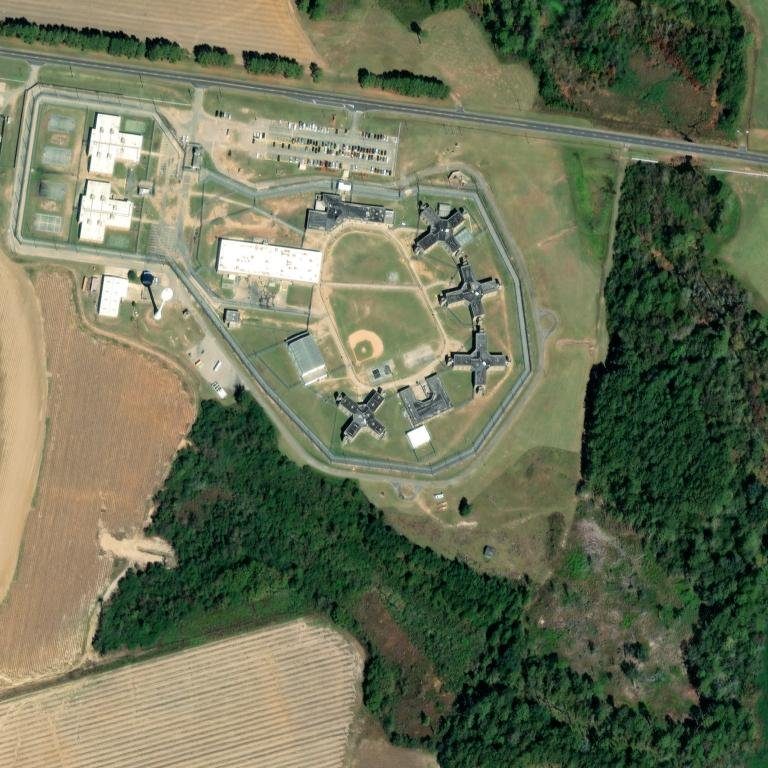
Satellite image: Esri World Imagery. Architecture documents what the building was designed to hold. See the system-wide receipts at gps.press/warehouse.
Then and now
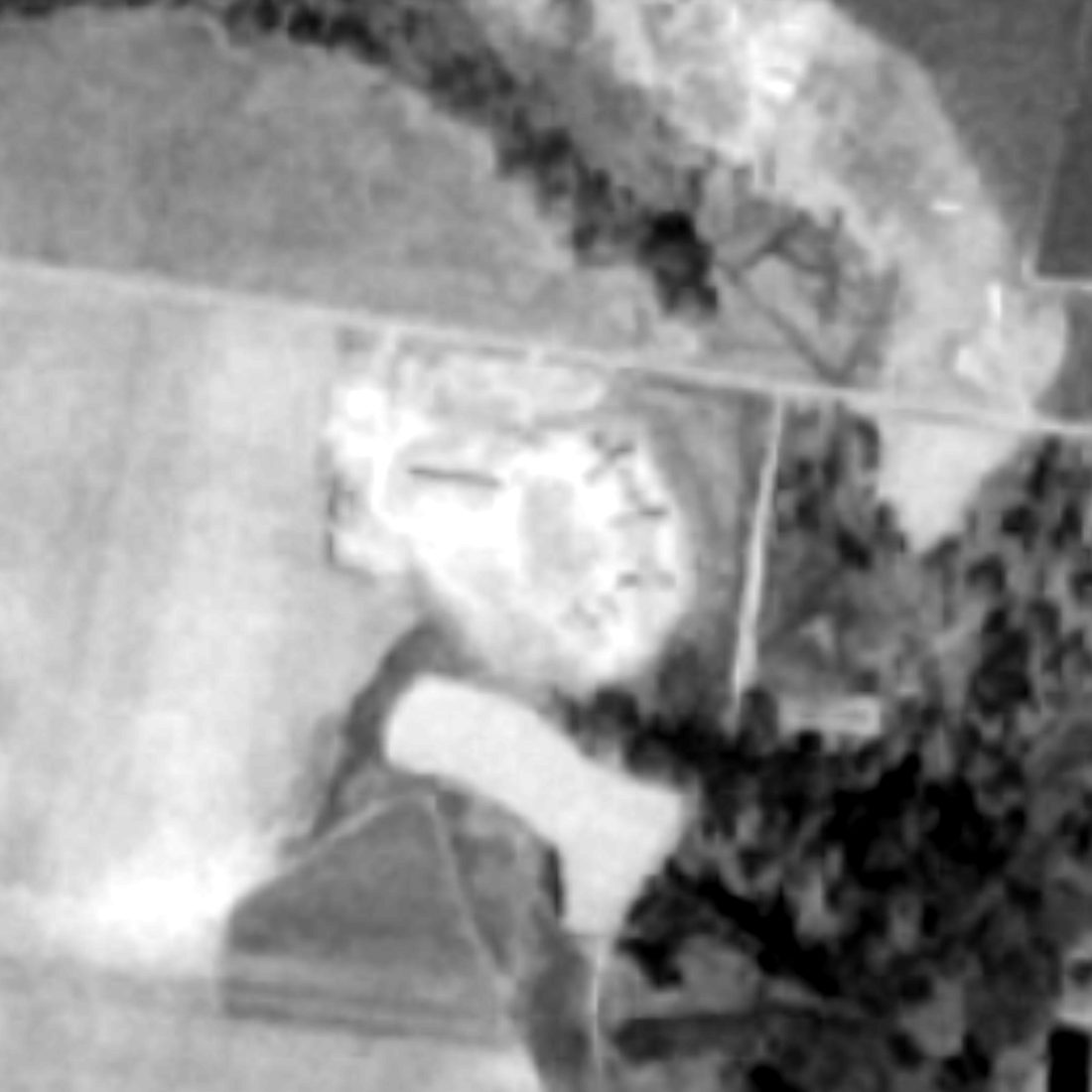
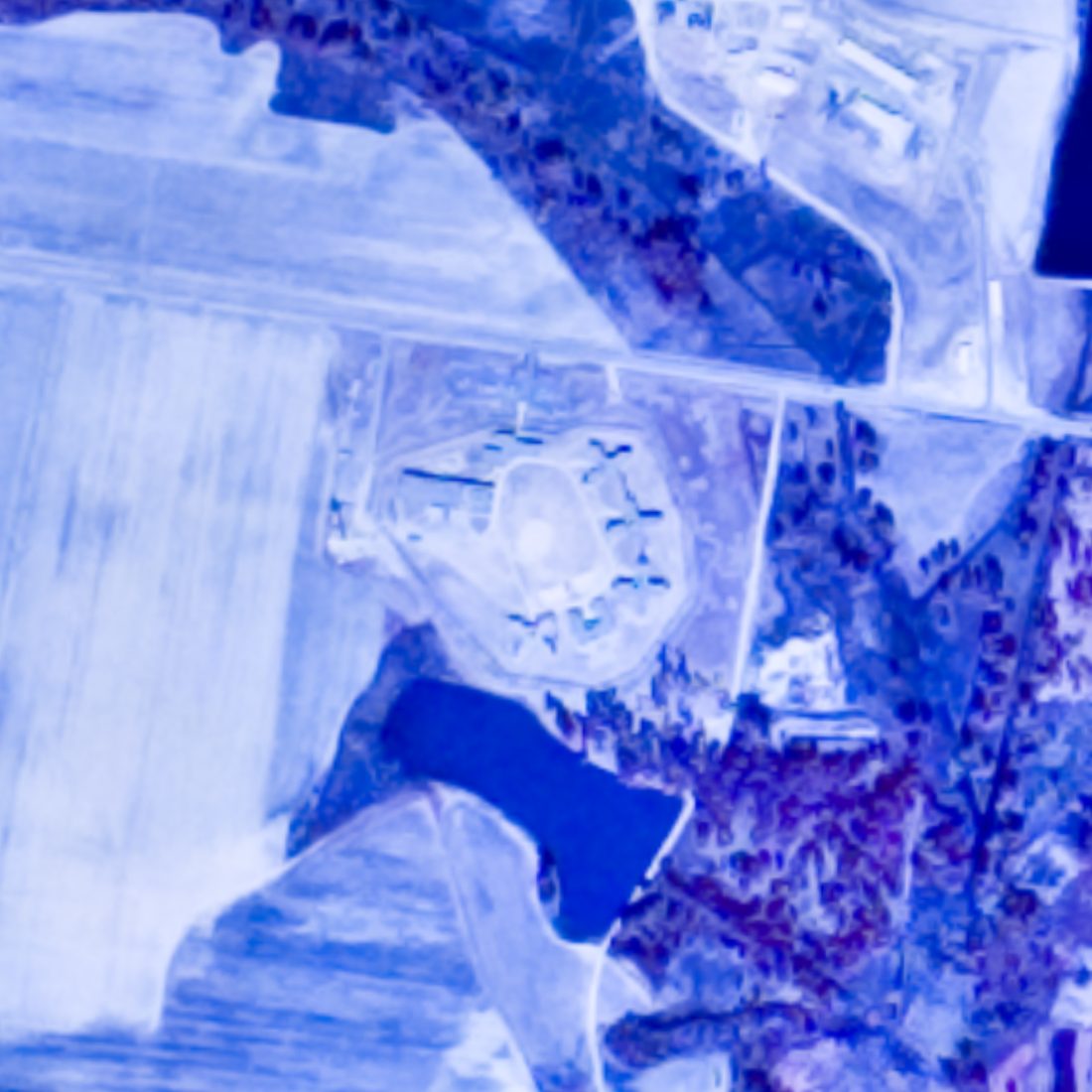
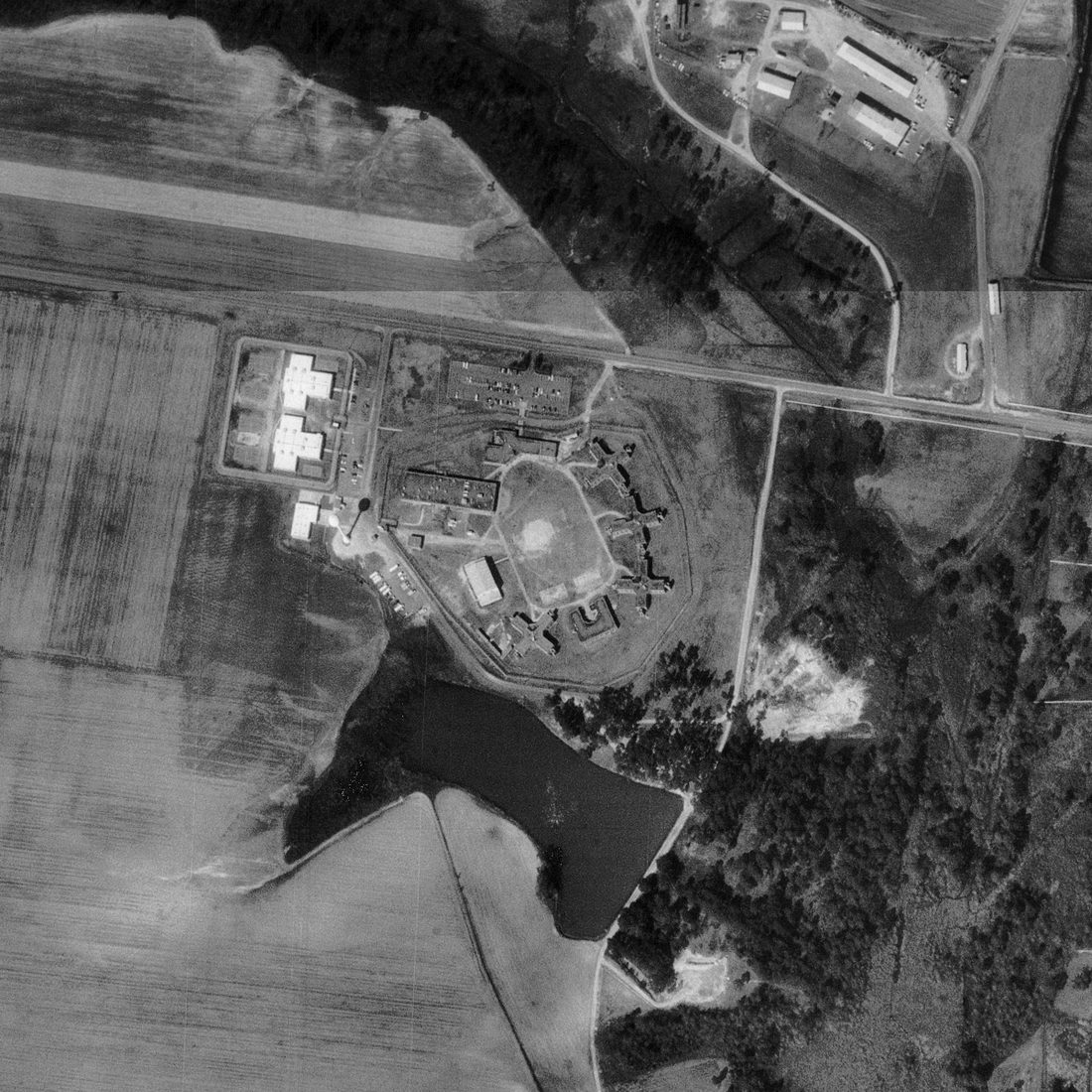
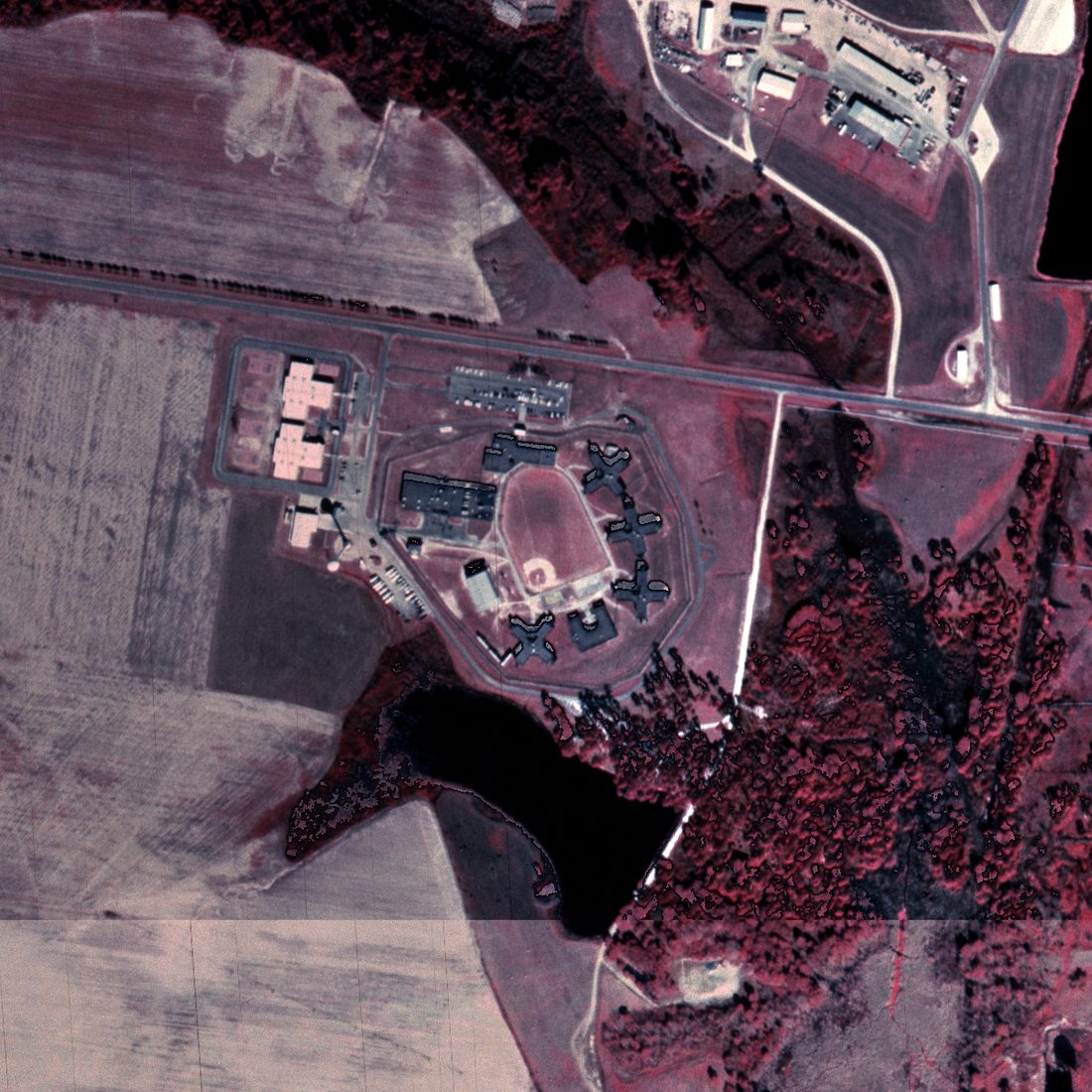
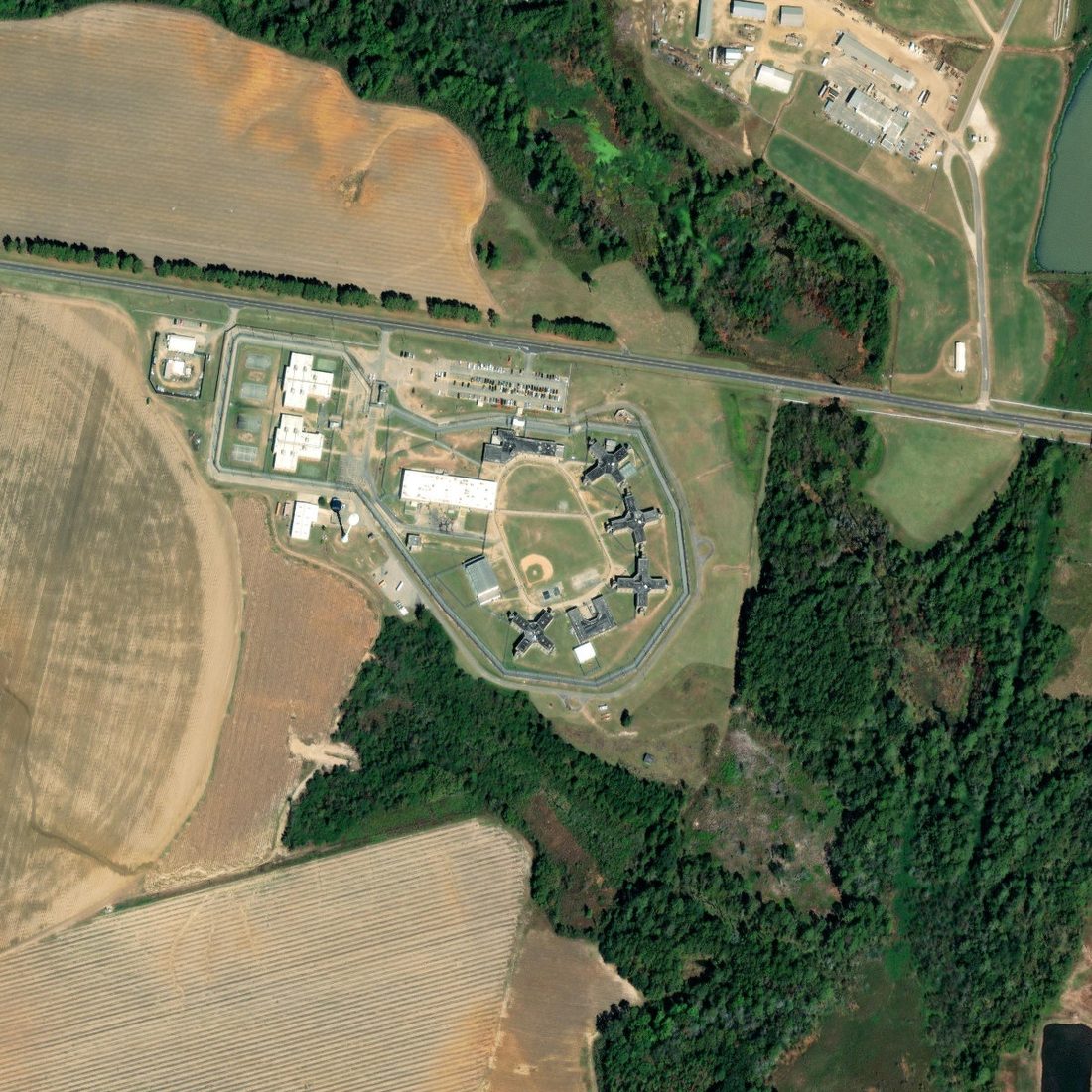
Each photo shows the same 1.2 km square, north up, so buildings line up from one year to the next. The older photos are U.S. Geological Survey aerial photographs. The photos from 1988 and earlier were taken on film and lined up with the later ones by their roads, so their positions are approximate. The early-1980s photos were taken from very high up and are less sharp. Select a photo to see it full size.